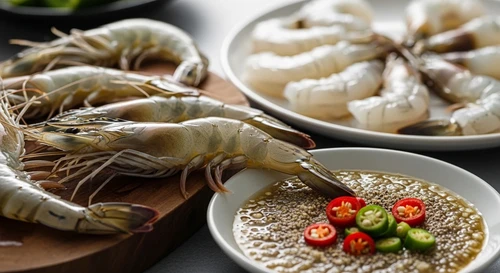
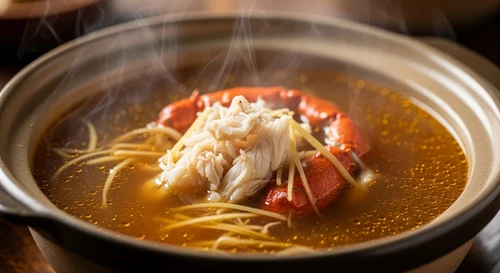
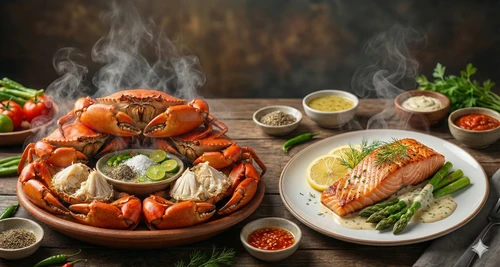
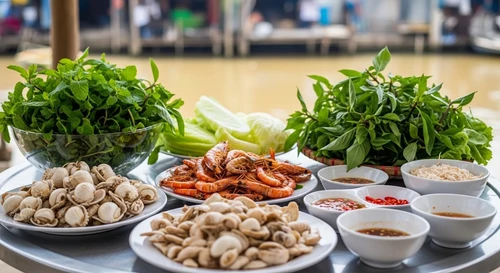
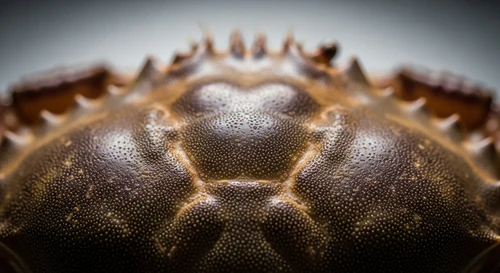
" The Mekong Delta's rivers and coastlines are a treasure trove of the sea, and crab is a jewel in that crown. For generations, the sweet, succulent meat has nourished families. Now, parents globally wonder: when can my little one join this culinary heritage safely? "
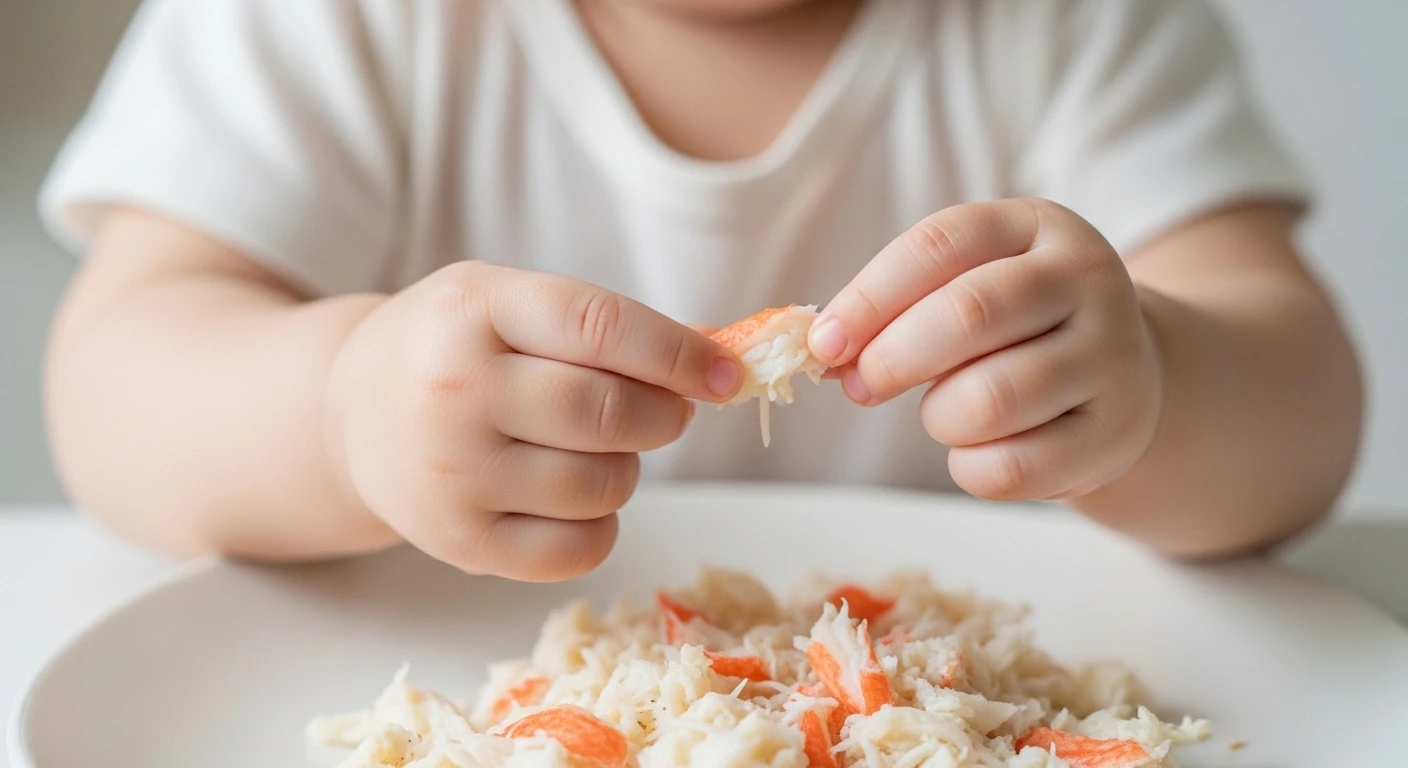
📸 Tiny bites of goodness, responsibly introduced.
1 The Bounty of the Delta: Why Crab for Baby?
Crab, particularly from regions like the Mekong Delta's fertile waters, is more than just a delicacy; it's a nutritional goldmine for growing bodies. From the sweet, lean protein of mud crabs to the delicate flesh of smaller varieties, it offers essential building blocks for your baby.
Protein Power
Essential for muscle development and overall growth. Crab meat is a complete protein source.
Minerals Galore
Rich in zinc, selenium, and important B vitamins, crucial for cognitive function and immune system support.
Omega-3 Fatty Acids
Found in various crab species, these healthy fats are vital for brain and eye development.
Lean & Low Fat
For parents concerned about fat intake, crab offers a lean protein option compared to some other meats.
Sourcing fresh crab, as is common from the coastal towns and riverine communities of Ca Mau and Bac Lieu, means a better taste and nutritional profile for your little one.
2 Timing is Everything: When is Baby Ready for Crab?
Pediatricians and health organizations worldwide generally recommend introducing common allergenic foods, including shellfish, around 6 to 12 months of age. This is when your baby's digestive system is more mature and better equipped to handle new foods.
Key Considerations:
- Digestive Maturity: Ensure your baby has already been introduced to a variety of other solid foods (like pureed vegetables, fruits, and grains) without issues. This helps establish a baseline of tolerance.
- Signs of Readiness: Your baby should be able to sit up with support, have good head control, and show interest in food. They should be able to move food from the front to the back of their mouth.
- Allergy History: If there's a strong family history of allergies (eczema, asthma, food allergies, hay fever), discuss introducing any common allergens with your pediatrician before starting.
The ideal window to introduce potential allergens is during this 6-12 month period, as current research suggests early and consistent exposure (when done safely) may help reduce the risk of developing allergies later on.
3 Cracking the Code: Safe Introduction Techniques
Introducing crab requires careful preparation to ensure it's safe for your baby. The primary concerns are choking hazards and allergic reactions.
1. Preparation for Choking Prevention
- Puree or Mash Thoroughly: For babies just starting solids, a smooth puree is safest. As they develop their chewing skills (around 8-10 months), you can offer finely mashed or shredded crab meat.
- Remove ALL Shells and Cartilage: This is non-negotiable. Even tiny pieces can pose a significant choking risk. Inspect every morsel.
- Avoid Whole or Large Pieces: Never give your baby a whole crab leg or large chunk of meat.
2. Allergen Monitoring
- Introduce One Allergen at a Time: Offer crab on its own, without mixing it with other new foods.
- Start Small: Begin with a tiny amount (1/4 to 1/2 teaspoon) of well-prepared crab.
- Wait and Observe: Wait 2-3 days before introducing another new food. Watch closely for any signs of an allergic reaction.
- Recognize Reactions: Symptoms can include hives, rash, swelling of the lips or face, vomiting, diarrhea, or difficulty breathing. If you suspect an allergic reaction, stop feeding crab immediately and contact your pediatrician or seek emergency medical care.
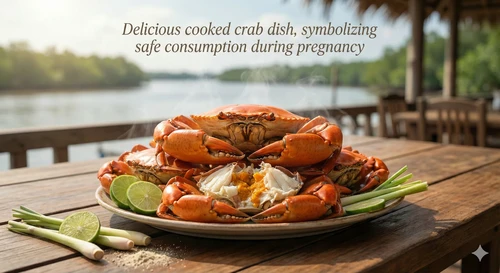
The sweet meat of a Ca Mau mud crab, when properly prepared and served, can be a fantastic, nutrient-dense addition to your baby's diet.
4 From the Waterways: Crab Culture in the Mekong Delta
The Mekong Delta, a vast network of rivers, canals, and coastal plains, is intrinsically linked to the bounty of its waters. Crab farming and fishing are not just livelihoods; they are deeply woven into the region's cultural fabric.
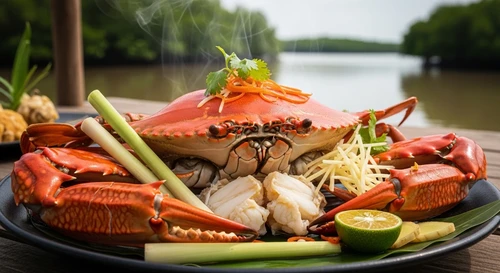
Coastal provinces like Ca Mau are renowned for their high-quality mud crabs, cultivated in mangrove forests and coastal waters. These crabs, like the Ca Mau Jumbo Mud Crab, are prized for their dense, sweet meat and are a staple in local cuisine.
Families here grow up with crab as a regular part of their diet, prepared in countless ways – from simple steaming to complex braises. Introducing these local treasures to babies is a natural extension of this heritage. While traditional baby food might focus on simpler preparations, understanding the source of the food connects us to the land and water that provide it.
The soft-shell crab, or "cua com" in Vietnamese, is a unique delicacy from this region, enjoyed for its edible shell and creamy roe. While perhaps not the first choice for a baby's initial introduction due to preparation complexity, it highlights the diverse culinary landscape of crab in the Mekong.
Heritage Ingredient
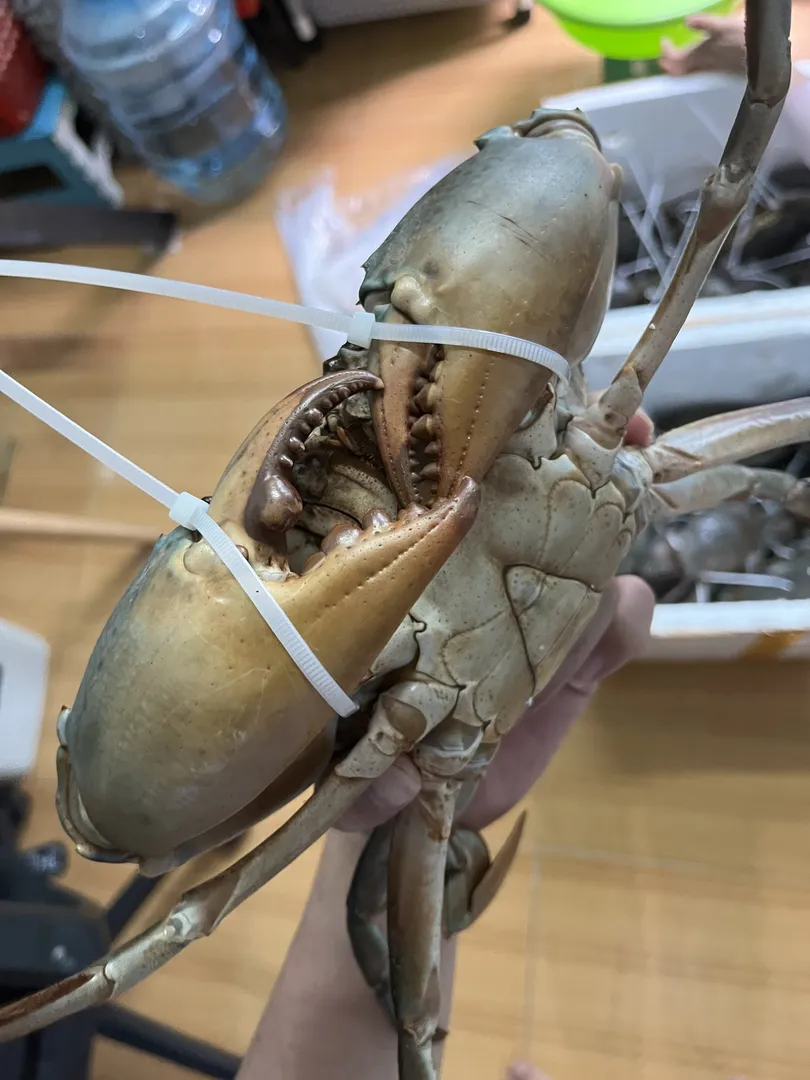
Ca Mau Jumbo Mud Crab
Ca Mau Jumbo Mud Crab
A large male mud crab prized for dense, sweet meat and thick claws, commonly used in steamed crab and grilled crab dishes across the Mekong Delta.
An icon of coastal culinary heritage, featuring firm, sweet meat that captures the raw power and freshness of Ca Mau's tides.
5 Baby's First Crab: Simple Preparations
Pureed Crab for Younger Babies (6-8 months)
- Cook the Crab: Steam or boil crab until fully cooked. This is the safest way to prepare it for babies, preserving nutrients and making meat extraction easier.
- Extract Meat: Carefully remove all meat from legs and body. Inspect meticulously for any shell fragments or cartilage.
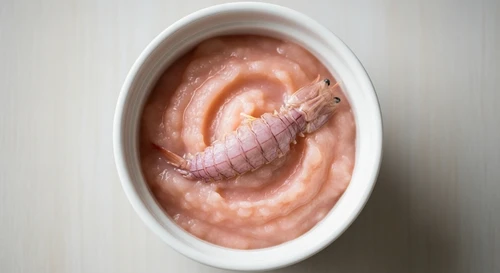
- Puree: Place a small amount of crab meat in a blender or food processor. Add a little breast milk, formula, or plain water to achieve a smooth, thin consistency.
- Serve: Offer a tiny portion (1/2 tsp to 1 tsp) and monitor for reactions over the next 2-3 days.
Mashed Crab for Older Babies (8-12 months+)
- Cook and Extract: Follow the same cooking and meat extraction steps as above.
- Mash: Using a fork, finely mash the crab meat until it has a soft, lumpy texture that is easy for your baby to manage. You can also mix it with other soft foods like avocado, sweet potato, or banana.
- Serve: Offer a slightly larger portion (1-2 tablespoons) as part of a balanced meal.
You can also consider mixing the crab puree or mash with other iron-rich baby foods, like pureed lentils or finely ground fortified infant cereal, to boost the nutritional value further.
6 Navigating Allergies: What to Watch For
Food allergies are a serious concern, and shellfish allergies are among the most common. While introducing crab, it's crucial to be vigilant.
Signs of an Allergic Reaction:
- Skin Reactions: Hives, eczema flare-ups, redness, or swelling, especially around the mouth or face.
- Digestive Issues: Vomiting, diarrhea, stomach cramps.
- Respiratory Symptoms: Coughing, wheezing, difficulty breathing, nasal congestion.
- General Symptoms: Fussiness, lethargy, pale skin.
If you notice any of these symptoms after feeding your baby crab, stop feeding it immediately and consult your pediatrician or seek emergency care. Do not try to reintroduce shellfish until cleared by a medical professional.
For families with a known history of severe allergies, genetic predisposition to allergies, or existing conditions like severe eczema, it is highly recommended to consult with an allergist or pediatrician before introducing shellfish. They may advise specific testing or a supervised introduction in a clinical setting.
7 Embracing the Flavor: Gradual Integration
Once your baby has tolerated crab without any allergic reaction, you can begin to gradually increase the amount and frequency. This is where the culinary traditions of the Mekong can inspire your baby's palate.
Consider mixing tiny, well-prepared portions of crab into other familiar foods to introduce more complex flavors:
- Crab and Sweet Potato Mash: A classic, nutritious combination.
- Crab and Avocado Puree: Offers healthy fats and a creamy texture.
- Crab in Infant Cereal: Boosts iron and protein content.
- Crab and Lentil Mix: For babies ready for slightly more textured foods.
Remember that consistency is key. Regular, safe exposure to various foods, including allergens like crab, can contribute to a more adventurous and less allergy-prone eater.
8 A Taste of Heritage, Safely Shared
Introducing your baby to new foods is an exciting journey. By following pediatrician guidelines, prioritizing safety, and understanding the potential benefits, you can confidently share the delicious and nutritious world of crab. The vibrant flavors and heritage of the Mekong Delta, embodied by its exquisite seafood, can become a cherished part of your baby's early culinary experiences.
Always consult with your pediatrician for personalized advice regarding your baby's diet and the introduction of allergens.