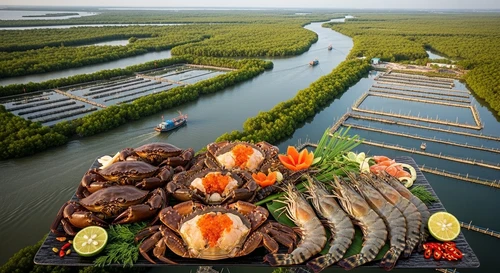
" The Mekong Delta. A vast, life-giving labyrinth of rivers, canals, and fertile soil. It's the engine room of Vietnam's aquaculture, and nowhere is this more evident than in the shrimp farms that stretch towards the horizon. For the farmers, the traders, and the communities that depend on them, every day brings a new price, a new negotiation, a new reality. "
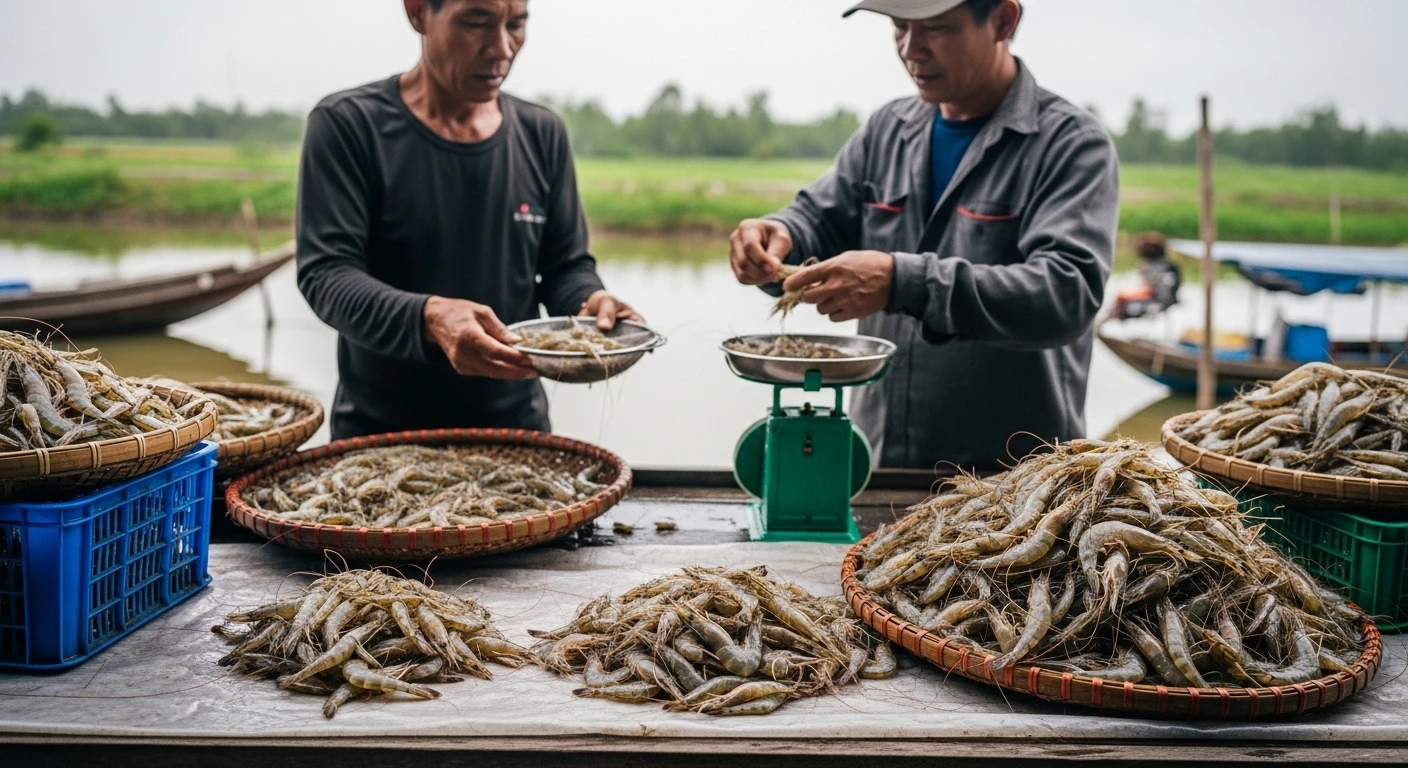
📸 Early morning harvest. The first glimpse of the day's bounty.
1 The Heartbeat of the Mekong
The Mekong Delta is not just a geographical region; it's a living, breathing ecosystem that sustains a significant portion of Vietnam's population. Aquaculture, particularly shrimp farming, forms the backbone of the economy in provinces like Soc Trang and Bac Lieu. These aren't industrial operations in the sterile, Western sense; they are often family-run ventures, deeply intertwined with the rhythm of the tides and the local community. The price fetched at the farm gate today directly impacts the livelihoods of thousands, dictating their ability to invest in feed, manage disease, and support their families.
Understanding these daily price fluctuations is crucial. It's a complex dance involving global demand, local supply, weather patterns, feed costs, and export market dictates. For farmers, it's the difference between a good season and a struggle. For traders, it's about savvy negotiation and understanding the market's direction. For anyone interested in the real economy of Vietnamese seafood, this is ground zero.
2 Sizing Up the Market
The value of shrimp isn't just about its origin; it's heavily dictated by size. The wholesale market categorizes shrimp by count per kilogram. These are the figures that matter most in the daily trade:
20-Count
These are the giants. Large, impressive shrimp, often destined for premium markets or specific export requirements. They fetch the highest prices.
30-Count
A popular commercial size, offering a good balance of yield and consumer appeal. These are the workhorses of the industry.
40-Count
Smaller, yet still significant. These are essential for various culinary applications and form a substantial part of the daily catch.
When we talk about "farm-gate prices," these counts are the language spoken. The difference between a 30-count and a 40-count can be substantial, reflecting the effort and yield involved in producing larger shrimp.
3 The Twin Pillars of Shrimp Production
Soc Trang and Bac Lieu are not just names on a map; they are synonymous with shrimp farming in Vietnam. Bordering each other along the southern coast, these provinces boast extensive mangrove systems and a long tradition of aquaculture. The brackish waters here are ideal for cultivating various shrimp species, with Black Tiger Prawns (tom su) and Whiteleg Shrimp (tom the) being the most prevalent.
Soc Trang: The Aquaculture Powerhouse
Soc Trang is renowned for its extensive shrimp farms, utilizing both intensive and extensive farming methods. The province has made significant strides in sustainable aquaculture practices, aiming to balance high yields with environmental responsibility. The daily prices here often set benchmarks for the region.
Bac Lieu: Coastal Riches
Bac Lieu, with its long coastline and rich intertidal zones, is another crucial player. It's known for a slightly different mix of farming techniques, often leveraging the natural coastal environment. The dynamics between Soc Trang and Bac Lieu prices can reveal fascinating regional trends.
When market reports pinpoint "Soc Trang & Bac Lieu updates," they are referring to the collective pulse of these two vital provinces. Traders and farmers in these areas are the first to know the day's going rate.
Today's Farm-Gate Prices
*Note: These are illustrative figures based on general market trends and typical price ranges for today's trading. Actual prices fluctuate hourly and depend on specific buyer-trader negotiations, quality, and immediate demand.*
20-Count Shrimp
~220,000 - 240,000 VND/kg
($9.50 - $10.30 USD/kg)
30-Count Shrimp
~180,000 - 195,000 VND/kg
($7.70 - $8.40 USD/kg)
40-Count Shrimp
~150,000 - 165,000 VND/kg
($6.45 - $7.10 USD/kg)
Based on approximate exchange rate of 23,200 VND to 1 USD.
5 The Tides of Trade
🚢 Export Demand & Global Markets
🌧️ Weather & Environmental Conditions
💰 Feed Costs & Disease Outbreaks
📊 Local Supply & Trader Competition
6 From the Water to Your Plate
The journey of a shrimp from the brackish waters of the Mekong Delta to a global plate is a testament to intricate supply chains and dedicated farmers. Here's a look at some of the shrimp varieties central to this trade:
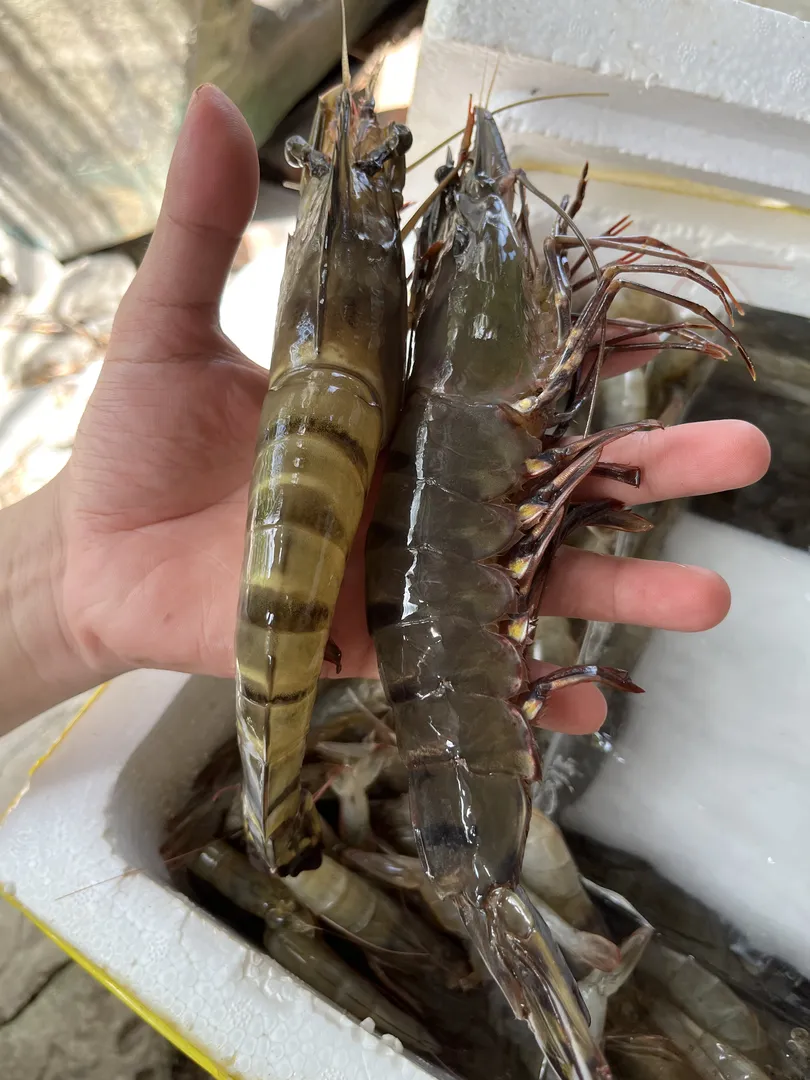
Heritage Ingredient
Ca Mau Black Tiger Shrimp
Ca Mau Black Tiger Shrimp
Large black tiger shrimp associated with mangrove aquaculture in Ca Mau, known for firm flesh and a cleaner, sweeter finish than intensively farmed shrimp.
Wild spirits of the mangroves, these black-banded gems deliver a firm, snappy texture and a sweetness that echoes the forest's vibrant life.
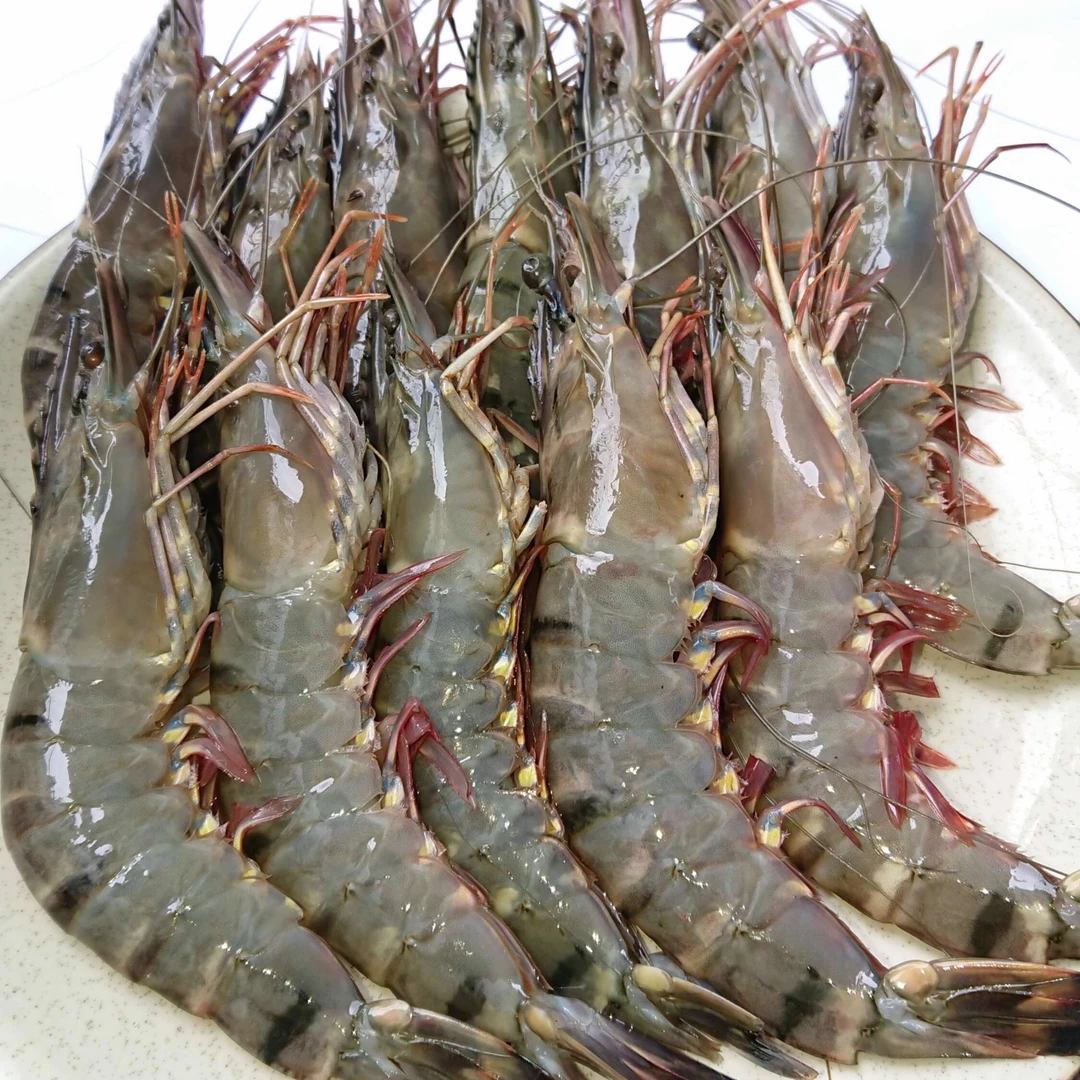
Heritage Ingredient
Whiteleg Shrimp
Whiteleg Shrimp
A widely used shrimp in Vietnamese home kitchens, suitable for stir-fries, soups, steamed dishes, and practical cooking articles that need a familiar shrimp reference.
Translucent jewels of the coast, thin-shelled and remarkably sweet, making every simple home meal feel like a seaside celebration.
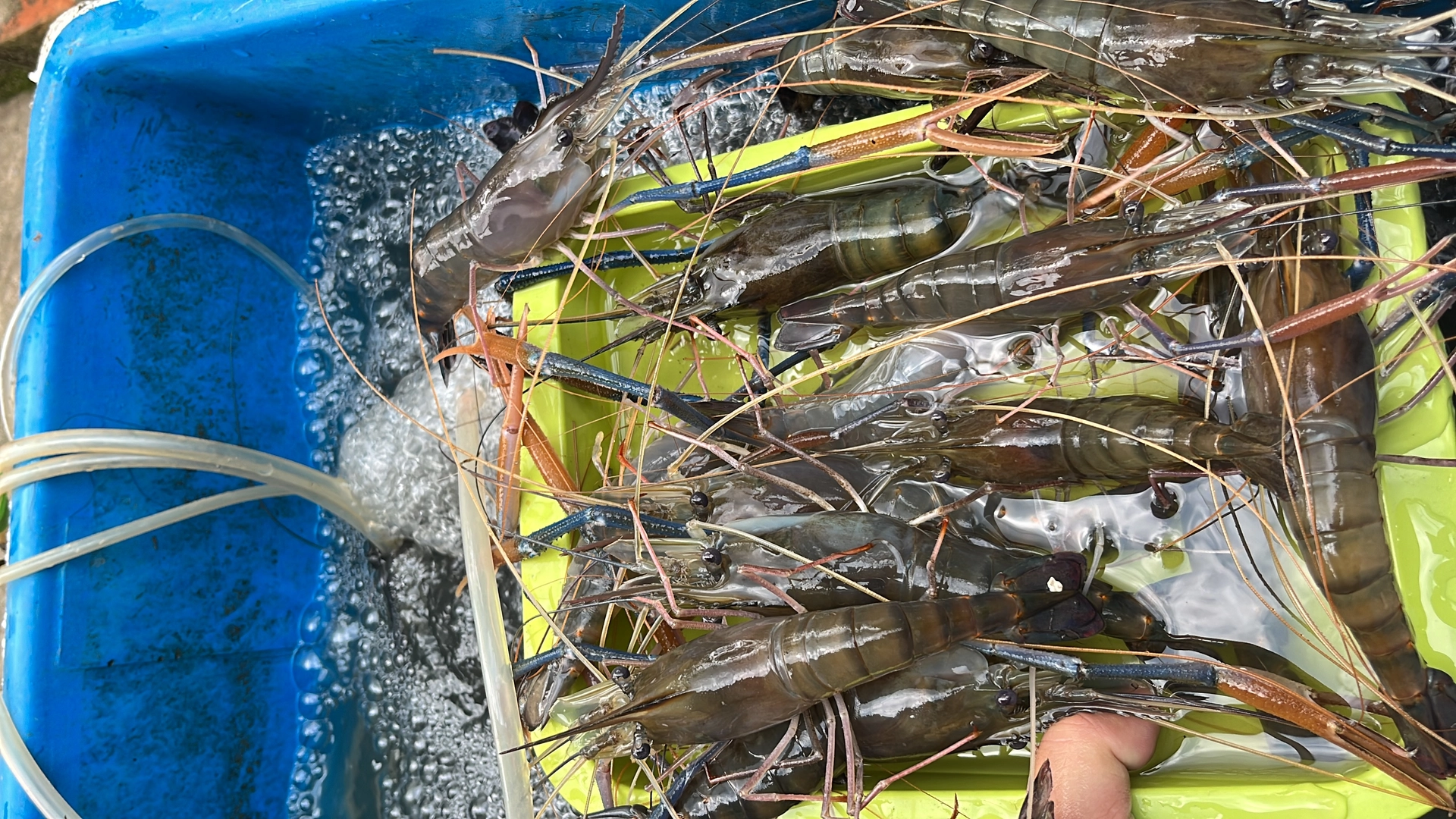
Heritage Ingredient
Mekong Giant Freshwater Prawn
Mekong Giant Freshwater Prawn
A river prawn with long blue claws and rich head fat, common in grilled prawn dishes and hotpot traditions across the Mekong basin.
Majestic blue-clawed warriors of the Mekong, famous for their rich, fatty heads and a savory depth that captures the essence of the delta's rivers.
7 Sustainability and Innovation
The Mekong Delta faces unique environmental challenges, from rising sea levels to saltwater intrusion. The shrimp industry is at the forefront of navigating these issues. There's a growing emphasis on sustainable farming practices, such as integrated mangrove-shrimp systems and eco-friendly feed alternatives. Certification schemes and traceability are becoming increasingly important for export markets, pushing farmers towards higher standards.
The ability of Soc Trang and Bac Lieu to maintain their status as shrimp powerhouses will depend on their adoption of innovative technologies, resilient farming methods, and a continued commitment to quality that meets the ever-evolving demands of the global market. The prices we track today are a snapshot of a much larger, ongoing story of adaptation and resilience.
8 The Daily Grind
The farm-gate shrimp prices in Soc Trang and Bac Lieu are more than just numbers on a ledger. They represent the daily efforts of thousands of hardworking individuals, the delicate balance of an entire ecosystem, and Vietnam's crucial role in the global seafood trade. Staying informed about these prices isn't just about economics; it's about understanding the pulse of the Mekong Delta itself.
Keep an eye on these updates. The currents of the Mekong are always moving, and so is the price of its most prized catch.