" Forget your king crabs and snow crabs. In the heart of the Mekong Delta, there's a crustacean so unique, so ephemeral, it redefines luxury. It's not just meat; it's an experience. "
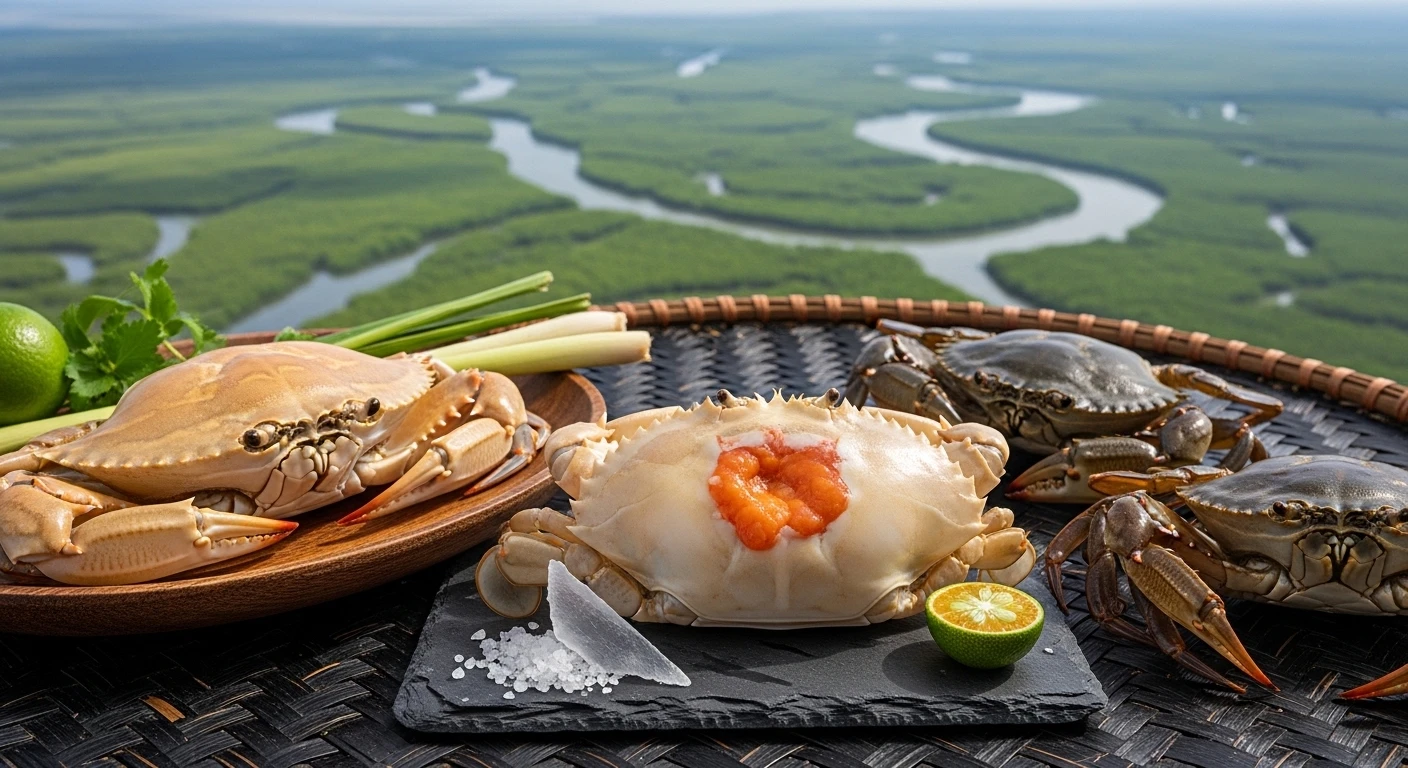
📸 The legendary Cua Com: A rare sight, a true delicacy.
1 Decoding the "Double-Skin"
The term "Cua Com" (literally "wheat crab" or "soft crab" in Vietnamese) doesn't refer to a specific breed of crab. Instead, it denotes a *stage* in the life cycle of the mud crab, primarily found in the brackish waters and mangrove forests of the Mekong Delta, particularly in provinces like Ca Mau and Bac Lieu.
These are mud crabs that are in the process of molting – shedding their old, hard exoskeleton to grow a new, larger one. During this brief, vulnerable period, the crab has shed its old shell but its new shell has not yet hardened. This results in a crab with a soft, pliable outer shell and, crucially, a tender, edible inner layer beneath.
The Molting Secret
A crab's shell is its armor. To grow, it must periodically shed this armor. This process makes the crab incredibly vulnerable, so they hide away until their new shell hardens.
The 'Com' Stage
"Cua Com" are crabs caught in that narrow window *after* the old shell is gone and *before* the new one fully hardens. The whole shell, including the inner layer, becomes edible.
This unique characteristic is what sets Cua Com apart. Imagine eating crab where the entire shell is as tender as a perfectly cooked piece of fish, offering a texture and richness rarely found in hard-shell crabs.
2 Where the Rivers Meet the Sea
The Mekong Delta, a sprawling labyrinth of rivers, canals, and mangrove forests, provides the perfect ecosystem for mud crabs to thrive. Provinces like Ca Mau, the southernmost tip of Vietnam, are famous for their extensive aquaculture and wild-caught seafood.

Fishermen here have developed generations of knowledge about crab behavior. They know the signs of molting and have honed techniques to harvest these delicate crabs without damaging them. The harvesting of Cua Com is a skilled, often time-sensitive operation, adding to its scarcity. Unlike hard-shell crabs that can be stored and transported with relative ease, Cua Com are best consumed within hours of being caught. This extreme freshness is paramount.
The environment itself plays a role. The nutrient-rich waters, influenced by tidal flows and mangrove ecosystems, contribute to the crab's exceptional flavor and texture. This isn't just about a soft shell; it's about a crab that has been nurtured by one of the world's most fertile river deltas.
3 The Price of Rarity
Scarcity and Seasonality
Cua Com are only available during specific molting periods, which can be short and unpredictable. Not every crab molts successfully or at a time when it can be caught. This makes them far less abundant than their hard-shelled counterparts.
Skilled Harvesting
Catching Cua Com requires specific knowledge and delicate handling. The fishermen must identify the right stage and retrieve the crab without causing damage. This expertise is not easily replicated and adds to the labor cost.
Extreme Freshness Requirement
As mentioned, Cua Com are highly perishable. They must be transported and prepared immediately. This logistics chain is complex and expensive, involving rapid transit from coastal areas to restaurants and markets, often by air for premium destinations.
Unparalleled Culinary Experience
The unique texture and rich, sweet flavor, combined with the edible shell, offer a dining experience that cannot be replicated by standard crabs. This gastronomic pleasure commands a premium price.
4 Eating the Unedible Shell
The true magic of Cua Com lies in how it's prepared and consumed. Because the entire crab is edible, cooking methods are typically simple, designed to highlight its inherent flavor and delicate texture.
Steaming (Hấp)
This is the most common and revered method. Steaming, often with a touch of lemongrass or ginger, allows the crab's natural sweetness and creamy richness to shine. The shell is tender enough to be chewed, releasing its succulent juices.
Pan-Frying (Rang Me)
Some chefs lightly pan-fry Cua Com with tamarind or salted egg yolk. The soft shell caramelizes slightly, adding another layer of texture and flavor, though purists often prefer the unadulterated taste of steamed crab.
When eating Cua Com, you're not just eating crab meat. You're experiencing the entire crustacean – the delicate flesh, the rich roe (if female), and the astonishingly tender shell, all infused with a creamy, almost custard-like quality. It’s a textural revelation.
Understanding Different Crab Types in the Mekong
Heritage Ingredient
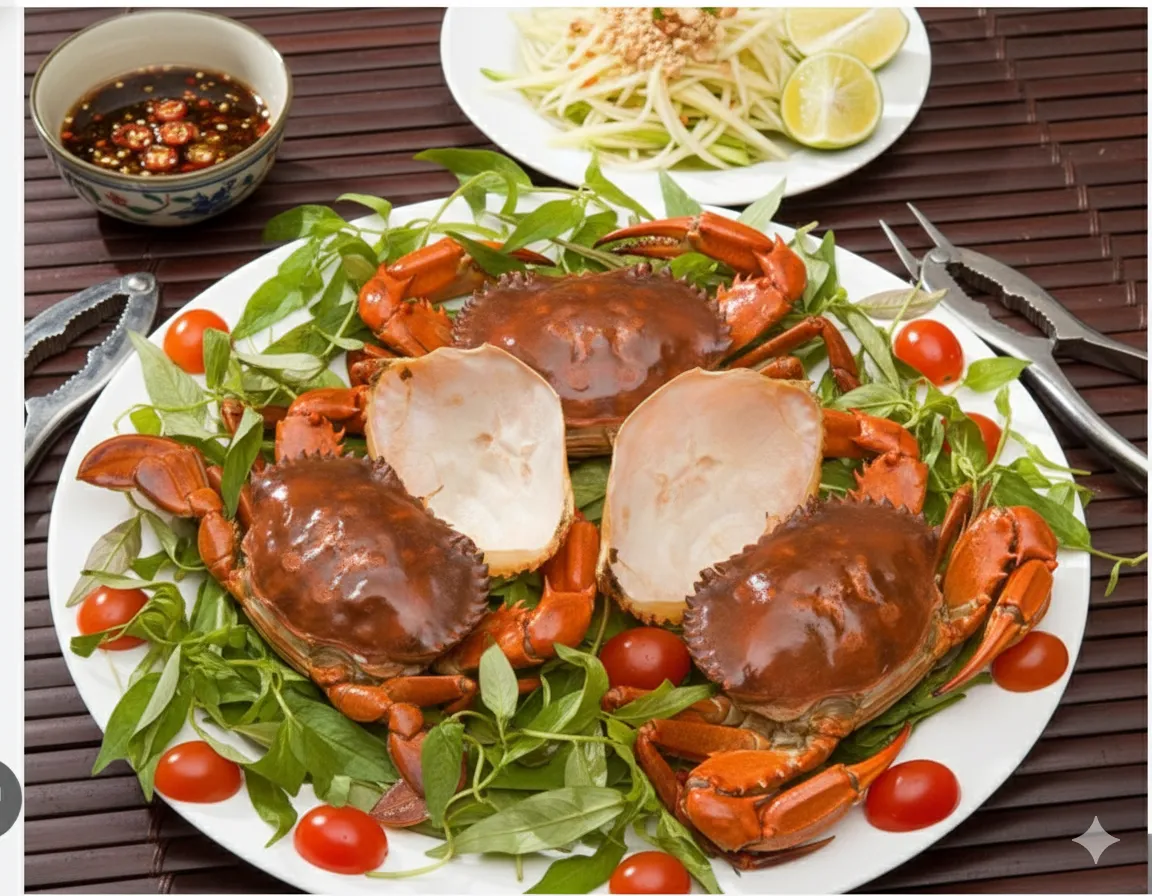
Soft-Shell Butter Crab (Molting Crab)
Soft-Shell Butter Crab (Molting Crab)
A rare molting mud crab from Ca Mau, valued for its edible soft inner shell and exceptionally creamy roe, making it the closest local equivalent to soft-shell crab concepts familiar abroad.
Nature's rare masterpiece—a delicate transition where a soft inner layer protects golden, custard-like roe in a fleeting moment of flavor.
Heritage Ingredient
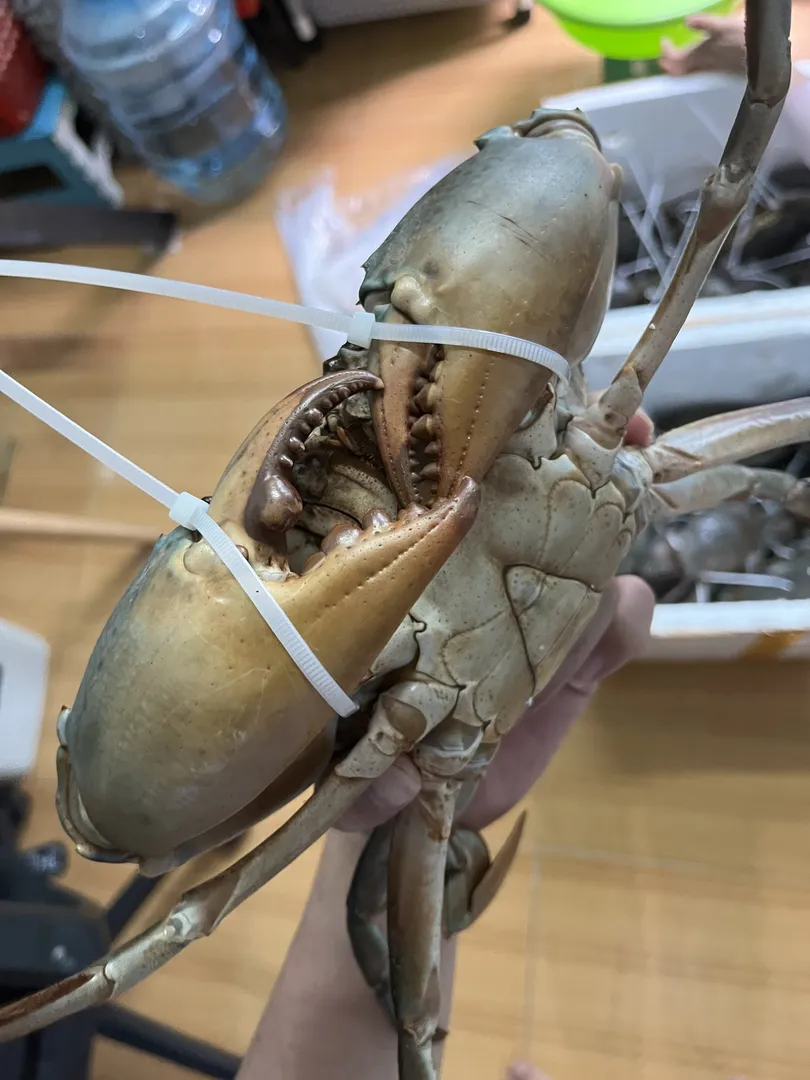
Ca Mau Jumbo Mud Crab
Ca Mau Jumbo Mud Crab
A large male mud crab prized for dense, sweet meat and thick claws, commonly used in steamed crab and grilled crab dishes across the Mekong Delta.
An icon of coastal culinary heritage, featuring firm, sweet meat that captures the raw power and freshness of Ca Mau's tides.
Heritage Ingredient
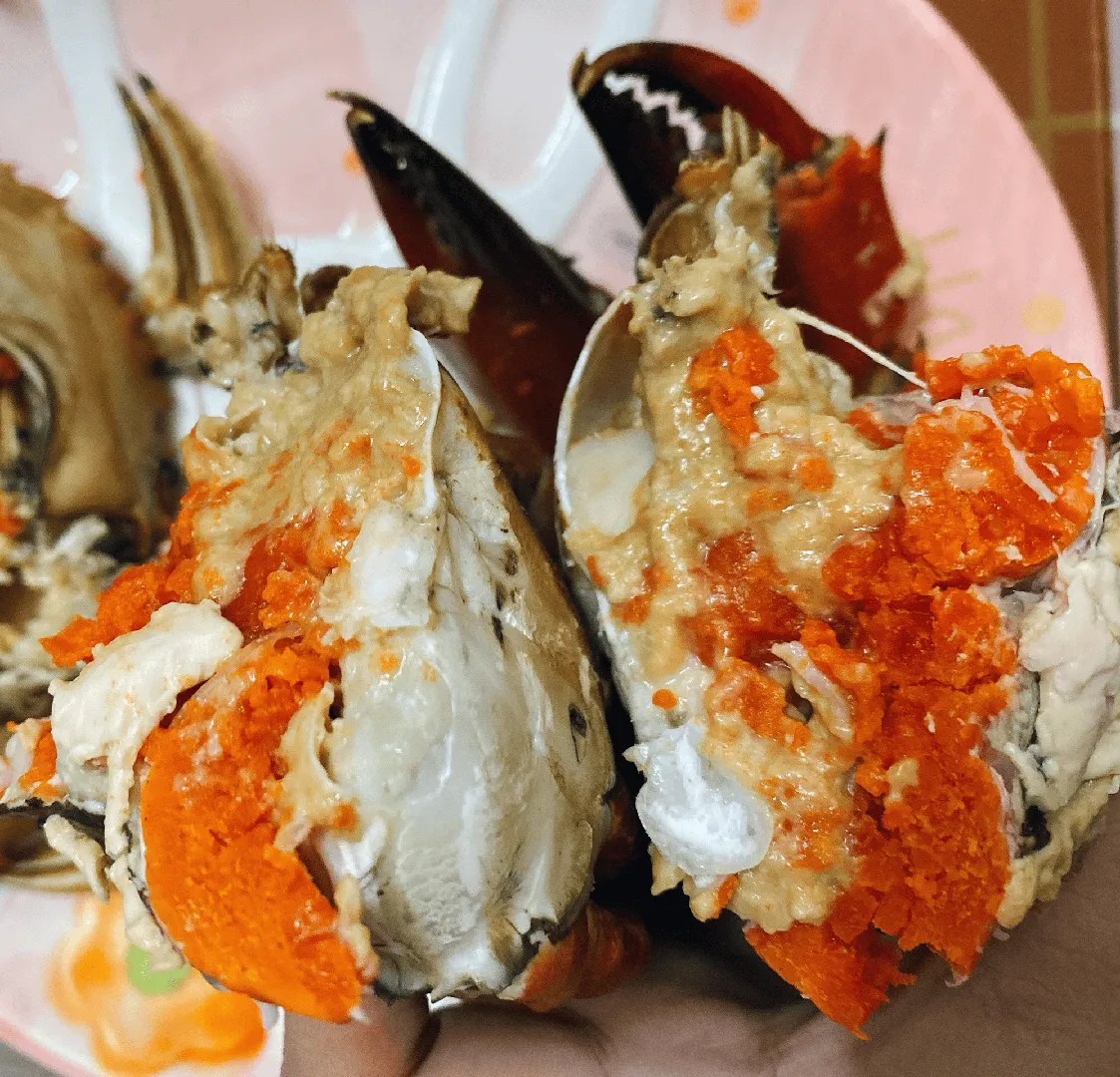
Ca Mau Roe Mud Crab
Ca Mau Roe Mud Crab
A female mud crab known for deep orange roe and a rich, creamy finish, often featured in celebratory Southern Vietnamese seafood meals.
A crimson treasure hidden within a shell, boasting rich, creamy roe that melts on your tongue like a golden sunset over the delta.
5 The Ritual of Eating
Enjoying Cua Com is an experience to be savored. It's less about speed and more about appreciation.
- Seek it out: This is not a crab you'll find everywhere. Look for reputable seafood restaurants in Vietnam, especially those specializing in Mekong Delta cuisine.
- Keep it simple: While dipping sauces are common for hard-shell crabs, Cua Com often needs nothing more than a squeeze of fresh lime and a pinch of sea salt. The natural flavor is the star.
- Embrace the texture: Don't be afraid to chew the shell. It's part of the unique appeal. Savor the contrast between the tender meat and the slightly yielding shell.
- Pair wisely: A light, crisp lager or a chilled white wine complements the crab's richness without overpowering it.
6 A Symbol of Transformation
Beyond its culinary value, Cua Com serves as a potent metaphor. The molting process is one of vulnerability, renewal, and shedding the old to make way for growth. In life, as in the delta's ecosystem, transformation often involves a period of risk and delicate emergence. This fleeting stage, ephemeral and precious, reminds us that some of the greatest treasures are born from moments of profound change.
7 More Than Just a Meal
The Cua Com is a testament to the Mekong Delta's unparalleled biodiversity and the ingenuity of its people. It’s a delicacy that speaks of tides, mangroves, skilled hands, and a deep respect for nature's cycles. When you encounter this rare crab, you're not just tasting seafood; you're tasting the very essence of the delta – its richness, its challenges, and its extraordinary bounty. It's an experience that lingers long after the last bite, a true symbol of Vietnamese culinary artistry.
More Mekong Delicacies
View More Food & Culinary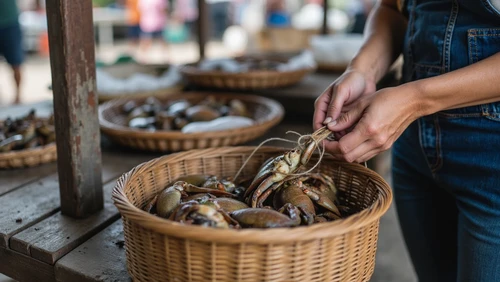
How to Avoid the 'Heavy String' Seafood Scam in Vietnam
Are you paying for crab or for wet fabric? Learn how street vendors trick tourists and how to buy 'zero-weight string' crabs.
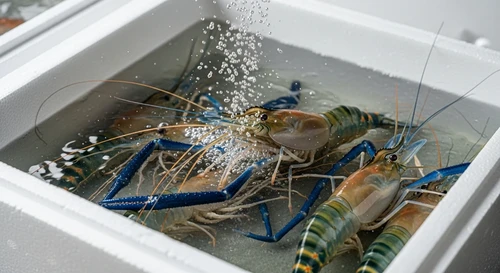
Transporting Live Giant Prawns on a 12-Hour Flight
The logistics of 'putting prawns to sleep' using thermal shock and oxygen-pumped styrofoam boxes for long-distance travel.
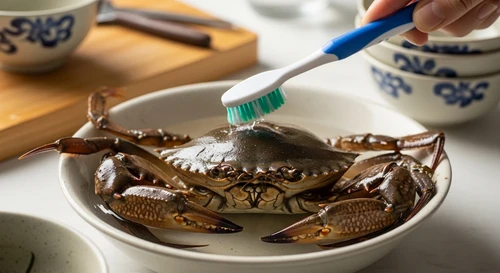
How to Properly Clean a Mud Crab Before Cooking
A step-by-step tutorial on using a toothbrush to scrub away mud and debris from the crab's shell and abdomen.
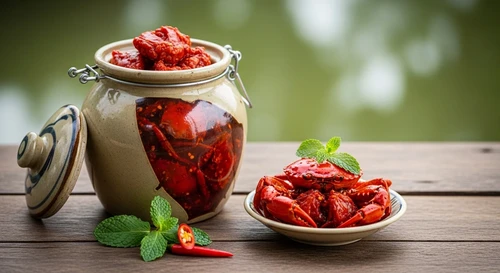
How Long Does Fermented Crab Last in the Fridge?
Proper storage techniques to ensure your jar of Mam Ba Khia doesn't over-ferment and become unpleasantly sour.
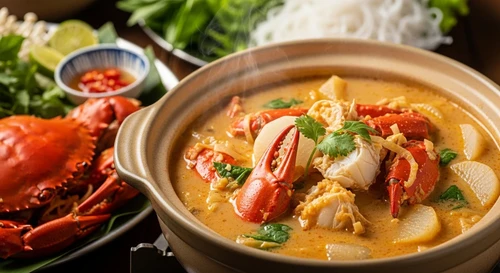
Mud Crab Hotpot with Fermented Rice Paste (Lau Cua Nau Chao)
A unique Southern Vietnamese dish using red fermented tofu to create a creamy, deeply savory hotpot broth.
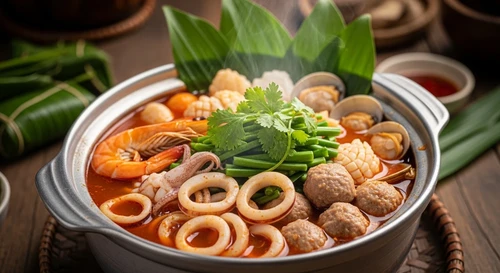
Homemade Spicy & Sour Mixed Seafood Hotpot
A high-quality hotpot base simmered from pork bones, tomatoes, pineapple, and fermented rice, loaded with squid, shrimp, clams, and beef balls.
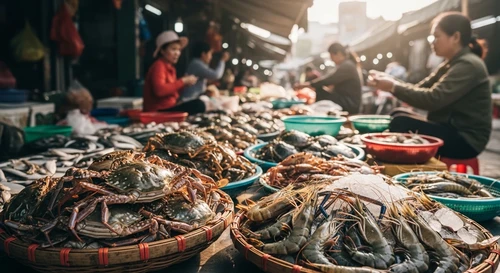
Why Vietnamese Restaurants Charge a 'Cooking Fee' for BYO Seafood
Understanding the hidden rules of Vietnamese seafood restaurants when you bring your own catch from the market.
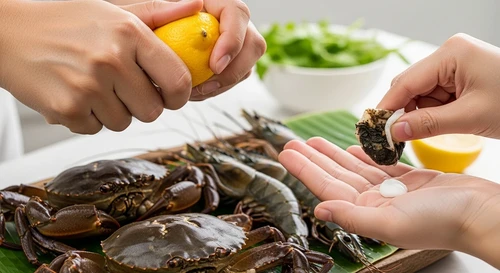
Get Rid of the 'Fishy' Smell on Your Hands in Seconds
Forget soap. Learn why rubbing your hands with lemon, used tea bags, or toothpaste neutralizes seafood odors instantly.
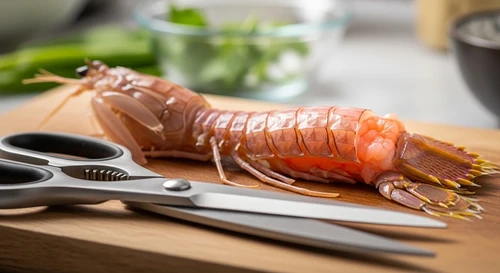
Hack to Peel Whole Mantis Shrimp Without Cutting Your Hands
Use scissors to cut off the side spines and peel the shell backward from the tail to the head, super fast like a vendor.