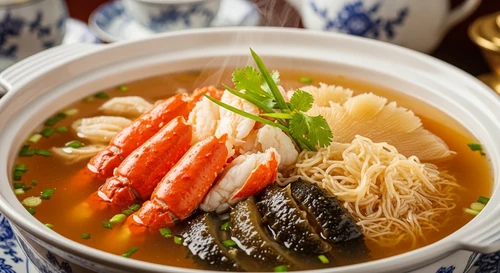
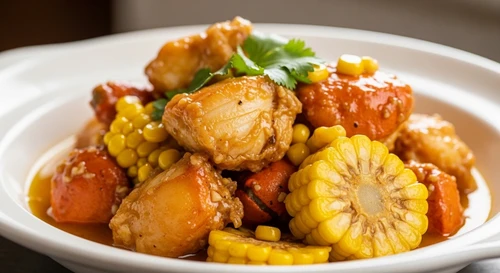
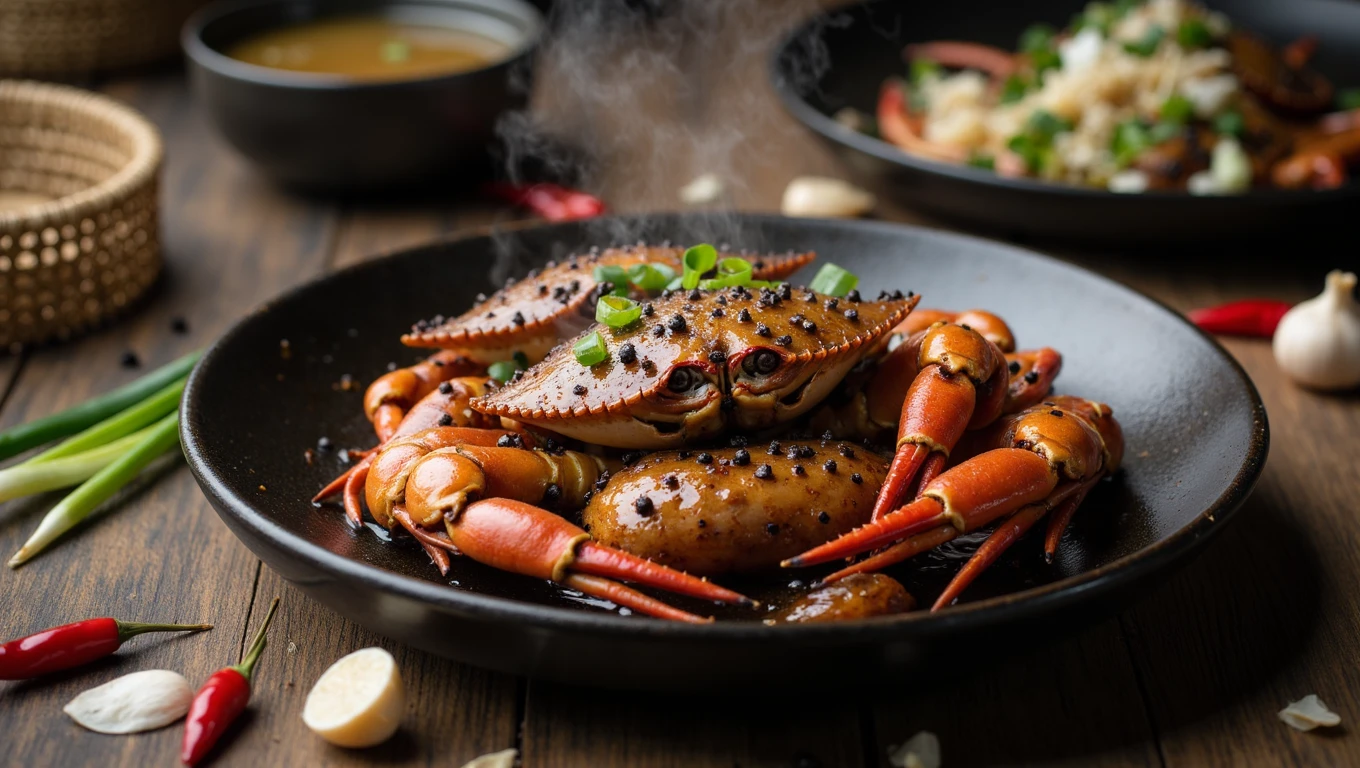
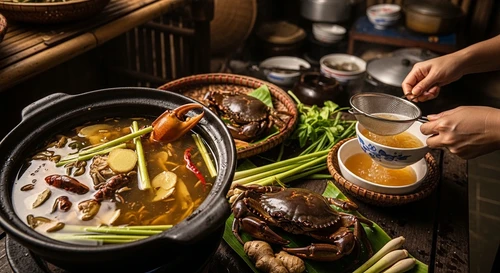
" The Mekong Delta. A labyrinth of rivers, a cradle of life. And home to some of the most revered crustaceans on Earth. But how do you get a live, prize-winning giant prawn from a remote aquaculture farm in Ca Mau to a demanding chef in Paris or Singapore, perfectly fresh, after a grueling 12-hour journey? It's not just about ice. It's about science, precision, and a deep respect for the creature itself. "
1 The Mekong's Prize: The Giant Prawn
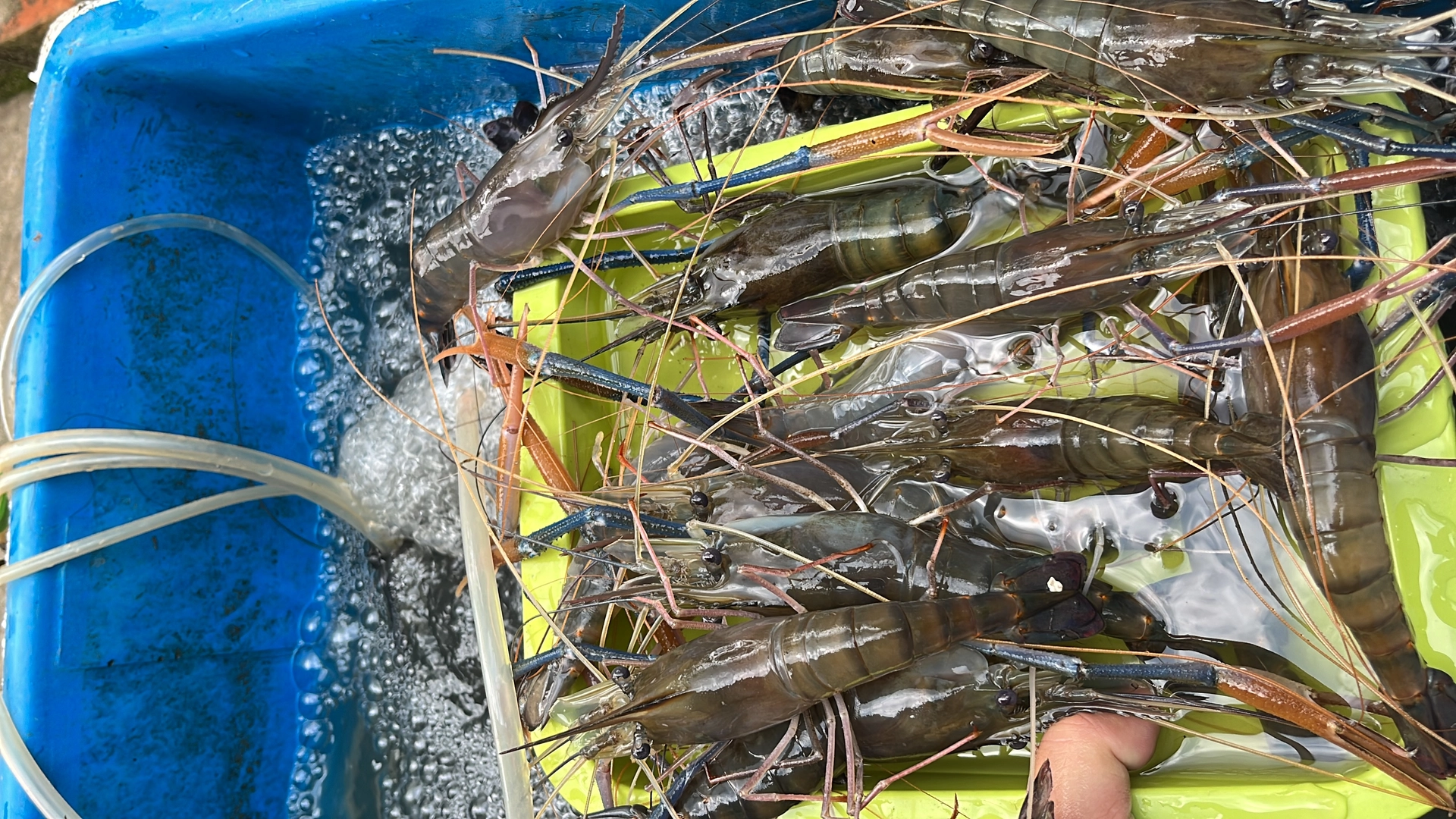
In the brackish waters and intricate mangrove systems of the Mekong Delta, particularly in provinces like Ca Mau, thrive some of the planet's most sought-after freshwater prawns. The Mekong Giant Freshwater Prawn (Macrobrachium rosenbergii), or "Tôm Càng Xanh" as it's known locally, is a symbol of the region's rich biodiversity and its robust aquaculture industry. These aren't your average shrimp; they boast impressive size, distinctive long blue claws, and a rich, sweet meat that commands a premium price.
Heritage Ingredient
Mekong Giant Freshwater Prawn
Mekong Giant Freshwater Prawn
A river prawn with long blue claws and rich head fat, common in grilled prawn dishes and hotpot traditions across the Mekong basin.
Majestic blue-clawed warriors of the Mekong, famous for their rich, fatty heads and a savory depth that captures the essence of the delta's rivers.
For chefs and gourmands worldwide, securing these prawns at peak freshness is paramount. But the journey from a muddy pond to a high-end restaurant often involves vast distances and significant time. This is where the complex logistics of live seafood transport come into play, turning a simple catch into an international diplomatic mission for crustaceans.
2 The Gauntlet: 12 Hours of Transit
A 12-hour flight isn't just a long haul; it's a high-stakes survival mission for live prawns. They are sensitive to changes in temperature, water quality, and oxygen levels. Once removed from their natural habitat, their environment becomes precarious. Traditional methods like chilling on ice, while effective for short distances or immediate consumption, are wholly inadequate for intercontinental travel. The goal is not to preserve them in a dormant state but to maintain their vitality, ensuring they arrive not just dead but alive and, ideally, still active.
Temperature Control
Drastic temperature fluctuations are lethal. Maintaining a consistently cool, but not freezing, environment is critical.
Oxygen Saturation
The water needs to be a hyperbaric chamber of life, with dissolved oxygen levels far exceeding normal requirements.
This is where specialized packing techniques come into play, blending old-world ingenuity with modern biotechnology.
3 The Art of the 'Nap': Thermal Shock
The key to long-distance live seafood transport isn't killing them, but inducing a state of torpor – a deep, reversible sleep. This is primarily achieved through controlled thermal shock. It's a delicate balance: the prawns are briefly exposed to a rapid drop in temperature, usually via an ice-water slurry or chilled water. This significantly slows down their metabolic rate, reducing oxygen consumption and stress.

📸 Preparing for slumber: Prawns are cooled to slow their metabolism.
This isn't a haphazard dunking. The duration and temperature of the shock are precisely calibrated. Too short, and the prawns remain active and stressed. Too long, or too cold, and the shock becomes irreversible, leading to mortality. It’s a calculated risk, a gentle coaxing into a state where they can endure the journey without burning through their vital reserves.
4 The Life Support System: Styrofoam Havens
Once in their pre-flight slumber, the prawns are carefully transferred into specialized shipping containers. The workhorse here is the ubiquitous styrofoam box. Why styrofoam? Its excellent insulation properties are unmatched in maintaining a stable temperature, buffering against the fluctuating conditions outside.
But a styrofoam box is just the shell. The real magic happens inside:
Insulation
Thick-walled styrofoam boxes minimize heat exchange with the external environment, keeping the internal temperature constant.
Moisture Control
The boxes are lined to prevent water leakage while ensuring the prawns remain in a humid, moist environment that mimics their natural state.
Crucially, these boxes are equipped with oxygen pumps. These small, battery-operated devices constantly bubble oxygen into the water, ensuring a high dissolved oxygen content. This is the lifeline. Without it, even in a cool environment, the prawns would suffocate long before reaching their destination. The water is carefully measured and treated, often with salts or other conditioners, to create the optimal aquatic environment for transit.
5 The Logistics on the Ground
The process doesn't end with the styrofoam box. It starts long before, at the source. Skilled workers, often from local communities who have a deep understanding of the Mekong's aquaculture, are the unsung heroes. Their techniques, honed over years, are vital:
The Process:
- Selection: Only the healthiest, most robust prawns are chosen. Any signs of weakness or injury disqualify them.
- Acclimatization: Prawns are held in tanks to recover from initial capture and adjust to controlled water conditions.
- Thermal Shock Application: The controlled cooling process begins, often in chilled, aerated tanks.
- Packing: Prawns are carefully placed into the prepared, oxygenated styrofoam boxes, ensuring they are not overcrowded.
- Sealing: Boxes are securely sealed, with the oxygen pump running continuously.
- Logistics Coordination: Boxes are transported rapidly to the airport, often in refrigerated vehicles, to minimize time spent outside controlled conditions.
The kitchen, or rather the processing facility, plays a critical role here. It's not just a place for cooking; it's a hub for preparation, quality control, and the meticulous packing that ensures the product's integrity. The skill involved transcends simple cooking; it's about understanding the biology and physics of keeping living creatures viable for an extended period.
6 A Delta-Wide Ethos of Freshness
While giant prawns are a prime example, this commitment to freshness and live transport is woven into the fabric of the Mekong Delta's food culture. From the bustling floating markets of Can Tho, where vendors sell live fish and shrimp directly from their boats, to the intricate mangrove crab farms of Ca Mau, the emphasis is always on presenting the freshest possible product.
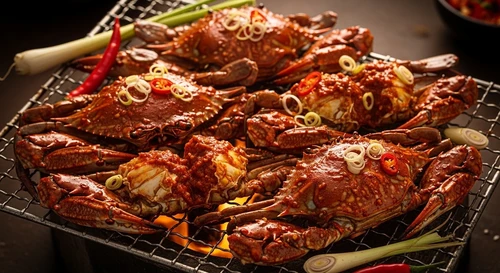
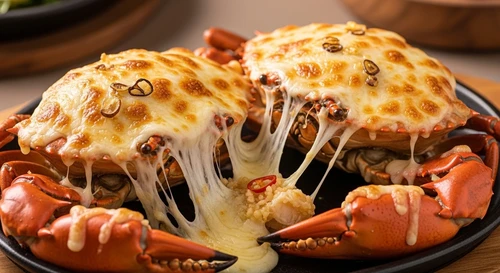
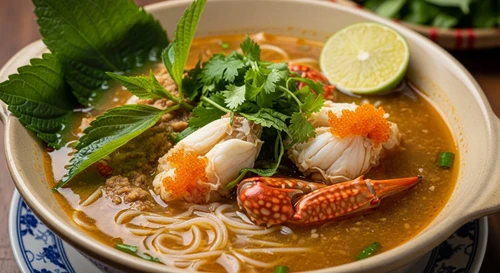
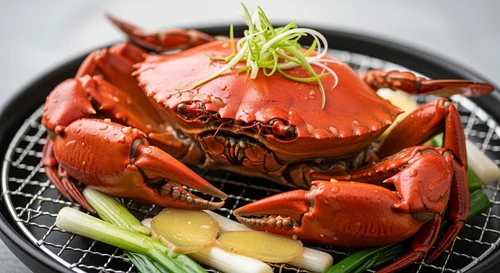
Think of the prized Ca Mau Mud Crab, whether it's the meaty varieties prized for their dense flesh, or the roe-laden females with their vibrant orange eggs. These too, are often transported live, employing similar principles of controlled environments and careful handling to maintain their quality. The ability to move live seafood efficiently is what allows the delta's culinary treasures to reach tables across Vietnam and the globe, supporting a vital export economy and showcasing the region's unparalleled seafood.
7 The Moment of Truth
After hours of carefully managed transit, the boxes arrive at their destination. The moment of truth is when the lids are opened. Ideally, the prawns should be lively, perhaps a bit sluggish from their induced sleep, but certainly alive and responsive. This is the ultimate test of the packing process. If they are not alive, the entire effort, and the product's value, is lost.
A successful arrival means a chef can receive these prawns and prepare them at their peak. Whether it's a simple grilled preparation that highlights the natural sweetness, a complex hotpot, or a delicate steamed dish, the journey ensures that the vibrant flavors and textures, so characteristic of Mekong Delta seafood, are preserved. It's a testament to the meticulous planning and execution that goes into bringing the finest ingredients from remote corners of the world to discerning palates.
8 Echoes in Global Logistics
The methods employed in the Mekong Delta for live prawn transport, though perhaps developed out of necessity, offer valuable lessons for the broader global logistics of live food products. The integration of biological understanding (thermal shock, oxygen needs) with material science (styrofoam insulation) and precise operational procedures (rapid transport, temperature monitoring) is a model that can be adapted for various high-value, perishable goods.
It highlights how traditional knowledge, combined with modern technology, can solve complex supply chain challenges. The success of these long-haul live seafood shipments is not just about business; it's about respecting the natural bounty of regions like the Mekong Delta and ensuring that its treasures can be shared with the world, not as a memory of what once was, but as a vibrant, living delicacy.