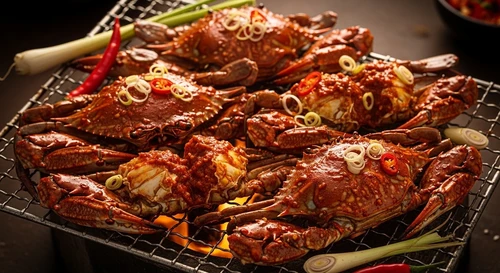
" Down here, where the rivers are lifeblood and the mangroves teem, nothing is wasted. The humble kitchen is an alchemist's laboratory, turning byproducts into pure gold. Especially when it comes to seafood, the bounty of these waters. "
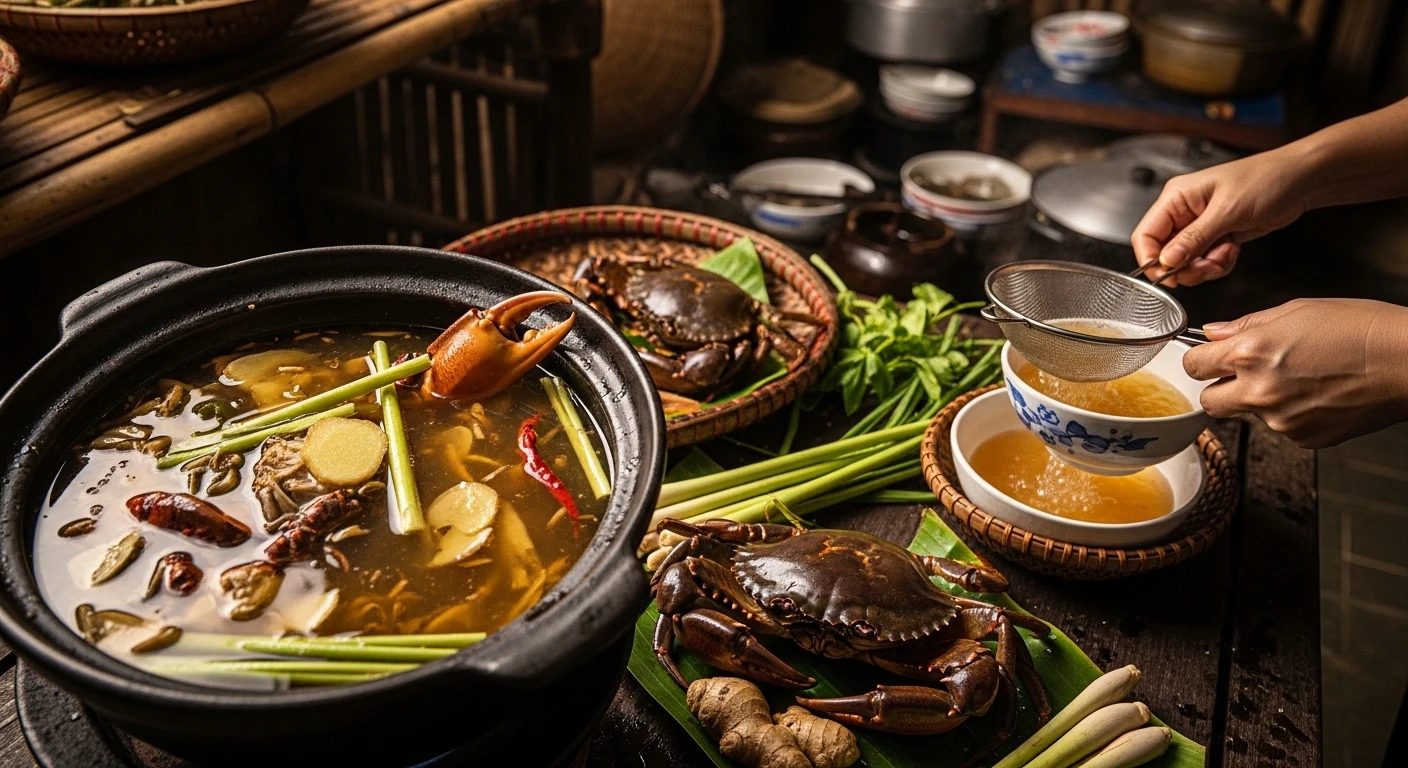
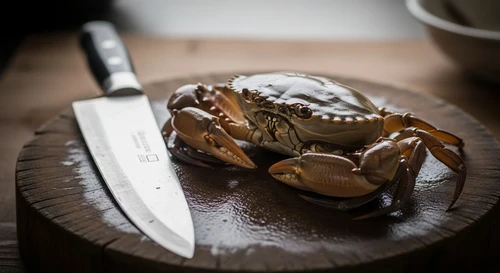
📸 The heart of the matter: The concentrated essence of mud crab.
1 The Mekong's Whisper: Waste Not, Want Not
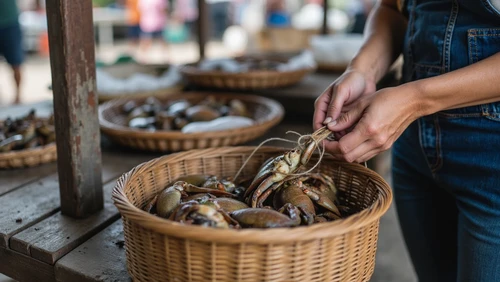
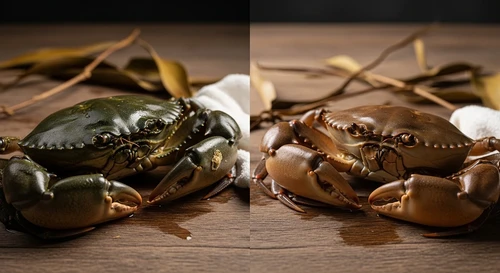
In the labyrinthine waterways of the Mekong Delta, from the bustling floating markets of Can Tho to the rugged coastlines of Ca Mau, resources are revered. The crab fishermen who haul their catches from brackish waters know the value of every single creature. When a plump Ca Mau Jumbo Mud Crab or a coveted Ca Mau Roe Mud Crab is boiled, the resulting liquid is more than just salty water. It's imbued with the very soul of the crab: its oceanic brine, its sweet flesh, its delicate roe.
For generations, the question has echoed in humble kitchens: "Can this flavorful broth be the start of something new?" This isn't just about being thrifty; it's about respecting the ingredients and understanding the depth of flavor that the land and rivers generously provide. It's about culinary alchemy.
2 The Salinity Debate: A Delicate Balance
The immediate concern is obvious: salt. Crab water, by its nature, will be briny. The sea's kiss is essential to crab flavor, but too much can overwhelm. However, the saltiness isn't a simple one-to-one ratio of water to pure sodium chloride. It's a complex symphony of minerals, sugars, and proteins extracted from the crab itself.
The Natural Brine
The water becomes salty from the crab's natural environment and body fluids. This is the foundation of its oceanic character.
Flavor vs. Over-Salting
The key is dilution and balance. Boiled crab water is often diluted by the steaming process itself, especially if the crab was steamed in a shallow amount of liquid. The saltiness is a starting point, not the final destination.
Think of it like a concentrated stock. You wouldn't drink beef stock straight from the pot, but it's the foundation of a magnificent stew. Crab water is the same – a potent flavor base that requires intelligent manipulation.
3 The Zero-Waste Ethos: A Mekong Tradition
The concept of "zero waste" isn't a trendy buzzword in the Mekong Delta; it's a way of life, a necessity born from a deep respect for nature's provisions. Every part of the crab, from the hard shell to the murky boiling liquid, holds potential.
Shells for Stock
Even the shells, once cracked and boiled, can yield a lighter, mineral-rich stock. Some locals even dry and grind them into a flour!
Roe for Richness
If you've boiled a roe crab like the exquisite Ca Mau Roe Mud Crab, the orange roe imparts an incredible creaminess and depth to broths.
Embracing the leftover crab water is a natural extension of this philosophy. It's about maximizing flavor, minimizing waste, and honoring the full contribution of each ingredient.
4 The Verdict: A Resounding YES!
So, can you use crab boiling water for soup? Absolutely. But there are a few tricks to unlock its full potential and avoid a salty disaster.
Strain and Assess
First, strain the liquid through a fine-mesh sieve to remove any small shell fragments or impurities. Let it cool slightly and taste it. If it's intensely salty, you'll need more water. If it's mildly briny, you're golden.
Dilute Wisely
Add fresh water or a milder stock (like vegetable or chicken stock) to achieve the desired saltiness. A 1:1 or 2:1 ratio of fresh liquid to crab water is a good starting point.
Build Your Flavor Profile
This diluted crab broth is now your flavor canvas. Add aromatics like ginger, garlic, scallions, and your chosen soup ingredients – rice noodles, vegetables, or more seafood.
5 Mekong Soup Classics: A Broth's Dream
The subtle, sweet salinity of crab broth is perfect for many regional specialties. Imagine a fragrant bowl of:
Bún Riêu Cua
A tomato-based crab noodle soup, where the crab essence is paramount. Using crab boiling water as a base amplifies the authentic flavor beautifully.
Canh Chua Cá (with crab essence)
Though traditionally fish-based, a hint of crab broth can add an unexpected layer of depth to this sweet and sour fish soup, especially if you've used a large mud crab.
Mì Tôm Thanyuan
A simple shrimp noodle soup. Adding a splash of crab water before the shrimp is added can elevate it into something truly special.
Vegetable Noodle Soups
Even simpler soups benefit from this umami-rich foundation, adding a sophisticated seafood note without overpowering delicate vegetables.
Chef's Secrets from the Delta 🤫
These aren't just kitchen hacks; they're time-tested wisdom passed down through generations.
1. The Roasting Trick
For an even deeper flavor, lightly roast crab shells or even whole (cleaned) crabs before boiling. This caramelizes natural sugars, adding complexity to the water.
2. Aromatic Infusion
Boil the crabs with aromatics like lemongrass, ginger, star anise, or a bay leaf. These flavors will infuse the water, creating a more nuanced base.
3. Chill and Degrease
After straining, chilling the crab water in the refrigerator overnight allows the fat to solidify and rise to the top, making it easy to skim off for a cleaner broth.
Kitchen Myths vs. Mekong Reality
🤔 Myth: Crab water is ONLY salty.
❌ Myth: You can't control the saltiness.
🚫 Myth: It's only good for seafood soups.
6 Practical Magic: Simple Crab Broth Soup
Ingredients:
- 2 cups strained crab boiling water
- 2 cups fresh water or mild stock
- 1 tbsp neutral oil (like vegetable or rice bran oil)
- 2 cloves garlic, minced
- 1-inch piece ginger, julienned
- 1 stalk lemongrass, smashed and bruised
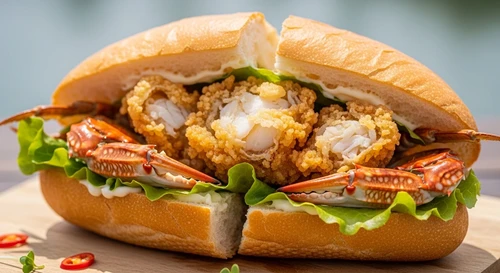
- 100g Soft-Shell Butter Crab (Molting Crab) (or other shrimp/seafood), peeled and deveined
- 50g mushrooms (shiitake or oyster), sliced
- A handful of leafy greens (bok choy, spinach)
- Salt and pepper to taste
- Fresh cilantro and scallions for garnish
Instructions:
- In a pot, heat the oil over medium heat. Sauté garlic and ginger until fragrant.
- Add the smashed lemongrass and stir for 30 seconds.
- Pour in the strained crab water and fresh water/stock. Bring to a simmer. Season with salt and pepper, adjusting for your preference.
- Add mushrooms and cook for 2-3 minutes.
- Add the shrimp/crab meat and cook until just opaque (about 2-3 minutes).
- Add the leafy greens and cook until wilted.
- Ladle into bowls, garnish with cilantro and scallions. Serve hot.
Craving More Crab Adventures?
From steaming to stir-frying, the crab from Ca Mau offers endless culinary possibilities.
🔥 Discover Crab in Coconut Water