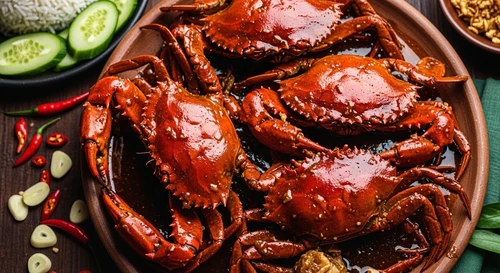
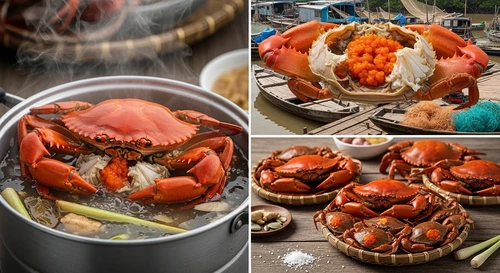
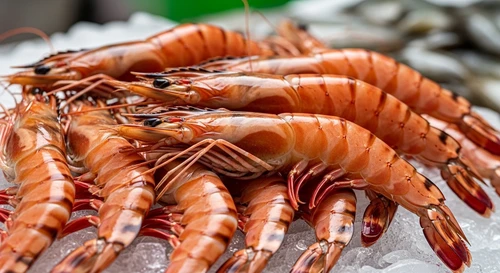
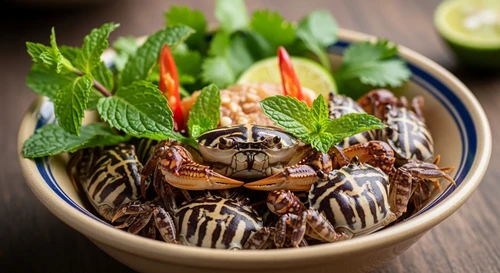
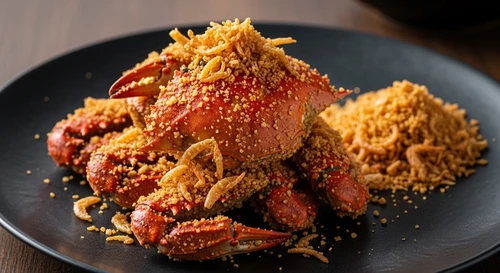
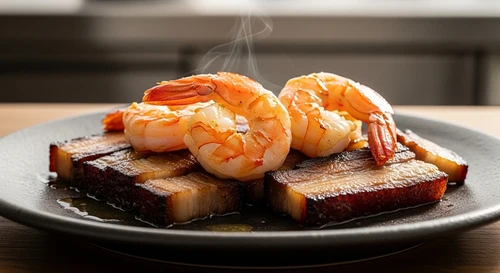
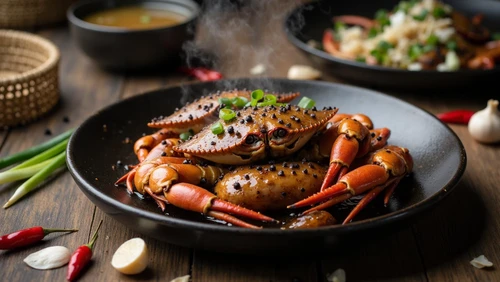
" The air hangs thick with the scent of brine and possibility. In the labyrinthine markets of Ca Mau or along the bustling riverbanks of Can Tho, the promise of succulent crab and plump shrimp is as old as the Mekong itself. But a shadow lurks beneath the shimmering scales: the ubiquitous 'heavy string' scam. "
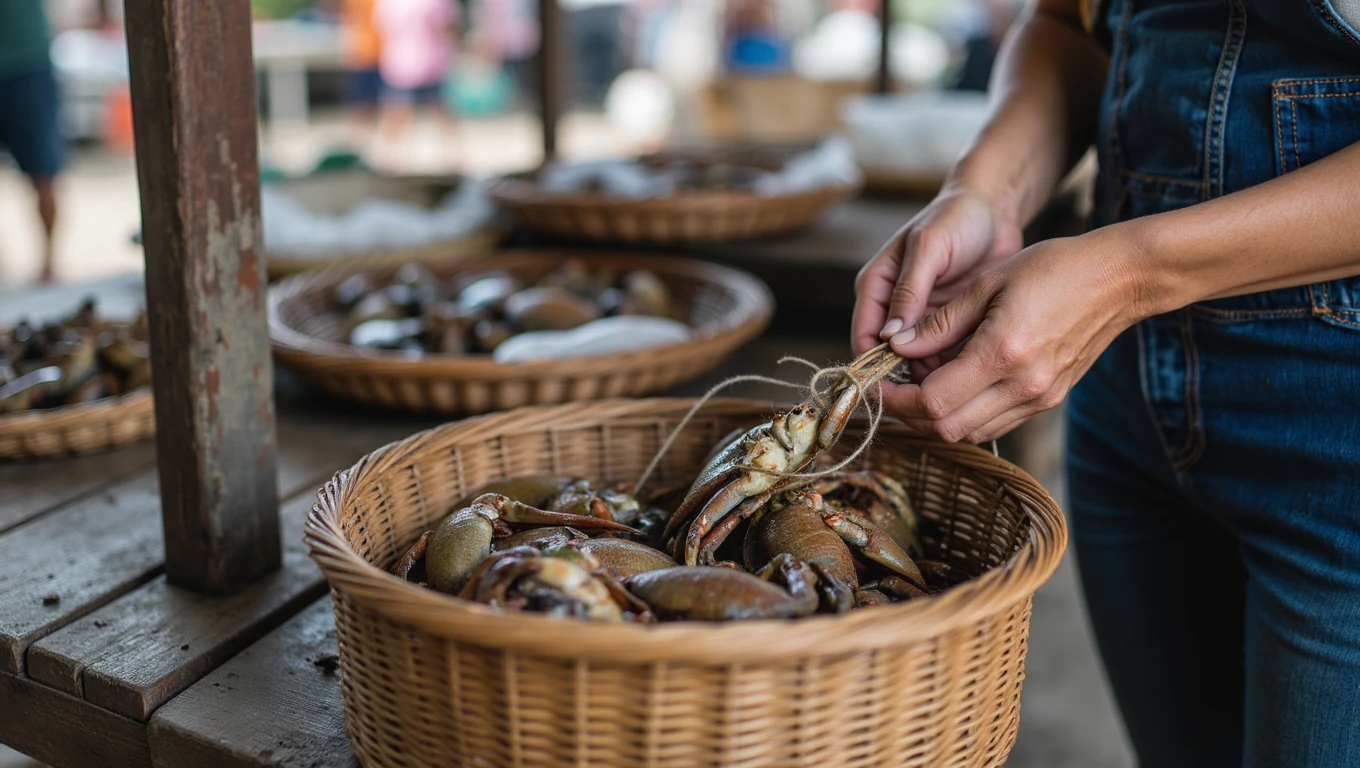
📸 The visual language of the market: discerning eyes are your best tools.
1 The River's Promise: A Taste of the Delta
The Mekong Delta, a sprawling network of rivers, canals, and fertile plains, is Vietnam's rice bowl and its seafood heartland. From the brackish waters of Ca Mau to the freshwater channels near Can Tho, life here is intrinsically linked to the rhythm of the tides and the abundance they bring. This is where you find some of the world's most prized crustaceans, each with its own distinct character:
Mud Crab (Cua)
The king of the delta. Prized for its sweet, firm meat, especially in varieties like the Jumbo Meat Crab or the roe-rich Red Roe Crab.
Heritage Ingredient
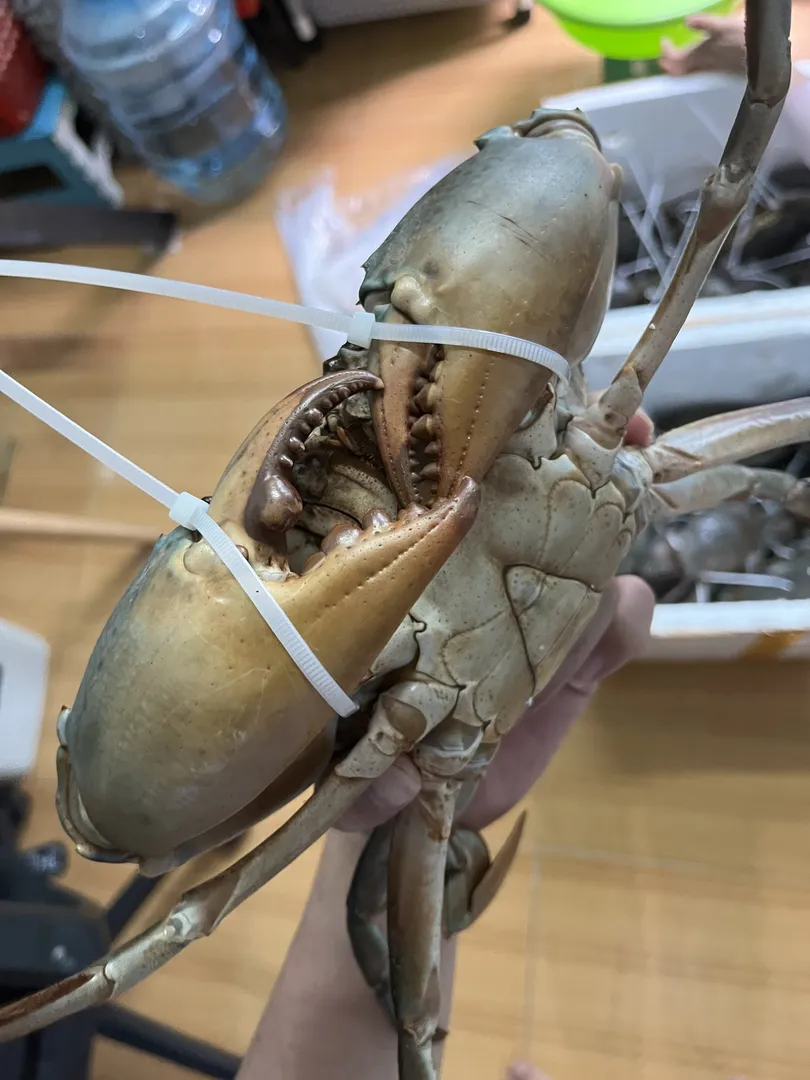
Ca Mau Jumbo Mud Crab
Ca Mau Jumbo Mud Crab
A large male mud crab prized for dense, sweet meat and thick claws, commonly used in steamed crab and grilled crab dishes across the Mekong Delta.
An icon of coastal culinary heritage, featuring firm, sweet meat that captures the raw power and freshness of Ca Mau's tides.
Tiger Shrimp (Tom Su)
Farm-raised in mangrove forests, these shrimp have a satisfying chew and natural sweetness, a testament to their pristine diet.
Heritage Ingredient
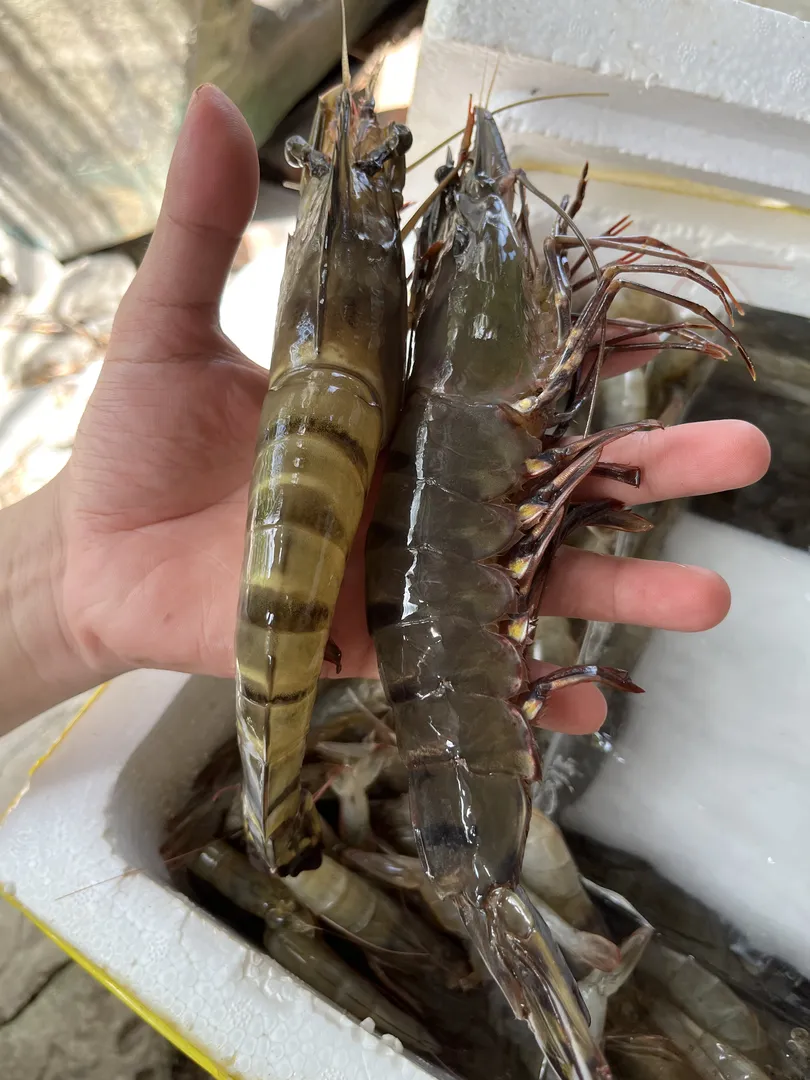
Ca Mau Black Tiger Shrimp
Ca Mau Black Tiger Shrimp
Large black tiger shrimp associated with mangrove aquaculture in Ca Mau, known for firm flesh and a cleaner, sweeter finish than intensively farmed shrimp.
Wild spirits of the mangroves, these black-banded gems deliver a firm, snappy texture and a sweetness that echoes the forest's vibrant life.
Fermented Crab (Ba Khia)
A unique, intensely flavorful delicacy from the swamps, a true taste of traditional delta life.
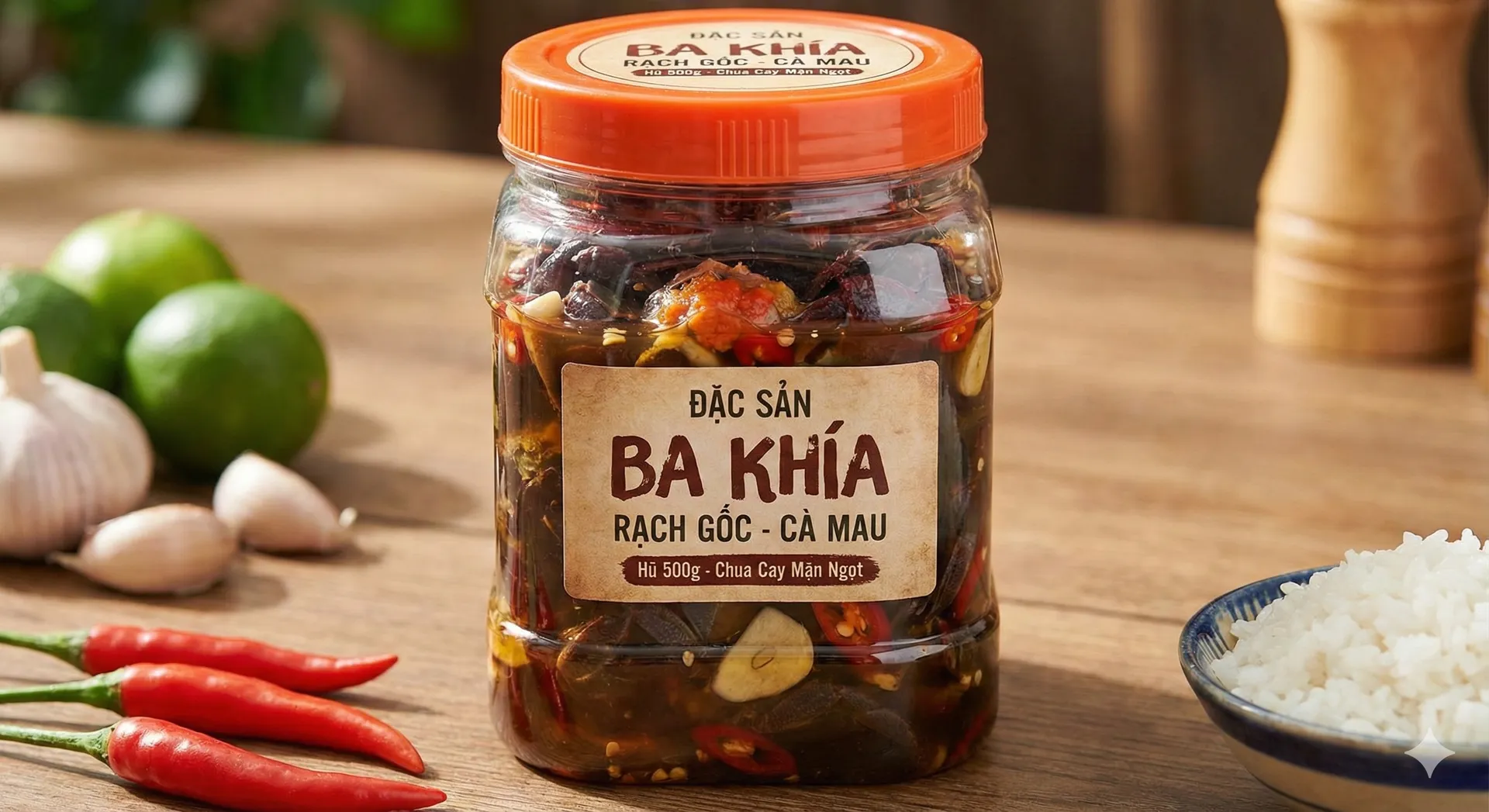
Heritage Ingredient
Fermented Mangrove Crab (Ba Khia)
Fermented Mangrove Crab (Ba Khia)
A traditional fermented crab specialty from the mangrove region of Rach Goc, often cited in articles about rustic Mekong Delta flavors and preserved seafood culture.
The salty-sour heartbeat of the wild south, where traditional fermentation turns forest crabs into a nostalgic explosion of rustic Mekong soul.
2 The 'Heavy String' Deception: More Weight, Less Crab
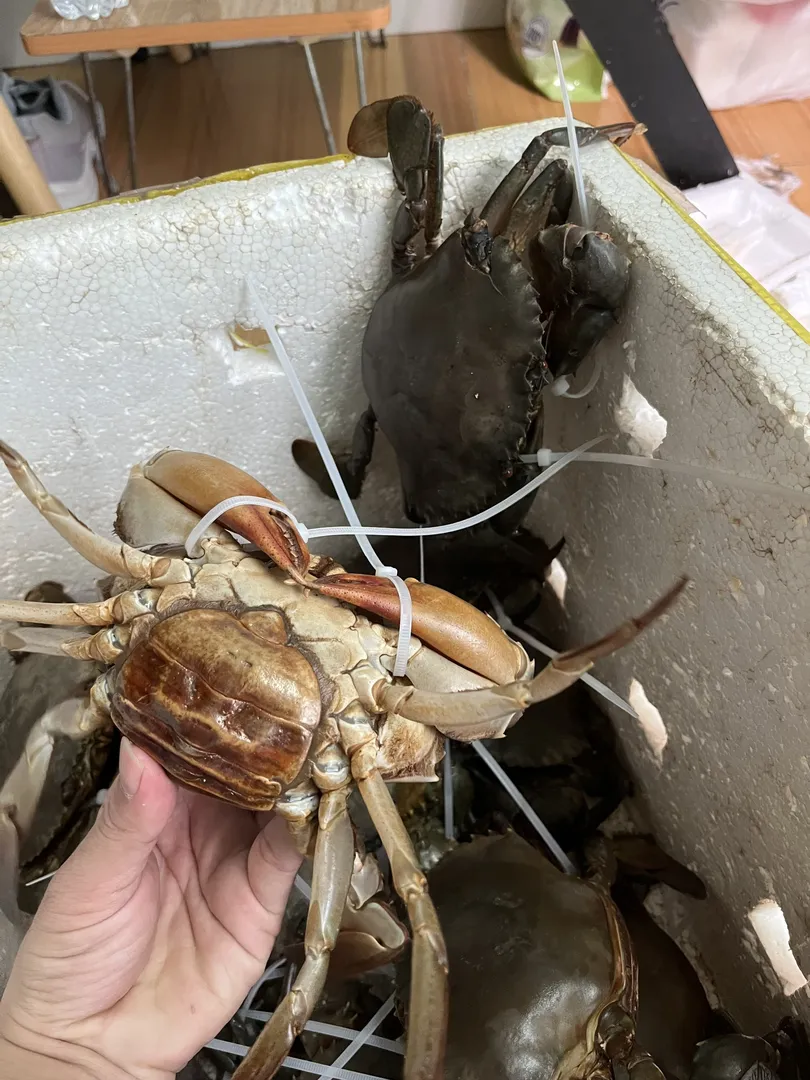
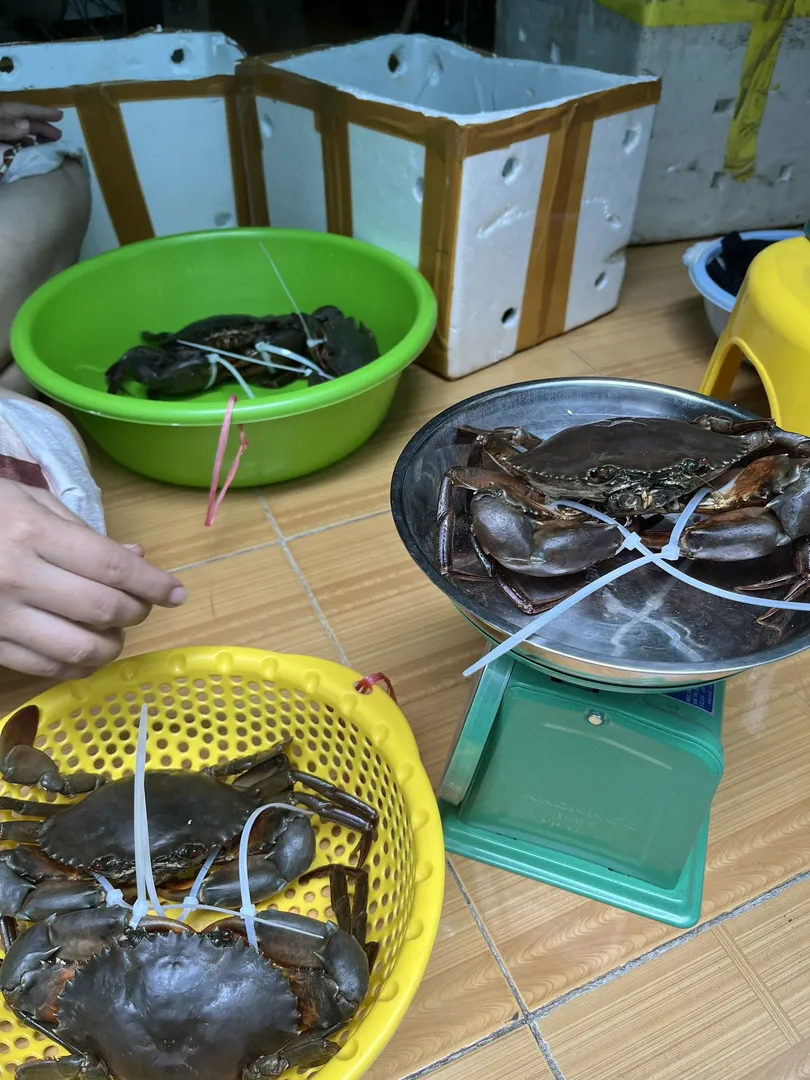
This is where the traveler's wallet often takes a hit. The 'heavy string' scam is as simple as it is infuriating. Vendors, particularly those targeting tourists in busy markets or along popular waterways, will tie crabs or other shellfish with excessively thick, wet, or even weighted string. The goal? To make you pay for water and twine instead of pure, delicious seafood.
The Weight Game
The string, often soaked, can add a significant amount of weight. What looks like a healthy pound of crab might be half that, with the rest being absorbed string.
The 'Wet Fabric' Trick
Some use layers of wet cloth or even small weights hidden within the binding. It's a deceptive practice that preys on the assumption that the string is merely for containment.
It's not just about the money; it's about the principle. You're there to experience the authentic flavors of Vietnam, not to be fleeced by unscrupulous sellers. Understanding this scam is the first step to enjoying the real bounty of the delta.
3 The 'Zero-Weight String' Approach: Securing Pure Value
Fortunately, there's a counter-strategy. The 'zero-weight string' method is about ensuring you're paying for seafood, not waterlogged twine. It requires vigilance and a few simple checks:
Vendor Selection
- Look for established stalls: Vendors with a steady stream of local customers are usually more honest.
- Observe other buyers: Are they locals? Are they scrutinizing the crabs?
- Ask for recommendations: If you have a trusted guide or hotel staff, ask them where to buy.
The String Check
- Feel the string: Is it unnaturally heavy or damp? Give it a gentle squeeze.
- Observe the tying: Is it excessively wrapped? Are there thick knots?
- Request 'dry' string: Politely ask if they can use a thinner, dry string or if you can tie it yourself (though this might be seen as rude). The goal is a single, thin tie.
4 Beyond the String: Understanding Crab Quality
The scam isn't just about the string; it's also about selling you a lesser quality crab for a premium price. Knowing the different types and grades is crucial:
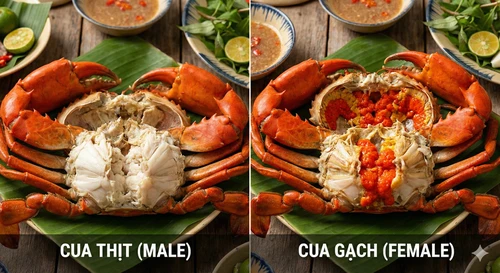
Meat Crabs (Cua Thịt):
These are mature crabs, known for their substantial, firm meat. Look for a thin shell and heavy claws. The 'Jumbo Meat Crab' or 'Monster Crab' are prime examples.
Heritage Ingredient
Ca Mau Jumbo Mud Crab
Ca Mau Jumbo Mud Crab
A large male mud crab prized for dense, sweet meat and thick claws, commonly used in steamed crab and grilled crab dishes across the Mekong Delta.
An icon of coastal culinary heritage, featuring firm, sweet meat that captures the raw power and freshness of Ca Mau's tides.
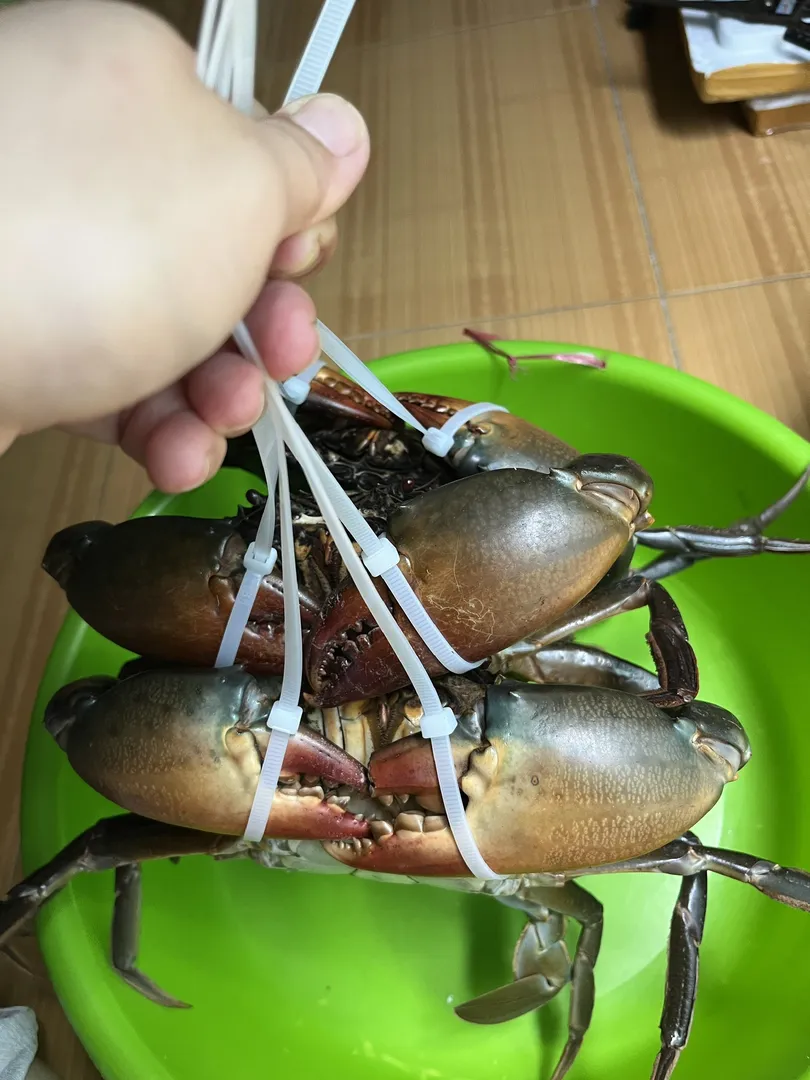
Heritage Ingredient
Giant Ca Mau Mud Crab
Giant Ca Mau Mud Crab
A larger export-grade mud crab with dramatic claws and thick meat, often used to illustrate oversized crab categories in Vietnamese seafood markets.
A titan of the ocean, offering colossal claws filled with muscular, succulent meat that elevates every feast into a royal experience.
Roe Crabs (Cua Gạch):
These female crabs are prized for their rich, creamy, and vibrant orange roe. The quality of the roe is paramount. 'Premium Red Roe Crab' or 'VIP Export Roe Crab' are top choices.
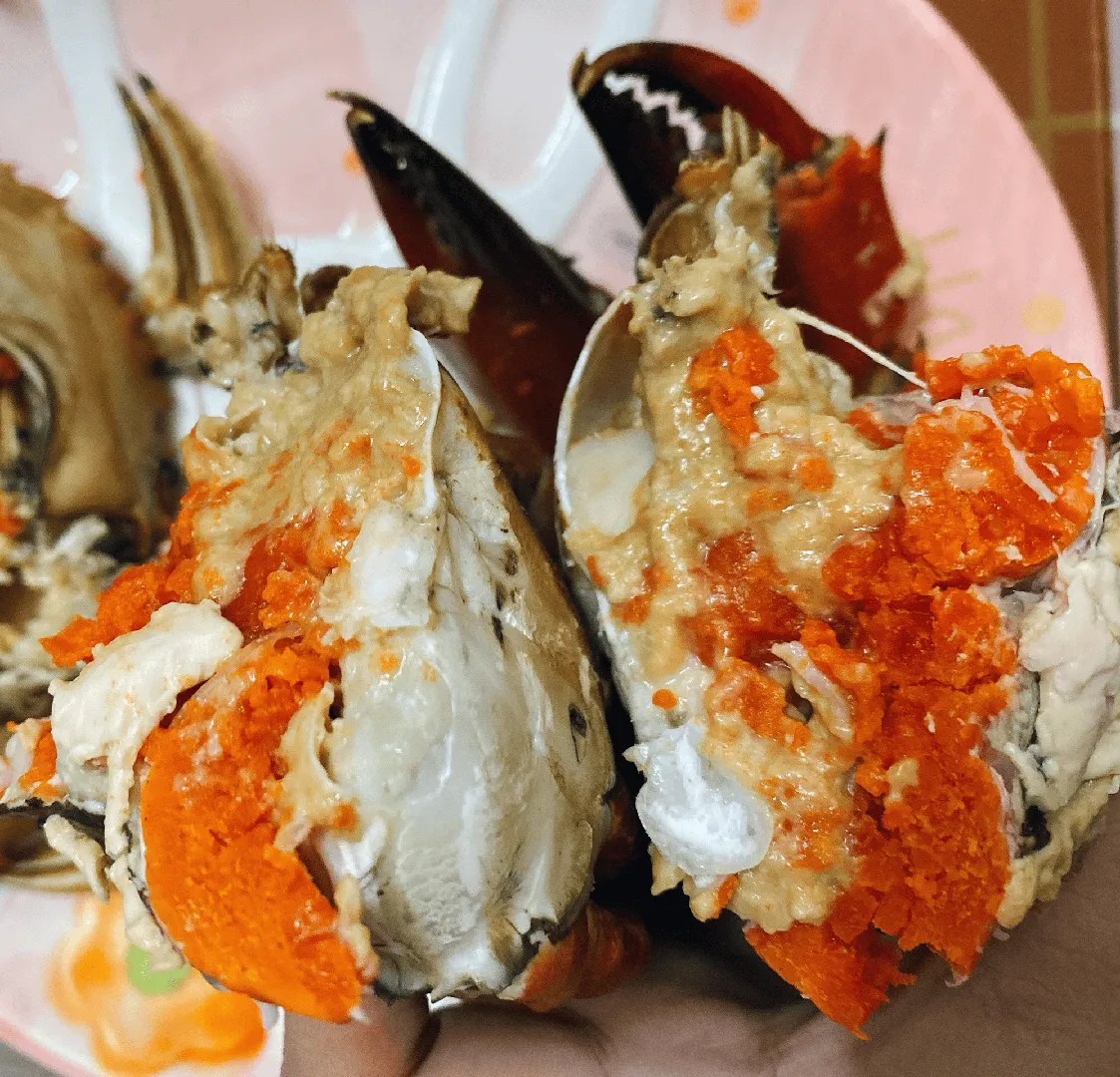
Heritage Ingredient
Ca Mau Roe Mud Crab
Ca Mau Roe Mud Crab
A female mud crab known for deep orange roe and a rich, creamy finish, often featured in celebratory Southern Vietnamese seafood meals.
A crimson treasure hidden within a shell, boasting rich, creamy roe that melts on your tongue like a golden sunset over the delta.
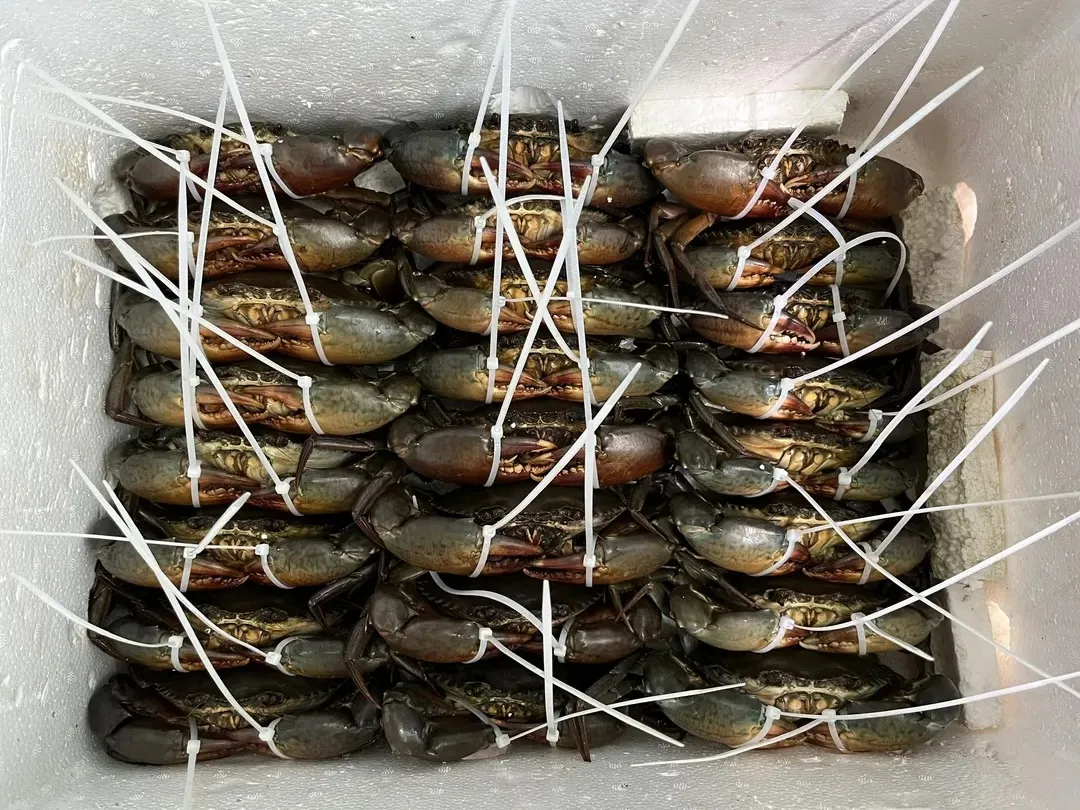
Heritage Ingredient
Export-Grade Ca Mau Roe Crab
Export-Grade Ca Mau Roe Crab
A carefully sorted roe crab selected for size, shell quality, and roe consistency, suitable for explaining premium grading in Vietnamese crab culture.
The pinnacle of perfection—pristine shells and bursting roe, meticulously selected to conquer the hearts of global gourmets.
Pro Tip: A 'Virgin Crab' (Square Apron) offers a delightful balance of sweet meat and a lighter layer of roe – a perfect hybrid for those who can't decide.
Heritage Ingredient
Young Roe Mud Crab (Virgin Crab)
Young Roe Mud Crab (Virgin Crab)
A young female mud crab identified before full spawning, offering a balance of sweet meat and light roe that sits between meat crab and roe crab styles.
A graceful balance of sweetness and creaminess, where tender meat meets a hint of light, buttery roe for a truly refined palate.
The 'Two-Skin Butter Crab' is a rare delicacy, known for its incredibly tender meat and rich, golden roe, often found during the crab's molting cycle.
Heritage Ingredient
Soft-Shell Butter Crab (Molting Crab)
Soft-Shell Butter Crab (Molting Crab)
A rare molting mud crab from Ca Mau, valued for its edible soft inner shell and exceptionally creamy roe, making it the closest local equivalent to soft-shell crab concepts familiar abroad.
Nature's rare masterpiece—a delicate transition where a soft inner layer protects golden, custard-like roe in a fleeting moment of flavor.
5 Riverside Commerce: Markets and Riverboats
The Mekong Delta's floating markets, like Cai Rang in Can Tho or Phong Dien, are a spectacle. Here, commerce happens directly on the water, from small sampans to larger trading vessels. While offering an unparalleled cultural experience, they can also be hotspots for tourist-oriented pricing. When buying seafood:
Be Observant
Watch how the locals interact with vendors. Are they haggling? How are the crabs being tied?
Compare Prices
Don't buy from the first boat. Paddle around (or ask your boat guide) to get a sense of the going rates.
The essence of floating markets is efficiency. Vendors often tie their wares quickly. Stick to the 'zero-weight string' principles: ensure the tie is minimal, dry, and light. If a vendor seems resistant or insistent on heavy binding, it's often a red flag.
6 When Faced with Suspicion
It happens to the best of us. If you realize you've been duped:
1. Stay Calm and Polite
2. Walk Away
3. Inform Your Guide/Hotel
7 The True Taste of the Mekong
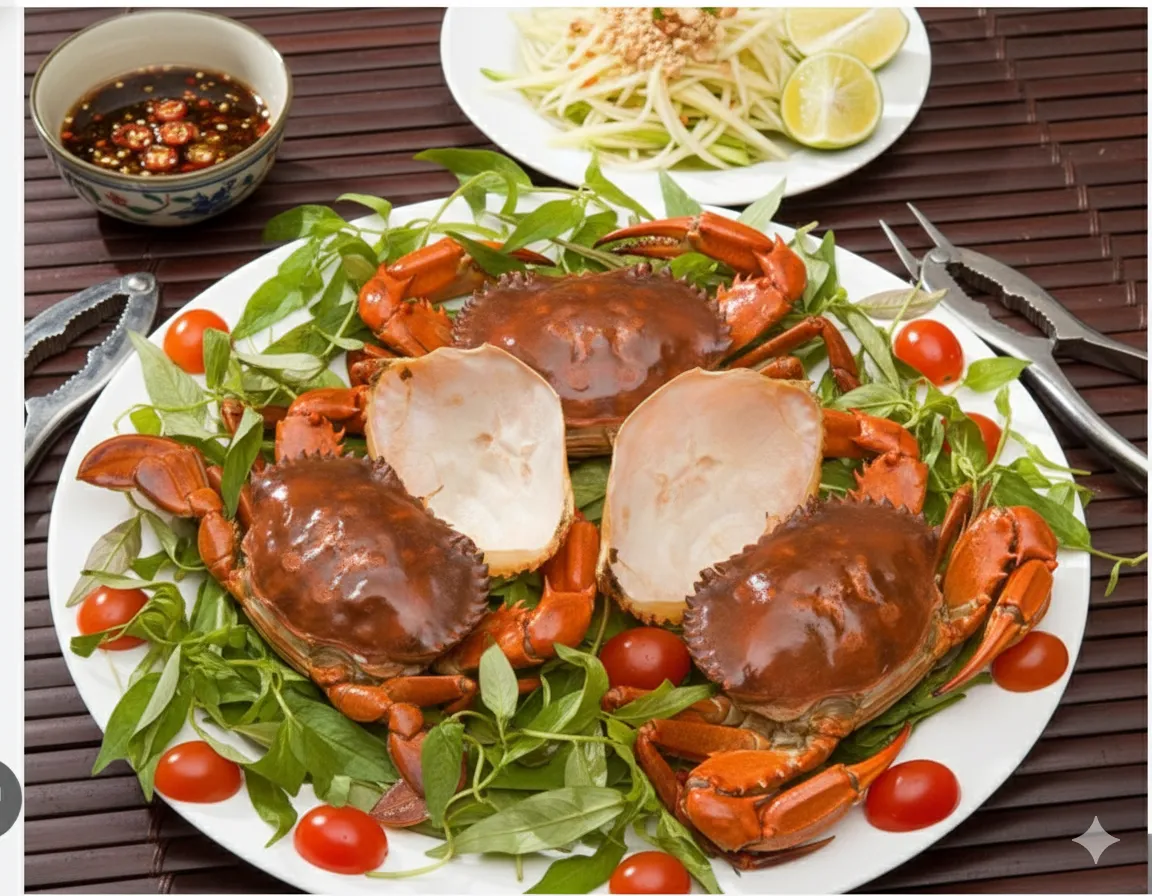
Once you've navigated the market like a seasoned local, the reward is immense. The seafood of the Mekong Delta, when bought honestly, is unparalleled. Imagine cracking open a perfectly steamed Premium Red Roe Crab, the vibrant orange roe a testament to its freshness, or savoring the firm, sweet flesh of a Monster Crab, its giant claws promising a feast.
Heritage Ingredient
Ca Mau Roe Mud Crab
Ca Mau Roe Mud Crab
A female mud crab known for deep orange roe and a rich, creamy finish, often featured in celebratory Southern Vietnamese seafood meals.
A crimson treasure hidden within a shell, boasting rich, creamy roe that melts on your tongue like a golden sunset over the delta.
Heritage Ingredient
Giant Ca Mau Mud Crab
Giant Ca Mau Mud Crab
A larger export-grade mud crab with dramatic claws and thick meat, often used to illustrate oversized crab categories in Vietnamese seafood markets.
A titan of the ocean, offering colossal claws filled with muscular, succulent meat that elevates every feast into a royal experience.
Heritage Ingredient
Ca Mau Roe Crab Family Box
Ca Mau Roe Crab Family Box
A multi-crab pack that helps illustrate what a family-size roe crab purchase or shared seafood meal can look like in Southern Vietnam.
A feast of shared joy, bringing the vibrant red of premium roe crabs to your table for a memorable family gathering filled with laughter and flavor.
Whether grilled, steamed, or simmered in a fragrant broth, the integrity of the ingredient shines through. The simple joy of fresh, quality seafood is a cornerstone of the Vietnamese culinary experience, a direct connection to the lifeblood of the Mekong.
8 Planning Your Delta Culinary Journey
The Mekong Delta is a sensory explosion. Beyond the markets, explore the region's floating villages, lush fruit orchards, and vibrant cooking scenes. Equip yourself with the knowledge to buy your seafood wisely, and you'll unlock a deeper, more authentic taste of this magical part of Vietnam.
So, the next time you find yourself by the river, armed with this knowledge, approach the seafood stalls with confidence. Demand the 'zero-weight string,' savor the true bounty of the Mekong, and let your taste buds be your guide.