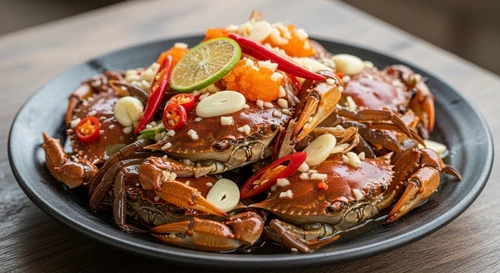
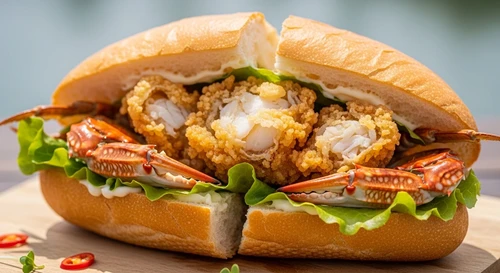
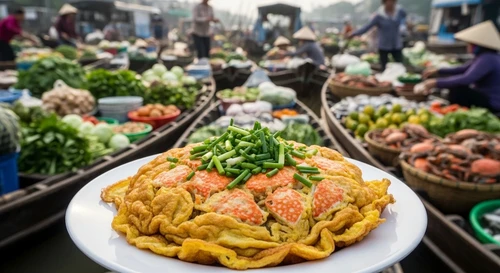
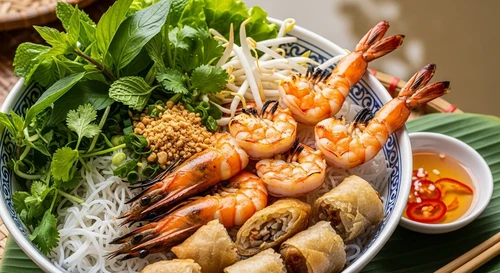
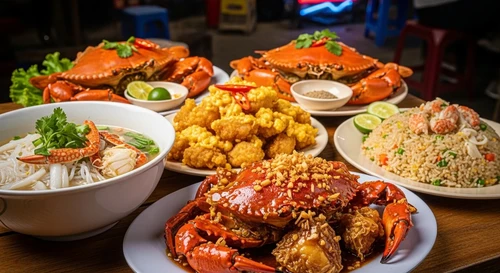
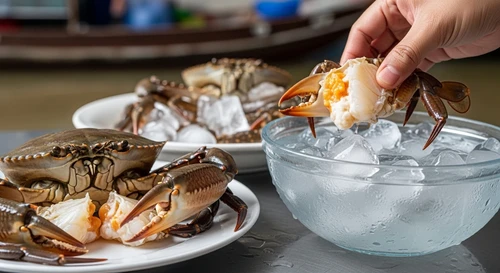
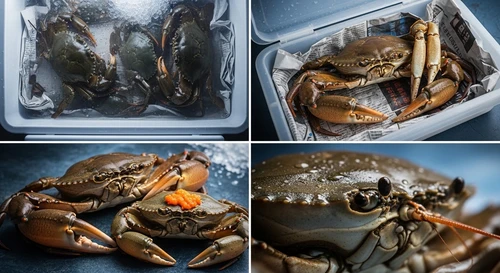
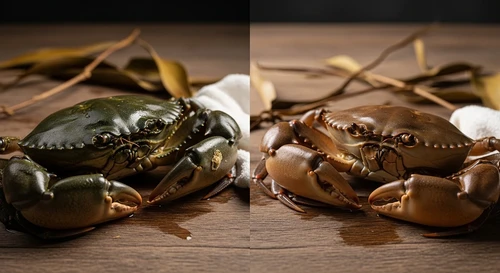
" In the labyrinthine waterways of the Mekong Delta, life pulses with the rhythm of the tides. Shrimp and crab aren't just food; they're the lifeblood, the currency of coastal villages, the promise of a good meal after a long day wrestling with nets. "
We've all been there – staring at a pile of prawns at the market, wondering if they're straight from the boat or have spent more time in a freezer than a fishing net. That subtle difference is the chasm between a sublime culinary experience and... well, mush. Let's cut through the confusion.
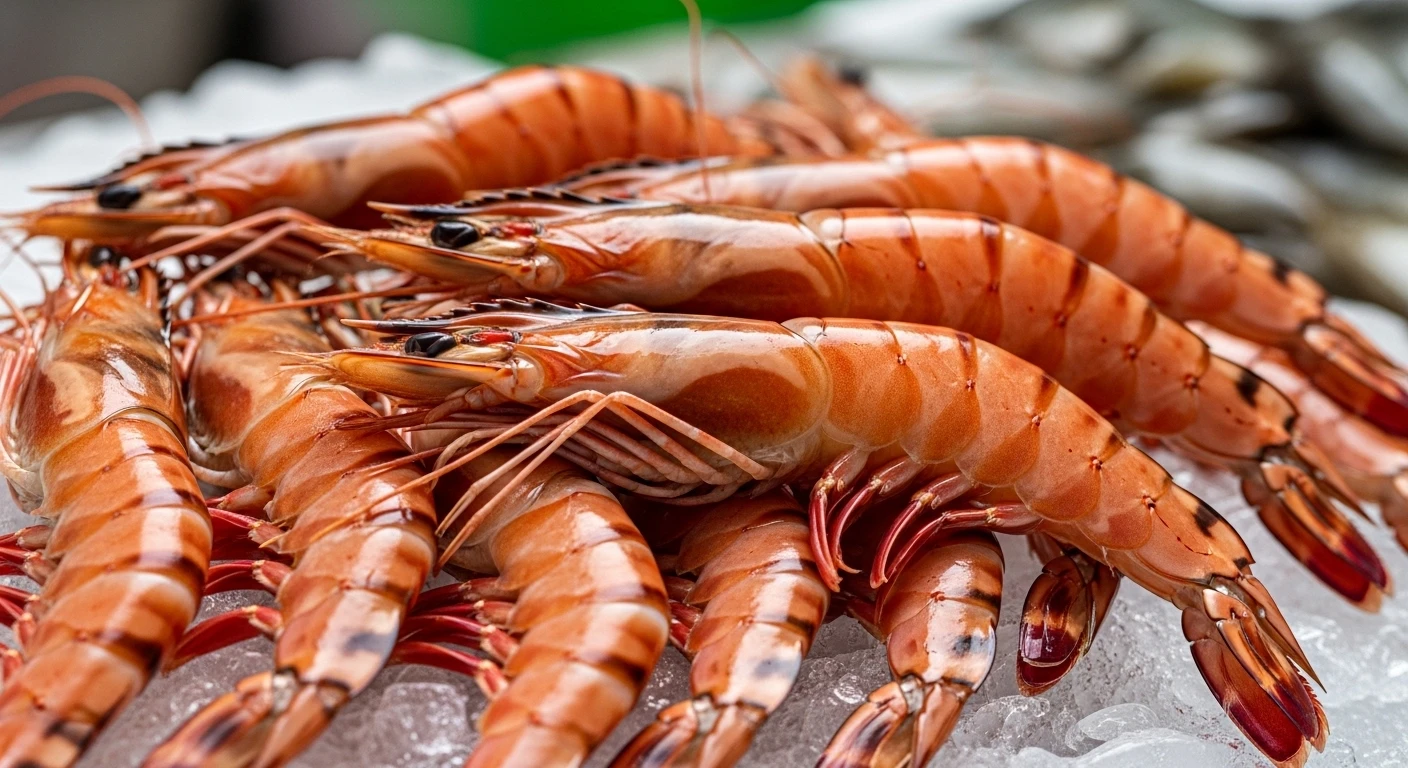
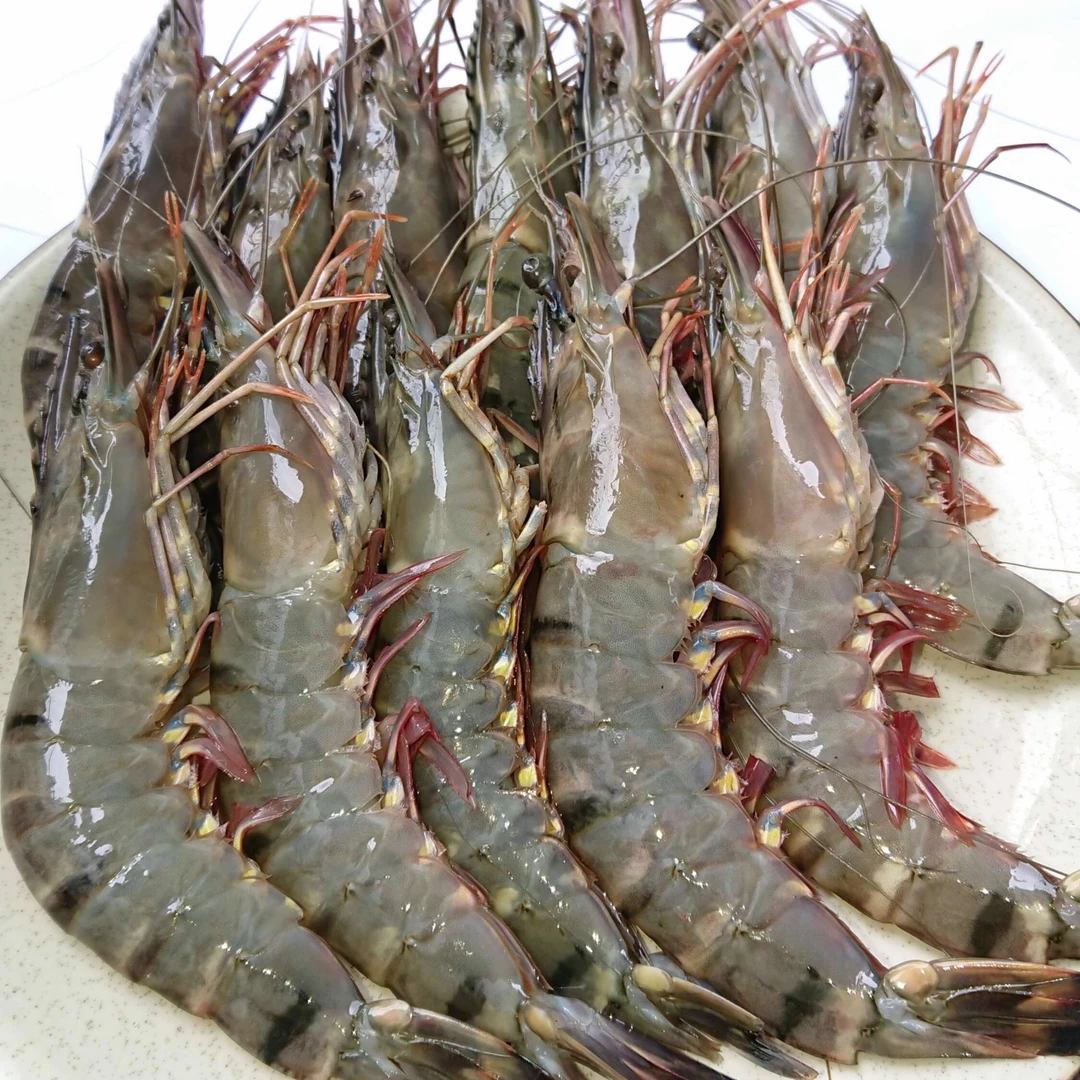
📸 The tell-tale signs of a truly fresh prawn – a jewel from the delta.
1 The Heart of the Delta: Where Prawns Thrive
The Mekong Delta, a sprawling tapestry of rivers, canals, and mangrove forests, is a natural wonderland for aquaculture. This isn't just any farmed shrimp; here, prawns often benefit from unique ecosystems.
Black Tiger Prawns (Tôm Sú)
These beauties, like the Ca Mau Black Tiger Shrimp, are iconic. Often farmed in brackish mangrove-rich waters, they develop a firm, sweet flesh with a subtle, cleaner taste compared to intensive freshwater farms. The dark, striped shell is a hallmark of freshness.
Giant Freshwater Prawns (Tôm Càng)
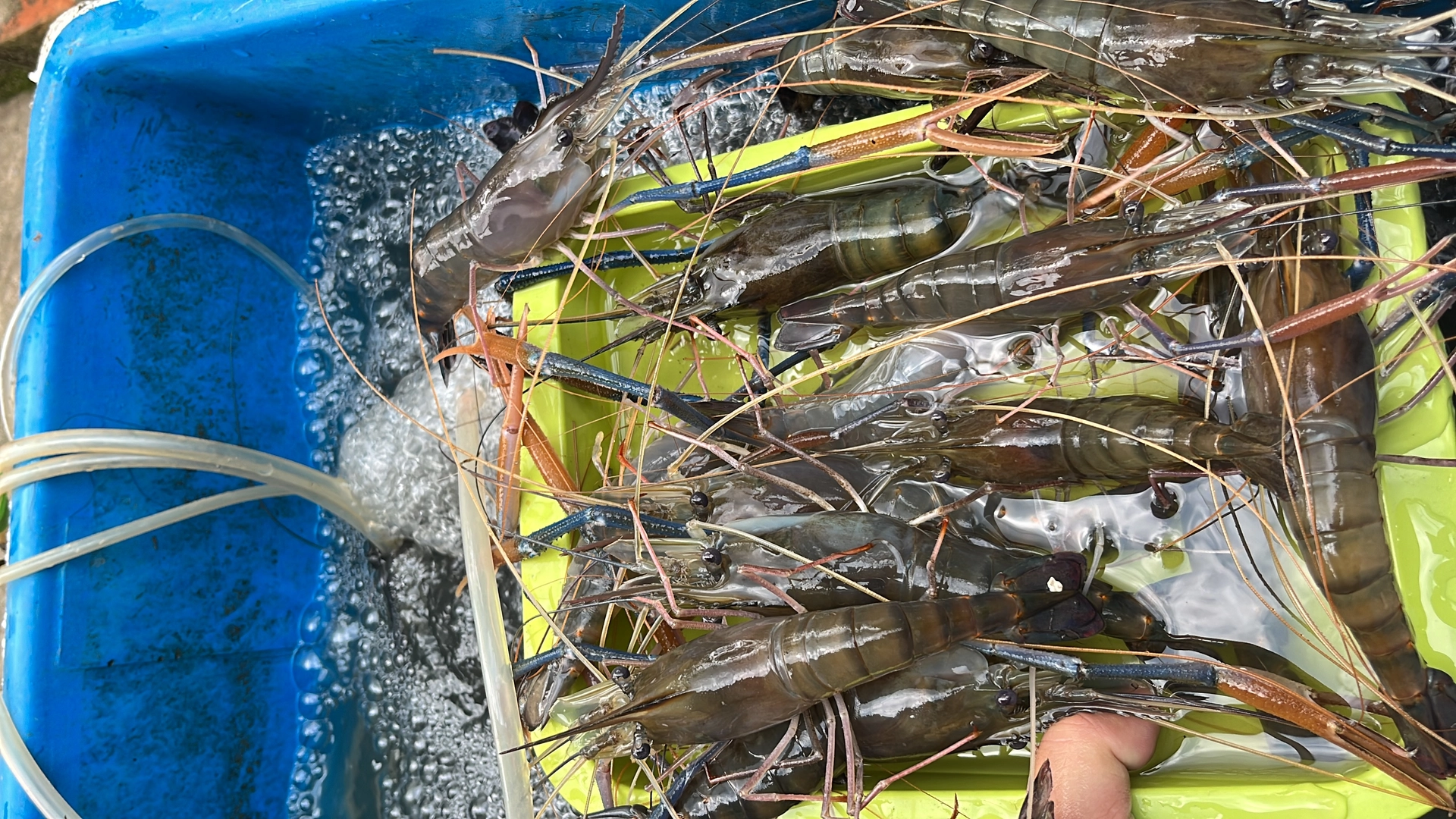
Then there are the giants, such as the Mekong Delta's famed Mekong Giant Freshwater Prawn, easily identified by their long, bluish claws. These prawns live in freshwater environments and are prized for their substantial size and rich, buttery head fat – a true delicacy when grilled.
Understanding the origin helps. While this guide applies broadly, the context of the Mekong's diverse aquaculture is key to appreciating its best produce.
2 Anatomy of Freshness: Your Visual Checklist
Forget the smell test for a moment. Your eyes are your first line of defense. Here’s what to scrutinize:
The Shell & Head
- Firmness & Shine: Fresh prawns have a firm, slightly shiny shell. It shouldn't feel slimy or dull. The shell should adhere tightly to the flesh.
- Head Attachment: A fresh prawn's head is firmly attached. If the head looks loose, grey, or detached, it's a sign of age. The 'tomale' (head fat) should be a creamy white or yellowish, not dark or liquefied.
- Black Spots (Melanosis): While some small black spots on the shell are natural, widespread or rapidly spreading black spots, especially on the meat, indicate the prawn is oxidizing and beginning to spoil. This is different from the natural dark shell of some varieties like Tiger Prawns.
Body & Joints
- Curvature: Fresh prawns have a slight natural curve. If they are unnaturally stiff or completely straight, they might have been frozen and thawed poorly. If they are severely curled into a 'C' shape, they've been dead for a while.
- Joint Integrity: Examine where the segments of the tail meet. The joints should be tight. If the segments look loose and gappy, the prawn is likely past its prime.
- Legs & Antennae: While less critical, all appendages should be intact and firm. Loose, detached legs or antennae can be an indicator of age.
3 The Olfactory Clue: What "Fresh" Smells Like
This is where subjectivity can come in, but there are clear indicators of freshness and spoilage:
Fresh Prawns Smell Like:
- A mild whiff of the sea.
- A clean, almost sweet, oceanic aroma.
- Occasionally, a faint nutty scent from the head fat.
Spoiled Prawns Smell Like:
- Ammonia or urine-like odor.
- A strong, pungent fishy smell that burns the nostrils.
- Sour or putrid notes.
If it smells "off," trust your gut. It's not worth the risk.
4 The Frozen Factor: Decoding Defrosted Prawns
Many prawns sold at markets are flash-frozen at sea or shortly after harvest to preserve quality. This is often a good thing, but how they're handled *after* freezing is crucial.
Freshly Caught:
The benchmark. Firm, sweet, elastic flesh. Minimal smell. Tight joints. Vibrant appearance.
Properly Frozen & Thawed:
Still firm, though perhaps slightly less snappy than fresh. Minimal liquid loss. Smell should be clean.
Improperly Thawed / Old Frozen:
Mushy texture. Excessive water loss (mushy flesh is watery). Loose joints. Fishy or ammonia smell. Dull color.
The key is how they were frozen and then thawed. Slow thawing at home in the refrigerator is best. Avoid thawing at room temperature or microwaving, which ruins the texture.
5 Navigating the Floating Markets & Coastal Towns
Visiting a market in places like Can Tho or a coastal town near Ca Mau offers a front-row seat to the seafood trade. Observe how vendors handle their produce.
You’ll see vendors displaying prawns on ice, often still in their shells, heads on. The most reputable sellers will have their prawns looking bright, firm, and arranged attractively. They’ll be happy to let you inspect them closely. Don't be shy about asking questions – a good vendor will know their product.
Beware of prawns piled too high on the ice, especially if they’re starting to clump together or look washed out. Often, prawns that are beginning to soften will be mixed with fresher ones to make a larger batch. This is where your keen eye for those loose joints and dull shells comes in.
A Word on Prawn Head Fat:
For large prawns like the Mekong Giant Freshwater Prawn, the head fat is a prized indicator of richness and freshness. It should be a vibrant creamy yellow or orange. If it’s murky, dark, or absent, the prawn is likely old or has been mishandled.
6 Red Flags: Avoiding the Market Pitfalls
Sometimes, it's not about what you see, but what you *don't* see. These are your warning signs:
- Excessive Water or Ice Slush: Vendors sometimes use this to hide the true condition of older prawns or to add weight. If your prawns are sitting in a pool of murky water, walk away.
- Uniformly Pale Color: Unless they're a specific varietal, prawns that look unnaturally pale across the board might be bleached or simply old.
- Anything Smelling of Ammonia: This is a non-negotiable red flag. It means the prawns are spoiling.
- Loose Segmentation: As mentioned, this is a key indicator of age and dehydration.
7 Bringing the Delta Home: Handling & Storage
You've made your selection. Now, ensure that freshness lasts:
- Immediate Refrigeration: Get your prawns home and into the refrigerator (ideally 0-4°C / 32-40°F) as soon as possible. If they are very fresh, you can store them in a bowl covered with damp paper towels.
- Proper Freezing: If not using immediately, freezing is the best option for longer storage. Rinse the prawns, pat them completely dry, and place them in an airtight container or freezer bag, removing as much air as possible. For best quality, use within 1-2 months.
- Thawing: Always thaw prawns slowly in the refrigerator overnight. If you need to thaw them faster, place them in a sealed bag and submerge in cold water. Never thaw at room temperature.
8 The Taste Test: When Flavor Confirms Freshness
Ultimately, the best judge is your palate. When prawns are truly fresh, they offer a delicate sweetness and a satisfying, firm texture that’s almost springy.
Fresh Prawns in a Dish:
They absorb marinades beautifully without becoming mushy. Each bite offers a distinct, sweet flavor that shines through. Think of a simple grill or a quick stir-fry; the prawn is the star.
Defrosted/Old Prawns in a Dish:
They often release a lot of water, making your dish soupy. The texture can be soft, rubbery, or even gritty. The natural sweetness is diminished, and any overpowering flavors might be used to mask imperfections.
If you're in the Mekong Delta, seeking out local Black Tiger Prawns or Giant Freshwater Prawns from reliable sources is an experience in itself. It’s a direct connection to the region's rich aquatic heritage.
Illustrative Examples from the Delta:
Heritage Ingredient
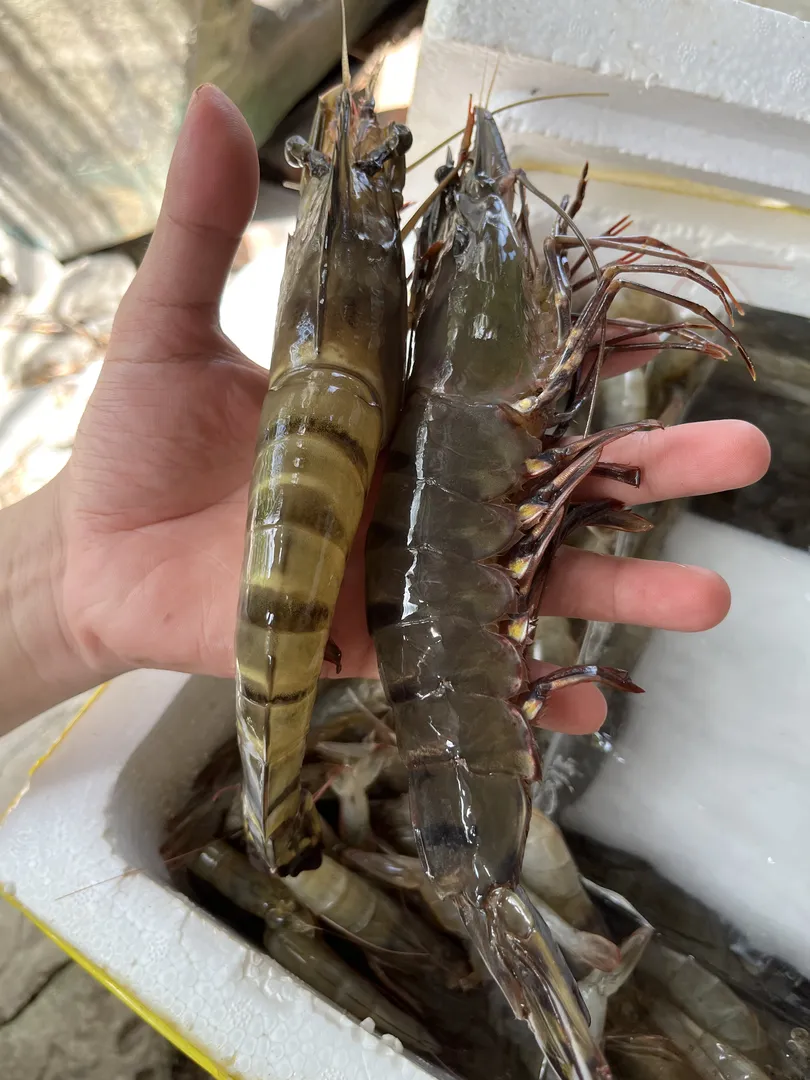
Ca Mau Black Tiger Shrimp
Ca Mau Black Tiger Shrimp
Large black tiger shrimp associated with mangrove aquaculture in Ca Mau, known for firm flesh and a cleaner, sweeter finish than intensively farmed shrimp.
Wild spirits of the mangroves, these black-banded gems deliver a firm, snappy texture and a sweetness that echoes the forest's vibrant life.
Heritage Ingredient
Mekong Giant Freshwater Prawn
Mekong Giant Freshwater Prawn
A river prawn with long blue claws and rich head fat, common in grilled prawn dishes and hotpot traditions across the Mekong basin.
Majestic blue-clawed warriors of the Mekong, famous for their rich, fatty heads and a savory depth that captures the essence of the delta's rivers.
Heritage Ingredient
Whiteleg Shrimp
Whiteleg Shrimp
A widely used shrimp in Vietnamese home kitchens, suitable for stir-fries, soups, steamed dishes, and practical cooking articles that need a familiar shrimp reference.
Translucent jewels of the coast, thin-shelled and remarkably sweet, making every simple home meal feel like a seaside celebration.
" The journey from the water to your plate is a story worth paying attention to. By understanding these simple visual cues, you become a more informed consumer, ensuring every prawn you buy is a testament to the vibrant, life-giving waters of Vietnam. "