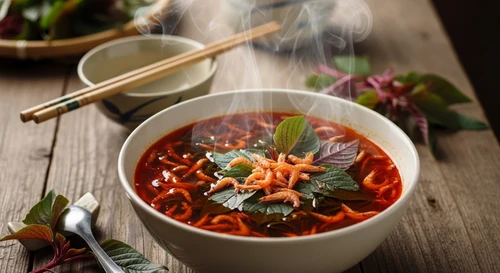
" The Mekong Delta, a labyrinth of waterways, is the lifeblood of Vietnam's most prized crustaceans. Here, the humble mud crab isn't just food; it's a livelihood, a legacy, and a delicate ecosystem at play. But in today's global market, understanding what's truly on your plate is more crucial than ever. "
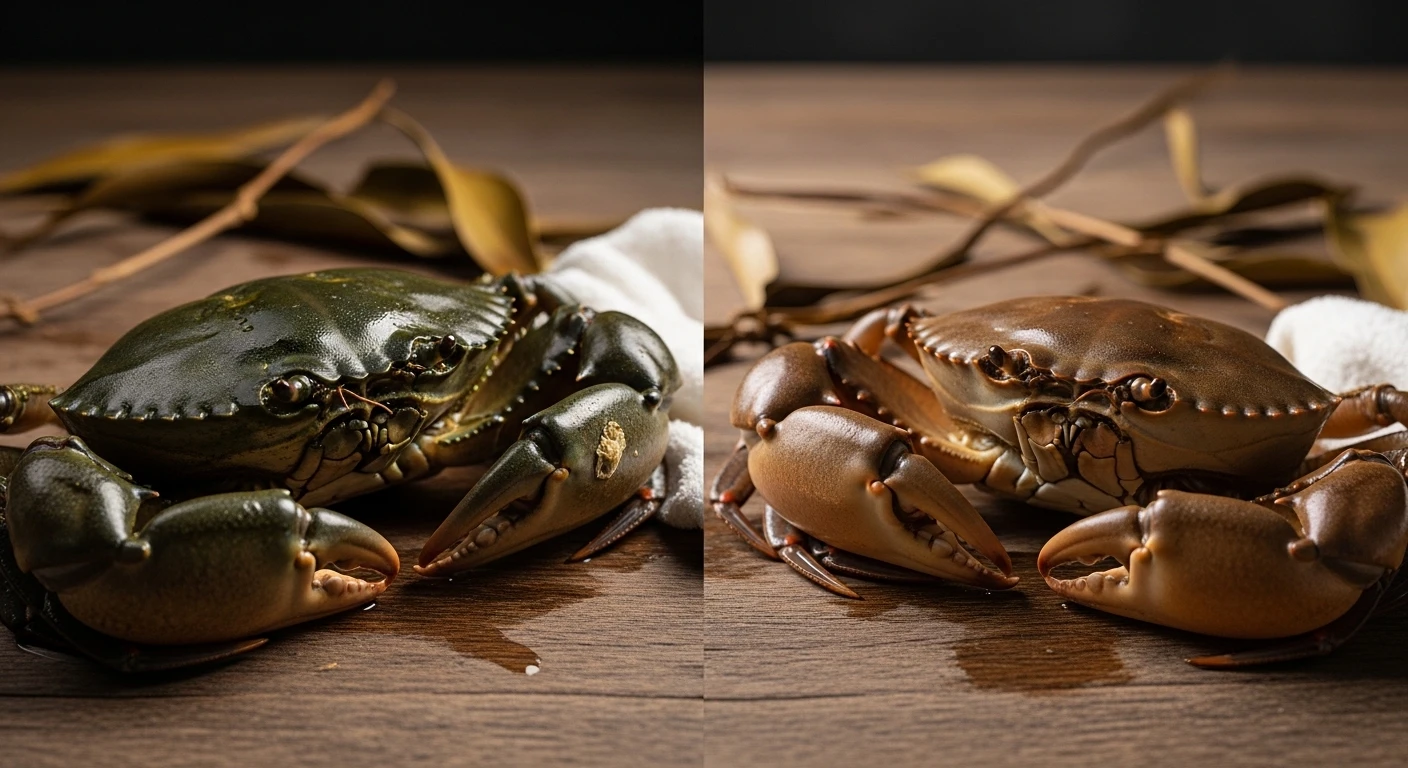
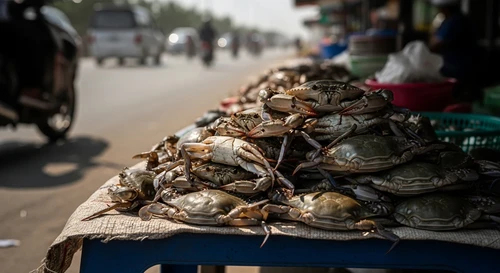
📸 Visual cues: Examining the shell, appendages, and subtle signs of life.
1 The Heart of the Delta: Ca Mau's Crustacean Kingdom
Imagine endless emerald mangrove forests, a dense network of tidal rivers and canals that stretch towards the turquoise sea. This is Ca Mau province, the southernmost tip of Vietnam, and arguably the spiritual home of the mud crab. For generations, the communities here have lived in harmony with the rhythm of the tides, their lives intricately linked to the bounty of these waters.
Wild-caught crabs, often referred to as 'Cua Dong' or 'Cua Dat' (land crab, referring to their mangrove habitat), are the purest expression of this ecosystem. They forage freely, feeding on the natural abundance of crustaceans, mollusks, and organic matter found within the pristine mangrove environment. This natural diet, coupled with their active lifestyle, is believed to impart a distinct flavor and texture that chefs and connoisseurs seek.
In contrast, farmed crabs are raised in more controlled environments. While this can ensure a stable supply and consistent quality, it raises questions about the crab's diet, environment, and ultimately, its taste.
Wild Spirit
Foraged from mangrove forests and coastal wetlands. Natural diet. Active lifestyle.
Cultivated Quality
Raised in ponds, pens, or integrated farms. Diet often supplemented.
2 Decoding the Crab: Shell, Claws, and Algae
The market is your first battleground. While labels can sometimes be misleading, experienced vendors and discerning cooks rely on a set of visual and tactile cues to differentiate between a wild-caught treasure and its farmed counterpart.
Shell Color & Texture
Wild crabs often possess a deeper, more varied shell color – think rich browns, deep greens, and sometimes hints of crimson, reflecting their diverse natural diet. The shell might appear slightly rougher, potentially with subtle signs of wear and tear from their active, untamed lives.
Claw Thickness & Weight
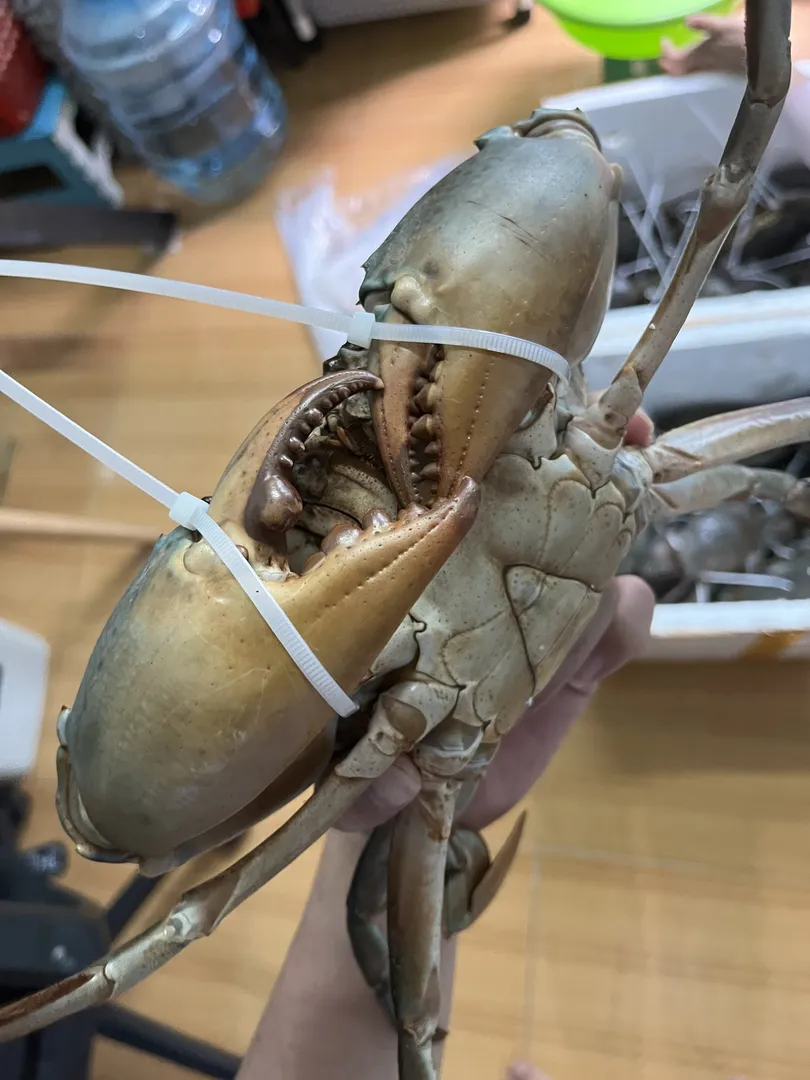
Wild crabs, particularly the males prized for their meaty claws, often feel denser and heavier for their size. Their claws might appear more robust, with a natural robustness suggesting a life of active hunting and foraging. Farmed crabs can be large, but sometimes lack that same compact density.
Algae Growth & Barnacles
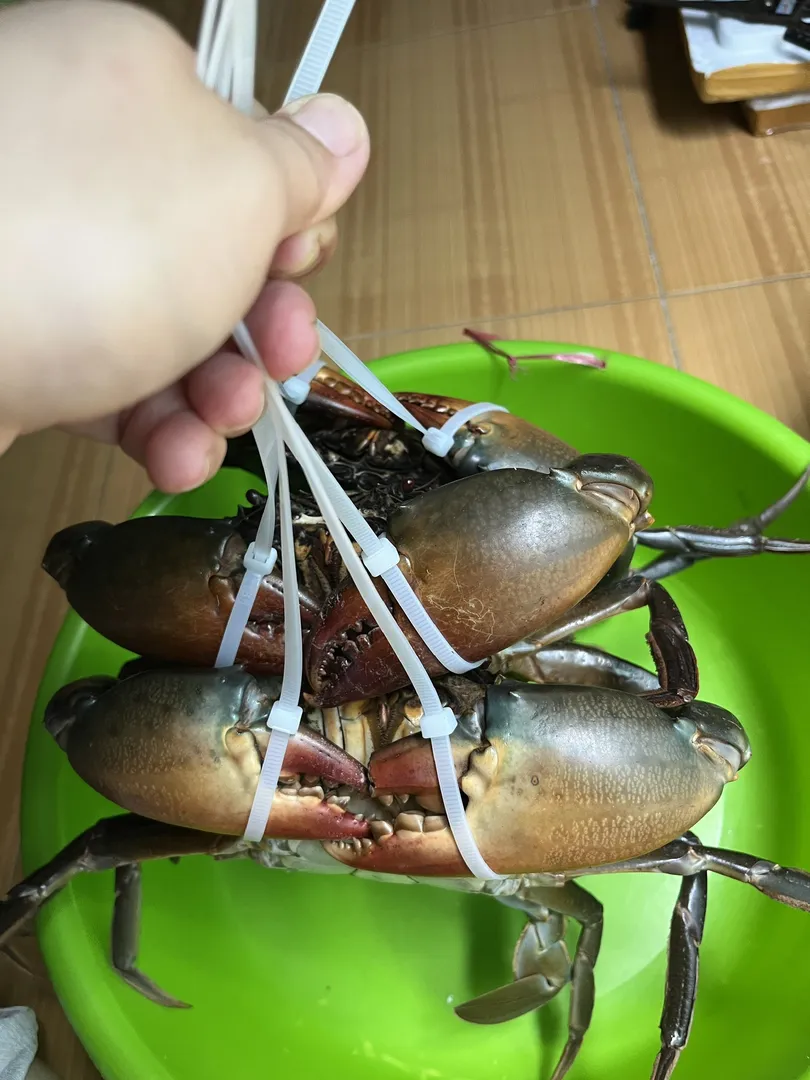
A tell-tale sign of a true wild crab that has spent its life in natural waterways is the presence of subtle algae growth or tiny barnacles on its shell. These are organisms that naturally adhere to crabs living in brackish or marine environments over extended periods. Farmed crabs, especially those in cleaner, recirculated systems, will typically be free of such organic hitchhikers. Look closely at the underside and edges of the shell.
Of course, a crab freshly harvested from a pristine pond might also appear clean. However, the combination of a deep shell color, robust claws, and perhaps a hint of natural algae is a strong indicator of a wild specimen.
3 The Palate's Verdict: Flavor Profiles
This is where the rubber meets the road. The ultimate arbiter of a crab's origin is, of course, its taste. While cooking methods can influence perception, certain characteristics tend to distinguish wild from farmed.
Wild-Caught Sweetness
Wild mud crabs are often described as having a cleaner, more intense sweetness. Their natural diet in the mangroves, rich in varied marine life, imparts a complex depth to the meat. The texture is typically firmer, with a delightful ‘snap’ when bitten, and the meat can be incredibly succulent.
Key Characteristics:
- Intense, clean sweetness
- Firm, dense texture
- Robust, complex flavor
- Potentially higher meat-to-shell ratio
Farmed's Fuller Profile
Farmed crabs can also be exceptionally delicious, especially when fed a high-quality diet. They might exhibit a richer, sometimes creamier flavor, particularly in the roe (if it's a female crab). The texture can be slightly softer compared to wild counterparts, but this also makes them incredibly yielding and satisfying, especially when prepared in rich, saucy dishes.
Key Characteristics:
- Often richer, sometimes creamier flavor
- Softer, more yielding texture
- Consistent sweetness (depending on feed)
- Excellent for absorbing flavors in cooking
The "best" depends on preference and preparation. For simple preparations like steaming or grilling where the crab's natural essence shines, wild is often preferred. For dishes that embrace rich sauces and marinades, a well-fed farmed crab can be equally, if not more, rewarding.
4 Navigating the Market: Beyond the Shell
The increasing global demand for seafood, particularly prized species like mud crabs, puts immense pressure on natural resources. While responsible aquaculture is vital for meeting this demand sustainably, it's crucial to distinguish between truly sustainable farming practices and methods that might deplete wild stocks or compromise environmental integrity.
In Ca Mau, many farming operations are integrated into the mangrove ecosystem, a model that aims for sustainability. These "integrated farms" often use natural feeds and allow crabs to forage to some extent, blurring the lines slightly. However, fully intensive pond-based farming can require different feed inputs and might have a larger environmental footprint.
As a consumer, asking questions at the market is your best tool. Engage with the vendors. Where did this crab come from? Is it from the mangrove forest or a farm? While you might not always get a definitive answer, paying attention to the visual cues discussed earlier will guide you.
Tips for Smart Shoppers:
- Look for Vibrancy: Bright eyes, active movement (if live), and firm limbs are good signs, regardless of origin.
- Feel the Weight: A crab that feels heavy for its size often indicates good meat fill.
- Inquire Gently: A polite question about the source can yield valuable information.
- Trust Your Senses: Compare the appearance and feel of different crabs on offer.
5 A Journey to Ca Mau's Coastal Shores
If you truly want to experience the 'wild-caught' difference, a pilgrimage to the Mekong Delta itself is unparalleled. In provinces like Ca Mau, especially areas like Nam Can or Ngoc Hien, you can visit local fishing communities and markets where the day's catch is brought ashore.
Here, crabs are often transported in simple baskets or small boats, their shells still bearing the faint scent of the sea and mangrove. You might see vendors sorting crabs by hand, assessing their shell hardness and meat content with an practiced eye. Dining at a local seafood restaurant by the water, where the crabs are sourced directly from these fishermen, offers an authentic taste of the Delta's wild bounty.
While specific restaurants are too numerous to name, seeking out establishments that proudly display 'Cua Dong' or 'Cua Dat' on their menus is a good start. These are often humble, family-run places where the focus is on fresh, simple preparations that let the crab's inherent quality shine through.
6 The Allure of Roe: A Different Kind of Treasure
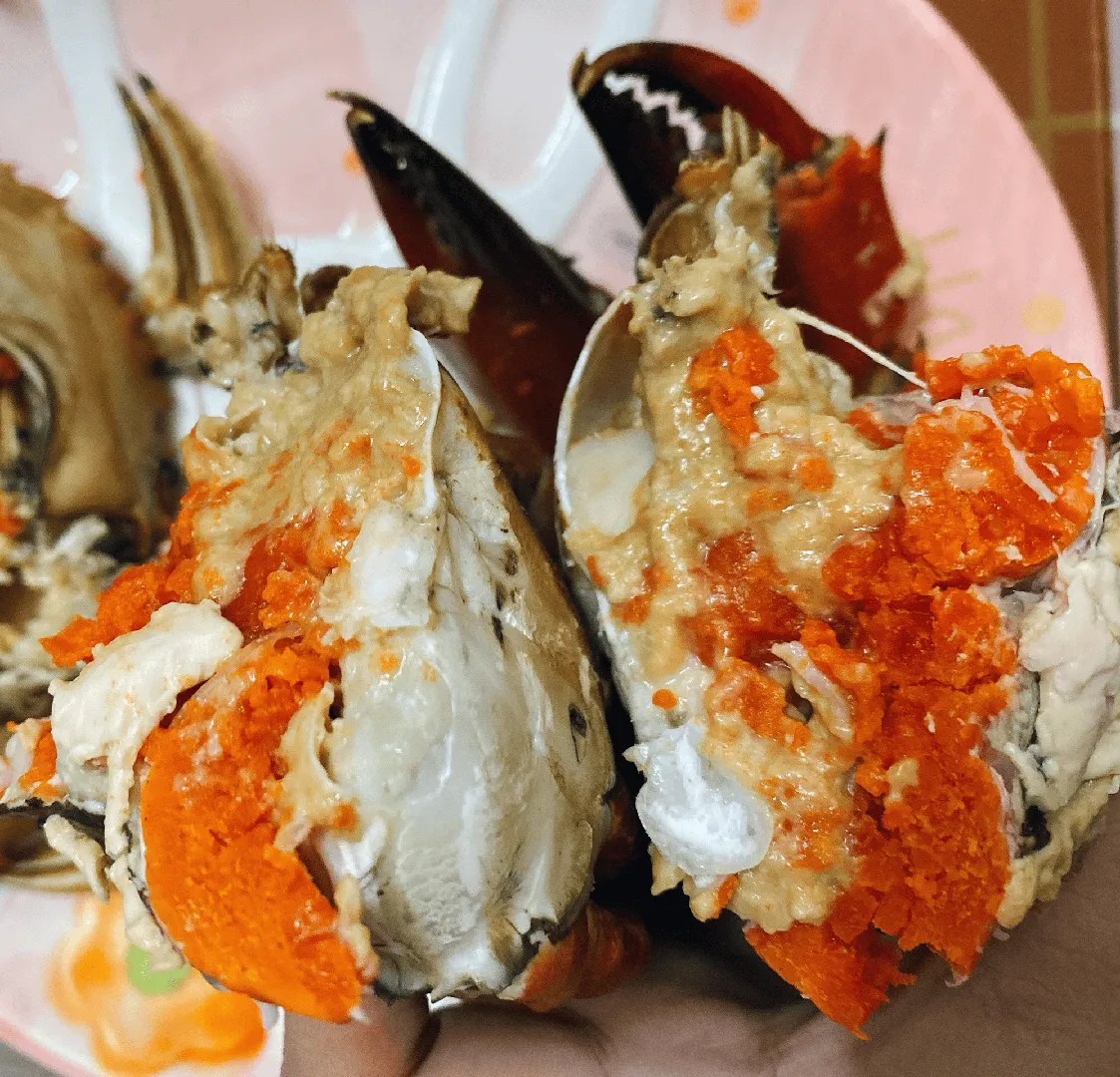
When discussing mud crabs, especially from Ca Mau, it's impossible not to mention the female 'roe crab' (Cua Gạch). These crabs are prized for their vibrant, deep-orange roe, which transforms into a rich, creamy, almost custard-like paste when cooked.
Whether wild or farmed, female crabs carrying substantial roe are a delicacy. Visually, distinguishing a wild roe crab from a farmed one follows similar principles: look for the shell's natural patina, signs of age that suggest a life lived freely in the mangrove ecosystem, and a robust feel that indicates a healthy crab. The roe itself, when cooked, should be intensely flavored and melt-in-your-mouth.
Wild Roe Crab
Often has a more profound, slightly briny undertone to its rich roe, a testament to its diverse natural diet. The texture of the meat accompanying the roe is typically firm and sweet.
Farmed Roe Crab
Can have incredibly rich and abundant roe, sometimes with a more uniformly sweet and buttery profile, depending heavily on the feed. The texture might be slightly softer.
7 Beyond Taste: Sustainability and Livelihoods
The distinction between wild and farmed isn't just about flavor; it’s also about the impact on delicate ecosystems and the livelihoods of coastal communities. Wild-caught crabs, when harvested sustainably, represent a traditional way of life that respects the natural environment. Overfishing, however, can decimate wild populations, threatening both the ecosystem and the livelihoods that depend on it.
Responsible aquaculture plays a crucial role in meeting demand without depleting wild stocks. However, the most sustainable farmed crabs often come from systems that mimic natural environments as closely as possible, using natural feeds and minimizing waste. Supporting such operations, and choosing seafood certified by reputable sustainability organizations, is key to ensuring a future for both crabs and the communities that cherish them.
By understanding the subtle differences and asking the right questions, you become a more conscious consumer, contributing to the preservation of the Mekong Delta's natural heritage and supporting the people who call it home.
8 Trust Your Palate, Embrace the Journey
Ultimately, the quest to distinguish wild from farmed mud crab is a delicious adventure. It's about engaging with the food on a deeper level, understanding its origins, and appreciating the subtle art of culinary discernment.
Whether you're navigating a bustling Vietnamese market or a high-end seafood restaurant, armed with the knowledge of shell color, claw thickness, and the whisper of algae, you're better equipped to seek out that pure, unadulterated taste of the wild Mekong. And even if you can't tell the difference every time, the pursuit itself, and the incredible meal that follows, is always a rewarding experience.