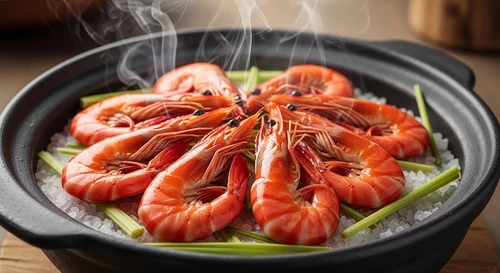
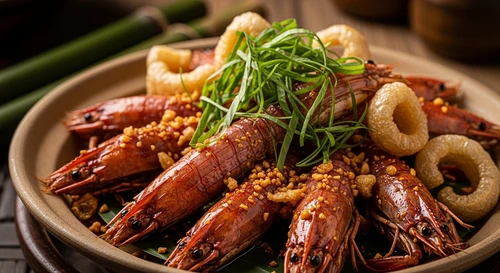
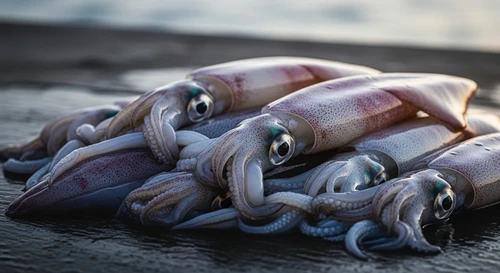
" The Mekong Delta. It’s where life flows, and so does the freshest seafood you'll find anywhere. But even here, sometimes you get a bounty that needs preserving. Freezing is a modern marvel, but it comes with a catch: how do you bring that frozen treasure back to life without killing its soul? "

📸 The goal: Perfect, tender crab meat, ready for its close-up.
1 The Hot Water Fallacy: Why It's Culinary Sabotage
Ask any seasoned chef, any seasoned fisher, anyone who truly respects the bounty of the sea, and they'll tell you the same thing: never, ever use hot water to thaw seafood, especially crabs. It's a one-way ticket to disappointment.
Texture Ruined
Hot water begins to cook the outer layers of the crab meat. This denatures the proteins, making the crab tough, rubbery, and utterly devoid of its natural sweetness. You're essentially pre-cooking it unevenly.
Flavor Washed Away
The delicate sugars and amino acids that give crab its unique flavor are water-soluble. Hot water accelerates their leaching, essentially washing away the very essence of what makes crab so delicious. You'll be left with a ghost of flavor.
In the lush, water-rich landscape of the Mekong Delta, where crab is a staple from the coastal mangroves of Ca Mau to the intricate canal systems, tradition dictates a gentle approach. The river's constant flow teaches us patience, and that same patience is key to unlocking perfect crab from the freezer.
2 From the Mangroves: A Taste of Ca Mau
The iconic mud crabs of Ca Mau are legendary. These aren't just any crabs; they're a symbol of the region's rich biodiversity and the livelihoods of its people. Whether it's the prized "cua thịt" (meat crab) with its dense, sweet flesh or the "cua gạch" (roe crab) celebrated for its rich, creamy roe, their quality is paramount.
When these crabs are harvested, often daily from the intricate networks of canals and mangrove forests, they are incredibly fresh. For preservation, especially for markets further afield, flash-freezing is essential. This process locks in that just-caught flavor and texture. But unlocking it requires understanding the crab's nature.
Think of the crab's shell as a protective barrier, and the meat within as delicate. Freezing crystallizes the moisture within the cells. Thawing too aggressively breaks down those cell walls, leading to a watery, mushy outcome. The Mekong Delta teaches us that the best things take time and care.
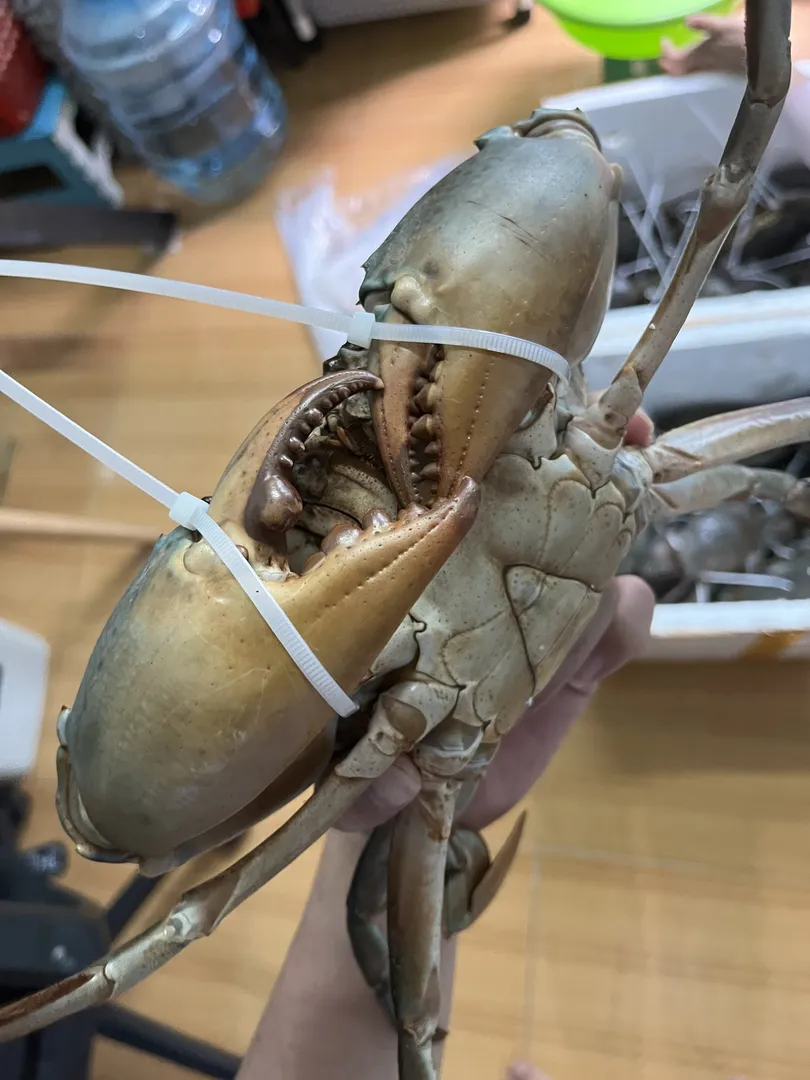
Heritage Ingredient
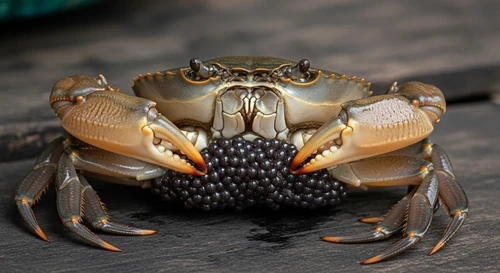
Ca Mau Jumbo Mud Crab
Ca Mau Jumbo Mud Crab
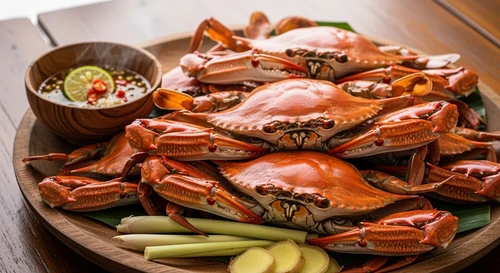
A large male mud crab prized for dense, sweet meat and thick claws, commonly used in steamed crab and grilled crab dishes across the Mekong Delta.
An icon of coastal culinary heritage, featuring firm, sweet meat that captures the raw power and freshness of Ca Mau's tides.
Understanding where your crab comes from – the brackish waters, the mangrove ecosystem – helps you appreciate the need for a gentle thawing process. It's about respecting the journey from river to table.
3 The Chef's Secret: Slow and Steady Wins the Race
The key to retaining that 99% sweetness lies in a controlled, gradual thawing process that mimics how the crab might naturally acclimate. This is often referred to as the "cold water bath" method, and it's surprisingly simple yet incredibly effective.
Choose Your Vessel
Select a bowl or basin large enough to comfortably hold your frozen crab and water. It should be deep enough to fully submerge the crab.
Ice Cold Water is Key
Fill the vessel with cold tap water. Add a generous handful of ice cubes. The colder the water, the slower and more controlled the thawing process.
Submerge and Wait (Patiently)
Place the frozen crab (whole or in pieces) into the ice-cold water. Ensure it's fully submerged. Let it sit.
Change the Water
As the crab thaws, the water will warm up and become cloudy with released impurities. Every 20-30 minutes, drain the water and replenish with fresh cold water and ice. This is crucial for maintaining the cold temperature and purity.
Test for Doneness
The thawing time will vary based on crab size and how frozen it was, typically 1-4 hours. The crab is ready when it's pliable and no longer icy in the center. You should be able to bend a leg easily without resistance. Once thawed, pat it completely dry.
Pro Tips from the Waterways 🛶
Small tweaks can make a big difference when you're working with delicate ingredients from regions like the Mekong.
Salt the Water?
Some swear by adding a tablespoon of salt to the thawing water. This mimics its natural environment and can help prevent flavor loss, especially for crustaceans.
Drain Thoroughly
Before cooking, ensure the crab is completely dry. Excess water dilutes flavors and can lead to steaming rather than searing or frying properly.
Cook Immediately
For optimal texture and flavor, cook the crab as soon as possible after thawing. It’s at its peak, ready to impress.
In the floating markets of the Mekong, freshness is king. Chefs always aim to thaw only what they need, right before preparing it. This respect for the ingredient is what makes delta cuisine so special.
5 The Thawing Taboos
- Do NOT microwave: Unless it's a specific microwave-defrost function, this is a recipe for uneven cooking and rubbery meat.
- Do NOT leave at room temperature for extended periods: While slow thawing is good, leaving raw seafood out too long poses a food safety risk.
- Do NOT re-freeze after thawing: Once thawed, the cellular structure is compromised. Refreezing will further degrade texture and quality.
- Do NOT thaw in salt water if cooking immediately: While salt can be helpful for preserving flavor over a longer thaw, it's often unnecessary and can over-salt the crab if it's going straight to a seasoned dish. Cold, fresh water is generally preferred.
6 Putting the Thaw to the Test
A perfectly thawed crab is a blank canvas, ready to shine in your favorite preparation. Whether it's a simple steam with aromatics, a rich butter garlic sauce, or part of a vibrant Vietnamese seafood stew, the foundation of its quality is laid during the thaw.
Steamed Ca Mau Roe Crab
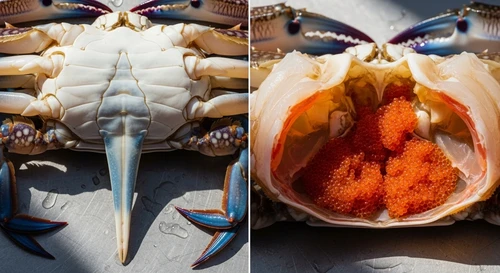
Imagine a steamed Ca Mau roe crab, its shell a fiery orange, revealing rich, custardy roe. Proper thawing ensures that roe is creamy, not grainy. The subtle sweetness of the meat is unmasked by aggressive heat.
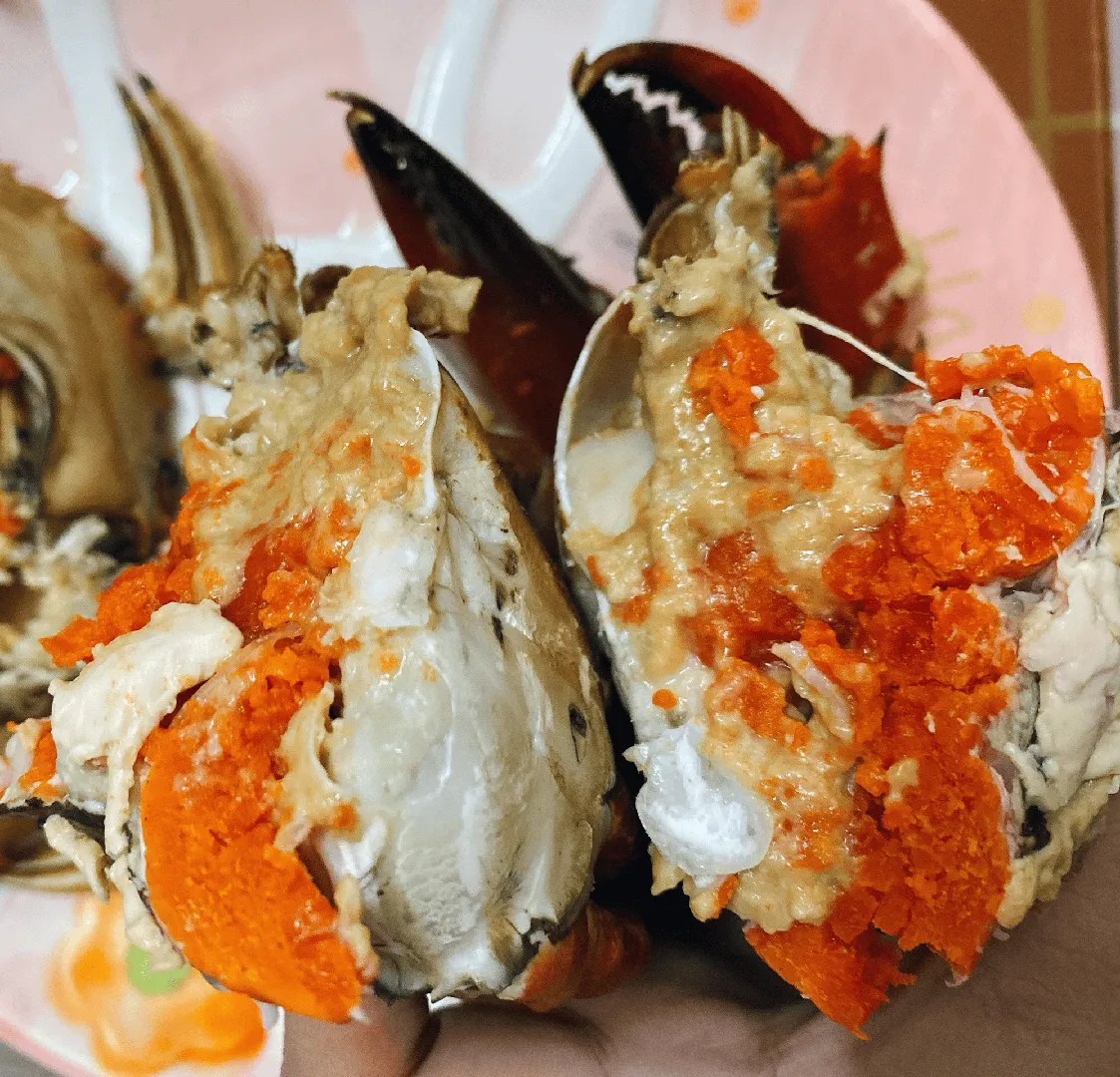
Heritage Ingredient
Ca Mau Roe Mud Crab
Ca Mau Roe Mud Crab
A female mud crab known for deep orange roe and a rich, creamy finish, often featured in celebratory Southern Vietnamese seafood meals.
A crimson treasure hidden within a shell, boasting rich, creamy roe that melts on your tongue like a golden sunset over the delta.
Mekong Delta Crab Hot Pot
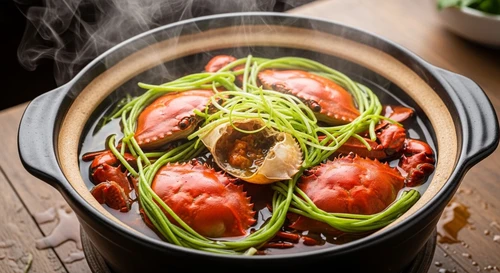
Or picture a bubbling seafood hot pot, where tender crab pieces swim in a fragrant broth. A well-thawed crab retains its integrity, offering tender morsels without disintegrating into the soup.
The goal is always to replicate the quality of a live crab as closely as possible. It’s a testament to the enduring power of good technique, honed by generations of cooks in regions like the Mekong Delta.
7 Beyond the Freeze
The journey of seafood from water to table is complex. While freezing is a practical solution for extending shelf life and global distribution, innovative techniques continue to emerge. Advanced quick-freezing methods (like cryogenic freezing) are designed to minimize ice crystal formation, preserving cellular integrity far better than conventional methods. As technology advances, the gap between truly "fresh" and "frozen" continues to narrow, but the fundamental principle of gentle thawing remains paramount.
For now, the cold water bath is your most reliable ally. It's a method that respects the delicate nature of crab and ensures that even a frozen specimen can deliver that authentic, sweet taste of the Mekong Delta.
8 A Respect for the Catch
Living and working along the Mekong, you learn to appreciate the rhythm of nature. The tides, the seasons, the life that teems in the water – it all informs how we approach food. Freezing is a tool, but how we use it matters. The cold water bath is more than just a technique; it's a philosophy. It's about bringing that piece of the delta, that captured essence of the river's bounty, back to its purest form, ready to be savored.
So next time you pull a frozen crab from your freezer, remember the flowing waters, the patient fishermen, and the simple, profound wisdom of the cold water thaw. Your taste buds will thank you.