" There's a certain thrill that comes with bringing home the freshest catch from the Mekong Delta's vibrant markets. But what happens when your haul exceeds your immediate dinner plans? "

📸 Preserving the bounty from the rich waters of Ca Mau.
1 The Mud Crab: A Mekong Delta Staple
The Mekong Delta, a labyrinth of waterways and lush mangroves, is the undisputed kingdom of the mud crab (Scylla serrata). Towns like Ca Mau and Bac Lieu are synonymous with these crustaceans, their lives and livelihoods intricately tied to the ebb and flow of the tides that nurture them.
From the iconic, meaty claws of the male crab, prized for its dense, sweet flesh, to the rich, deep orange roe of the female – a delicacy that speaks of abundance and celebration – these crabs are more than just food; they are a symbol of the region's natural wealth and culinary heritage. Understanding how to handle them properly, from the moment they're caught to the moment they hit your plate, is part of respecting that heritage.
The Male "Meat Crab"
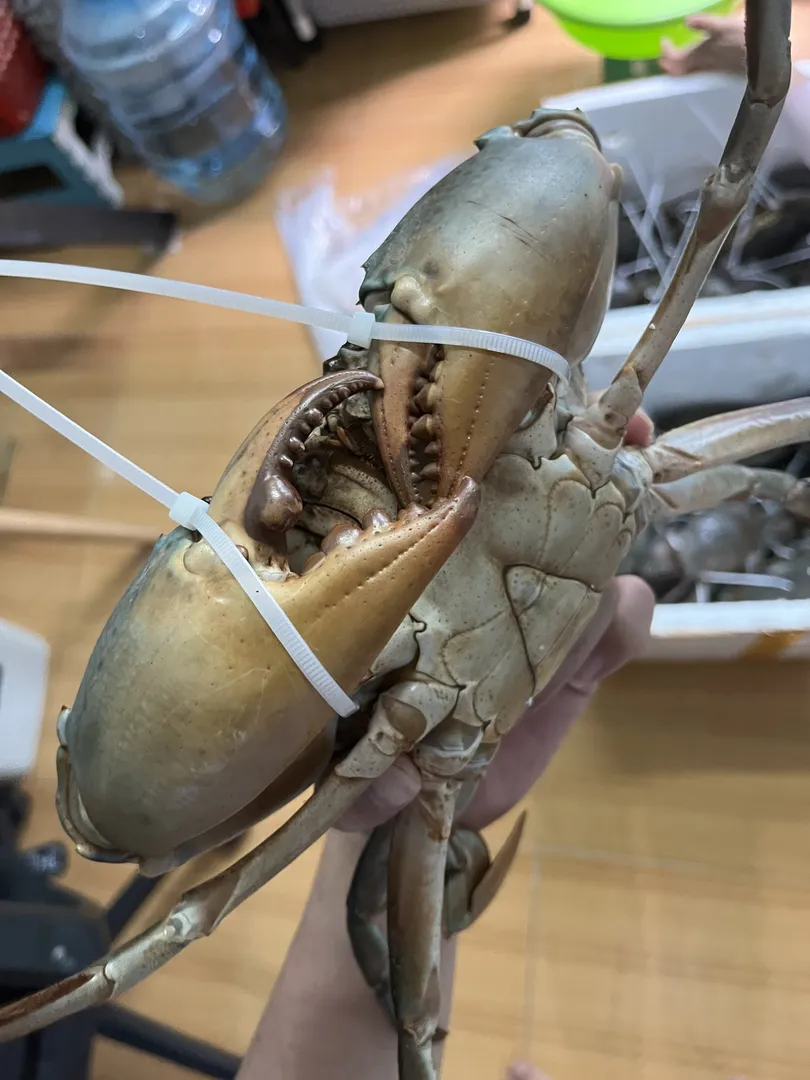
Think thick, substantial claws. Perfect for grilling or steaming, where the pure, sweet flavor of the meat shines through. The Ca Mau Jumbo Mud Crab is a prime example.
Heritage Ingredient
Ca Mau Jumbo Mud Crab
Ca Mau Jumbo Mud Crab
A large male mud crab prized for dense, sweet meat and thick claws, commonly used in steamed crab and grilled crab dishes across the Mekong Delta.
An icon of coastal culinary heritage, featuring firm, sweet meat that captures the raw power and freshness of Ca Mau's tides.
The Female "Roe Crab"
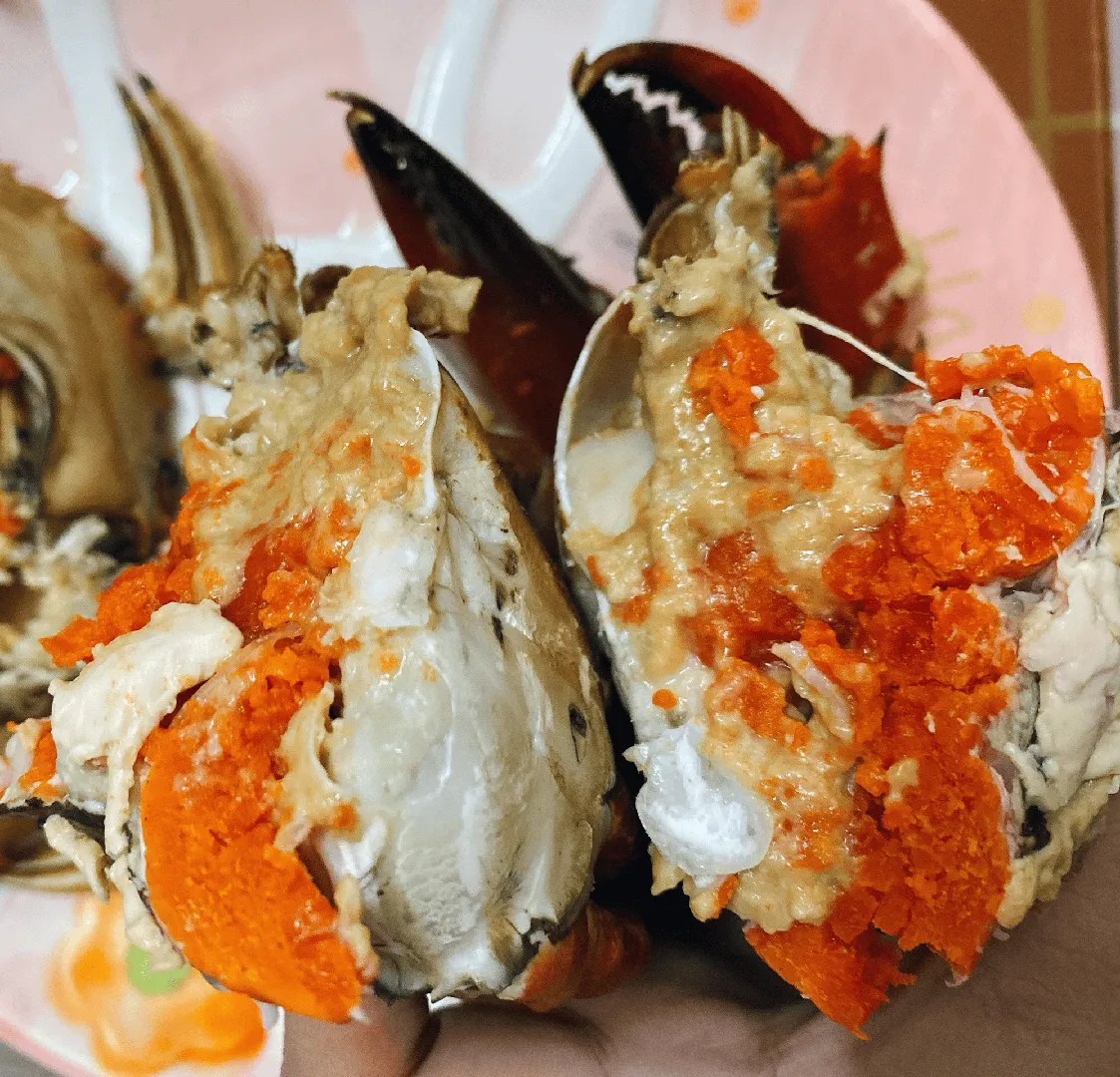
Known for its luxurious, creamy roe. This crab is a centerpiece for special occasions. The Ca Mau Roe Mud Crab is highly sought after.
Heritage Ingredient
Ca Mau Roe Mud Crab
Ca Mau Roe Mud Crab
A female mud crab known for deep orange roe and a rich, creamy finish, often featured in celebratory Southern Vietnamese seafood meals.
A crimson treasure hidden within a shell, boasting rich, creamy roe that melts on your tongue like a golden sunset over the delta.
2 Beyond the Ice Bucket: The Science of Crab Survival
Unlike fish, which can be stored on ice, mud crabs are semi-terrestrial and have specific needs to remain alive outside their natural habitat. Simply packing them in ice or water can be detrimental, leading to a stressed, weakened, or even dead crab.
Common Mistakes to Avoid:
- Submerging in Fresh Water: This is a fast track to killing them. Crabs are saltwater or brackish water creatures; freshwater disrupts their osmotic balance.
- Packing in Ice: While cool temperatures are essential, direct, prolonged contact with ice can freeze or stress them too much, especially if they are weakened from transport.
- Confining Them in Airtight Containers: Crabs need to breathe. Depriving them of air will be fatal.
3 Creating a "Mini-Mangrove" in Your Fridge
The goal is to mimic their natural environment as closely as possible: cool, moist, but not waterlogged, and with adequate air circulation.
Temperature is Key
The ideal temperature range is between 5°C and 10°C (41°F - 50°F). Most refrigerators have a crisper drawer that falls within this range. Avoid the coldest part of your fridge, which can be below freezing.
Moisture Management
This is where the magic happens. You need to maintain humidity without drowning the crabs. Think damp, not wet.
4 The Art of the Chill
Gather Your Supplies
You'll need: a breathable container (like a ventilated plastic bin or a cooler), damp newspaper or paper towels, and ideally, a small, open container of saltwater (or seaweed).
Prepare the Bedding
Thoroughly dampen sheets of newspaper or paper towels. Wring them out well so they are moist, not dripping wet. Line the bottom of your container with these damp sheets.
Position the Crabs
Place the crabs on the damp bedding, ensuring they have space. If you have multiple crabs, stack them carefully, using more damp paper between layers. Do NOT overcrowd.
Cover and Ventilate
Cover the container loosely. If it's a bin, leave the lid slightly ajar. If it's a cooler, prop the lid open slightly. This allows air circulation, which is crucial.
Place in the Fridge
Put the container in the crisper drawer or a shelf that maintains the 5°C - 10°C range. This is where they will stay dormant and alive.
5 The Daily Ritual: Keeping Them Lively
For them to survive up to three days, a little daily attention is necessary:
- Check Moisture: Every 12-24 hours, check the dampness of the paper. If it feels dry, re-dampen it.
- Air Out: Briefly remove the crabs from the container to allow them to get fresh air for a few minutes.
- Remove the Weak: If any crab appears sluggish, weak, or inactive after the first day, it's best to cook it immediately.
A well-kept crab will remain active, tucking its legs and antennae when disturbed, and showing a strong urge to move.
6 The Golden Window: 3 Days Maximum
While these methods are effective, they are temporary solutions. The absolute maximum you should aim to keep mud crabs alive in a refrigerator is three days. After this point, even if they appear active, their quality will decline significantly, and the risk of spoilage increases.
The freshest crab is always the one cooked as soon as possible after purchase. This technique is for when you've secured an exceptional deal or have guests arriving soon. Think of it as preserving a brief moment of peak freshness.
Signs Your Crab is Ready for the Pot (or Past its Prime):
- Active Movement: Legs and antennae tucking in when touched.
- Strong Reaction: Tries to scurry away or pinch when handled.
- NO Foul Odor: A fresh crab smells of the sea, not decay.
- Cook Immediately: If in doubt, cook it.
7 A Different Breed: Soft-Shell Crabs
It's crucial to distinguish between live mud crabs destined for cooking and soft-shell crabs. Soft-shell crabs, like the Vietnamese "Cua Cốm" or "Cua Cốm Cà Mau," are crabs that have just molted their hard outer shell. They are eaten whole, shell and all, and have a distinctly different texture and culinary application.
While they are delicate and also require careful handling, their storage method is different and much shorter. They are typically sold and cooked within a day or two of molting. Keeping a molting crab alive for extended periods in the fridge is not the goal; rather, it's to capture them at that fleeting moment of softness.
Heritage Ingredient
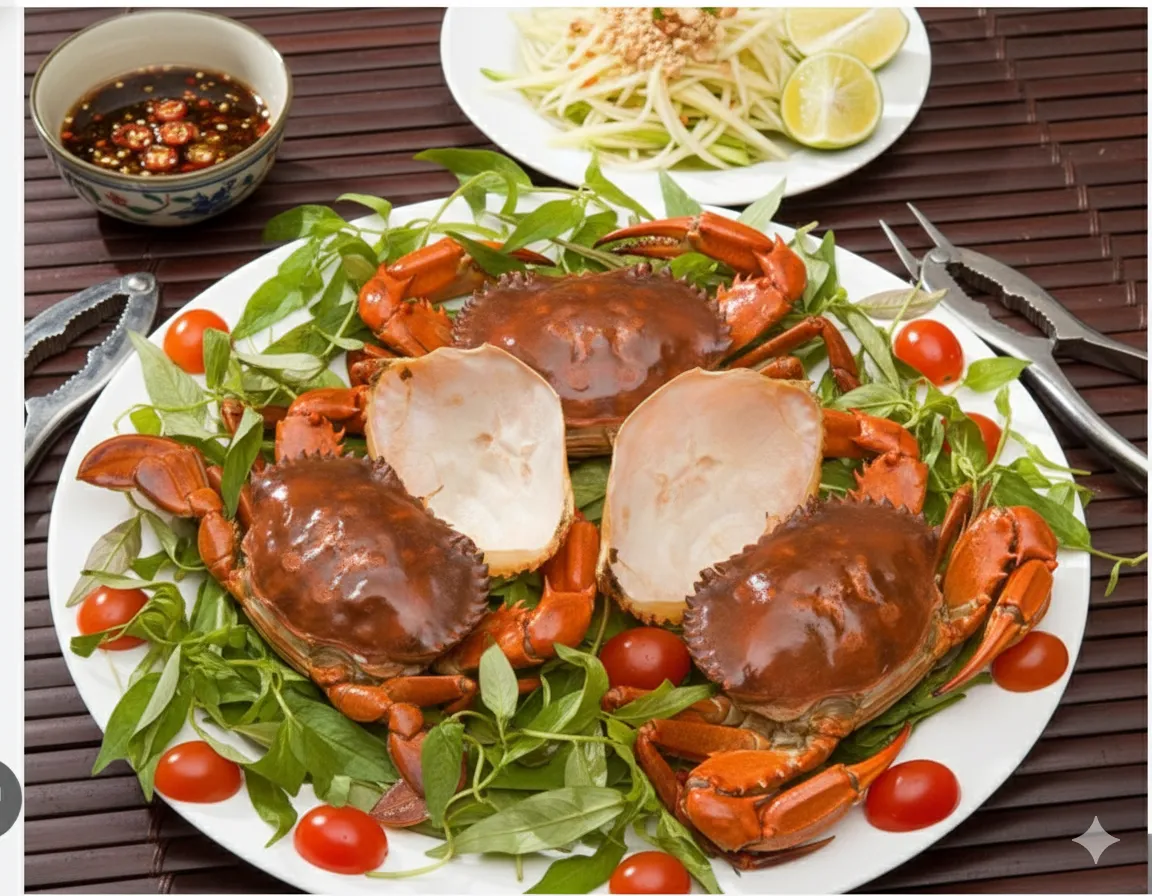
Soft-Shell Butter Crab (Molting Crab)
Soft-Shell Butter Crab (Molting Crab)
A rare molting mud crab from Ca Mau, valued for its edible soft inner shell and exceptionally creamy roe, making it the closest local equivalent to soft-shell crab concepts familiar abroad.
Nature's rare masterpiece—a delicate transition where a soft inner layer protects golden, custard-like roe in a fleeting moment of flavor.
8 The Reward: Pure Delta Flavor
Once you've successfully kept your mud crabs alive, the reward is unparalleled. The best methods are those that let the crab's natural sweetness and briney essence shine.
- Steaming: A classic. Steam with lemongrass, ginger, and perhaps a splash of beer or coconut water.
- Grilling: Halve the crab and grill, brushing with garlic butter or a light chili lime sauce.
- Boiling: Simple and effective, especially for roe crabs, served with a vibrant dipping sauce.
The flavor of a perfectly fresh crab, handled with care, is the true taste of the Mekong Delta. It's a culinary experience that connects you directly to the fertile waters and dedicated people of this incredible region.
More Kitchen Wisdom
View More Food & Culinary
Shrimp Stir-fried with Smashed Garlic & Straw Mushrooms
Blooming Mekong straw mushrooms soak up all the garlic shrimp juices, making an incredibly rice-consuming dish.
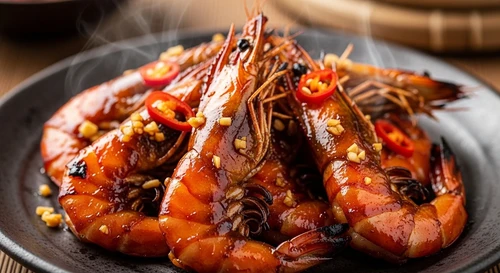
Caramelized Sweet & Salty Whiteleg Shrimp
Thin-shelled whiteleg shrimp roasted until charred, seasoned with fish sauce and sugar, and reduced to a sticky, crunchy glaze.
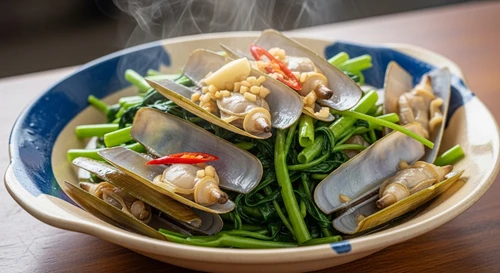
Razor Clams Stir-fried with Garlic Water Spinach
Sand-purged razor clams stir-fried over high heat with bright green water spinach and smashed garlic. A street food pub favorite.
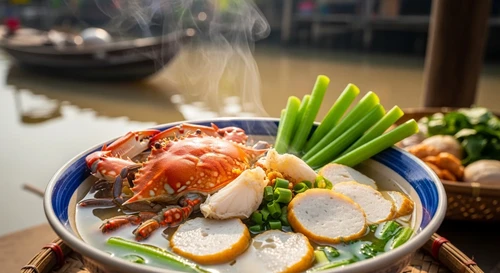
Blue Crab & Fish Cake Noodle Soup with Elephant Ear Stems
A refreshing crab noodle soup with crunchy elephant ear stems and chewy mackerel fish cakes. A perfect breakfast.
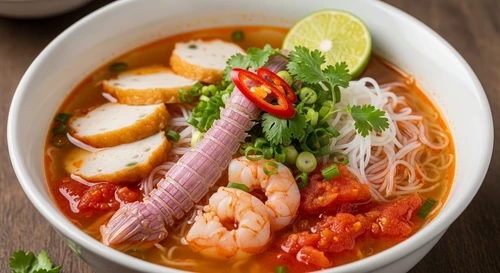
Mantis Shrimp Noodle Soup with Fish Cakes & Minced Tomato
A sweet and sour broth from tomatoes sautéed in scallion fat, fried tofu, mackerel fish cakes, and peeled boiled mantis shrimp.
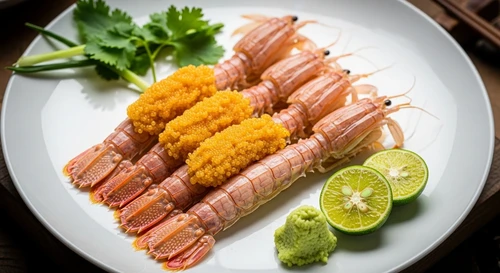
Lemongrass Ginger Steamed Mantis Shrimp with Wasabi
How to boil mantis shrimp without shrinking the meat, preserving the golden roe along the back, dipped in pungent wasabi.
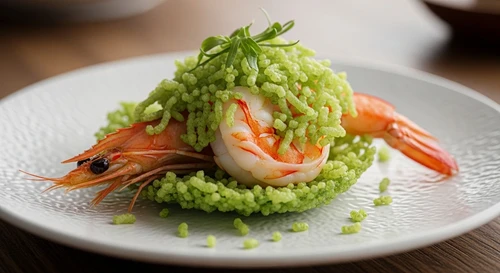
Hanoi Green Young Rice (Com) Fried Shrimp
Coat tiger prawns in Vong village's flattened young green rice (Com) and fry until puffed up, displaying a beautiful green color and sweet aroma.
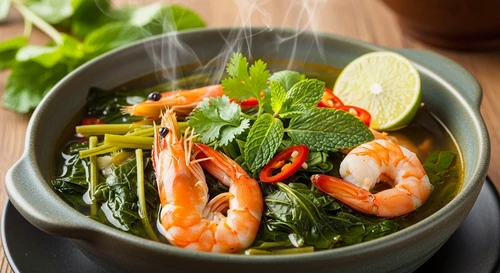
Shrimp Sour Soup with Wood Sorrel (Me Dat)
Wild wood sorrel leaves provide a uniquely refreshing sourness when cooked with smashed whiteleg shrimp.
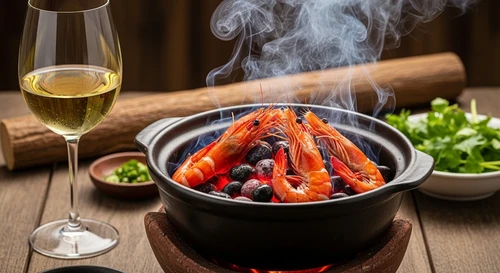
Pebble-Steamed Shrimp with White Wine Spray
Red-hot grilled pebbles placed in a clay pot; pour in shrimp and white wine, close the lid, and steam cook in 1 minute.