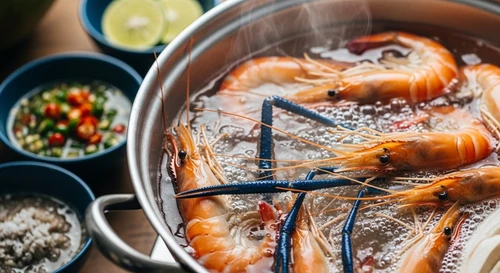
" There's a primal, almost sacred joy in cracking open a perfectly cooked crab, especially when it reveals that deep, vibrant orange treasure. But too often, that treasure leaks away into the boiling water, lost forever. "
1 The Rivers Run Gold: Crab Culture in the Delta
The Mekong Delta, a sprawling tapestry of rivers, canals, and mangrove forests, is Vietnam's rice bowl and, crucially, its seafood basket. Along its southern coast, particularly in provinces like Ca Mau, mud crabs are not just a food source; they are a livelihood and a culinary icon. From the vast tidal flats where they scurry to the bustling floating markets where they're traded, crabs are woven into the very fabric of Delta life.
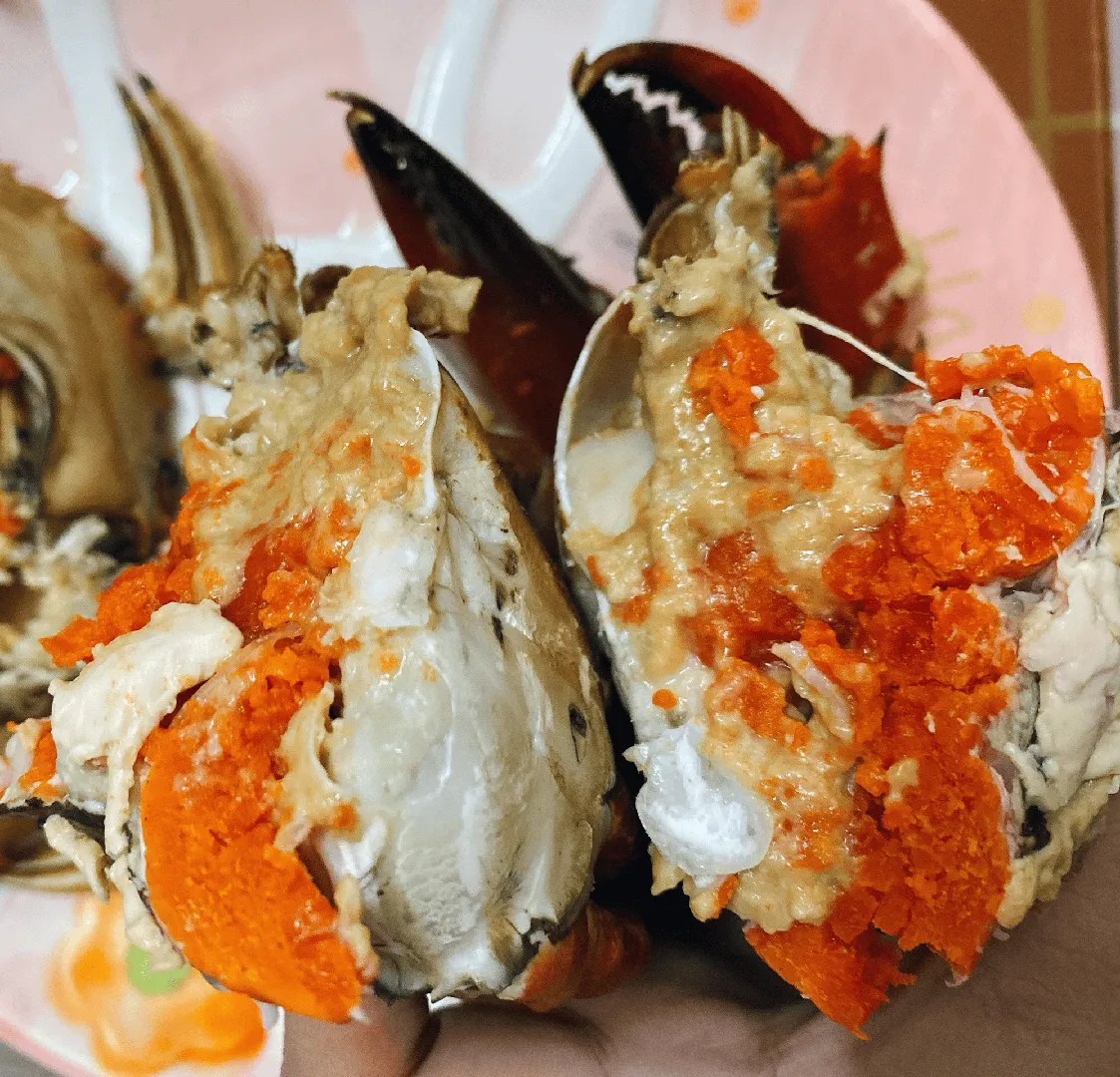
While male crabs offer substantial, sweet meat, it's the female crab, the 'cua gạch', that holds a special place in the hearts of those who savor its rich, creamy roe. This precious cargo, often a deep orange hue, is the ultimate prize. Yet, improper cooking can see this delicacy dissolved into the cooking liquid, a culinary tragedy in a region that reveres its seafood.
Ca Mau's Pride
The prized mud crabs from Ca Mau are renowned for their sweetness and the quality of their roe. It's a taste of the pristine mangrove ecosystems they inhabit.
Heritage Ingredient
Ca Mau Roe Mud Crab
Ca Mau Roe Mud Crab
A female mud crab known for deep orange roe and a rich, creamy finish, often featured in celebratory Southern Vietnamese seafood meals.
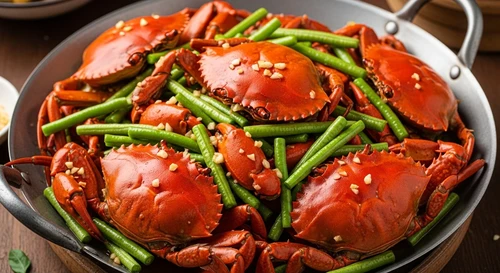
A crimson treasure hidden within a shell, boasting rich, creamy roe that melts on your tongue like a golden sunset over the delta.
The Roe Hunter's Target
Female crabs with abundant roe are particularly sought after for celebrations and special meals across Southern Vietnam.
Heritage Ingredient
Export-Grade Ca Mau Roe Crab
Export-Grade Ca Mau Roe Crab
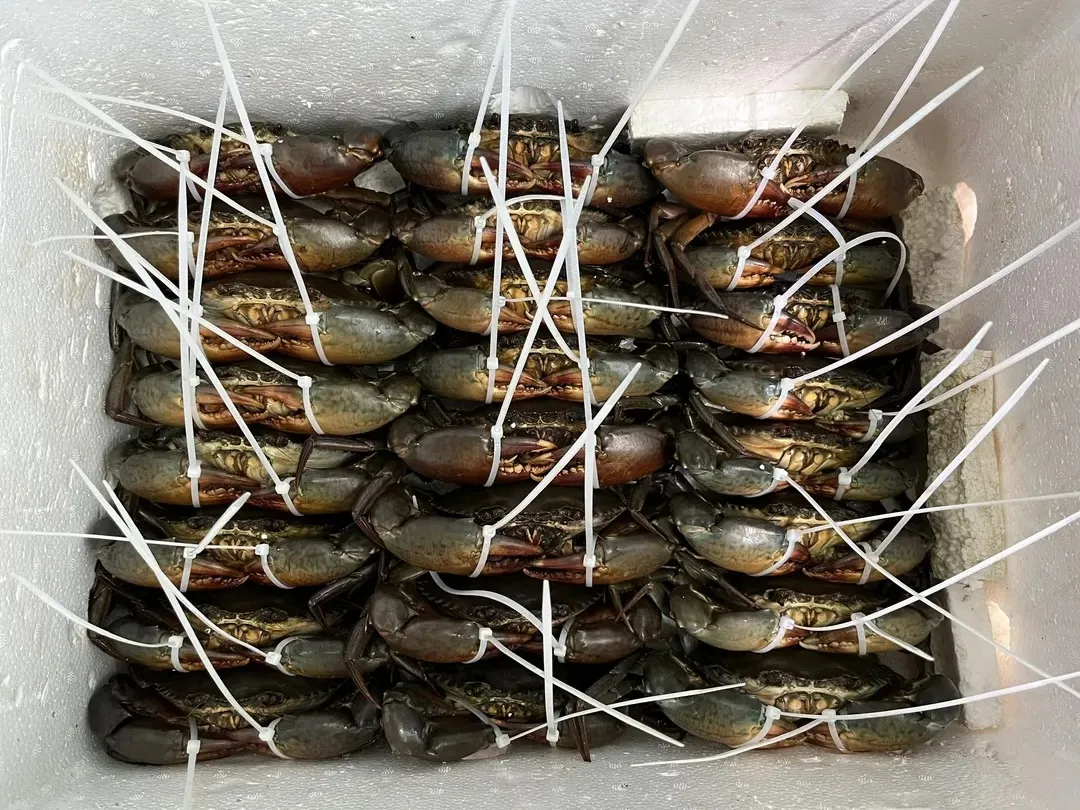
A carefully sorted roe crab selected for size, shell quality, and roe consistency, suitable for explaining premium grading in Vietnamese crab culture.
The pinnacle of perfection—pristine shells and bursting roe, meticulously selected to conquer the hearts of global gourmets.
2 Right-Side Up vs. Upside Down: The Roe Leakage Factor
Let's get straight to the point. If you boil a crab "belly up" (right-side up), gravity is not your friend. The precious roe, nestled in the crab's body cavity, will inevitably spill out into the cooking water as it boils. All that rich flavor, that creamy texture – gone.
The solution is elegantly simple, a trick of physics and culinary wisdom passed down through generations of Mekong Delta cooks. By flipping the crab, you create a natural barrier. The shell's contours, combined with the pressure from the boiling liquid, help contain the roe within its rightful place, ensuring it cooks perfectly and remains ready to be savored.
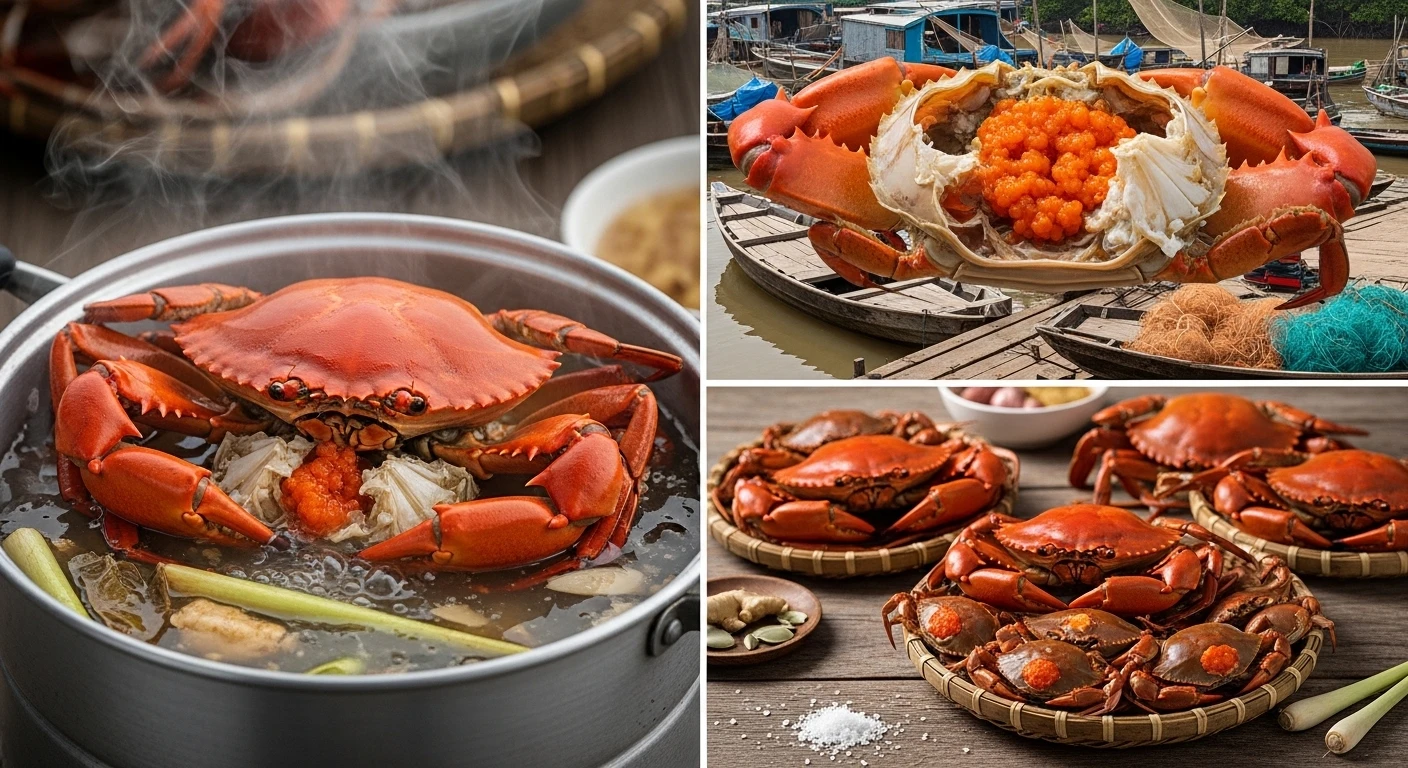
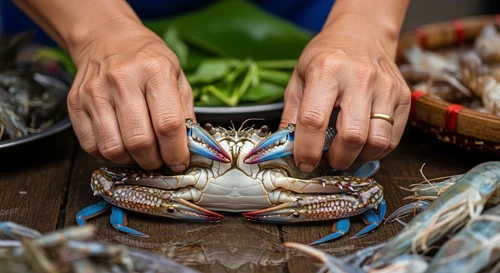
📸 The Key: Crab positioned belly-down for optimal roe retention.
3 The "Belly-Down" Boil: A Simple Masterclass
The Water & Aromatics
Fill a large pot with enough salted water to fully submerge the crabs. Add a generous handful of sea salt. For an extra layer of flavor, consider adding a few slices of ginger, a stalk of bruised lemongrass, or a bay leaf. Bring to a rolling boil.
The Crucial Flip
This is the moment of truth. Take your live crab and carefully place it into the boiling water, belly-down. Ensure it's fully submerged and that the shell is pressed against the bottom of the pot or any ingredients within it.
Boiling Time & Visual Cues
Boil for approximately 10-15 minutes for a medium-sized crab, or longer for larger specimens. The shell will turn a vibrant orange-red. The crab will feel firm to the touch, and the legs will detach easily. Do not overcook, or the meat can become tough.
The Reveal
Carefully remove the crab from the pot using tongs. Let it rest for a minute or two. Then, gently crack open or present it whole. You should see the roe intact, a testament to the successful upside-down boil.
Beyond the Boil: Choosing Your Treasure
Not all crabs are created equal, especially when the roe is your goal. Understanding what to look for is as crucial as the cooking method itself.
The Orange Glow
Look for a crab with a deep, vibrant orange or even reddish roe. A pale or yellowish roe might indicate an older crab or one that has recently molted.
Feel the Weight
A good crab, especially a female with roe, should feel heavy for its size. This indicates it's full of meat and, importantly, dense roe.
Shell Quality
A firm, intact shell is best. Avoid crabs with soft shells or significant damage, which can compromise the roe's integrity.
In the Mekong Delta, the 'virgin crab' or 'young roe crab' (cua yếm vuông) offers a beautiful balance, with meat that is sweet and roe that is tender and less intense than a fully mature roe crab.
Heritage Ingredient
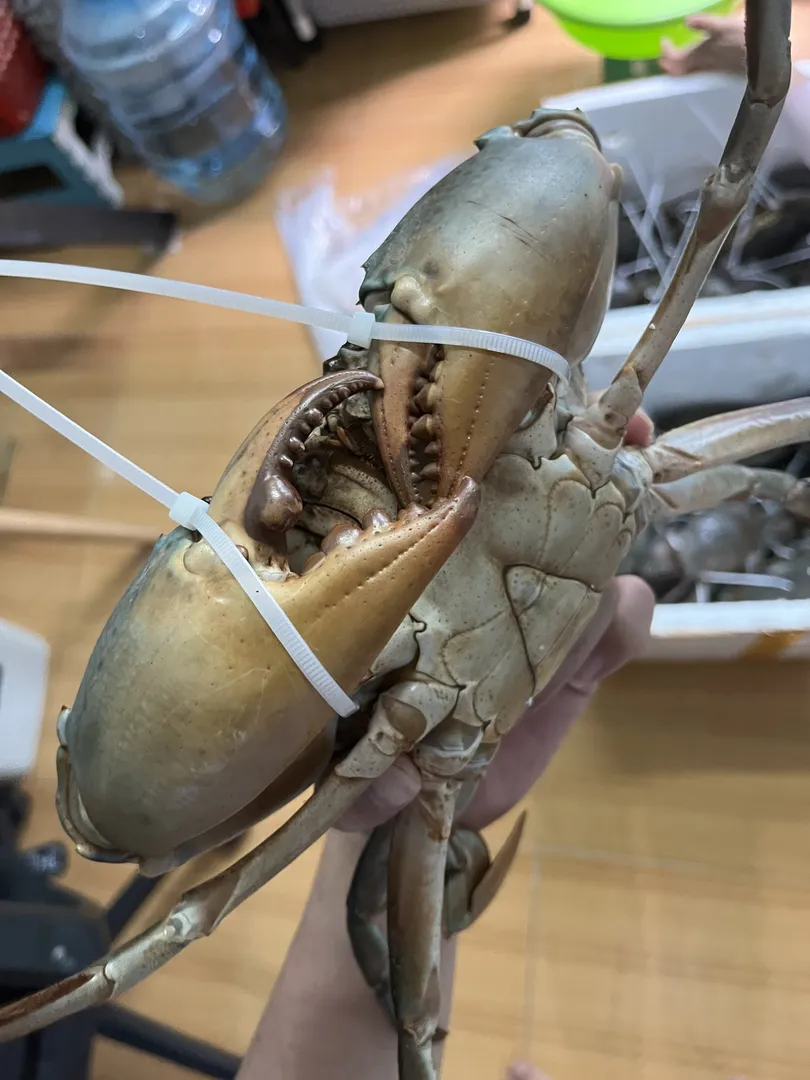
Ca Mau Jumbo Mud Crab
Ca Mau Jumbo Mud Crab
A large male mud crab prized for dense, sweet meat and thick claws, commonly used in steamed crab and grilled crab dishes across the Mekong Delta.
An icon of coastal culinary heritage, featuring firm, sweet meat that captures the raw power and freshness of Ca Mau's tides.
5 Elevating the Humble Boil
While simple boiling is the purest way to taste the crab, Vietnamese culinary traditions, especially in the Mekong Delta, offer delicious variations that complement, rather than mask, the crab's natural flavor.
Steamed with Coconut Water
A beloved method in the coastal regions. Replacing water with fresh coconut water infuses a subtle sweetness and fragrance into the crab. The natural sugars in the coconut water caramelize slightly, enhancing the crab's inherent sweetness.
Steamed with Beer and Lemongrass
A popular celebratory dish. The aromatic steam from beer and lemongrass imparts a unique savory depth and citrusy note that pairs beautifully with the crab, especially its roe.
The Dipping Sauce: Essential Companion
No steamed crab in Vietnam is complete without its accompanying dipping sauce. The classic is a simple yet addictive blend of fresh lime juice, finely minced bird's eye chilies, and sea salt. The acidity cuts through the richness of the crab and roe, while the chili provides a welcome kick. Some variations include a touch of sugar or fish sauce.
The Heart of the Matter: Roe Preservation
It all comes down to one thing: maximizing your enjoyment of the crab's most prized component.
Roe Integrity
The upside-down method acts as a natural containment system for the roe, preventing it from dissolving into the cooking liquid.
Flavor Concentration
By staying within the crab, the roe's rich, creamy flavor is concentrated, offering a more intense and satisfying culinary experience.
7 Cooking Calamities: What NOT to Do
- Overcrowding the Pot: This lowers the water temperature too much, leading to uneven cooking and a lack of steam. Boil crabs in batches if necessary.
- Using Frozen Crabs: For the best texture and flavor, especially for roe, always use live, fresh crabs.
- Under or Overcooking: A general rule is 10-15 minutes per pound, but visual cues (color, firmness) are your best guide.
- Not Seasoning the Water: A good pinch of salt is crucial for drawing out the crab's natural flavor.
The Enduring Taste of the Mekong
This simple technique, so vital in the kitchens of the Mekong Delta, is more than just a method. It's a respect for the ingredient, a nod to the bounty of the waters, and a promise to savor every last, precious bit. When you taste that perfectly preserved roe, you taste the soul of the delta.