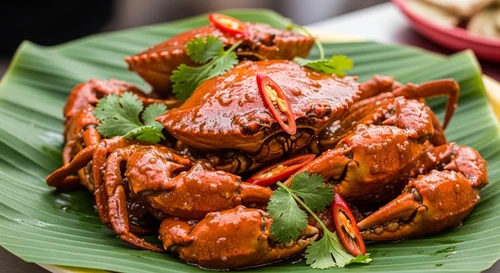
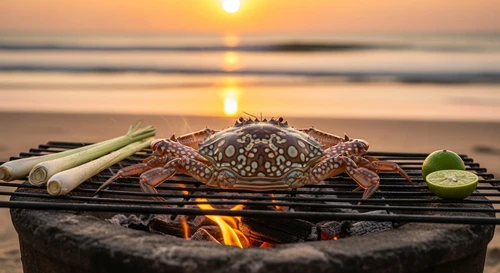
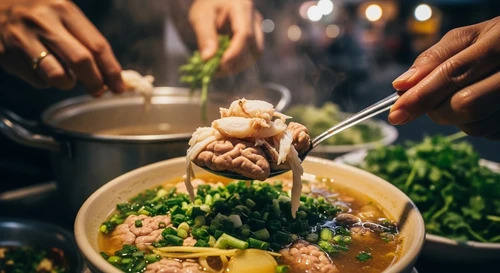
" Dim Sum is more than just food; it's a ritual, a conversation, a delicate dance of textures and flavors. And at its heart, often, lies the humble yet magnificent crab dumpling. "
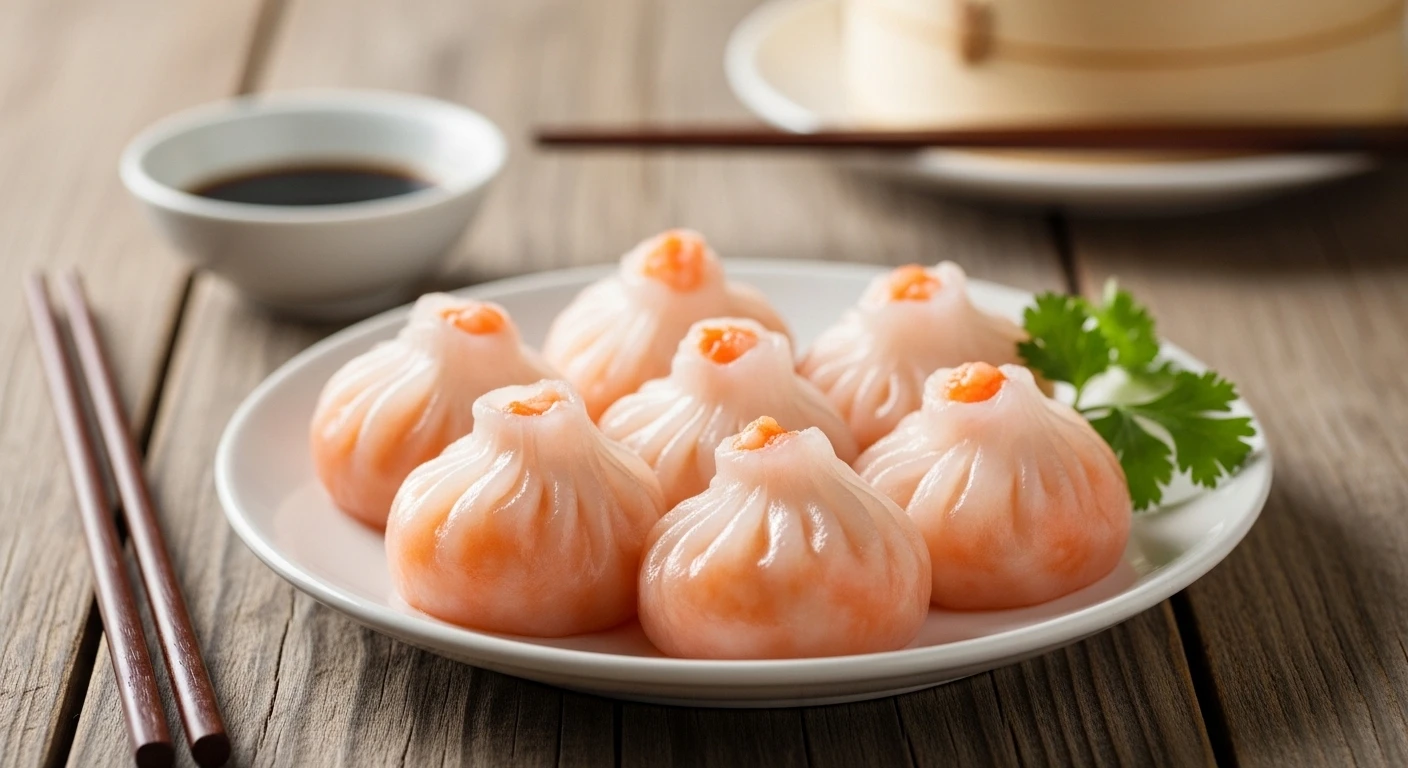
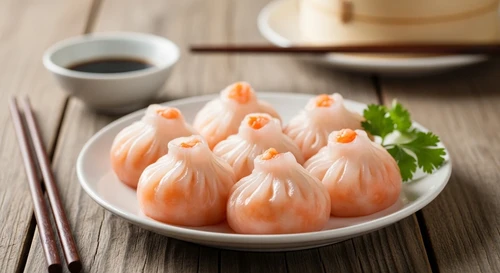
📸 The magic is in the wrapper: a whisper-thin casing revealing its treasures.
1 From the Delta's Embrace: The Crab's Tale
While Ha Cao Cua, or crab dumplings, are a staple across many Asian cuisines, their soul often traces back to the vibrant seafood culture of regions like Vietnam's Mekong Delta. Imagine the vast network of rivers and coastal plains, the emerald green of mangrove forests, where crustaceans thrive in abundance. The sweetness and density of crab meat found here, particularly from the Ca Mau region, are legendary. This isn't just about stuffing dumplings; it's about honoring the incredible bounty of nature.
The Sweetness of Ca Mau
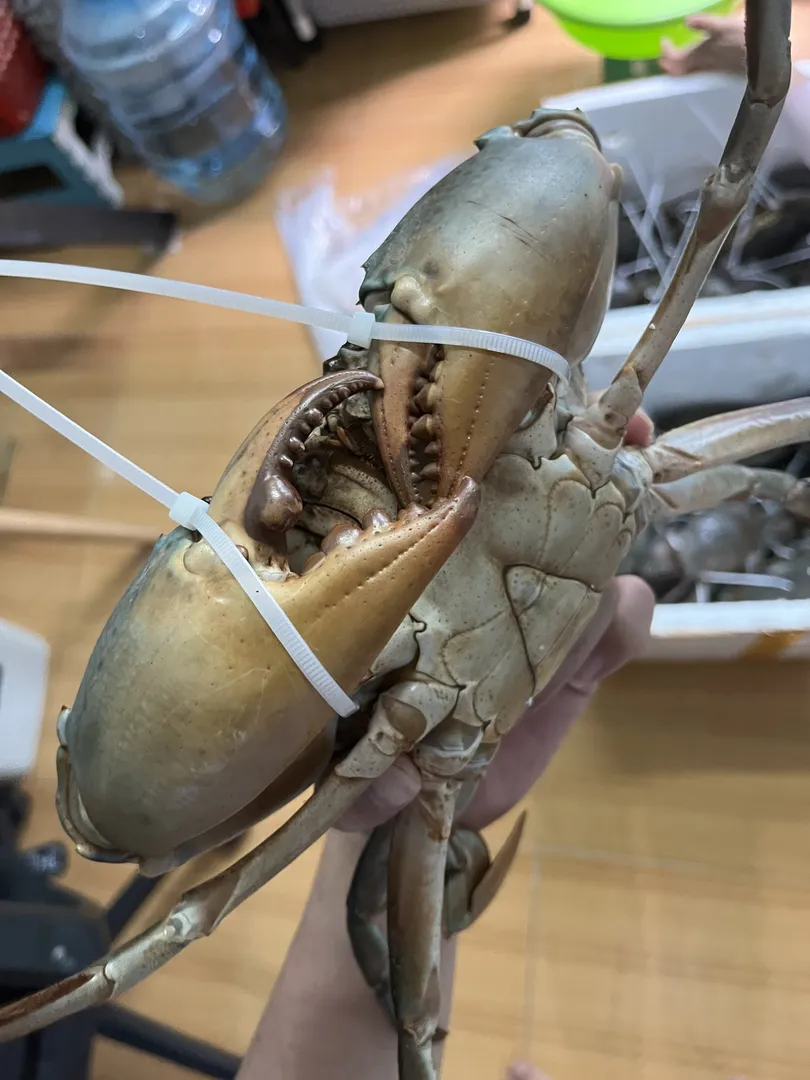
The mud crabs from Ca Mau, prized for their dense, sweet meat, are a prime example of the quality ingredients that elevate this dish. Their rich flavor needs little adornment.
Heritage Ingredient
Ca Mau Jumbo Mud Crab
Ca Mau Jumbo Mud Crab
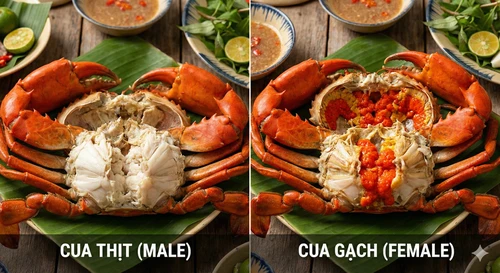
A large male mud crab prized for dense, sweet meat and thick claws, commonly used in steamed crab and grilled crab dishes across the Mekong Delta.
An icon of coastal culinary heritage, featuring firm, sweet meat that captures the raw power and freshness of Ca Mau's tides.
The Delicate Roe
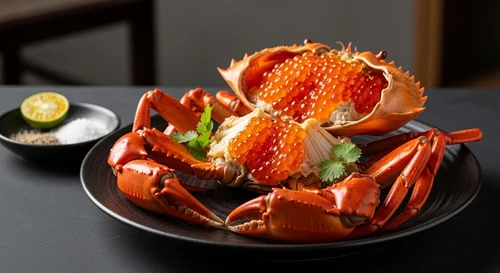
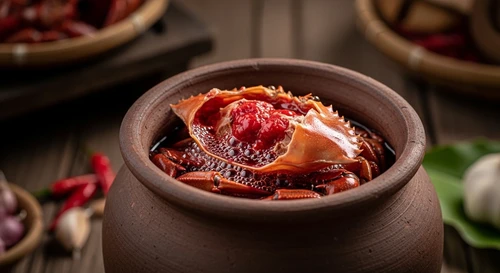
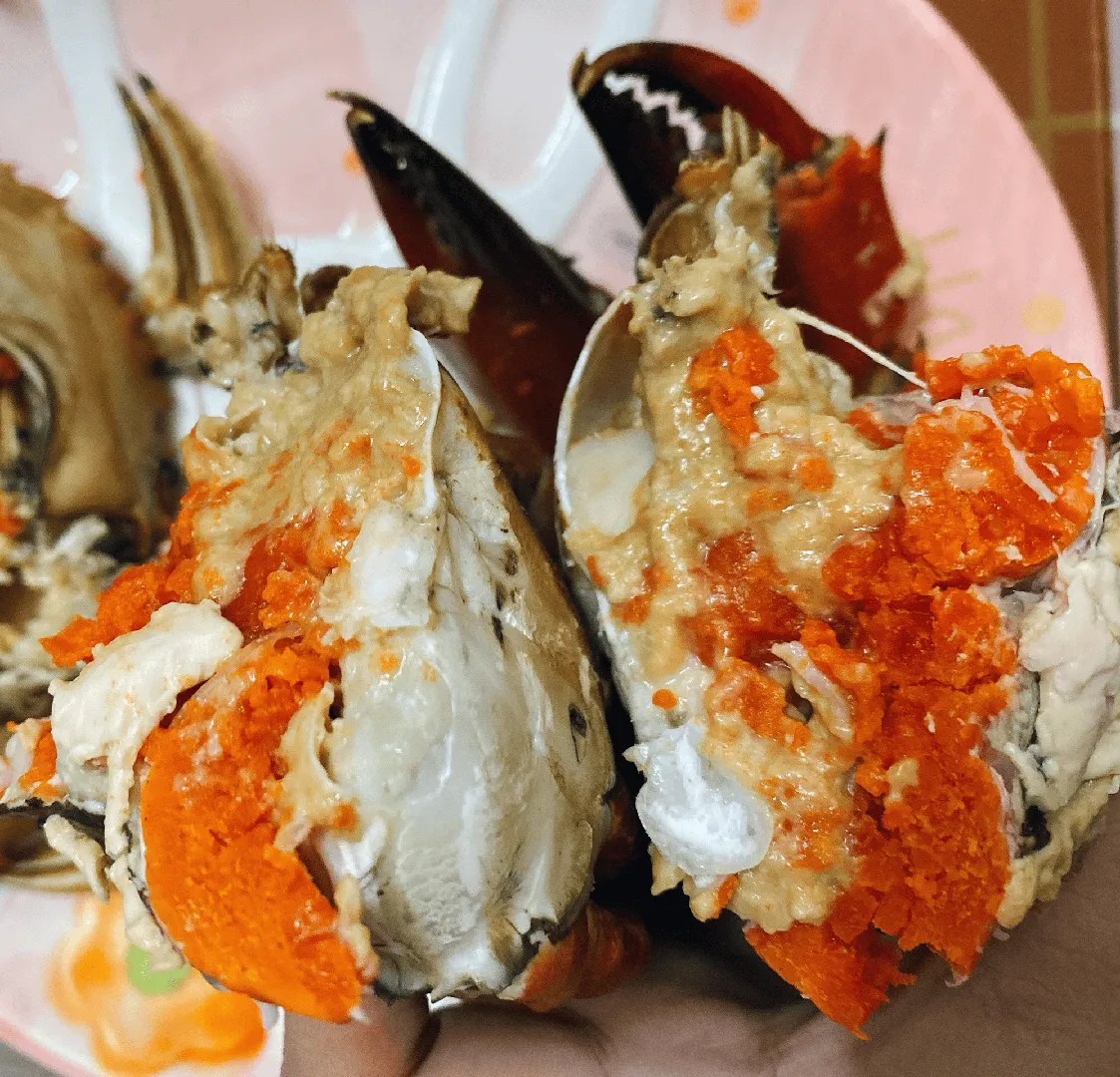
Female crabs, known for their rich, vibrant roe, add another layer of luxury and depth. This creamy orange roe is a delicacy, often reserved for special occasions, and adds an unparalleled richness when combined with the sweet meat.
Heritage Ingredient
Ca Mau Roe Mud Crab
Ca Mau Roe Mud Crab
A female mud crab known for deep orange roe and a rich, creamy finish, often featured in celebratory Southern Vietnamese seafood meals.
A crimson treasure hidden within a shell, boasting rich, creamy roe that melts on your tongue like a golden sunset over the delta.
It's this commitment to quality, the understanding of ingredients harvested from pristine waters, that forms the bedrock of exceptional dim sum. The journey from the muddy banks of the Mekong to your plate is one of meticulous care and deep respect for the sea's offerings.
2 The Wrapper's Whisper: Achieving the Perfect "Ha Cao" Skin
The magic of Ha Cao Cua doesn't lie solely in its filling; the wrapper is an equally crucial component. A true dim sum masterpiece boasts a wrapper that is impossibly thin, almost translucent, yet possesses a delightful chewiness. It should hold its shape during steaming, cradle the precious filling, and offer a gentle resistance that melts away with each bite. This isn't achieved with just any flour.
The Flour Foundation
- Tapioca Starch: This is your secret weapon for translucency and that signature chewiness. Don't be tempted to substitute entirely with wheat flour.
- Wheat Starch: (Not to be confused with all-purpose flour). This starch contributes to the flexibility and sheen of the wrapper.
The Binding Agent & Heat
- Hot Water: Crucial for "scalding" the flour mixture, which gelatinizes the starches and creates a pliable, extensible dough.
- A Pinch of Salt: For flavor balance.
- A touch of Oil: For smoothness and to prevent sticking.
3 The Heart of the Dumpling: A Symphony of Seafood
The filling is where the true star shines. It's a delicate balance, ensuring the sweet, briny flavor of the crab is front and center, complemented rather than overwhelmed by other ingredients.
The Star: Crab Meat
Use freshly cooked crab meat, preferably from the claw and leg. Flake it gently to retain texture. Aim for a mix of larger pieces and finer flakes for complexity.
The Supporting Actor: Shrimp
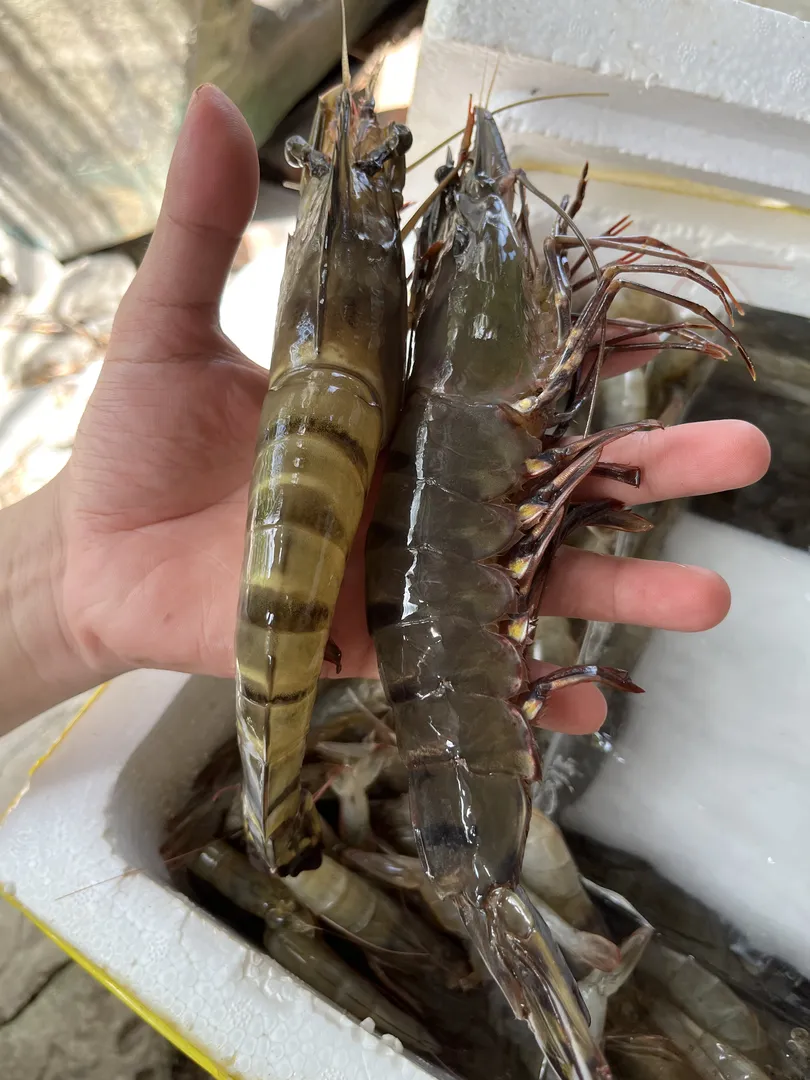
Finely minced or chopped shrimp add a springy texture and a complementary sweetness. Black tiger shrimp, known for their firm flesh, are an excellent choice.
Heritage Ingredient
Ca Mau Black Tiger Shrimp
Ca Mau Black Tiger Shrimp
Large black tiger shrimp associated with mangrove aquaculture in Ca Mau, known for firm flesh and a cleaner, sweeter finish than intensively farmed shrimp.
Wild spirits of the mangroves, these black-banded gems deliver a firm, snappy texture and a sweetness that echoes the forest's vibrant life.
The Seasoning Accents
A whisper of white pepper, a hint of sesame oil, a touch of soy sauce (or fish sauce for a deeper umami), and finely chopped chives or scallions for brightness. Don't over-season; let the seafood sing.
4 The Art of the Fold: Crafting the Perfect Ha Cao
This is where patience and practice pay off. The goal is a beautiful, pleated half-moon shape that is both visually appealing and structurally sound.
Prepare the Dough
Mix tapioca starch and wheat starch. Gradually add hot water while stirring with chopsticks until a shaggy dough forms. Knead briefly until smooth. Cover and rest.
Divide and Roll
Divide the dough into small portions. Roll each into a thin, round wrapper about 3-4 inches in diameter. Keep them covered to prevent drying.
Fill and Pleat
Place a spoonful of filling in the center. Fold the wrapper in half. Make small pleats along one edge, pressing each pleat to seal it against the other side.
Shape and Arrange
Ensure the dumpling is well-sealed. Arrange on a lightly oiled surface or parchment paper, ensuring they don't touch.
5 The Steaming Ritual: Unlocking the Flavors
Steaming is the only way to cook Ha Cao Cua, preserving the delicate flavors and textures of the seafood and allowing the wrapper to achieve its signature translucency.
The Technique
- Prepare your steamer: Ensure it's large enough to hold the dumplings without overcrowding. Add water and bring to a rolling boil.
- Line the steamer: Use parchment paper with holes poked in it, or cabbage leaves, to prevent sticking and allow steam circulation.
- Arrange dumplings: Place dumplings in a single layer, leaving a little space between them.
- Steam with care: Steam over high heat for 8-10 minutes, or until the wrappers are translucent and the filling is cooked through.
- Serve immediately: Dim sum is best enjoyed piping hot.
The Essential Kiss: Dipping Sauces
While delicious on their own, Ha Cao Cua are elevated by the right dipping sauce. The classic pairings balance the rich seafood with a touch of tang or spice.
1. Soy-Vinegar Dip
A simple, zesty blend of soy sauce, black vinegar, a hint of sugar, and finely minced garlic.
2. Chili Oil
For those who crave a bit of heat. A good quality chili oil, perhaps infused with Sichuan peppercorns for an extra dimension.
3. Sweet Chili Sauce
A widely loved option, offering a sweet and slightly spicy counterpoint to the savory crab.
7 A Global Palate: The Enduring Appeal of Ha Cao Cua
The journey of Ha Cao Cua from humble origins in coastal communities to beloved dim sum restaurants worldwide is a testament to its universal appeal. Whether you're savoring them in a bustling Hong Kong tea house, a family-run eatery in the Mekong Delta, or a modern restaurant in London, the essence remains the same: pure, unadulterated seafood delight encased in a delicate embrace. This dish transcends borders, a delicious ambassador of Asian culinary artistry, proving that sometimes, the simplest ingredients, treated with respect and skill, can create something truly extraordinary.
The attention to detail, from sourcing the freshest crab to mastering the perfect pleat, is what transforms this dish from mere sustenance to an edible work of art. It’s a culinary experience that nourishes both body and soul, a reminder of the rich tapestry of flavors and traditions that the world of food has to offer.