" Forget your delicate consommés. This is the real deal. It’s soul-warming, deeply satisfying, and a testament to the ingenuity of Vietnamese street vendors who turn humble ingredients into culinary gold. "
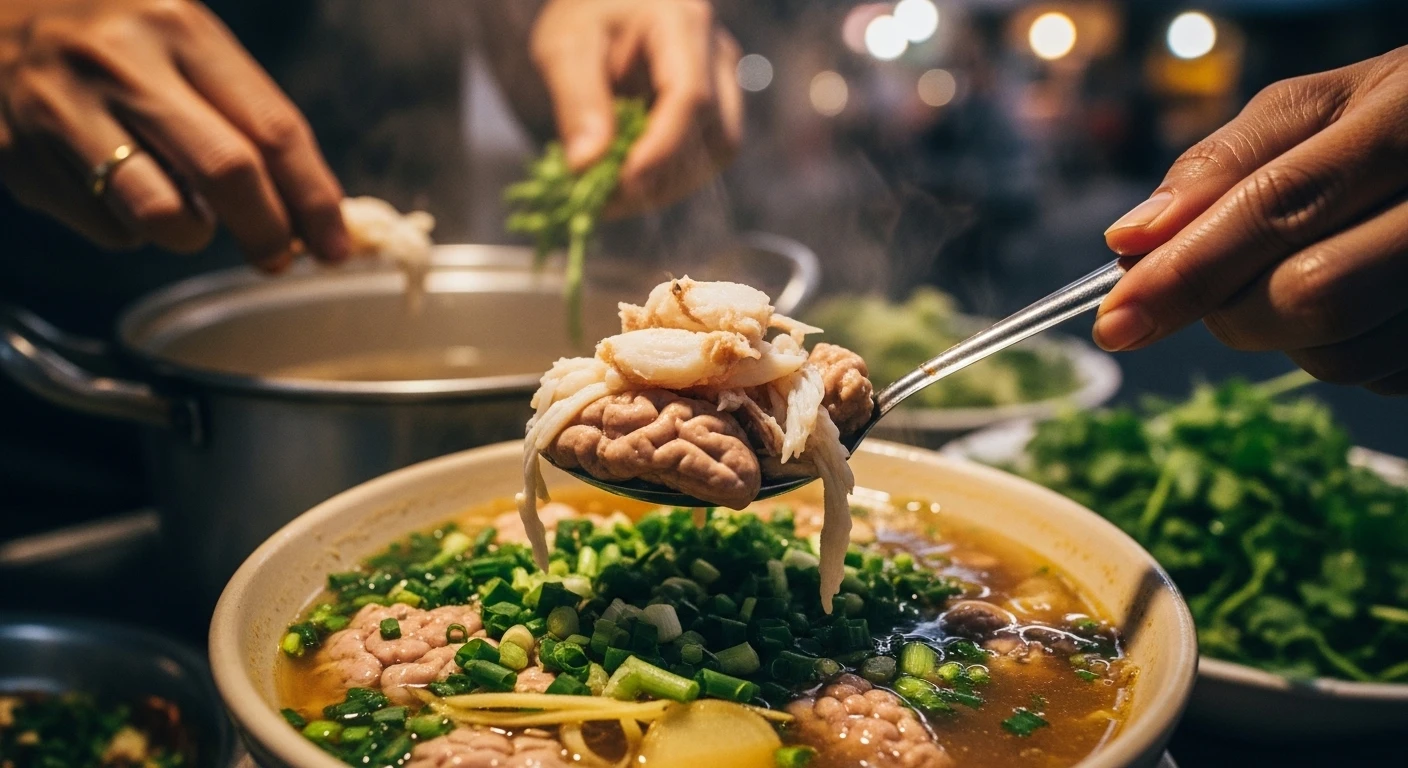
📸 The heart of the dish: A close-up revealing the delicate strands of crab and the creamy richness of the pork brain.
1 From the Rivers to the Streets: A Delta Story
Southern Vietnam, particularly the sprawling Mekong Delta, is a land where lifeblood flows through its intricate network of rivers and canals. This is where the freshest seafood flourishes, from the sweet, succulent mud crabs of Ca Mau, prized for their dense meat, to the vibrant roe crabs, offering a creamy, luxurious experience.
The Mekong Delta's culinary identity is deeply intertwined with its aquatic abundance. Crab, in its myriad forms, is a staple. But this dish, Sup Cua Oc Heo, takes it a step further, marrying the ocean's gift with a surprising, yet harmonious, partner: pork brain. This isn't a concept you find in every corner of the world, but in the bustling street food scene of Saigon (Ho Chi Minh City), it’s a beloved classic. It speaks volumes about the resourcefulness and bold flavors of Vietnamese cuisine.
Heritage Ingredient
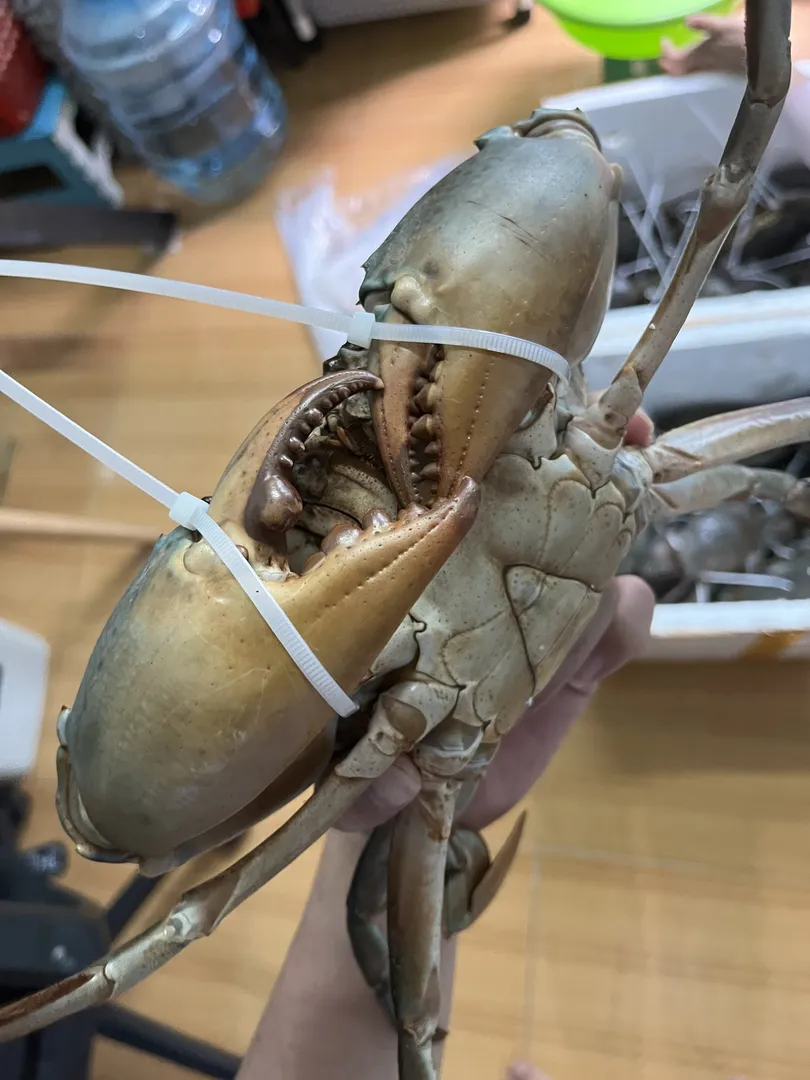
Ca Mau Jumbo Mud Crab
Ca Mau Jumbo Mud Crab
A large male mud crab prized for dense, sweet meat and thick claws, commonly used in steamed crab and grilled crab dishes across the Mekong Delta.
An icon of coastal culinary heritage, featuring firm, sweet meat that captures the raw power and freshness of Ca Mau's tides.
Heritage Ingredient
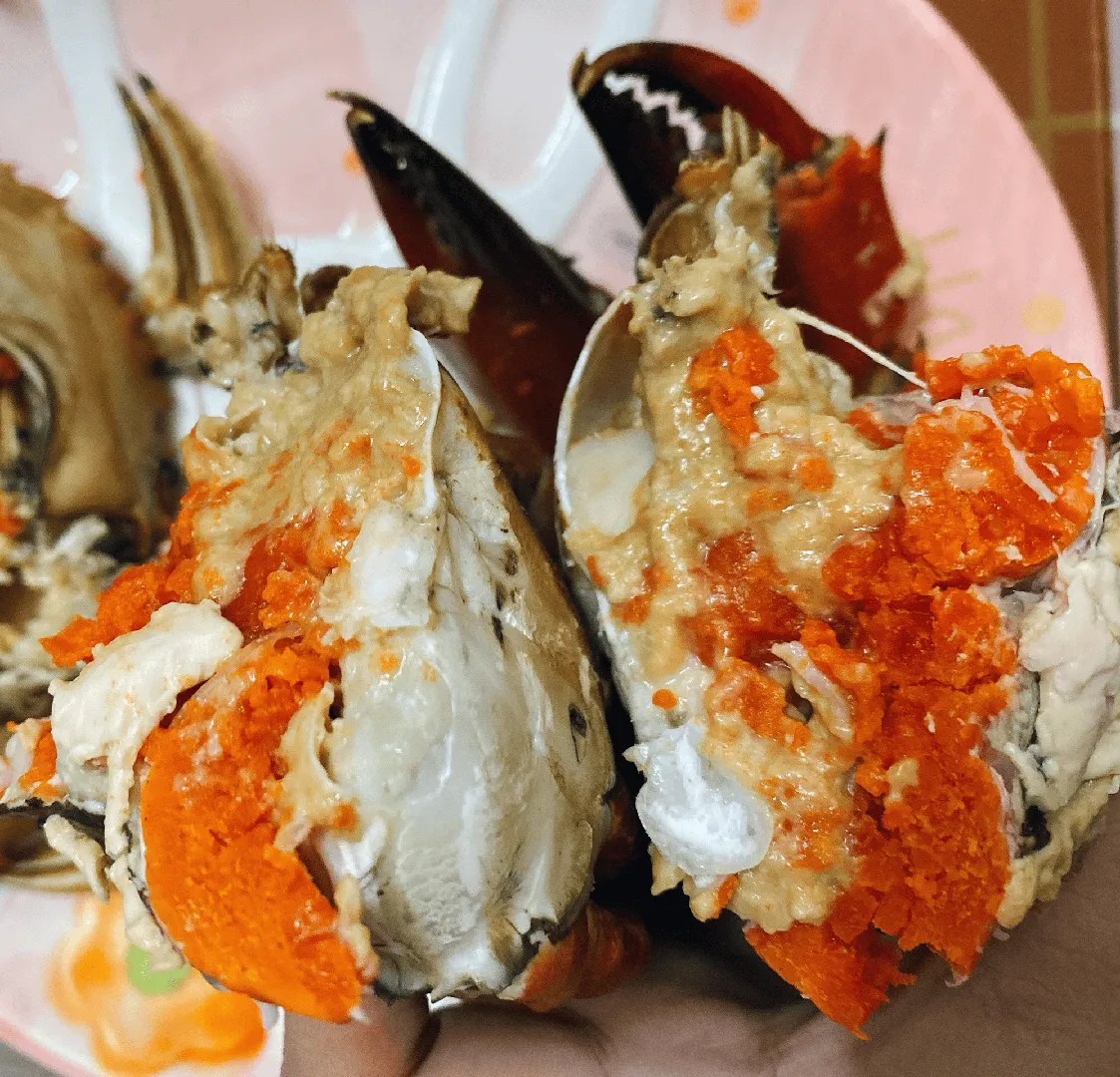
Ca Mau Roe Mud Crab
Ca Mau Roe Mud Crab
A female mud crab known for deep orange roe and a rich, creamy finish, often featured in celebratory Southern Vietnamese seafood meals.
A crimson treasure hidden within a shell, boasting rich, creamy roe that melts on your tongue like a golden sunset over the delta.
2 A Symphony of Creaminess and Sweetness
The true genius of Sup Cua Oc Heo lies in its incredible texture. Imagine tender, sweet shreds of crab meat – the kind that speaks of a life spent foraging in brackish waters – gently mingling with the impossibly smooth, almost custardy richness of cooked pork brain.
Pork brain, when cooked properly, loses any gamey notes and transforms into a delicate, silken texture that melts in your mouth. It's a perfect foil to the slightly fibrous sweetness of the crab. This isn't just a soup; it's an experience. It coats your palate, leaving a lingering warmth and a sense of profound comfort. It’s a dish that respects both the preciousness of seafood and the humble origins of its other star ingredient.
3 Building the Flavor Foundation
While the crab and brain are the stars, the soup itself is a masterclass in subtle, aromatic flavor building. It begins with a light, clear broth, often made from chicken or pork bones, simmered patiently to extract maximum flavor without heaviness.
Then come the aromatics. Smashed lemongrass, ginger, and sometimes a whisper of garlic are gently bruised and simmered in the broth. These are not meant to overpower, but to lend a fragrant, herbaceous depth that cuts through the richness of the brain and enhances the sweetness of the crab. It’s a delicate dance of flavors, where each element plays its part without stealing the show.
4 The Alchemical Art of Preparation
Crab Prep
Live mud crabs are cleaned, and their meat is carefully extracted, often steamed lightly first to make shelling easier. The shell fragments are discarded; only the succulent meat is used.
Brain Preparation
Pork brains are thoroughly cleaned and typically blanched or gently simmered until firm enough to handle, then carefully broken into small, manageable pieces.
The Simmer
The aromatic broth is brought to a gentle simmer. The crab meat and pork brain pieces are carefully introduced and cooked just until heated through. Overcooking will toughen the crab and break down the brain too much.
Thickening & Garnish
A slurry of tapioca starch or cornstarch is whisked in to give the soup its characteristic body. It's then garnished with fresh chopped scallions, cilantro, and sometimes a sprinkle of fried shallots for crunch.
5 Finding Your Bowl of Comfort
This is a dish best enjoyed where it was born: on the bustling streets of Saigon. Seek out the vendors who have been serving this for decades. You'll often find them in the early morning or late evening, their carts a beacon of delicious aromas.
It’s typically served in a modest ceramic bowl, a generous portion of the rich soup ladled over a bed of fluffy white rice or eaten on its own with a spoon and perhaps a side of fresh herbs. The accompanying condiments might include chili sauce, lime wedges, and perhaps some pickled mustard greens. It’s unpretentious, incredibly flavorful, and a true taste of local life.
The beauty of Vietnamese street food, and this soup in particular, is its accessibility. It doesn’t require a fancy restaurant setting; it thrives in the heart of the city, connecting people through shared culinary experiences. It’s a dish that tells a story of the land, the ingredients, and the people who create magic with them.
Heritage Ingredient
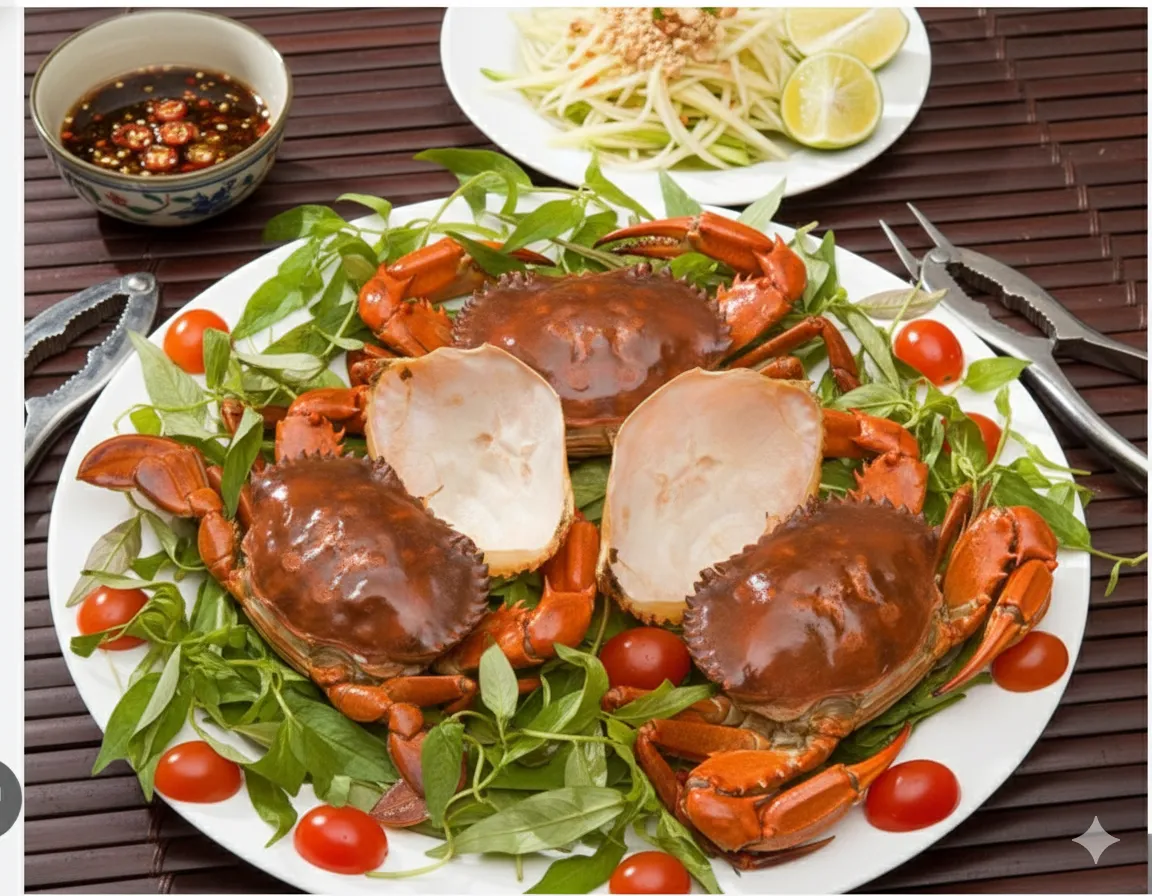
Soft-Shell Butter Crab (Molting Crab)
Soft-Shell Butter Crab (Molting Crab)
A rare molting mud crab from Ca Mau, valued for its edible soft inner shell and exceptionally creamy roe, making it the closest local equivalent to soft-shell crab concepts familiar abroad.
Nature's rare masterpiece—a delicate transition where a soft inner layer protects golden, custard-like roe in a fleeting moment of flavor.
6 Beyond the Bowl: Tips for Home Cooks
Recreating Sup Cua Oc Heo outside of its native environment requires attention to a few key details:
- Ingredient Quality is Paramount: Especially the crab. If you can't get fresh, live mud crabs, opt for the highest quality fresh crab meat available. Frozen crab will simply not deliver the delicate sweetness required.
- Handle the Brain with Care: Ensure the pork brain is meticulously cleaned and handled hygienically. A quick blanching step is crucial for texture and safety.
- Don't Overcook: This is the cardinal sin. The crab should be just cooked through, and the brain should remain tender and creamy.
- The Broth Matters: A good, clear, and subtly flavored broth forms the backbone of the soup.
- The Aromatic Balance: Lemongrass and ginger should perfume, not dominate.
While the exact method might vary slightly from vendor to vendor, the essence of this dish remains: a harmonious marriage of oceanic sweetness and creamy richness, elevated by fragrant aromatics. It’s a testament to the vibrant, innovative spirit of Vietnamese street food, a spirit that has captivated palates worldwide.
7 A Taste of Saigon's Soul
Sup Cua Oc Heo is more than just a meal; it's a cultural artifact. It represents the resourcefulness of Vietnamese home cooks and street vendors who have learned to utilize every part of available ingredients. In a region as fertile and abundant as the Mekong Delta, this approach to food is deeply ingrained. The dish embodies a tradition of turning simple, local produce into something extraordinary.
For many Vietnamese, particularly those who grew up in the South, this soup evokes fond memories of childhood, family gatherings, and the comforting familiarity of street food stalls. It's a dish that bridges generations and socio-economic divides, enjoyed by everyone from students grabbing a quick lunch to families seeking a hearty, nourishing meal.
8 The Unmistakable Mark of a Classic
What makes a dish a "classic"? For Sup Cua Oc Heo, it's the perfect synergy of contrasting elements: the inherent sweetness of crab and the luxurious, melt-in-your-mouth texture of pork brain, all brought together in a fragrant, soul-warming broth. It’s a dish that challenges preconceptions and rewards the adventurous palate. It's honest, it's comforting, and it's undeniably delicious. It stands as a proud ambassador of Saigon's vibrant, often unexpected, street food culture.