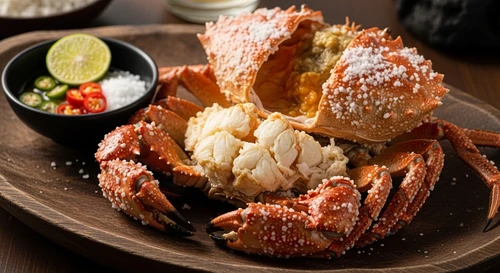
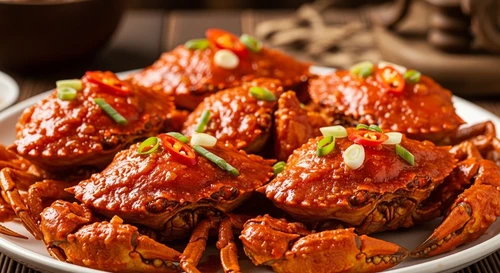
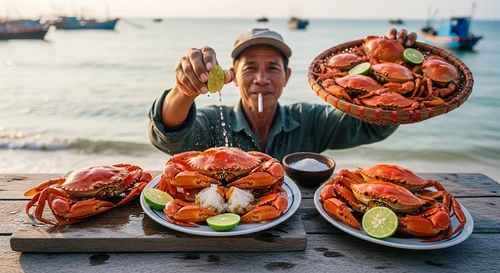
" In the heart of the Mekong Delta, where the rhythm of life is tied to the ebb and flow of the rivers, seafood is not just food; it's a livelihood, a tradition, and a profound connection to the land and water. "
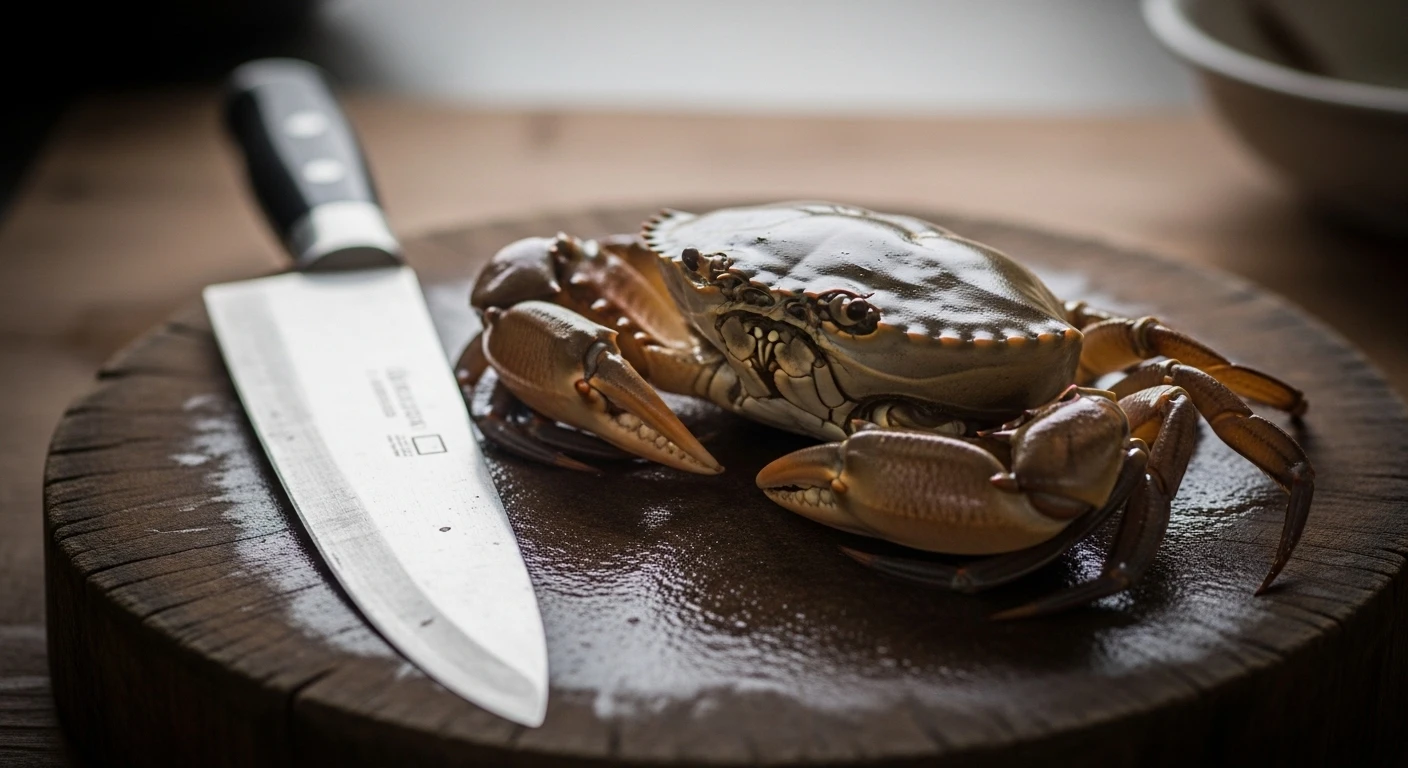
📸 Preparing the bounty: A moment of respect before the meal.
1 The Soul of the Delta: Crab Culture
The Mekong Delta, a sprawling labyrinth of rivers, canals, and rice paddies, is Vietnam's agricultural heartland and a veritable ocean of flavor. Here, mud crabs are more than just a culinary staple; they are woven into the fabric of daily life. From the vast mangrove forests of Ca Mau, where prized mud crabs thrive, to the bustling floating markets where they are traded, these crustaceans represent resilience, sustenance, and a deep-seated respect for nature's offerings.
Understanding how to prepare them, with care and respect, is as crucial as knowing the best way to cook them. It’s a small but significant gesture that honors the journey from the water to your plate. This isn't about squeamishness; it's about recognizing the life that sustains us and approaching our food with mindfulness.
Heritage Ingredient
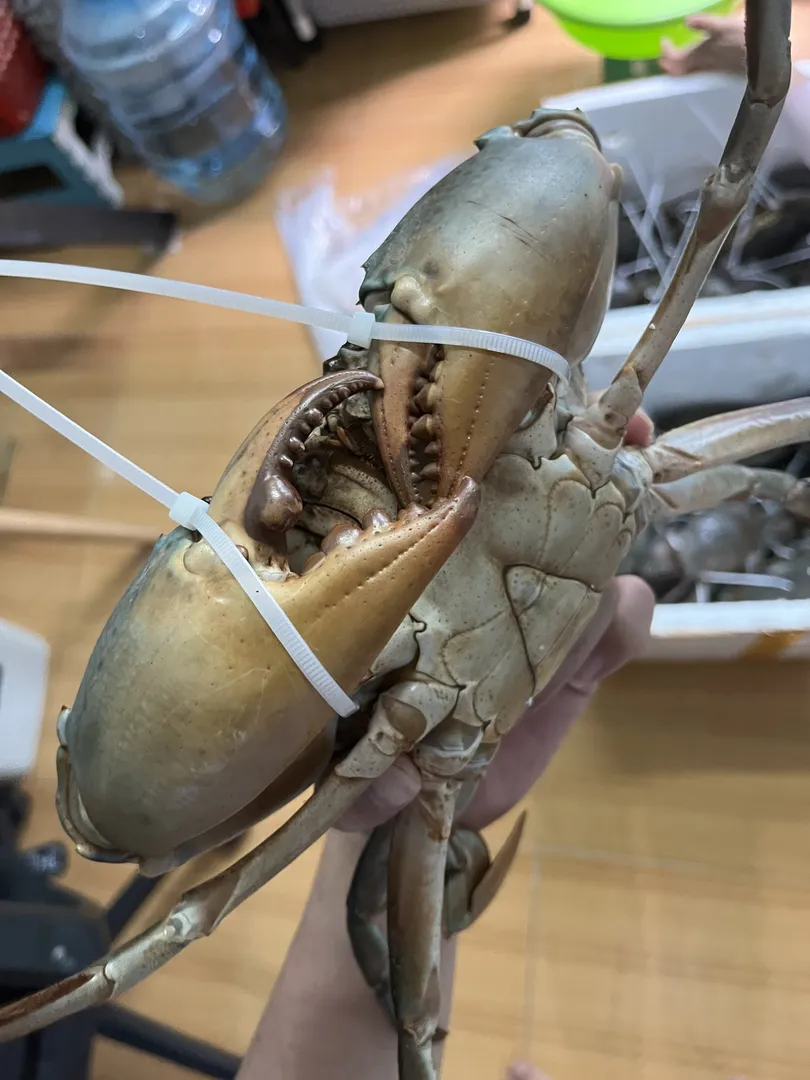
Ca Mau Jumbo Mud Crab
Ca Mau Jumbo Mud Crab
A large male mud crab prized for dense, sweet meat and thick claws, commonly used in steamed crab and grilled crab dishes across the Mekong Delta.
An icon of coastal culinary heritage, featuring firm, sweet meat that captures the raw power and freshness of Ca Mau's tides.
2 A Moment of Respect: Humane Dispatch
When it comes to cooking any living creature, the guiding principle should always be to cause the least amount of suffering possible. For crabs, this means a quick, efficient process to render them unconscious or dead before cooking. The goal is to target the central nervous system, which is distributed, unlike in mammals with a single, centralized brain. This ensures the meat remains pristine and the cooking process is humane.
The "Ice Bath" Method
Placing the live crab in a very cold, iced saltwater bath for about 15-20 minutes effectively numbs its nervous system, rendering it immobile and unconscious. This is a simple, effective way to prepare the crab for the next step.
The Sharp Knife Technique
This is the most direct and widely recommended method by chefs. It requires a quick, decisive action.
3 The Decisive Thrust
Secure the Crab
Place the crab on a sturdy, damp cutting board. If you’ve used the ice bath, it should be sluggish. You can also gently hold the crab from the back, avoiding the legs and claws, to keep it still.
Locate the Nerve Center
The key area is the small indentation on the underside of the crab, where the legs meet the body, near the center. This is where the main nerve ganglia are located.
The Swift Action
Using a sharp, sturdy chef's knife or strong kitchen scissors, make a swift, firm thrust directly into the nerve center. For crabs, a vertical thrust through the top shell into the underside is most effective. Alternatively, scissors can be used to cut from the rear of the crab, through the center line, towards the mouth.
Confirmation and Preparation
The crab should cease all movement immediately. You may notice some residual twitching, which is a reflex, not conscious movement. Proceed with cleaning and cooking as desired.
4 Kitchen Safety: The Unspoken Rule
Working with live animals and sharp implements demands caution. Always ensure your cutting board is stable and that you have a firm grip. A moment of distraction can lead to injury. If you are uncomfortable with this step, or if you are cooking with less experienced individuals, it is perfectly acceptable to ask your fishmonger to dispatch the crab for you. Many are happy to do so.
Remember, the goal is a quick, clean process. It’s about respecting the creature and ensuring the best possible outcome for your meal, while prioritizing your own safety in the kitchen.
Heritage Ingredient
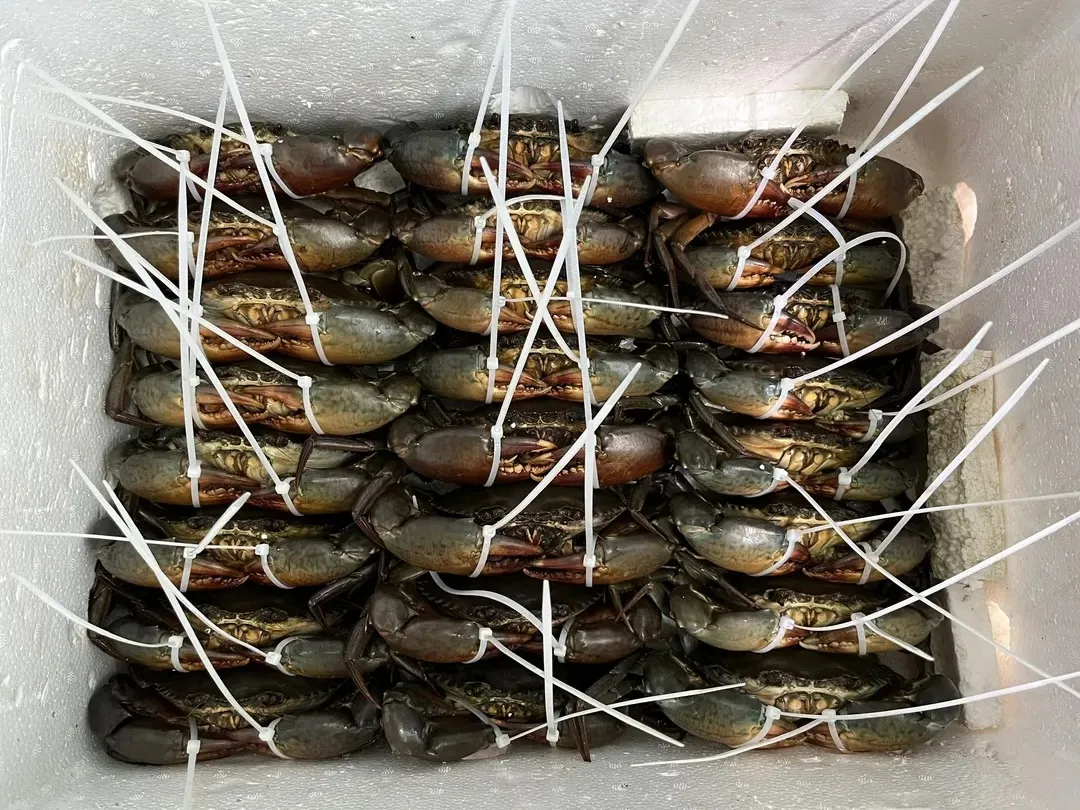
Export-Grade Ca Mau Roe Crab
Export-Grade Ca Mau Roe Crab
A carefully sorted roe crab selected for size, shell quality, and roe consistency, suitable for explaining premium grading in Vietnamese crab culture.
The pinnacle of perfection—pristine shells and bursting roe, meticulously selected to conquer the hearts of global gourmets.
5 A Special Case: The Soft-Shell Molt
While this guide focuses on dispatching hard-shell crabs, the Mekong Delta also yields a delicacy: soft-shell crabs. These are crabs that have recently molted their old shells, which are still soft and edible. The process for preparing soft-shell crabs differs significantly, as they are typically gutted and then fried whole. The molting season in the Mekong is a special time, offering a unique culinary experience that is distinct from preparing their hard-shelled cousins.
If you encounter these rare treats, the preparation involves a different set of skills, but the principle of respecting the ingredient remains paramount. Understanding the life cycle of the crab unlocks even more appreciation for its culinary potential.
Heritage Ingredient
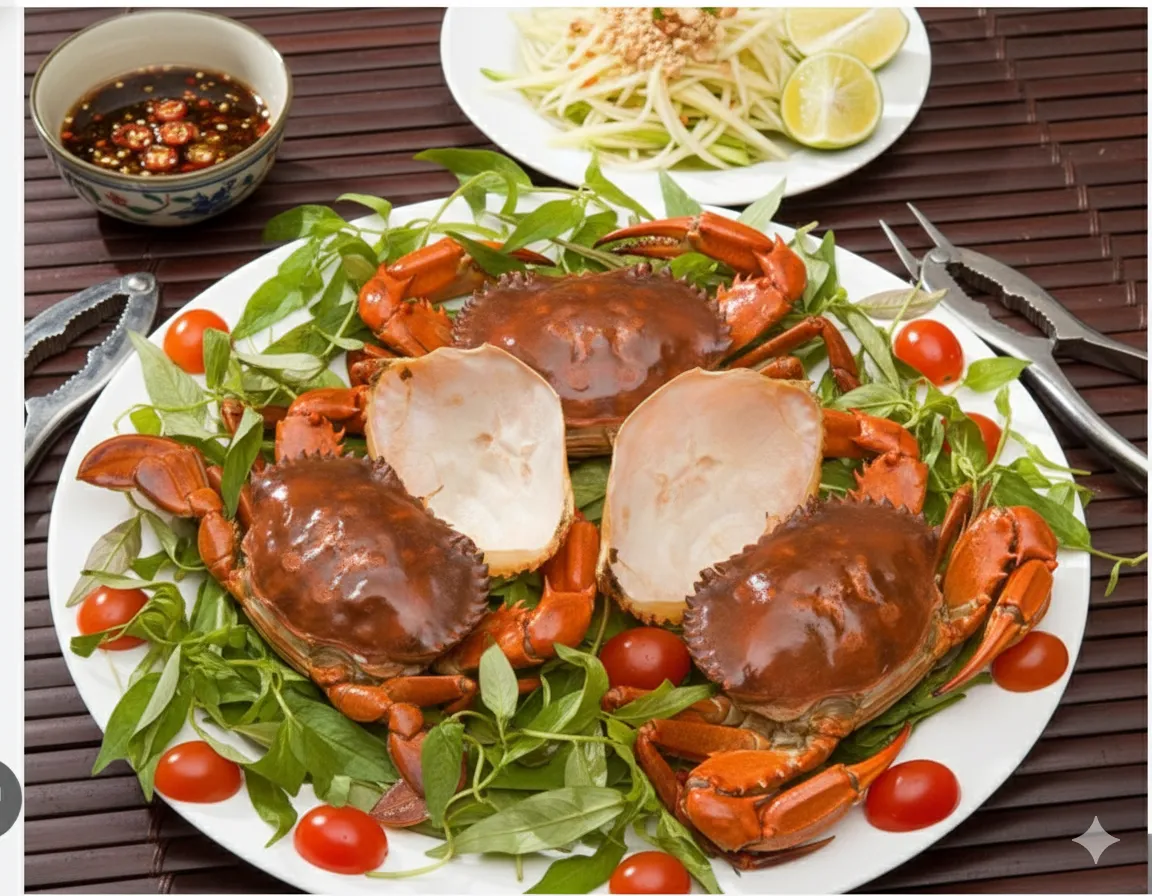
Soft-Shell Butter Crab (Molting Crab)
Soft-Shell Butter Crab (Molting Crab)
A rare molting mud crab from Ca Mau, valued for its edible soft inner shell and exceptionally creamy roe, making it the closest local equivalent to soft-shell crab concepts familiar abroad.
Nature's rare masterpiece—a delicate transition where a soft inner layer protects golden, custard-like roe in a fleeting moment of flavor.
6 From Preparation to Plate
Once humanely dispatched and prepared, the true magic begins. The beauty of crab, especially the sweet, dense meat of Mekong mud crabs, is that it shines with minimal intervention. Whether steamed with lemongrass and beer, stir-fried with tamarind, or simmered in a fragrant broth, the quality of the crab itself is paramount. The careful preparation we've discussed ensures that the meat is as pure and sweet as nature intended.
The regional cuisines of the Mekong Delta offer countless ways to enjoy this bounty. Simple preparations often highlight the natural sweetness, while more complex dishes build layers of aromatic spices and contrasting textures. Regardless of the method, the foundation of a truly exceptional crab dish is an animal that was treated with respect from the moment it left the water.
7 Guardians of the Mangroves
The livelihoods of many communities in the Mekong Delta are intrinsically linked to the health of its mangrove ecosystems. These vital habitats are nurseries for countless marine species, including crabs. Responsible harvesting practices, and an understanding of the crab's life cycle, are crucial for long-term sustainability. When we learn to prepare seafood humanely, we also foster a deeper appreciation for the environments that produce it.
Supporting local fisheries that adhere to sustainable practices, and choosing seafood that is harvested with respect for its origins, are powerful ways for consumers to contribute to the preservation of these precious ecosystems and the traditions they support. The responsible preparation of crab is just one small part of a larger, more important conversation about our relationship with the sea.
8 A Culinary Reflection
The act of preparing food is an intimate dance between the cook and the ingredient. When that ingredient is a living creature, that dance takes on an added layer of responsibility. Dispatching a crab humanely is not just a technical step; it's an acknowledgment of its life and a commitment to approaching our culinary practices with integrity. It's about ensuring that the deliciousness on our plates is matched by the ethical journey it took to get there. This respect, this mindful preparation, is the true secret ingredient that elevates any dish, grounding us in the bounty and beauty of places like the Mekong Delta.