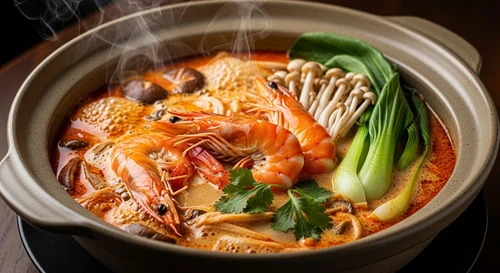
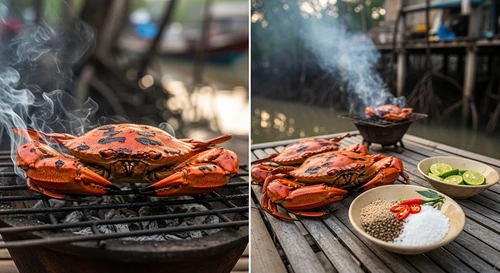
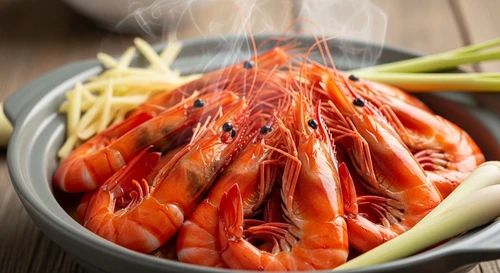
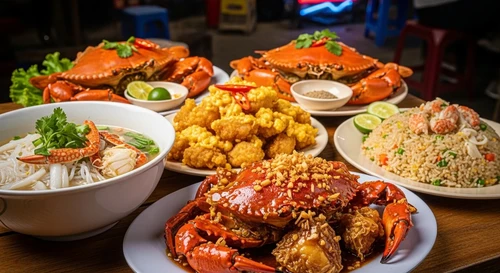
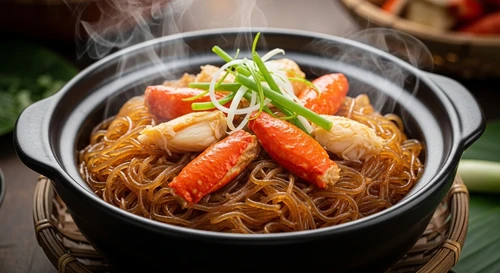
" It's a dance. A subtle negotiation between diner and kitchen, where your prime catch becomes their canvas. The 'cooking fee' isn't just about profit; it's about respect for skill, resources, and the culinary ecosystem. "
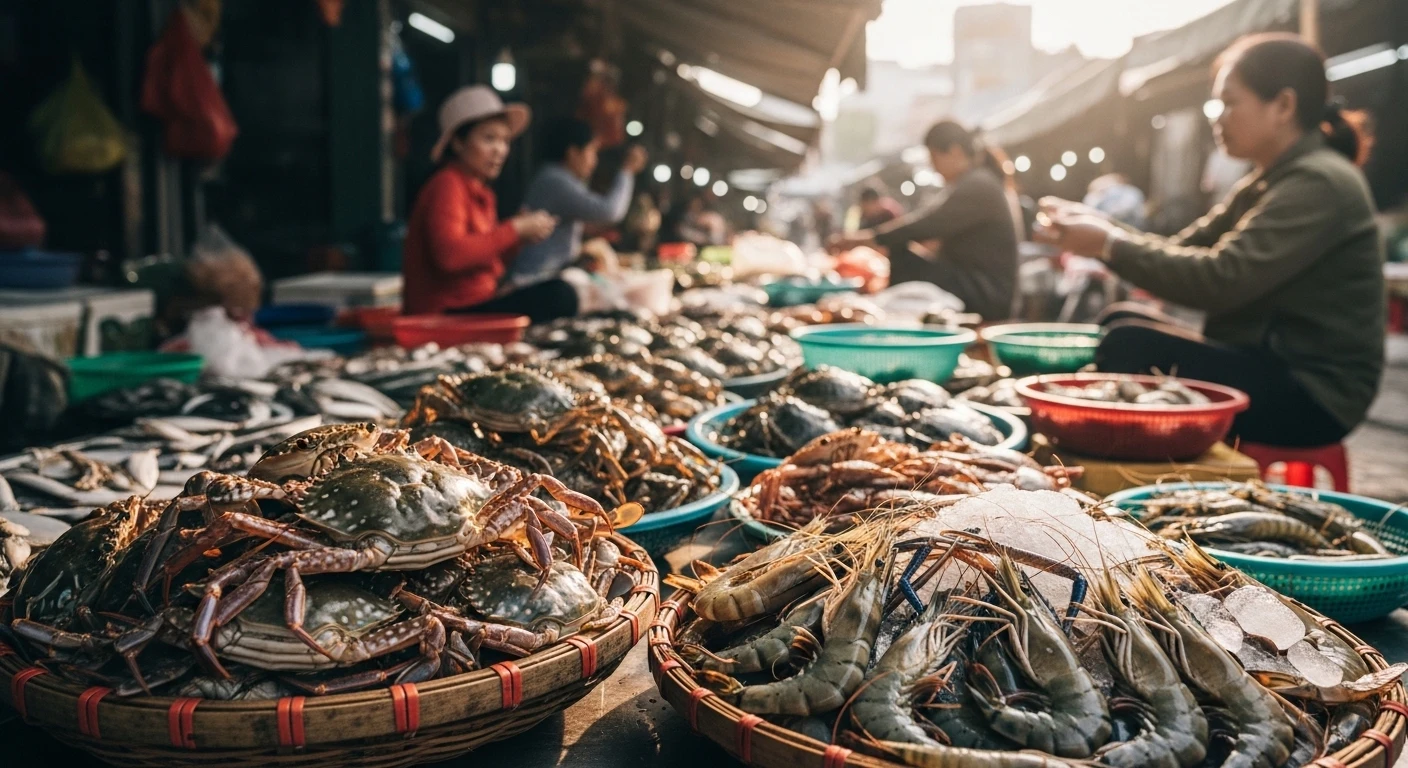
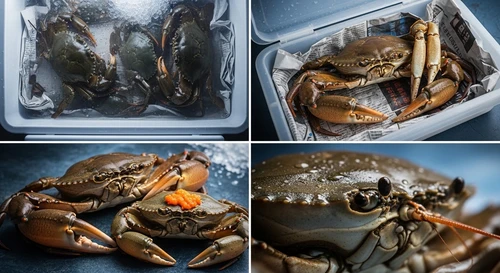
📸 A typical scene in the Mekong Delta: Freshness is paramount.
1 The Heartbeat of the Delta: A Bounty from the Waterways
To understand the 'cooking fee,' you must first grasp the source: the sprawling waterways of the Mekong Delta. This region, a labyrinth of rivers, canals, and coastal mangroves, is Vietnam's aquatic larder. From the famed mud crabs of Ca Mau to the myriad of shrimp and fish swimming in its brackish waters, the bounty is immense and drives a vibrant local economy. Markets teem with fishermen hawking their day's catch, the air thick with the briny scent of the sea and the pungent aroma of fresh herbs.
This deep connection to the water means seafood isn't just food; it's life. It's the livelihood of families, the centerpiece of celebrations, and the very essence of regional cuisine. When you buy your prize catch from the market, you're participating in this ancient cycle. Bringing it to a local eatery isn't just a convenience; it's a continuation of that tradition.
Heritage Ingredient
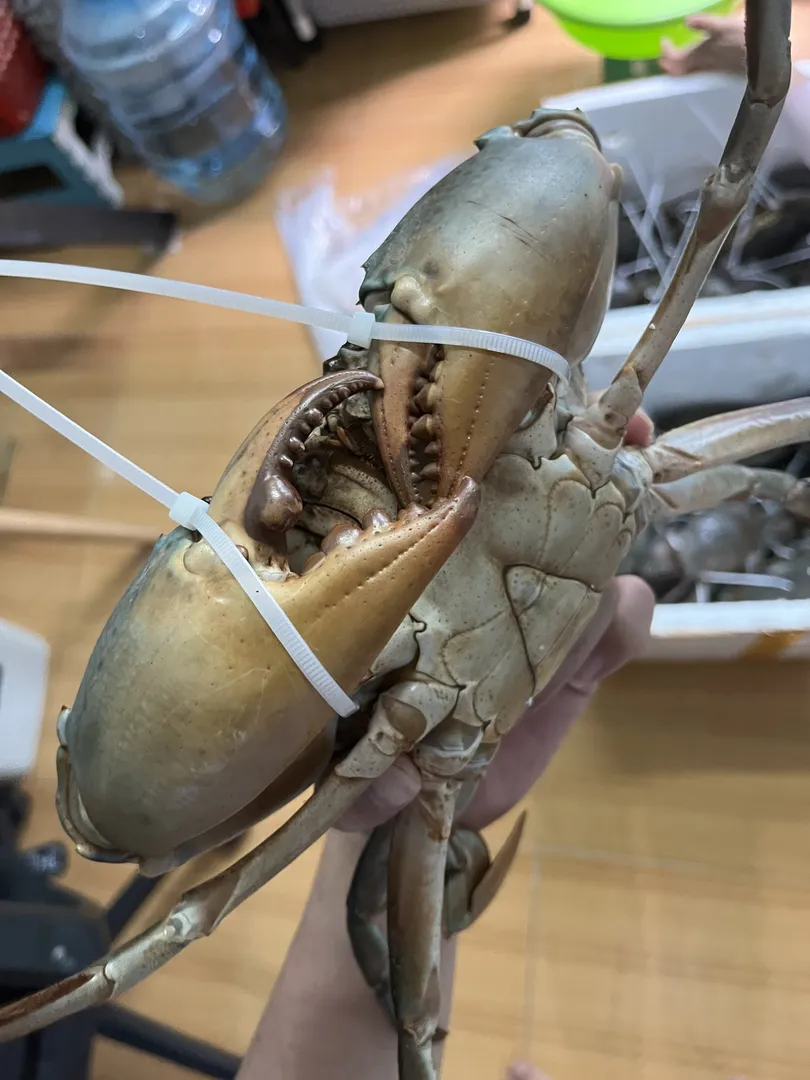
Ca Mau Jumbo Mud Crab
Ca Mau Jumbo Mud Crab
A large male mud crab prized for dense, sweet meat and thick claws, commonly used in steamed crab and grilled crab dishes across the Mekong Delta.
An icon of coastal culinary heritage, featuring firm, sweet meat that captures the raw power and freshness of Ca Mau's tides.
Heritage Ingredient
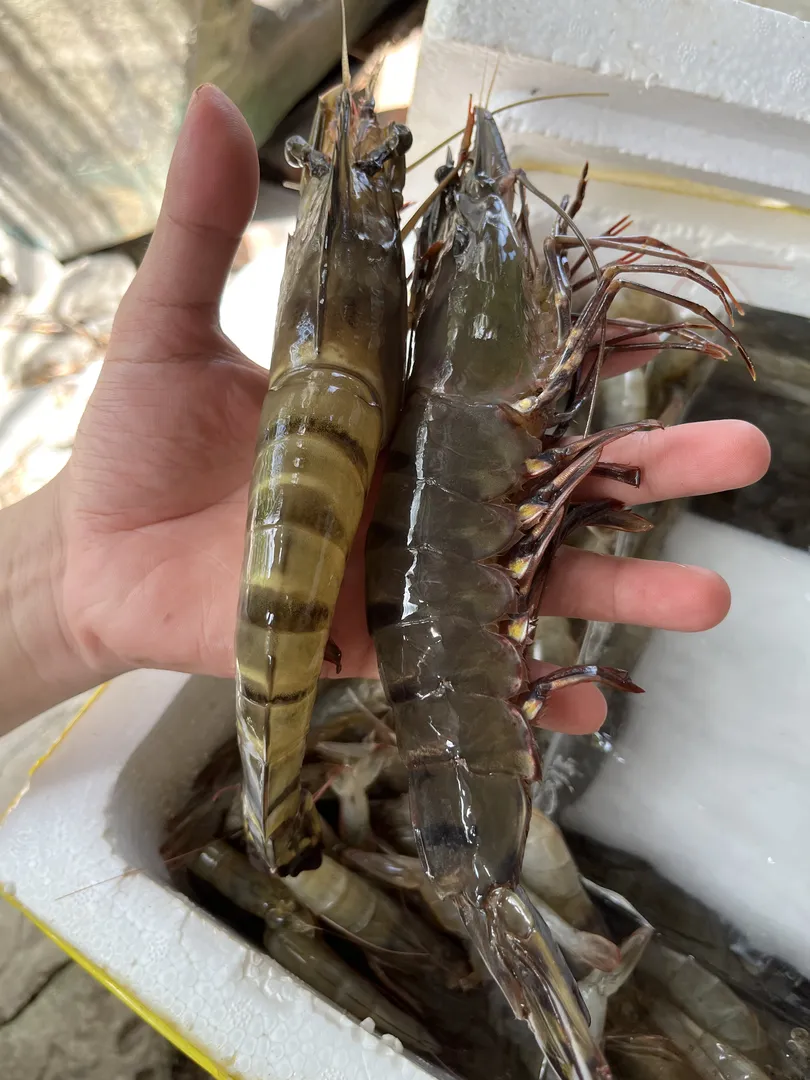
Ca Mau Black Tiger Shrimp
Ca Mau Black Tiger Shrimp
Large black tiger shrimp associated with mangrove aquaculture in Ca Mau, known for firm flesh and a cleaner, sweeter finish than intensively farmed shrimp.
Wild spirits of the mangroves, these black-banded gems deliver a firm, snappy texture and a sweetness that echoes the forest's vibrant life.
2 Bring Your Own: A Matter of Trust and Taste
The practice of "Bring Your Own" (BYO) seafood, especially in smaller towns and more traditional eateries outside major tourist hubs, is deeply ingrained. It stems from a fundamental belief: the freshest, highest-quality seafood is what you select yourself, directly from the source – the market.
Why would a restaurant agree to this?
- Ensuring Peak Freshness: Diners are assured they are getting the absolute best, directly selected by them. This builds trust.
- Supporting Local Livelihoods: It connects the diner directly with the fishermen and market vendors, fostering community spirit.
- Maximizing Flavor: The restaurant’s role shifts to skillful preparation, allowing the natural essence of the ingredient to shine.
This model thrives on a symbiotic relationship. You bring the star ingredient; they provide the expertise and the heat.
3 Beyond the Catch: What the Cooking Fee Covers
When you hand over your carefully chosen prawns or crabs, the kitchen doesn't just fire up a single wok. The fee is for a comprehensive service, encompassing several crucial elements:
Labor & Skill
This is the primary component. Skilled chefs transform your raw ingredients into culinary masterpieces. Whether it’s a delicate steaming, a fiery stir-fry, or a rich curry, their expertise is invaluable.
Kitchen Overheads
Gas, electricity, water, wear-and-tear on equipment—all these operational costs are factored in. The kitchen must maintain its infrastructure to be ready for your catch.
Aromatics & Sauces
The restaurant provides the supporting cast: garlic, chilies, ginger, lemongrass, fish sauce, soy sauce, herbs, and whatever secret spice blends they use to elevate your dish.
Serving & Ambiance
You get to dine in a proper restaurant setting, with clean tables, utensils, and attentive service—a far cry from eating your market haul on a plastic stool by the roadside (though that has its own charm!).
4 The Art of the Deal: How to Approach It
Don't be shy! This is a common practice. Here's how to navigate it smoothly:
Ask First (Politely!)
When you arrive at the restaurant, especially one that looks like it caters to locals, simply state you have seafood from the market and ask, "Có tính tiền công không?" (Do you charge a cooking fee?).
Understand the Pricing
The fee is usually per dish or per kilogram of seafood. Prices vary greatly. A simple steamed dish might be $2-5 USD, while a more complex preparation could be $5-15 USD. Confirm this before handing over your catch!
Discuss Preparation
Don't hesitate to suggest how you'd like it cooked. "Hấp hành gừng" (steamed with scallion and ginger) or "rang me" (tamarind stir-fry) are classics. They can guide you based on the type of seafood.
Be Gracious
A smile and a "cảm ơn" (thank you) go a long way. You're engaging in a time-honored tradition, so enjoy the process!
5 Knowing When to Go Pro
While BYO is wonderful, it's not always the best option:
Ideal for BYO:
- Local, well-established eateries in smaller towns or near markets.
- When you've hand-picked exceptionally fresh, live seafood.
- You want specific preparations (e.g., simple steaming).
- You're on a budget and want maximum value from your catch.
Best to Order On-Menu:
- High-end restaurants or establishments in tourist zones.
- When the market selection is poor or you're unsure about freshness.
- Complex dishes requiring specialized ingredients or techniques not readily available.
- Convenience is your priority, and you prefer a full-service experience.
6 Waterways to Coastlines: A Culinary Spectrum
The Mekong Delta's unique geography—a blend of freshwater rivers and brackish coastal areas—influences its seafood and culinary customs.
Mekong Riverine Cuisine:
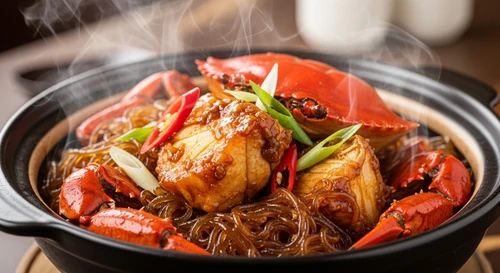
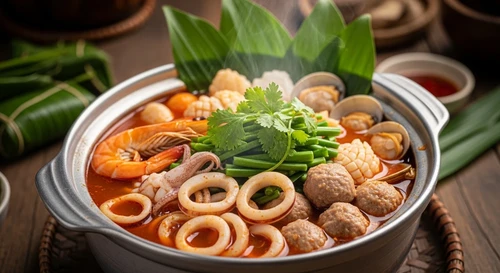
Inland areas, closer to Can Tho or upstream, emphasize freshwater catches. Think snakehead fish (cá lóc), tilapia, and freshwater prawns. Here, BYO might focus on grilling or hotpot preparations, with the restaurant providing broth bases and herbs.
Heritage Ingredient
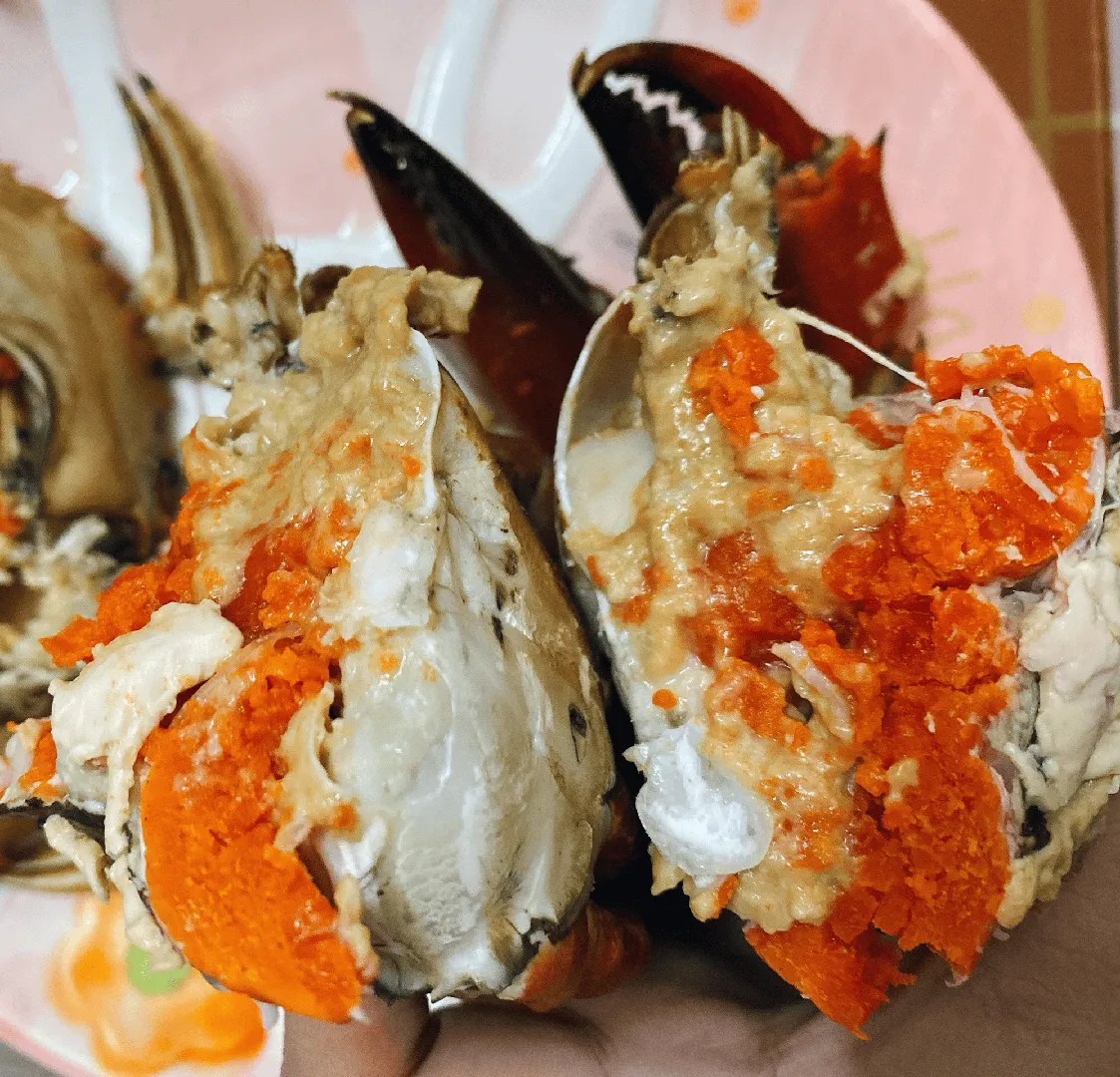
Ca Mau Roe Mud Crab
Ca Mau Roe Mud Crab
A female mud crab known for deep orange roe and a rich, creamy finish, often featured in celebratory Southern Vietnamese seafood meals.
A crimson treasure hidden within a shell, boasting rich, creamy roe that melts on your tongue like a golden sunset over the delta.
Coastal & Estuary Flavors:
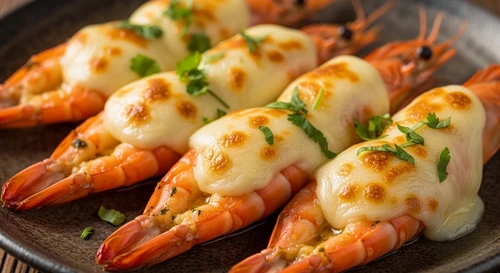
Closer to Ca Mau or Bac Lieu, where freshwater meets saltwater, mud crabs (cua) and various shrimp species (tôm) reign supreme. The BYO culture is particularly strong here, with restaurants specializing in classic preparations like steamed crab with beer or garlic butter shrimp.
7 More Than Just a Transaction
The BYO seafood experience is a cultural immersion. It’s about participating in the local food system, engaging with chefs, and enjoying seafood prepared with generations of knowledge. It’s a reminder that in Vietnam, especially the Mekong Delta, food is communal, fresh, and deeply tied to the land and water.
So next time you find yourself at a vibrant Vietnamese market, don't hesitate to pick up that magnificent crab. Find a local eatery, ask about the "tiền công," and prepare for a meal that is not just delicious, but also a true taste of Vietnamese culinary heritage.
The Takeaway
" The cooking fee is the price of admission to a truly authentic seafood experience. It’s where your market finds meet the magic of Vietnamese kitchens. Embrace it. "