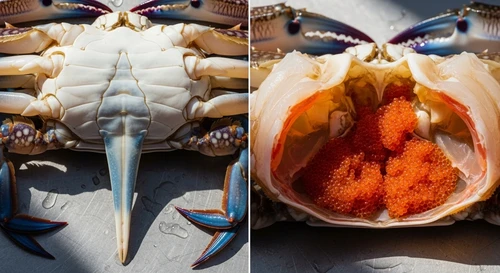
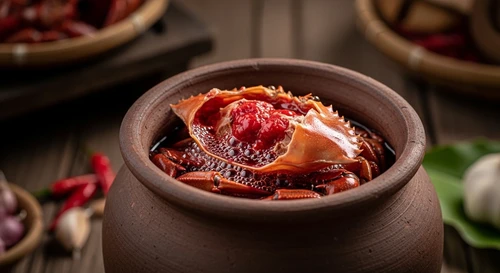
" Forget the sauces. Forget the marinades. The true art of grilling crab, especially in the watery expanse of the Mekong, lies in its brutal honesty. It's a declaration: "This is crab. Taste it." "
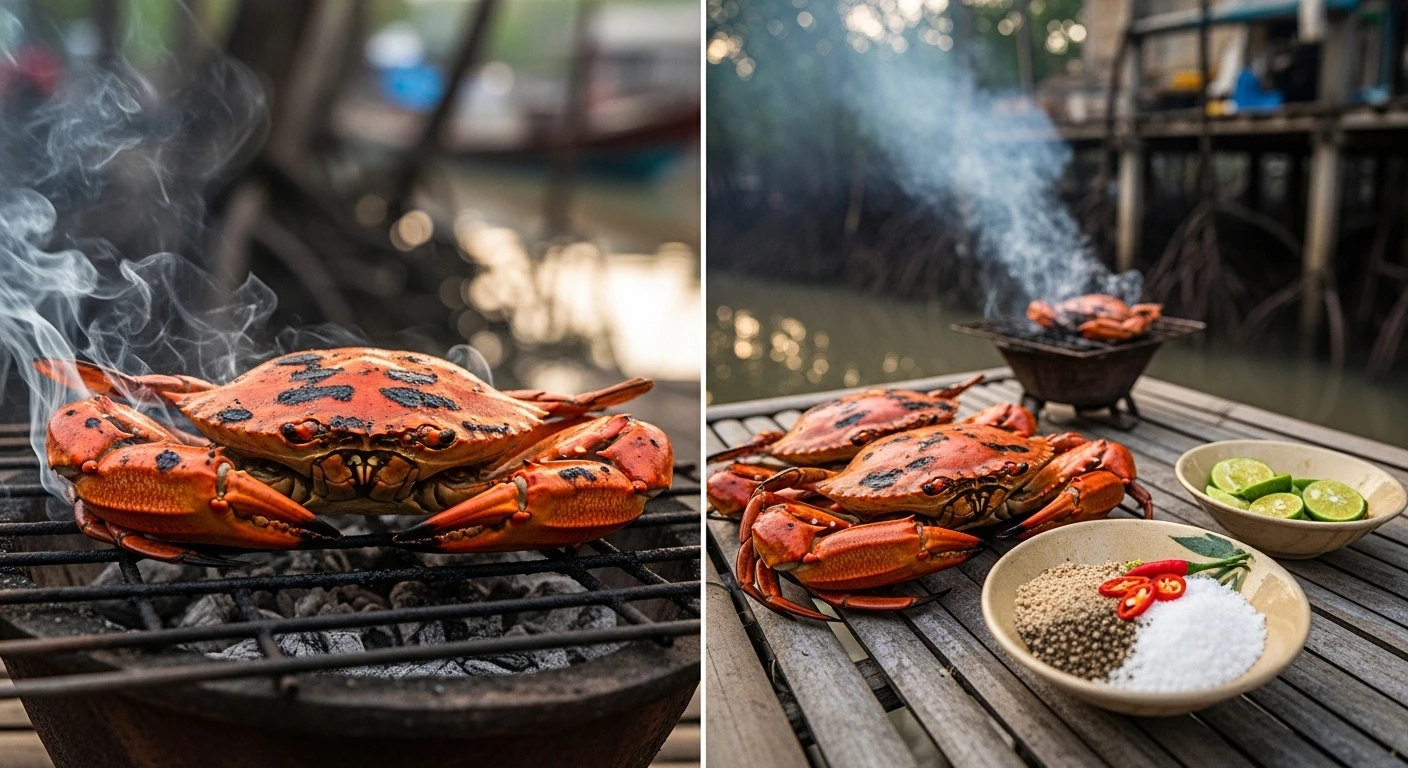
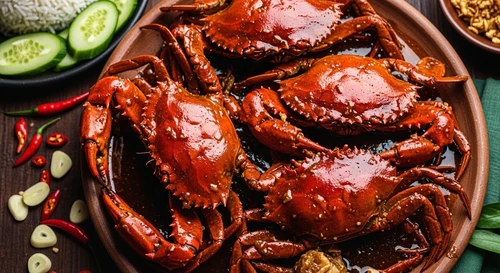
📸 The primal beauty of smoke-kissed shellfish.
1 The River's Bounty: A Taste of Ca Mau
When you speak of mud crabs in Vietnam, the conversation inevitably turns to Ca Mau. This southern-most province, a labyrinth of canals, mangrove forests, and salty estuaries, is the undisputed king of Vietnam's crustacean production. Here, life ebbs and flows with the tides, and the daily catch is not just sustenance, but a way of life, a cultural cornerstone.
The crabs here, nurtured in brackish waters and nourished by the rich ecosystem of the mangroves, possess a unique sweetness, a dense, firm texture that other regions envy. And for generations, the simplest, most primal method of cooking them has been over the glowing embers of a charcoal fire. Cua Nướng Mòi – grilled crab with charcoal – isn't just a dish; it's a testament to the philosophy of letting the star ingredient speak for itself. It’s the culinary equivalent of a perfectly strummed acoustic guitar solo – pure, resonant, and utterly unforgettable.

Mekong Delta fishermen heading out to the crab grounds.

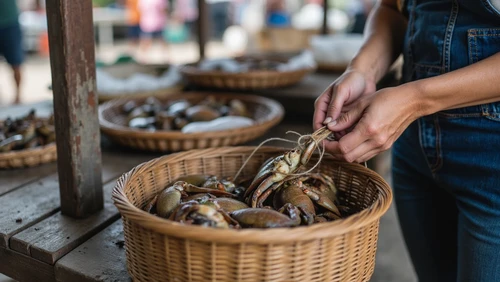
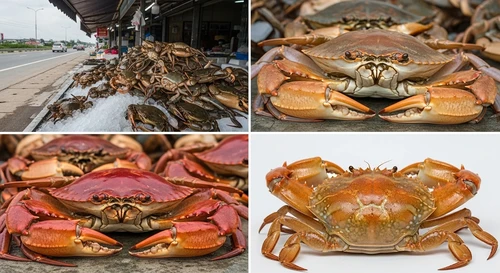
The vibrant heart of the Mekong: daily crab markets.
2 The Magic of "Mòi" (Charcoal)
The term "mòi" in Vietnamese cooking refers specifically to the use of charcoal. It's not just about heat; it's about *aroma*. The gentle, pervasive smokiness that permeates the crab's sweet flesh is the secret ingredient here. Unlike gas or electric heat, charcoal imparts a depth of flavor that’s impossible to replicate. It’s a rustic technique, one you'll find in humble roadside stalls and family gatherings along the waterways, where the crackle of the fire and the scent of grilling seafood define the evening.
Why Charcoal Works Wonders:
- Subtle Smokiness: It's not overpowering, just enough to enhance the crab's natural brininess.
- Even Cooking: A well-managed charcoal fire provides consistent, radiant heat, cooking the crab through without drying it out.
- Authenticity: It connects you to a time-honored cooking method deeply ingrained in Vietnamese food culture.
3 The Star Player: Selecting the Finest Crab
For Cua Nướng Mòi, the quality of the crab is paramount. You’re not hiding anything, so you need a crab that stands proudly on its own. Look for live, active specimens. The shell should be firm, the legs and claws should feel heavy and full.
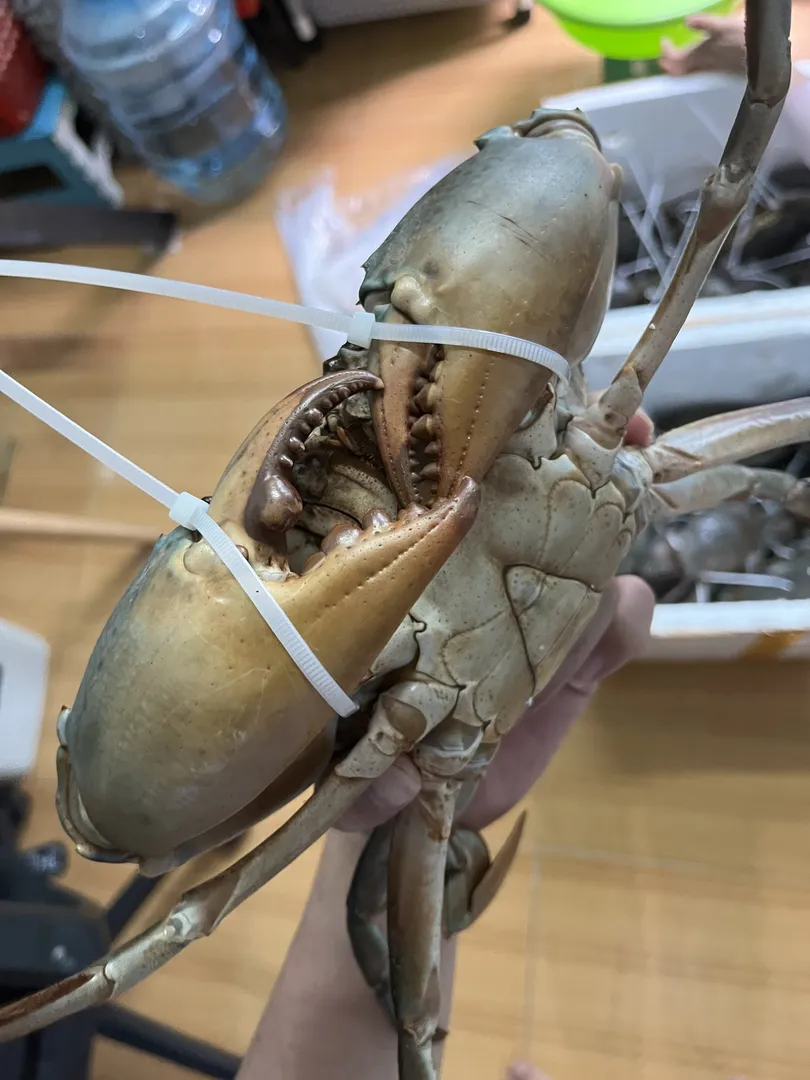
Heritage Ingredient
Ca Mau Jumbo Mud Crab
Ca Mau Jumbo Mud Crab
A large male mud crab prized for dense, sweet meat and thick claws, commonly used in steamed crab and grilled crab dishes across the Mekong Delta.
An icon of coastal culinary heritage, featuring firm, sweet meat that captures the raw power and freshness of Ca Mau's tides.
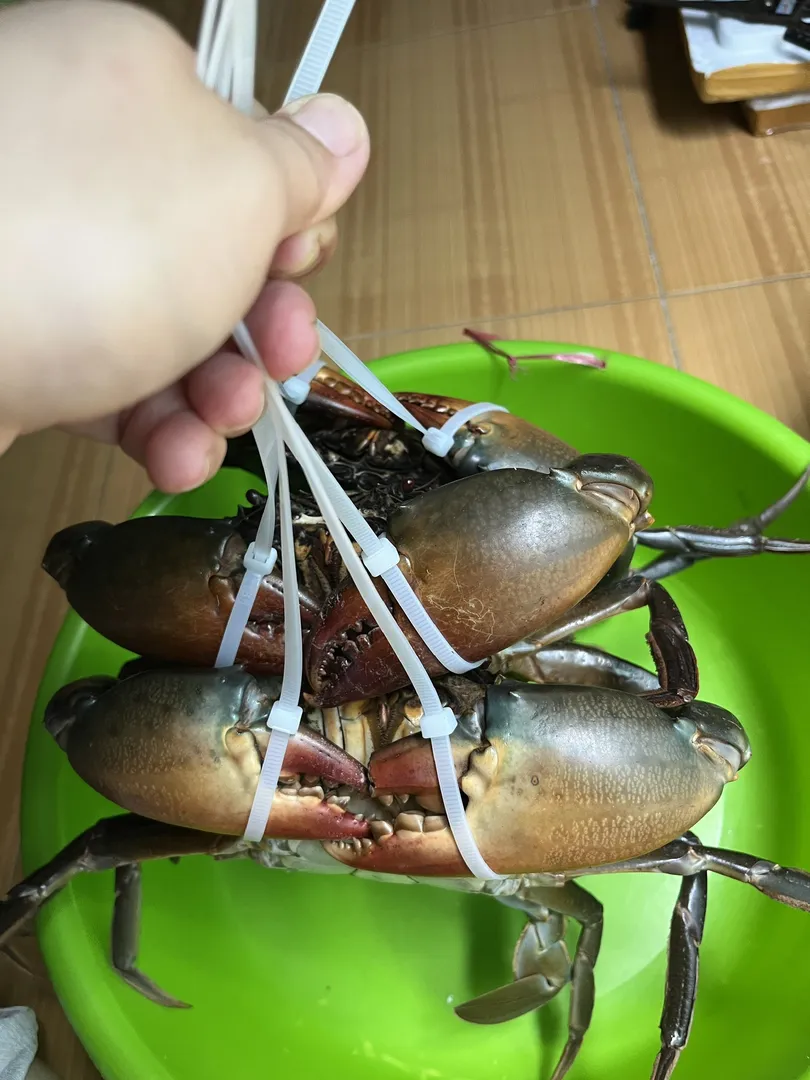
Heritage Ingredient
Giant Ca Mau Mud Crab
Giant Ca Mau Mud Crab
A larger export-grade mud crab with dramatic claws and thick meat, often used to illustrate oversized crab categories in Vietnamese seafood markets.
A titan of the ocean, offering colossal claws filled with muscular, succulent meat that elevates every feast into a royal experience.
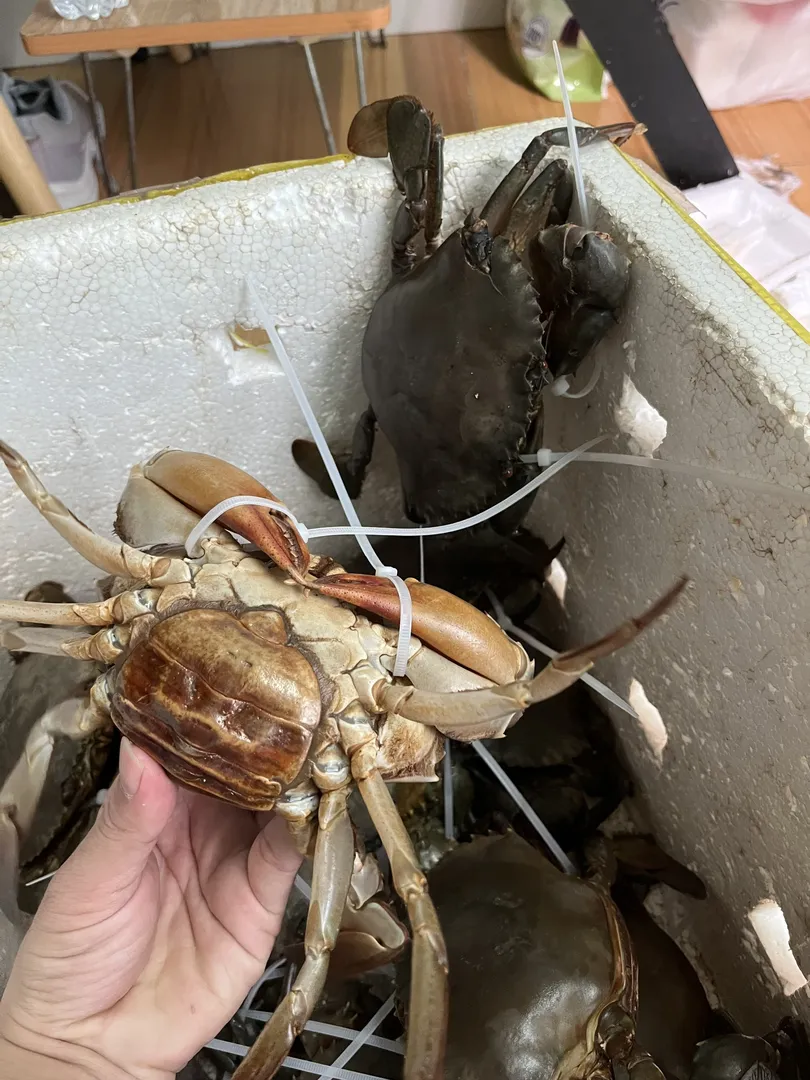
Heritage Ingredient
Young Roe Mud Crab (Virgin Crab)
Young Roe Mud Crab (Virgin Crab)
A young female mud crab identified before full spawning, offering a balance of sweet meat and light roe that sits between meat crab and roe crab styles.
A graceful balance of sweetness and creaminess, where tender meat meets a hint of light, buttery roe for a truly refined palate.
A crab with substantial claws and a plump body guarantees a generous serving of sweet, firm meat. In the Mekong Delta, fishermen often have their preferred methods for identifying the prime specimens, prioritizing those with the most meat and the least water content.
4 The Method: Fire, Brine, and Smoke
This is where the magic happens. The preparation is minimal, allowing the charcoal’s essence to infuse directly into the crab.
Prepare the Fire
Get your charcoal glowing red hot. You want consistent, high heat. A well-maintained fire is key.
The Crab Prep
Clean the crab. You can choose to halve larger crabs for quicker, more even cooking, exposing the succulent meat directly to the heat. For smaller crabs, grilling them whole is traditional.
The Grill
Place the crab directly onto the hot coals or on a grill grate above them. For halved crabs, place cut-side down first. Grill for about 8-15 minutes, depending on size and heat, turning occasionally. The shell will turn a vibrant orange-red, and the meat should be opaque and firm.
Rest and Serve
Let the crab rest for a minute or two. The juices will redistribute, ensuring maximum flavor and moisture. Serve immediately.
The Essential Accompaniment: Muối Tiêu Chanh
While the crab is divine on its own, a simple dip elevates the experience from excellent to sublime. In the Mekong, this is the classic: salt, pepper, and lime.
Fine Sea Salt
Provides the essential salty base.
Cracked Black Pepper
Freshly ground offers the best aroma and bite.
Fresh Lime Juice
Squeeze fresh lime juice and mix with salt and pepper until it forms a coarse paste. Add chili slices if you dare.
Some locals will add a tiny splash of fish sauce to the salt-lime mixture for an extra layer of umami, a nod to the river's salinity.
6 A Coastal Livelihood
The simple act of grilling mud crab over charcoal is deeply intertwined with the coastal communities of the Mekong Delta. It's a dish enjoyed after a long day of fishing or harvesting from the *nuôi trồng thủy sản* (aquaculture farms). The smoky aroma drifting from small charcoal braziers is a familiar scent in villages from Rach Gia to Nam Can. It represents a connection to the land and sea, a celebration of nature’s provision. This unadorned preparation is not a lack of sophistication, but a profound respect for the ingredients and the environment that provides them. It's the taste of survival, community, and simple, profound joy.

Your Burning Questions Answered
❓ Should I marinate the crab first?
⚙️ What kind of charcoal is best?
🔥 Can I grill the crab with its shell on?
8 The Soul of the Mekong on a Plate
This is more than just food; it's an experience. It's the crackle of the fire, the salty air, the communal joy of sharing a perfectly grilled crab. It’s the taste of the Mekong Delta, distilled into its purest form. So next time you have access to a live mud crab and a charcoal grill, resist the urge to overcomplicate. Let the fire do the talking. Let the crab sing its own sweet, briny song.