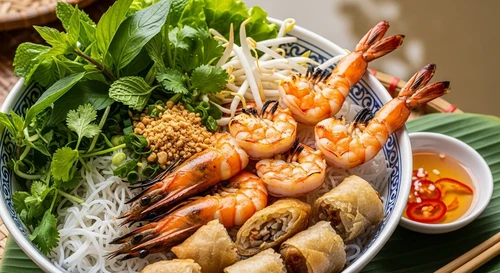
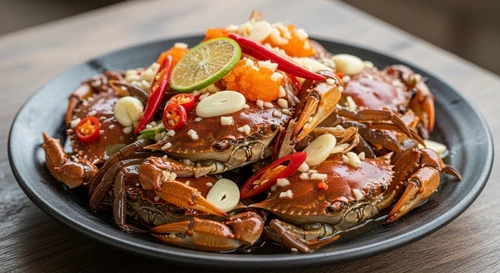
" Forget delicate French crepes or wispy Vietnamese summer rolls. This is about substance. About crunch. About a glorious, golden parcel holding the sweet treasures of the sea. This is Nem Cua Be. "
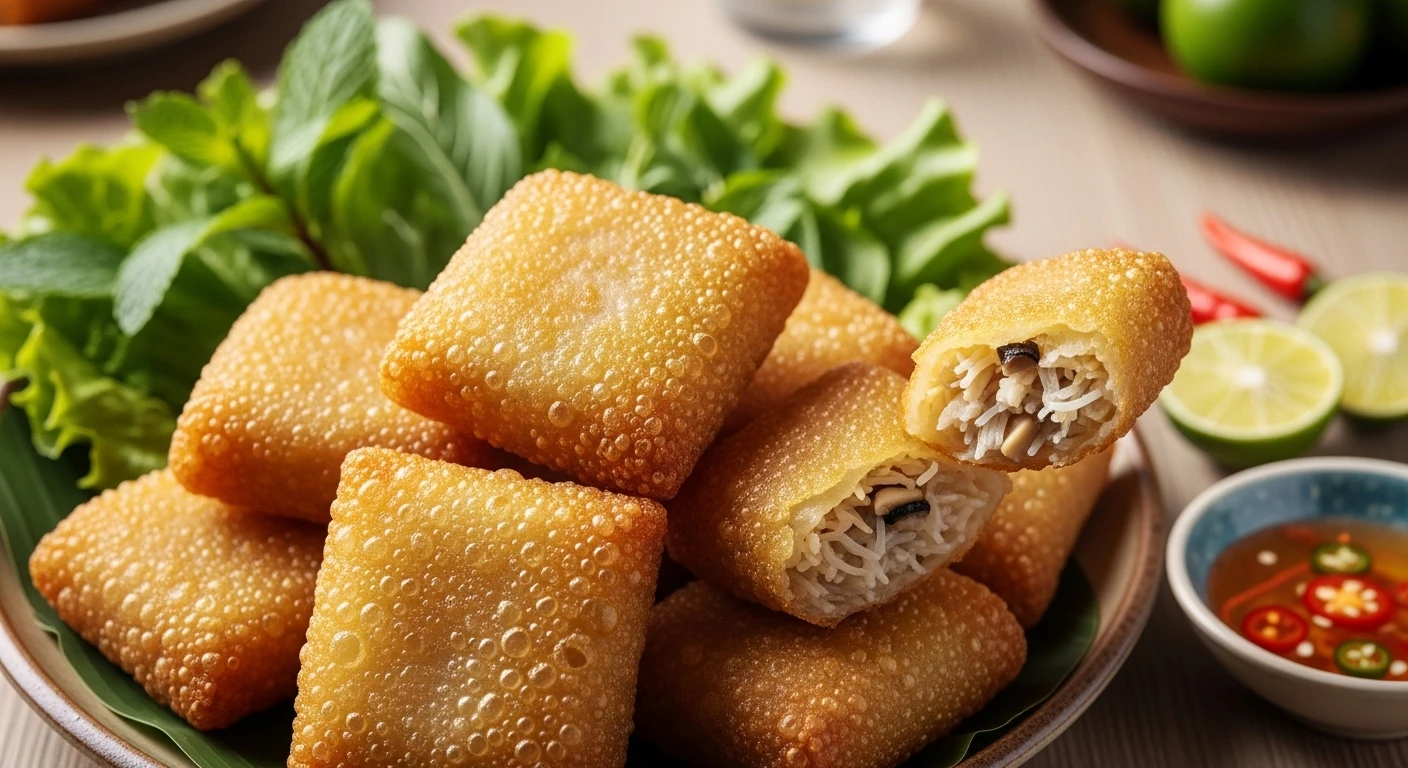
📸 The perfect 'Nem Cua Be' boasts a shatteringly crisp, golden-brown exterior.
1 From the Harbour City: The Hai Phong Connection
While Vietnam is famed for its diverse culinary landscape, certain dishes become synonymous with specific regions. Nem Cua Be, or "crab spring rolls of the sea," hails from the bustling port city of Hai Phong in Northern Vietnam. Unlike the delicate rice paper rolls of the south, these are a hearty, celebratory affair, born from a region where the bounty of the sea is a way of life.
Imagine the salty air, the rhythmic hum of fishing boats, and the vibrant energy of a coastal market. This is the backdrop against which Nem Cua Be was perfected. It’s a dish that reflects the resilience and ingenuity of a people living closely with the ocean's unpredictable gifts.
The Geometry of Goodness
The distinct square shape isn't just for show; it allows for maximum surface area to achieve that coveted crispiness, ensuring every bite is a delightful crunch.
Northern Heartiness
This isn't a light snack. Nem Cua Be is a substantial appetizer or small meal, perfect for sharing amidst good company, often accompanied by a cold Bia Hoi (fresh Vietnamese beer).
2 The Star Ingredient: The Sweet Crab
At the heart of Nem Cua Be is, of course, crab. And not just any crab. For the authentic Hai Phong experience, the crab must be fresh, sweet, and preferably from the rich waters that surround the region.
While Hai Phong is the origin, the philosophy of using quality seafood extends throughout Vietnam's vast coastline and into the intricate waterways of the Mekong Delta. The key is freshness and the natural sweetness that comes from crabs raised in clean, nutrient-rich environments.
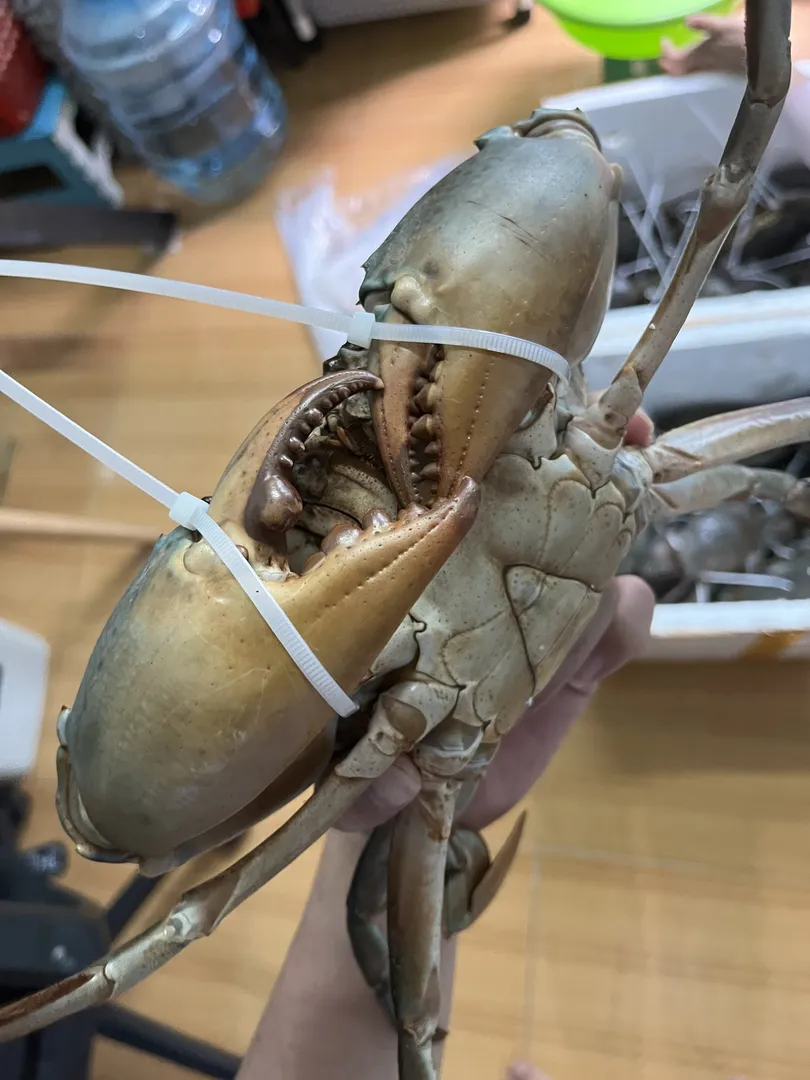
Heritage Ingredient
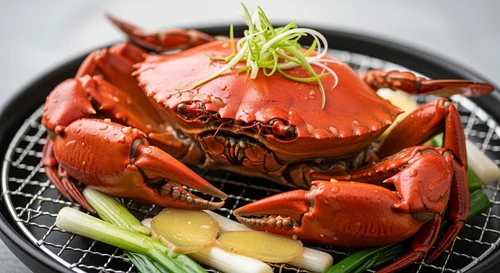
Ca Mau Jumbo Mud Crab
Ca Mau Jumbo Mud Crab
A large male mud crab prized for dense, sweet meat and thick claws, commonly used in steamed crab and grilled crab dishes across the Mekong Delta.
An icon of coastal culinary heritage, featuring firm, sweet meat that captures the raw power and freshness of Ca Mau's tides.
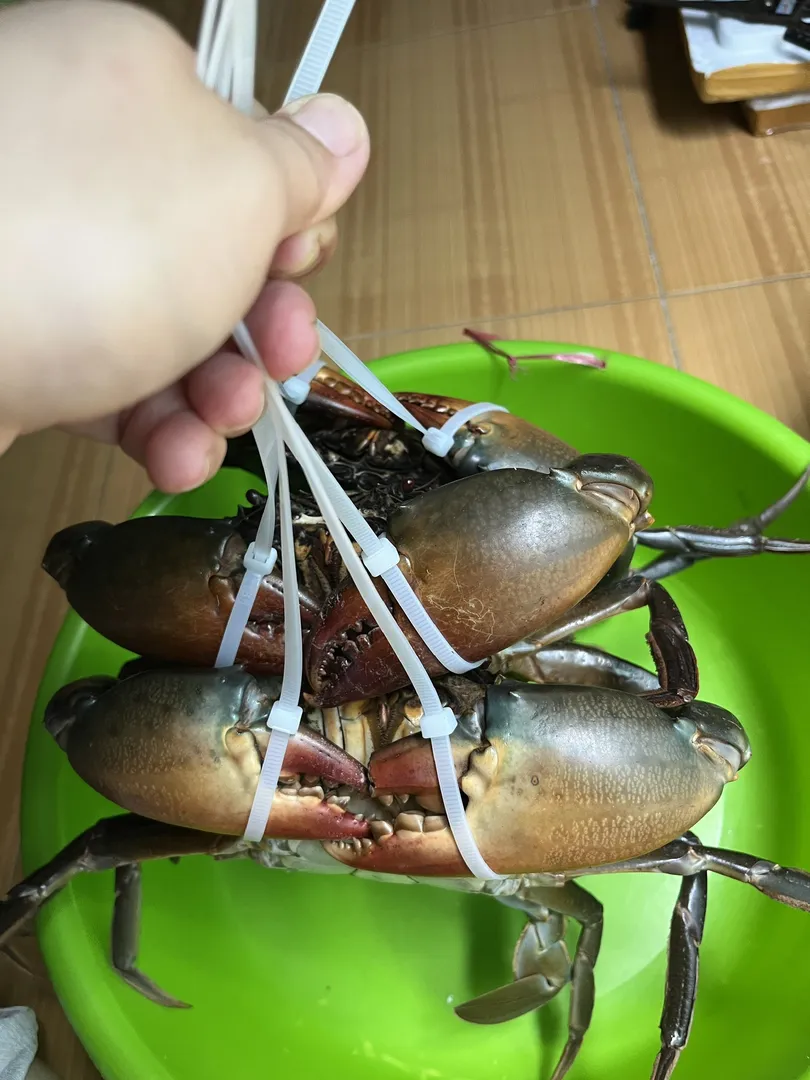
Heritage Ingredient
Giant Ca Mau Mud Crab
Giant Ca Mau Mud Crab
A larger export-grade mud crab with dramatic claws and thick meat, often used to illustrate oversized crab categories in Vietnamese seafood markets.
A titan of the ocean, offering colossal claws filled with muscular, succulent meat that elevates every feast into a royal experience.
A high-quality crab, be it a Jumbo Meat Crab or a Monster Crab, provides the sweet, firm flesh essential for authentic Nem Cua Be.
3 The Symphony Within the Shell
The magic of Nem Cua Be lies not just in its crispy exterior but in the harmonious blend of flavors and textures packed inside. The crab meat is the star, but it’s beautifully supported by a cast of complementary ingredients.
Core Components:
- Fresh Crab Meat: The foundation. Usually a mix of claw and body meat for varied texture.
- Minced Pork: Adds richness and body, helping bind the filling.
- Glass Noodles (Mien): Pre-soaked and finely chopped, they absorb the juices and add a pleasant chew.
- Wood Ear Mushrooms (Nấm Mộc Nhĩ): Finely chopped, providing a delightful textural contrast.
- Eggs: Act as a binder, holding all the delicious ingredients together.
- Aromatics: Shallots, garlic, pepper, and a touch of fish sauce for that umami depth.
Each ingredient plays its part, creating a complex yet balanced flavor profile.
4 Mastering the Crisp: The Wrapper and the Fry
The iconic crunch of Nem Cua Be comes from a specific type of wrapper and a precise frying technique. Forget the thin rice paper or standard spring roll wrappers you might be used to.
Hai Phong's specialty often uses a unique, multi-layered wrapper made from rice flour and tapioca starch. This creates a pastry-like dough that, when fried, achieves an incredibly brittle and airy crispness. It’s engineered for texture.
The Wrapper:
A carefully prepared batter, often involving a mix of rice flour, tapioca starch, and water, is spread thinly and flash-cooked on a hot griddle to create delicate, transparent sheets. These are then layered and cut into squares.
The key is a thin, flexible sheet that becomes shatteringly crisp when fried.
The Frying:
Nem Cua Be are typically deep-fried, often twice, to achieve that signature golden hue and satisfying crunch. The oil temperature must be just right to cook the filling through without burning the delicate wrapper.
The result is a roll that cracks audibly with each bite, releasing the savory, sweet filling.
5 Bringing Hai Phong Home: An Authentic Recipe
While mastering the wrapper might require practice, the spirit of Nem Cua Be can be recreated in any kitchen. Here’s a simplified guide:
Ingredients:
For the Filling:
- 200g fresh crab meat (from about 1-2 medium crabs)
- 100g minced pork
- 30g glass noodles (mien), soaked and finely chopped
- 30g wood ear mushrooms, soaked and finely chopped
- 1 large egg
- 2-3 tbsp finely chopped shallots
- 1 clove garlic, minced
- 1 tsp fish sauce
- 1/2 tsp black pepper
- Pinch of salt
For the Wrappers & Frying:
- Large square spring roll wrappers (or make your own if adventurous!)
- Vegetable oil for deep frying
- Dipping Sauce: A classic blend of fish sauce, lime juice, sugar, water, chili, and garlic.
- Fresh Herbs: Lettuce, mint, perilla leaves for wrapping.
Instructions:
- Prepare the Filling: In a large bowl, gently combine crab meat, minced pork, chopped glass noodles, wood ear mushrooms, egg, shallots, garlic, fish sauce, pepper, and salt. Mix well but avoid over-mashing.
- Assemble the Rolls: Lay a square wrapper flat. Place about 2-3 tablespoons of filling in the center. Fold the bottom edge up, then the left and right sides inwards, and finally roll tightly upwards to form a square parcel. Seal the edge with a little water.
- Heat the Oil: In a wok or deep pot, heat enough vegetable oil over medium-high heat until it reaches around 170-180°C (340-350°F).
- Fry the Rolls: Carefully add the spring rolls to the hot oil, ensuring not to overcrowd the pot. Fry for about 5-7 minutes, turning occasionally, until golden brown and crispy. For an extra crispier texture, some recipes recommend a double fry: fry until lightly golden, remove, rest for a minute, then fry again until deep golden brown.
- Drain and Serve: Remove the fried rolls and drain them on a wire rack or paper towels to remove excess oil.
- Enjoy: Serve hot with your favorite dipping sauce and fresh herbs. Wrap the crispy rolls in lettuce leaves with herbs for a burst of freshness.
The Mekong's Own Crab Culture
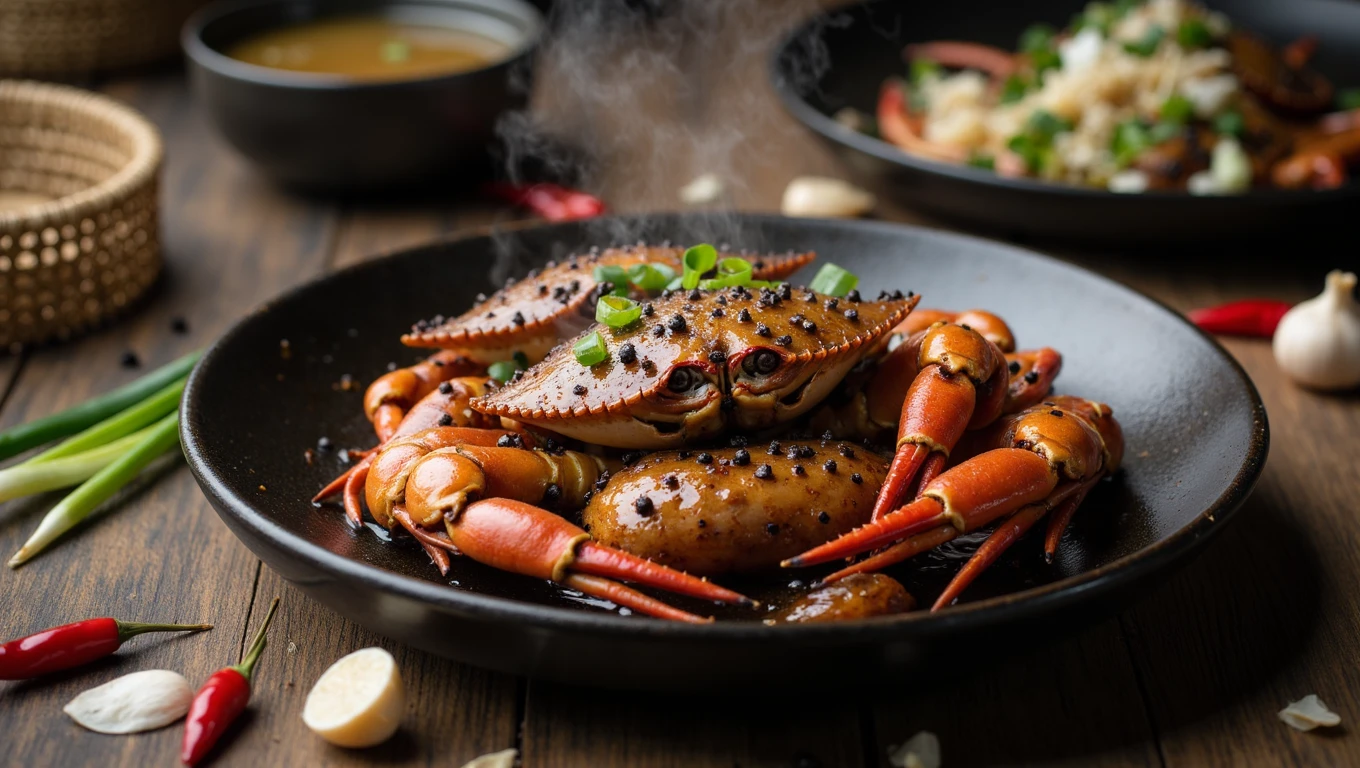
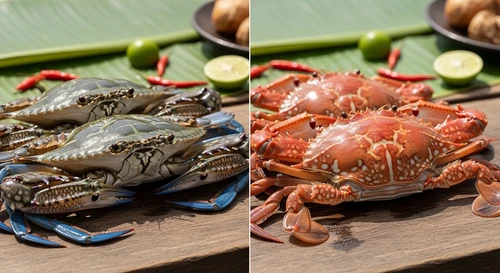
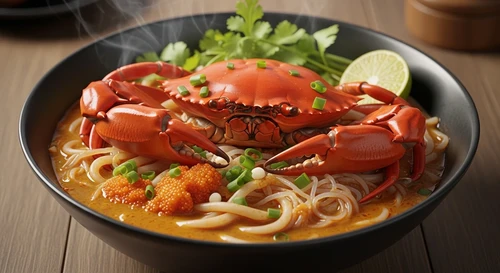
While Nem Cua Be is a Hai Phong specialty, the entire Vietnamese coastline, particularly the fertile Mekong Delta in the south, thrives on crab. Here, crab isn't just an ingredient; it's deeply woven into the fabric of daily life. From the salt-tolerant 'ba khia' found in brackish mangrove swamps, often fermented into potent pastes, to the prized mud crabs caught in coastal provinces like Ca Mau, crab represents sustenance, livelihood, and culinary heritage. The techniques might differ – grilling, steaming with coconut water, or incorporating into hearty noodle soups like Banh Canh Cua – but the reverence for this sweet crustacean is universal.
Heritage Ingredient
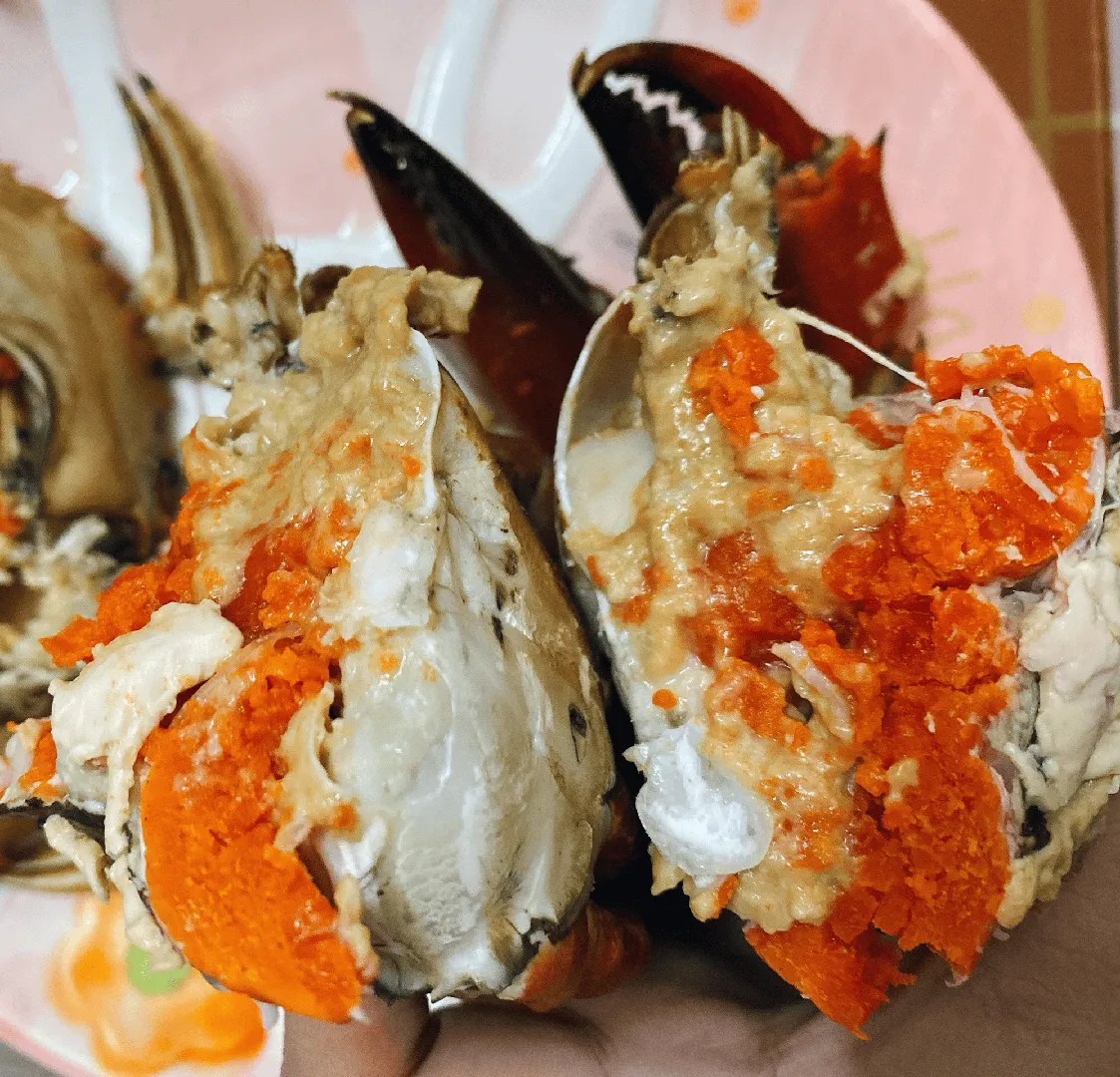
Ca Mau Roe Mud Crab
Ca Mau Roe Mud Crab
A female mud crab known for deep orange roe and a rich, creamy finish, often featured in celebratory Southern Vietnamese seafood meals.
A crimson treasure hidden within a shell, boasting rich, creamy roe that melts on your tongue like a golden sunset over the delta.
Heritage Ingredient
Ca Mau Jumbo Mud Crab
Ca Mau Jumbo Mud Crab
A large male mud crab prized for dense, sweet meat and thick claws, commonly used in steamed crab and grilled crab dishes across the Mekong Delta.
An icon of coastal culinary heritage, featuring firm, sweet meat that captures the raw power and freshness of Ca Mau's tides.
6 Pro Tips for Crispy Perfection
🦀 Freshness is Non-Negotiable
🌡️ Oil Temperature Matters
⚖️ Don't Overstuff
🌿 The Dipping Sauce is Key
7 The Perfect Pairing: How to Enjoy
Nem Cua Be is best enjoyed fresh and hot, straight from the fryer. The traditional way to eat them is to:
The Ritual:
- Take a crisp lettuce leaf.
- Add some fresh herbs like mint or Vietnamese perilla (tia to).
- Place a piece of Nem Cua Be on top.
- Dip generously into the prepared fish sauce mixture.
- Wrap it all up and enjoy the explosion of flavors and textures.
Pair with a cold Vietnamese beer or a refreshing glass of iced tea.
Craving More Seafood?
Explore the delicate art of steaming crab with coconut water, another northern delicacy.
🥥 Discover Coconut Crab