" The Mekong Delta is a realm of water, mud, and life. Its rivers and coastlines teem with crustaceans, none more revered than the mighty mud crab. To truly taste its sweet, dense flesh, a little respect for its origins is paramount. "
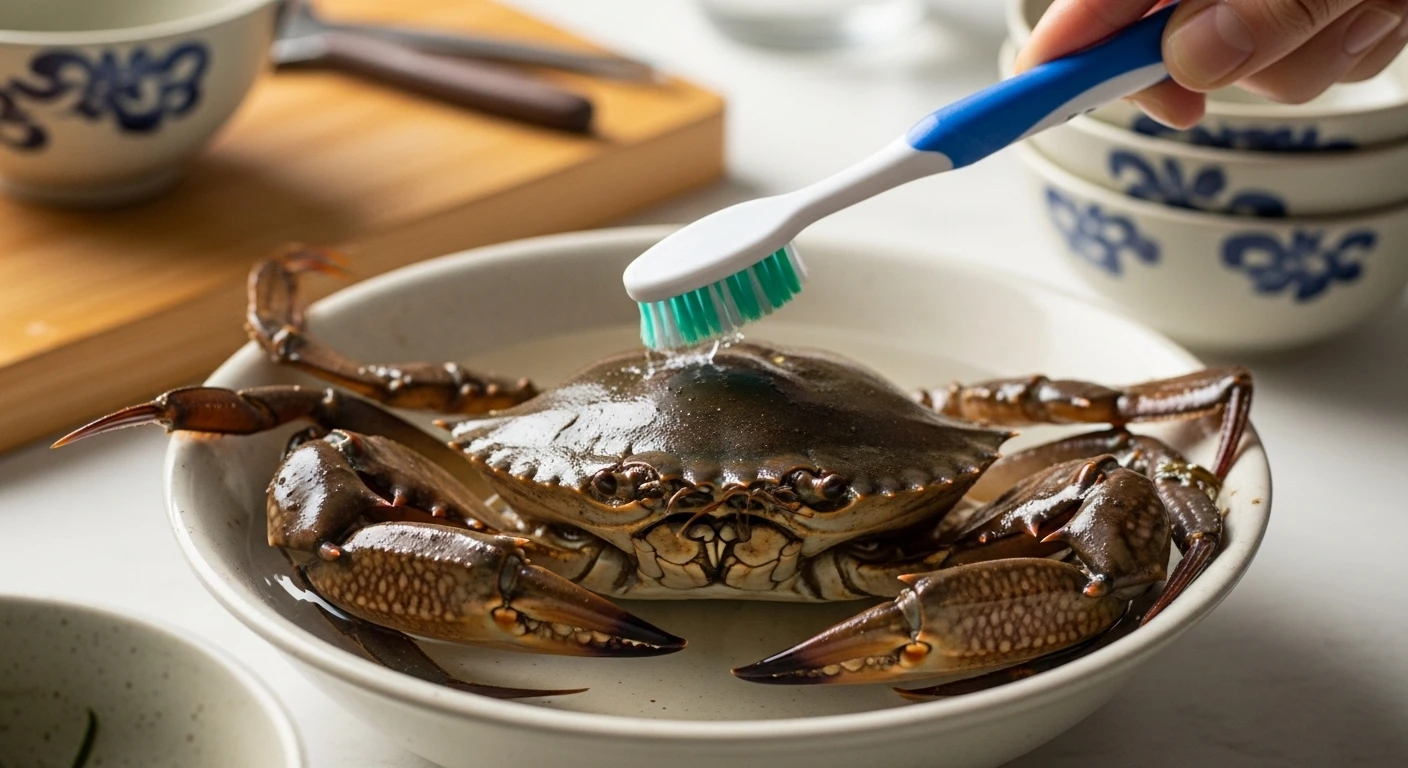
📸 The essential scrub: Removing the last traces of the mangrove.
1 From Mud to Majesty: The Mekong Mud Crab
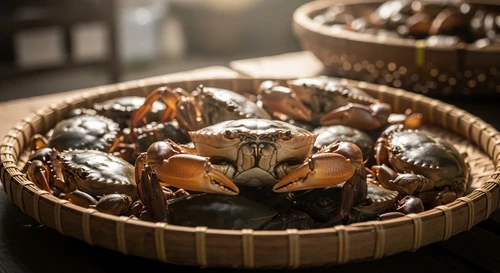
In the vast, intricate waterways of the Mekong Delta, particularly around provinces like Ca Mau, the mud crab (Scylla serrata) is king. These crustaceans thrive in the brackish waters, their lives tied to the ebb and flow of the tides and the rich sediment of the mangrove forests.
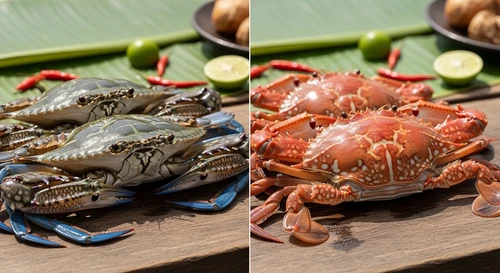
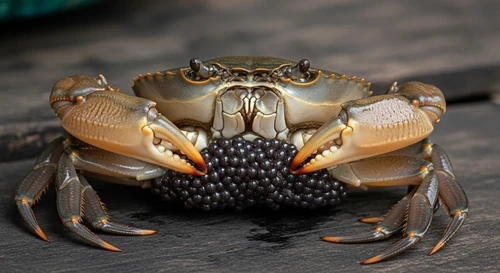
Fishermen, many of whom have plied these waters for generations, understand the subtle art of harvesting these creatures. Whether it's the prized male "crab with meat" (cua thịt), known for its dense, sweet flesh and formidable claws, or the sought-after female "roe crab" (cua gạch) bursting with vibrant, flavorful roe, the quality of the crab dictates the success of any dish.
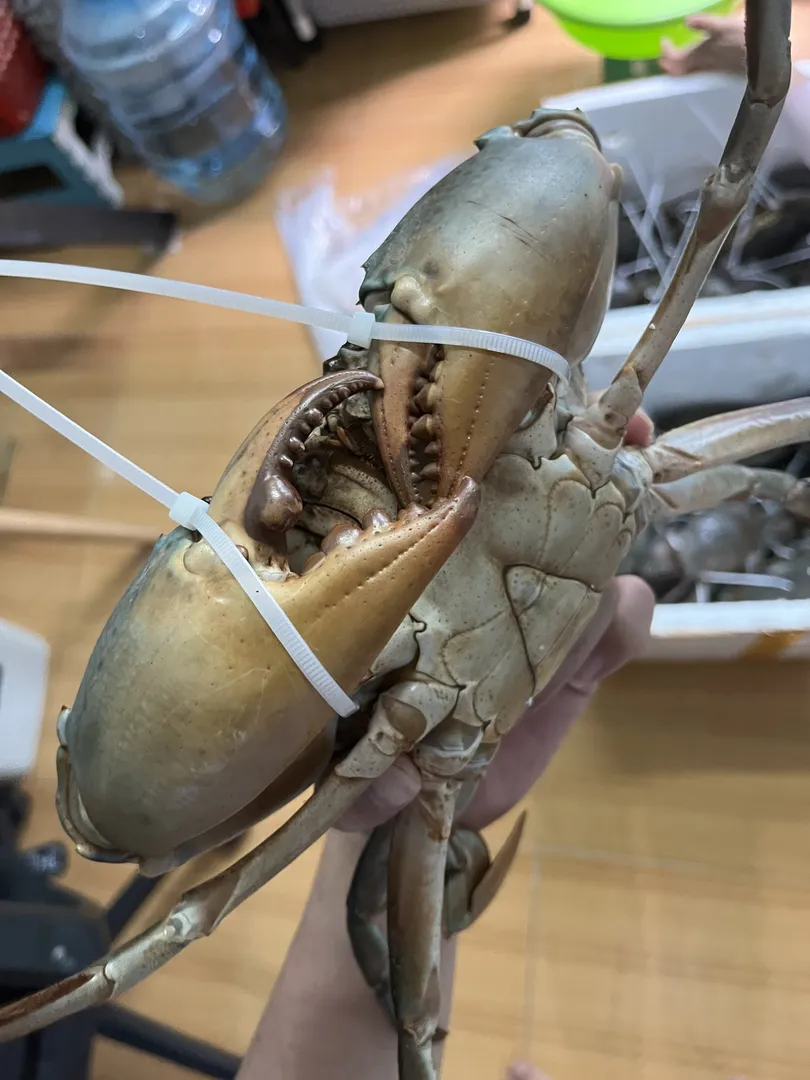
Heritage Ingredient
Ca Mau Jumbo Mud Crab
Ca Mau Jumbo Mud Crab
A large male mud crab prized for dense, sweet meat and thick claws, commonly used in steamed crab and grilled crab dishes across the Mekong Delta.
An icon of coastal culinary heritage, featuring firm, sweet meat that captures the raw power and freshness of Ca Mau's tides.
Why Pristine Matters
A crab's habitat is its pantry. Before it reaches your cooking pot, it’s been foraging in estuarine mud, a place rich in nutrients but also home to sediment, algae, and debris. A thorough cleaning isn't just about aesthetics; it's about honoring the crab's journey and ensuring the purest flavor of the sea and delta shines through. Any residual mud can impart an unpleasant earthy or gritty texture, detracting from the delicate sweetness of the crab meat.
2 The Essential Tools: Simple, Yet Mighty
The Star Player
- A Live Mud Crab: The fresher, the better. Look for one that is active and heavy for its size.
The Cleaning Crew
- A Stiff Brush: A dedicated vegetable brush or, ideally, a clean, firm toothbrush is perfect.
- Clean Water: Fresh or saltwater, but must be clean.
- A Bowl or Sink: For containing the water and debris.
- Gloves (Optional): For protection and grip.
3 The Ritual: Mastering the Scrub
The Initial Rinse
Place the live crab in a sink or large bowl. Pour clean water over it, rinsing away any loose debris. You might want to hold it firmly or use tongs for this initial step. Observe its movement – a lively crab is a good sign.
The Shell Scrub Down
Using your toothbrush, start scrubbing the top of the crab's shell (the carapace). Work in small, circular motions. Pay attention to the edges, where mud and algae tend to accumulate. Rinse the brush frequently to wash away the dislodged sediment.
Underbelly Detailing
Flip the crab over carefully. The underside, particularly the abdomen (the triangular flap for males, the broader apron for females), requires thorough attention. Gently lift the abdominal flap to clean the nooks and crannies where mud and grit can hide. This is crucial for clean eating.
Legs and Claws
Don't forget the legs and claws! Use the toothbrush to scrub between the segments of the legs and around the joints of the claws. These areas can trap fine sediment.
The Final Rinse & Inspection
Give the crab one last thorough rinse under clean water. Inspect it closely. If you spot any persistent patches of mud or grime, give them another scrub. The goal is a visibly clean shell, free from any terrestrial taint.
Ready for the Heat: What's Next?
Once your mud crab is pristine, it's ready for its culinary destiny. The cleaning process ensures that whatever cooking method you choose—steaming, grilling, or simmering in a rich broth—the pure, sweet flavor of the crab meat will be the undisputed star.
Steaming Magic
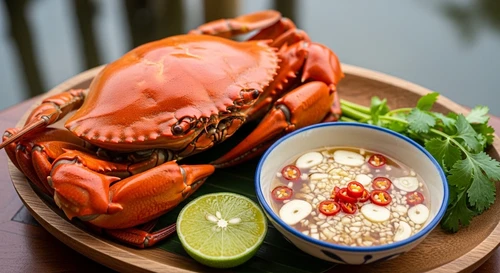
The classic Mekong method. Steam with lemongrass, ginger, or a splash of coconut water for delicate flavors.
Fiery Grills
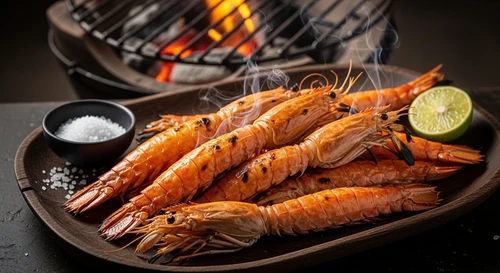
Directly over coals, brushed with a light marinade, for a smoky char.
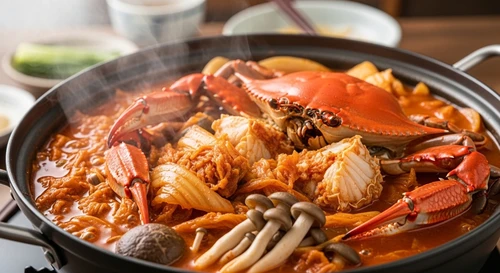
Rich Stews & Hot Pots
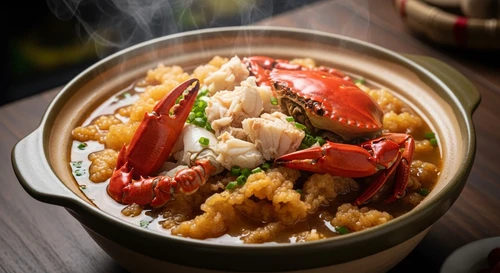
Incorporate into complex broths, where its sweetness balances other ingredients.
If preparing for a celebratory meal or a guest, consider rinsing the cleaned crab one last time in a dilute saltwater solution to mimic its natural environment.
Keeping It Safe: Hygiene First
✅ Dedicated Utensils
🧼 Hand Washing
🐟 Sourcing Matters
6 More Than Just Cleaning: A Cultural Connection
In the Mekong Delta, food is not merely sustenance; it's a deeply ingrained part of life, a reflection of the land and its waters. The meticulous cleaning of a mud crab is a quiet ritual, a gesture of respect for the ingredient and the ecosystem that provides it. It connects the cook to the fishermen who braved the estuarine channels and to the generations who have perfected the art of coaxing exquisite flavors from these humble, mud-dwelling creatures.
So, the next time you prepare a mud crab, remember this humble process. It’s not just about removing dirt; it’s about honoring tradition, respecting nature, and setting the stage for a truly unforgettable culinary experience. The clean shell is a promise of the sweet, unadulterated meat within, a true taste of the Mekong Delta.
Ready to Cook?
Now that your mud crab is impeccably clean, discover the most beloved ways to cook it in the Mekong!
🦀 Discover Steamed Crab Recipes