" In the Mekong Delta, preservation is an art passed down through generations. It's about coaxing flavor from scarcity, about making the bounty of the rivers and coast last through lean times. Mam Ba Khia, that glorious salty-sour fermented crab, is a testament to this enduring tradition. But like any good relationship, it needs care. "
1 The Mekong's Magic: A Taste of Time
The Mekong Delta, a sprawling tapestry of rivers, canals, and mangrove forests, is a land where food preservation isn't just a choice; it's a necessity and a culinary heritage. Before the era of global supply chains and instant refrigeration, communities relied on the wisdom of fermentation to capture the essence of seasonal abundance.
Mam Ba Khia, the star of our conversation, is a prime example. Small mangrove crabs, affectionately known as 'ba khia,' are meticulously cleaned and then submerged in a brine of salt, sometimes with a touch of sugar, garlic, and chili. They are left to undergo a slow, natural fermentation, a process that transforms their raw, briny flavor into a complex symphony of salty, sour, and subtly sweet notes. This isn't a quick pickle; it's a months-long alchemical transformation.
What is Ba Khia?
These are small, typically wild or semi-wild crabs found in brackish waters and mangrove areas, particularly prevalent in provinces like Kien Giang and Ca Mau. Their small size and robust flavor make them ideal for fermentation.
The Process
Traditional Mam Ba Khia is made with fresh, live crabs, thoroughly washed, and then layered with salt and other aromatics in earthenware jars, sealed, and left to ferment for a minimum of several weeks, often months.
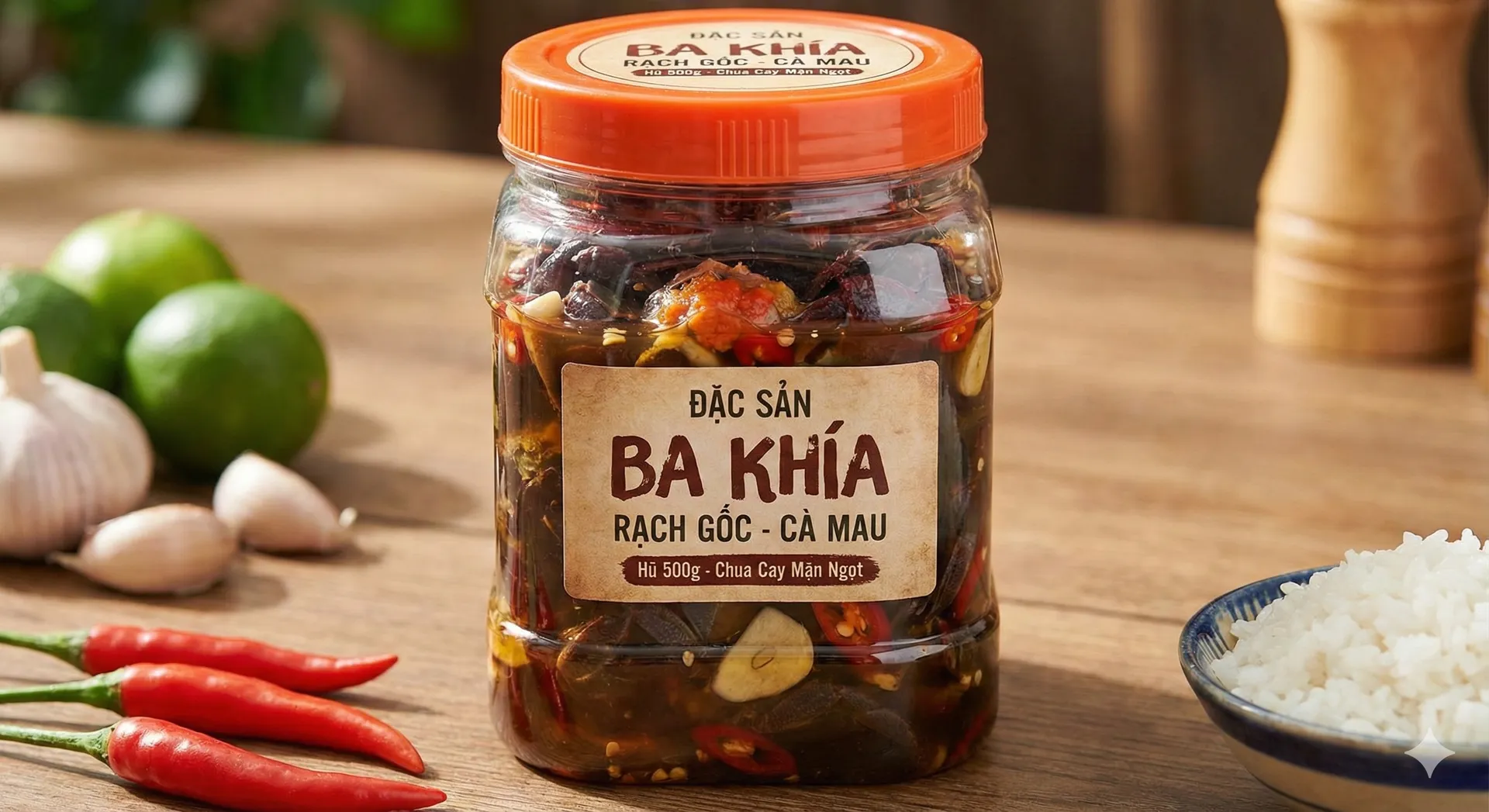
Heritage Ingredient
Fermented Mangrove Crab (Ba Khia)
Fermented Mangrove Crab (Ba Khia)
A traditional fermented crab specialty from the mangrove region of Rach Goc, often cited in articles about rustic Mekong Delta flavors and preserved seafood culture.
The salty-sour heartbeat of the wild south, where traditional fermentation turns forest crabs into a nostalgic explosion of rustic Mekong soul.
2 The Clock is Ticking: How Long Does It Really Last?
This is where the art meets science. Fermented foods are designed to last, but "last" is a relative term, especially when dealing with the vibrant, dynamic process of fermentation. The exact shelf life of Mam Ba Khia depends on several factors:
The Initial Fermentation
- Properly Fermented: If the Mam Ba Khia has undergone a good, initial fermentation (often 3-6 months at room temperature before commercial packaging), it's already stable.
- Under-fermented: If it's too 'fresh' and hasn't developed enough sourness, it's more prone to spoilage.
Storage Conditions
- Refrigeration: This is your best friend for extending shelf life.
- Airtight Seal: Exposure to air can accelerate spoilage and off-flavors.
- Hygiene: Clean utensils are paramount.
Generally speaking, once opened and refrigerated properly, a well-made Mam Ba Khia can last for a significant time, but quality will degrade.
3 Chilling Out: Fridge Storage Secrets
The refrigerator slows down the fermentation process dramatically. Think of it as hitting the pause button, allowing you to savor the flavors for longer.
Airtight is Right
Always store Mam Ba Khia in an airtight container. This prevents odors from escaping into your fridge and, more importantly, stops the fermented crab from drying out or oxidizing.
The Fridge Zone
Keep it in the coldest part of your refrigerator, usually the back of a lower shelf.
Use Clean Utensils
Always use a clean, dry spoon or fork to scoop out the crab. Introducing contaminants can accelerate spoilage.
The Numbers Game: How Long Can You Keep It?
While exact figures vary, here's a general guideline for properly stored Mam Ba Khia in the refrigerator. Remember, these are estimates; always trust your senses.
Opened & Refrigerated
3-6 Months: This is a good window for optimal flavor. The tanginess will continue to develop.
Unopened & Refrigerated
6-12 Months (or longer): Commercially sealed jars can last a very long time, as the fermentation process has stabilized.
Room Temperature (Unopened)
Until marked 'best by': Most are shipped once fully fermented. Once opened, refrigerate.
Over time, the flavor will evolve. It might become intensely sour. This isn't necessarily spoilage, but it might not be to everyone's taste.
When to Say Goodbye: Spotting Spoilage
Fermented foods are resilient, but they can still go bad. Here are the red flags:
Smell Test
Off-putting, putrid, or ammonia-like smells are bad news. It should smell tangy and pleasantly sour, not rotten.
Visual Cues
Unusual mold growth (other than the white, powdery film that can be normal for some ferments), slimy texture, or discolored liquid.
Taste Test (Cautiously)
If it smells or looks suspicious, don't taste it. If it's borderline, take a tiny, tiny bit. If it's aggressively unpleasant and not just sour, discard.
When in Doubt...
...throw it out. It's not worth the risk.
6 More Mekong Wisdom: Other Preservation Arts
Fermentation is just one way the resourceful people of the Mekong Delta preserve their bounty. Consider these other traditions:
Sun-Drying
From shrimp to fish, the relentless sun is a powerful ally. Sun-dried shrimp (Tôm Khô) from coastal areas like Rach Goc are intensely flavorful and have a long shelf life when stored dry. They're a staple for adding depth to soups, salads, and stir-fries.
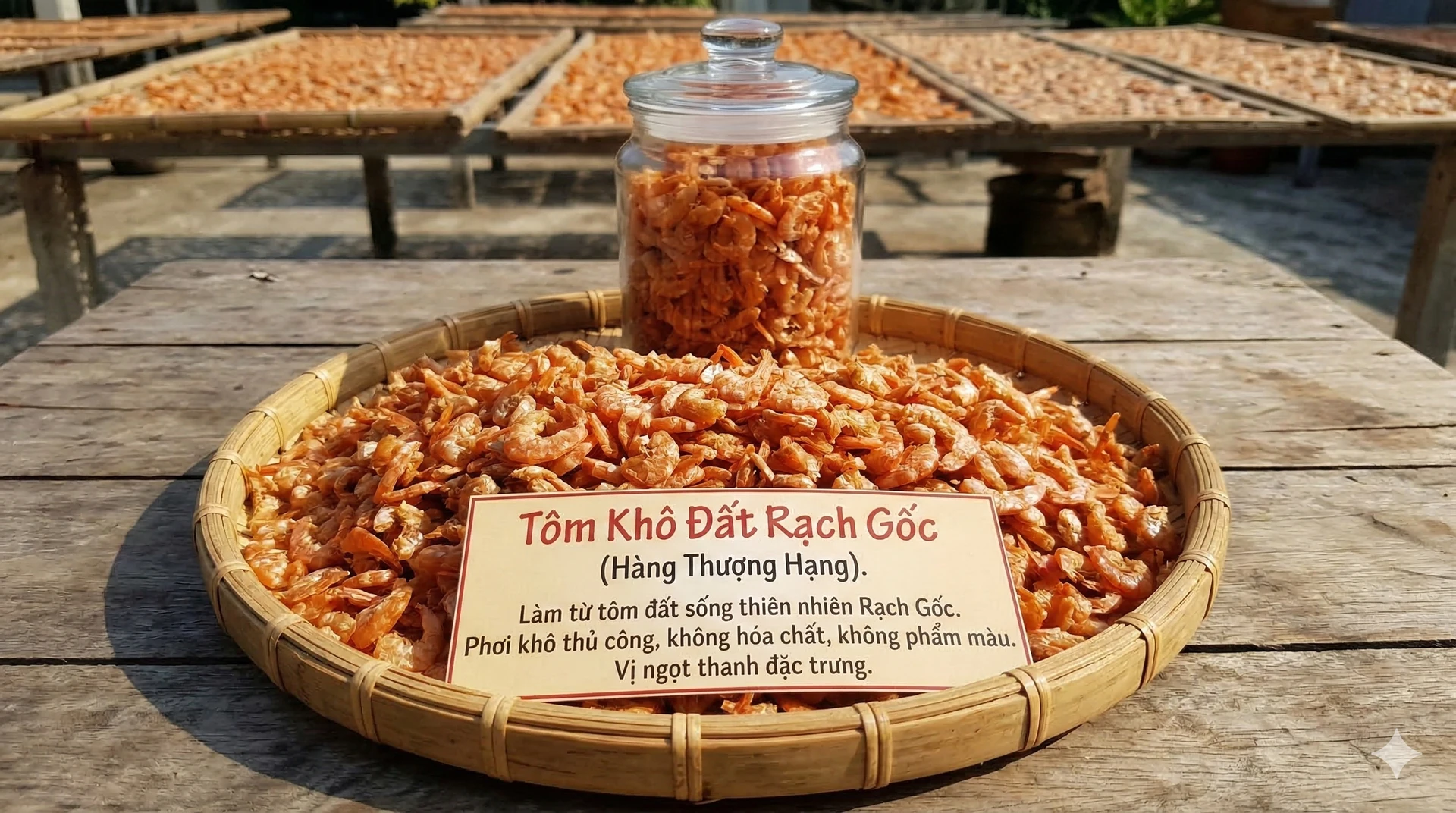
Heritage Ingredient
Sun-Dried Wild Shrimp from Rach Goc
Sun-Dried Wild Shrimp from Rach Goc
Traditional dried shrimp made from small wild shrimp, valued for natural sweetness and commonly used in Vietnamese salads, soups, and festive dishes.
Concentrated sunlight and sea salt in every bite, these crimson gems offer a deep, umami sweetness that whispers tales of Rach Goc's golden shores.
Salt Curing
Similar to fermentation but often simpler, salt curing draws out moisture and inhibits microbial growth. While not as common for whole crabs as fermentation, it's a fundamental technique for many seafoods. Think of the vast arrays of salted fish found in Mekong markets.
7 How to Enjoy Your Perfectly Stored Treasure
The beauty of well-preserved Mam Ba Khia is its versatility. It's not just a condiment; it's a flavor base.
The Classic Dip
The simplest and perhaps best way: serve it with steamed rice, fresh herbs (mint, basil, perilla), and slices of raw vegetables (cucumber, lettuce). Add a squeeze of lime and some chili for an extra kick.
Salads & Noodles
Use it as a dressing base for papaya salads (Gỏi Đu Đủ) or vermicelli dishes (Bún). The salty-sour notes are incredible.
With Fresh Seafood
A side of Mam Ba Khia elevates simple boiled shrimp or crab. The contrast is divine. Consider using it alongside fresh mud crabs from Ca Mau!
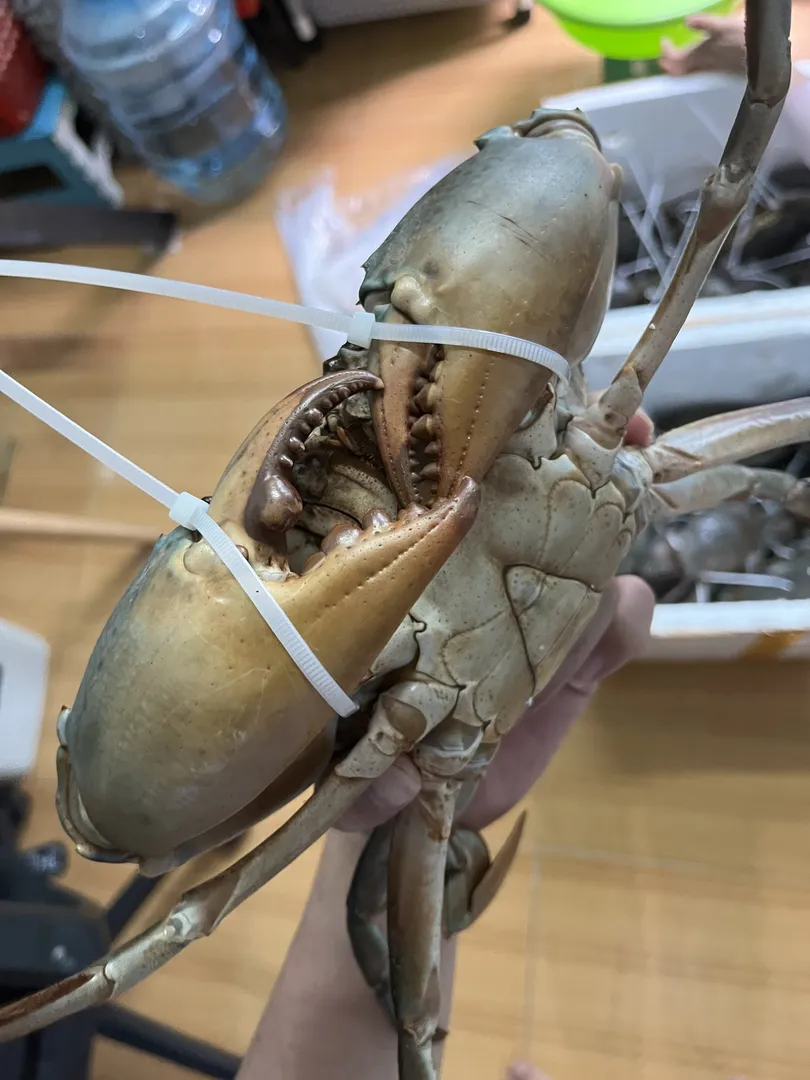
Heritage Ingredient
Ca Mau Jumbo Mud Crab
Ca Mau Jumbo Mud Crab
A large male mud crab prized for dense, sweet meat and thick claws, commonly used in steamed crab and grilled crab dishes across the Mekong Delta.
An icon of coastal culinary heritage, featuring firm, sweet meat that captures the raw power and freshness of Ca Mau's tides.
8 A Taste of Resilience
Preserving Mam Ba Khia is more than just a food storage task; it's an act of cultural continuity. It's about understanding the rhythms of nature, respecting the ingredients, and ensuring that the bold, distinctive flavors of the Mekong Delta can be enjoyed long after the harvest. So, next time you open that jar, remember the journey it took – from the mangrove waters to your table – and savor every tangy, complex bite.
Explore Further:
More Mekong Flavors
View More Food & Culinary
Dizzying Price Surge for Peeled Mantis Shrimp During the April 30th - May 1st Holidays
The soaring demand for pre-peeled mantis shrimp for hotpots causes processing factories in Quang Ninh and Ha Long to be overwhelmed.
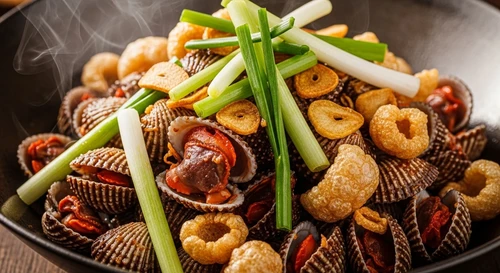
Blood Cockles Sautéed with Garlic, Pork Cracklings & Scallions
Opened blood cockles sautéed with crispy garlic and pork cracklings, topped with fried scallions. Chewy, crunchy, and perfect with beer.
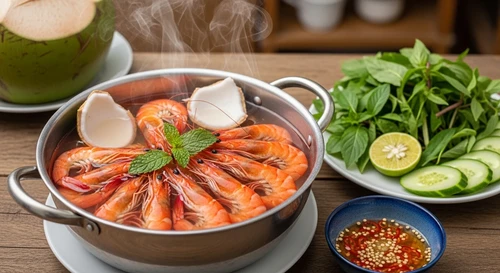
Juicy Coconut Water Boiled Shrimp
It only takes 5 minutes to boil shrimp in Siamese coconut water. The bright red shrimp become twice as sweet and plump.
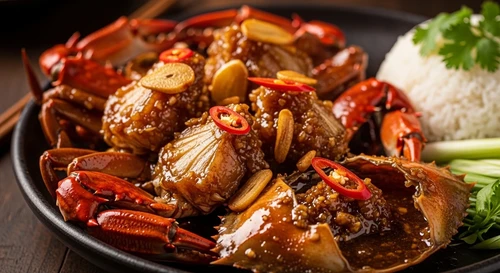
Blue Crab Caramelized in Garlic Sugar Fish Sauce
Quartered crabs simmered on low heat with garlic sugar fish sauce until it forms a sticky candy coating. Finger-licking good.
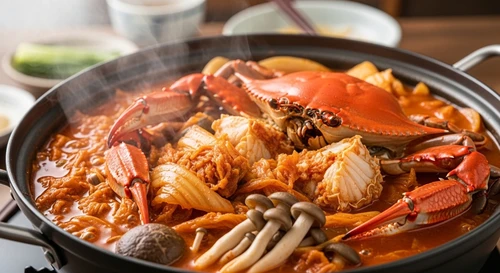
Kimchi & Oyster Mushroom Blue Crab Hotpot
A unique twist using the sharp sour-spicy flavor of Korean kimchi to balance the oceanic taste of fresh blue crabs.
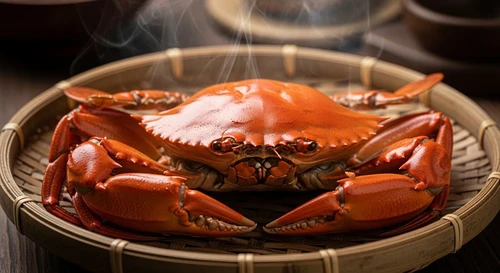
The Ultimate Trick to Steam Crabs Without Dropping Legs
Piercing the crab's nerve center before steaming or anesthetizing them in ice water is the best way to keep their shape intact.
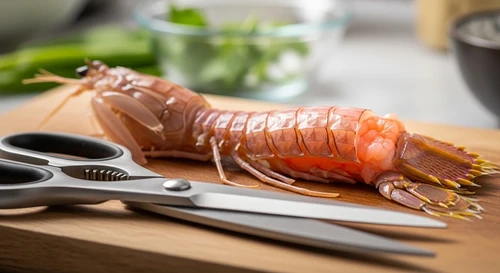
Hack to Peel Whole Mantis Shrimp Without Cutting Your Hands
Use scissors to cut off the side spines and peel the shell backward from the tail to the head, super fast like a vendor.
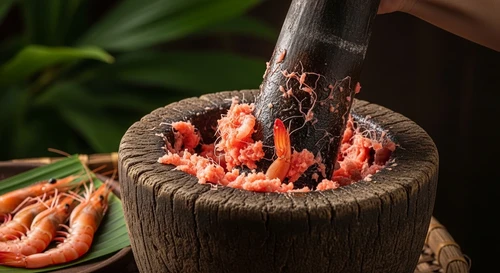
Secret to Chewy Hand-Pounded Shrimp Paste Without Baking Powder
Place the shrimp in the freezer for 30 minutes before pounding with a pestle. This helps the paste bind and become naturally chewy.
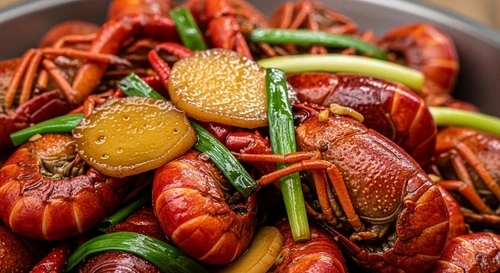
Famous Taiwanese Pan-Seared Crawfish with Scallion, Ginger, and Black Pepper Sauce
Stir-fry crawfish in a blazing pan with smashed ginger and chopped scallions, drenched in dark soy sauce. Perfect to sip with warm wine.