" It’s a culinary conundrum that perplexes many: the itchy hands, the sudden rash upon touching a raw crab or shrimp, yet the ability to devour a perfectly cooked prawn without a second thought. How can this be? "
1 The Mekong's Crustacean Conundrum
The labyrinthine waterways of the Mekong Delta, a region synonymous with an abundance of aquatic life, are where some of the world's most sought-after crustaceans are harvested. From the famed Ca Mau mud crabs, celebrated for their dense, sweet meat, to the robust Black Tiger shrimp nurtured in mangrove forests, seafood is not just sustenance here; it's an identity, a livelihood, a way of life. Imagine the bustling floating markets of Can Tho, the quiet shores of Ca Mau's coastline – these are places where generations have honed the art of fishing, farming, and preparing seafood.
Yet, for a segment of the global population, this rich bounty comes with a peculiar caveat. The very touch of a raw crab's shell can trigger an unwelcome reaction – itching, redness, swelling – a stark contrast to the safe, delicious journey the cooked meat takes through the digestive system. This isn't an oral allergy to seafood itself, but a specific, often baffling, form of hypersensitivity.
Heritage Ingredient
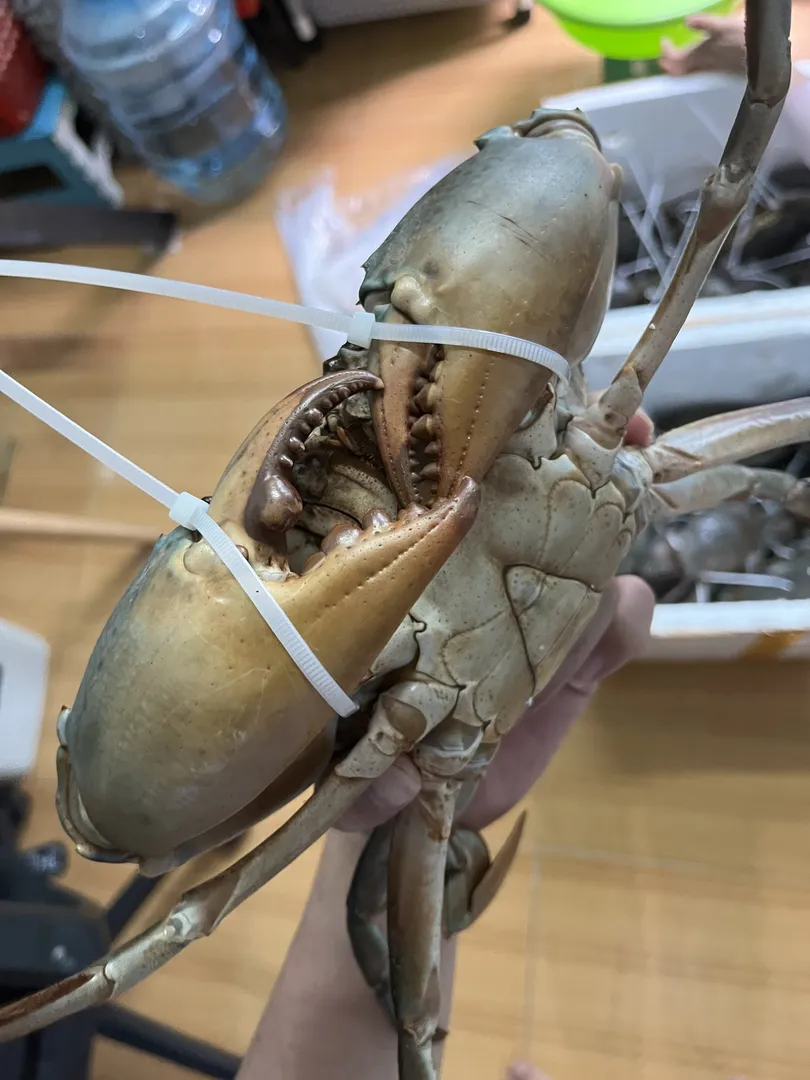
Ca Mau Jumbo Mud Crab
Ca Mau Jumbo Mud Crab
A large male mud crab prized for dense, sweet meat and thick claws, commonly used in steamed crab and grilled crab dishes across the Mekong Delta.
An icon of coastal culinary heritage, featuring firm, sweet meat that captures the raw power and freshness of Ca Mau's tides.
2 Decoding the Contact Hives
The culprit isn't the succulent flesh you crave, but specific proteins found predominantly in the crustacean's exoskeleton – the shell. These are often different from the proteins that cause true food allergies (which affect the digestive system). When raw shell comes into direct contact with susceptible skin, the immune system can mistakenly identify these shell proteins as foreign invaders.
This triggers a localized inflammatory response, a phenomenon known as contact urticaria or contact hives. The symptoms typically appear within minutes to an hour of exposure and might include:
- Redness (erythema)
- Swelling (edema)
- Itching (pruritus)
- Sometimes, small raised welts (wheals)
Crucially, these reactions are confined to the point of contact. Unlike a systemic allergic reaction, touching the shell doesn't necessarily mean eating the meat will be dangerous.
3 Heat: The Great Neutralizer
The magic happens with heat. When crustaceans are cooked, particularly through methods like steaming, boiling, or grilling, the high temperatures cause significant changes to the protein structures. These proteins, responsible for the contact reaction, become denatured – their molecular shape is altered to the point where they are no longer recognized as threats by the skin's immune cells.
Think of it like scrambling an egg. The original liquid structure is irreversibly changed. Similarly, cooking transforms the allergenic proteins in the shell into harmless, inert components. This is why someone can handle a raw shrimp and break out in hives, then happily eat a cooked shrimp dish without any adverse effects. The digestive enzymes in the stomach are also far more robust and are designed to break down proteins, including those in cooked seafood, effectively neutralizing any residual allergenic potential *after* heat has done its initial work.
4 Contact vs. True Allergy: A Crucial Distinction
It is vital to differentiate between this specific type of contact reaction and a genuine seafood allergy. A true seafood allergy (often triggered by proteins like tropomyosin) involves the immune system's IgE antibodies and can lead to systemic reactions, including hives all over the body, digestive distress, respiratory problems, and even anaphylaxis – a life-threatening condition.
The key distinctions are:
- Trigger: Contact urticaria is triggered by direct skin contact with raw shells. A true food allergy is triggered by ingestion.
- Symptoms: Contact urticaria is localized to the skin where contact occurred. Systemic reactions involve multiple body systems.
- Severity: While uncomfortable and potentially distressing, contact urticaria is rarely life-threatening. True food allergies can be severe and require immediate medical attention.
If you experience symptoms after consuming seafood, it is imperative to consult a healthcare professional or an allergist for proper diagnosis. They can perform tests to pinpoint the exact nature of your sensitivity.
Heritage Ingredient
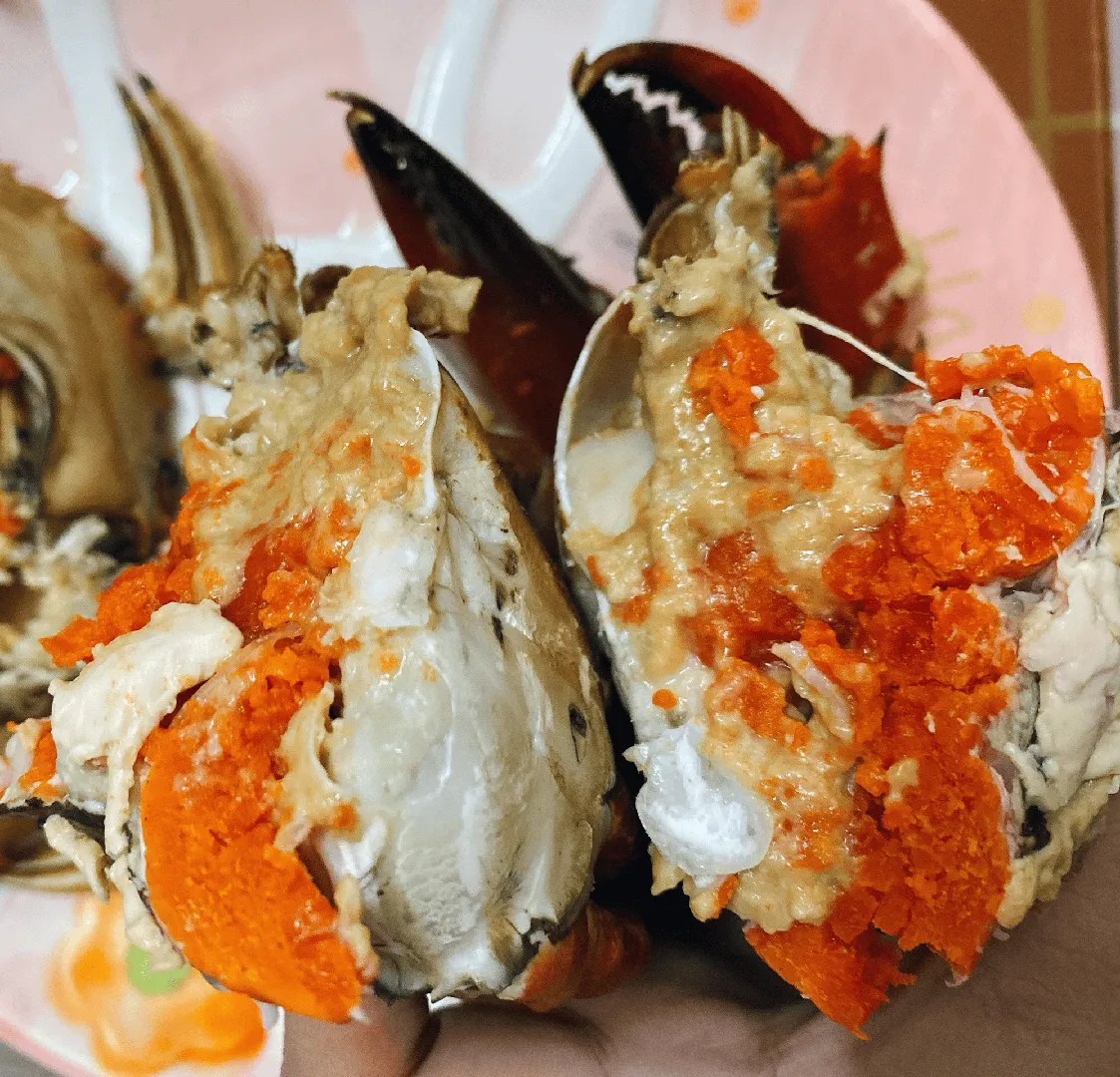
Ca Mau Roe Mud Crab
Ca Mau Roe Mud Crab
A female mud crab known for deep orange roe and a rich, creamy finish, often featured in celebratory Southern Vietnamese seafood meals.
A crimson treasure hidden within a shell, boasting rich, creamy roe that melts on your tongue like a golden sunset over the delta.
5 Navigating the Kitchen with Confidence
For those affected by shell sensitivity, the kitchen doesn't have to become a no-go zone. Awareness and a few simple strategies can make all the difference:
- Wear Gloves: The most straightforward defense. Disposable nitrile or latex gloves create a barrier between your skin and the raw shells.
- Delegate Handling: If possible, have someone without this sensitivity handle the raw preparation.
- Thorough Washing: After handling raw shells, wash your hands immediately and thoroughly with soap and water.
- Minimize Contact Time: Work quickly when preparing raw crustaceans.
- Focus on Cooked Dishes: Embrace recipes where the seafood is cooked before it's handled extensively, or where pre-cooked ingredients are used.
Even in the Mekong Delta, where seafood is central to daily life, these practical measures are common for anyone with even mild sensitivities. The goal is to enjoy the incredible flavors and textures without the discomfort.
Heritage Ingredient
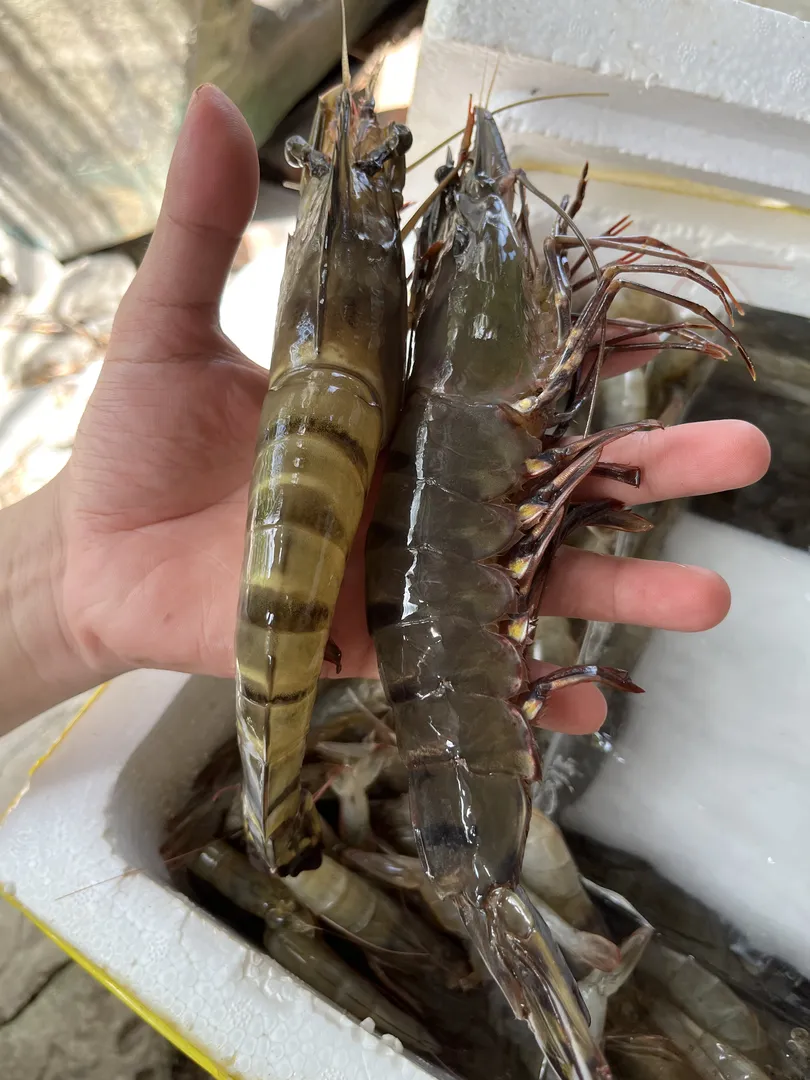
Ca Mau Black Tiger Shrimp
Ca Mau Black Tiger Shrimp
Large black tiger shrimp associated with mangrove aquaculture in Ca Mau, known for firm flesh and a cleaner, sweeter finish than intensively farmed shrimp.
Wild spirits of the mangroves, these black-banded gems deliver a firm, snappy texture and a sweetness that echoes the forest's vibrant life.
6 A World of Flavor Awaits
The beauty of crustacean dishes in Vietnamese cuisine, particularly from regions like the Mekong Delta, lies in their diverse preparations that celebrate the natural sweetness of the meat. While the shell might present a hurdle for some, the cooked offerings are a testament to culinary ingenuity.
Consider the delicate balance in a simple steamed crab with lemongrass and ginger, where the natural flavor is paramount. Or the rich, complex notes of crab noodle soup (Banh Da Cua), where the crab meat is the star, and the shell is safely removed. Even grilled prawns, often cooked in their shells, benefit from the barrier that heat provides, keeping the flesh incredibly moist and flavorful. The key is that the edible portion is not the source of the skin reaction.
This nuanced understanding allows food lovers to appreciate the full spectrum of seafood delicacies, from the humble shrimp stir-fry to the regal mud crab, without undue fear. The knowledge of *why* this phenomenon occurs empowers us to cook and eat with greater confidence and enjoyment.
7 Other Contact Sensitivities
It's worth noting that contact reactions aren't exclusive to crustaceans. Some individuals might experience skin irritation from touching certain types of fish scales (especially those with a slime coating) or even specific types of algae or seaweeds. The underlying principle remains the same: the immune system reacting to surface proteins or compounds that are neutralized or altered by cooking. This highlights how our interaction with the marine environment, both for consumption and mere touch, can be complex and varied.
8 The Bizarre Truth, Simplified
So, the next time you find yourself marveling at the sheer deliciousness of a perfectly cooked piece of crab or shrimp, knowing that your skin might have protested its raw form, you understand the peculiar science at play. It's a testament to the transformative power of heat and the subtle differences between skin immunity and digestive immunity. The Mekong Delta offers a world of flavors, and with a little knowledge, everyone can partake in its aquatic treasures, shell sensitivity and all.
More Health & Nutrition Insights
View More Health & Nutrition
Comparing Calcium Levels: Blue Swimmer Crabs vs. Field Crabs
Dissecting the nutritional composition tables to find out which crustacean is best for people suffering from osteoporosis.
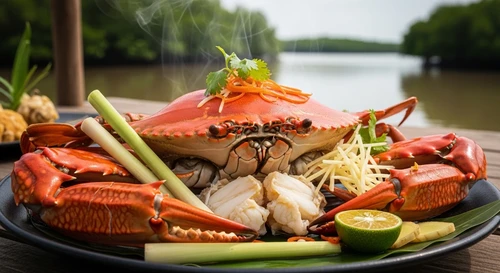
Iodine Source: Thyroid Health
Essential minerals found in sea crabs.
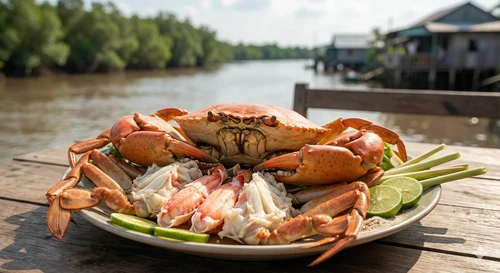
Cholesterol Myths: Is Crab Bad for Heart?
Debunking the myth about seafood and cholesterol.
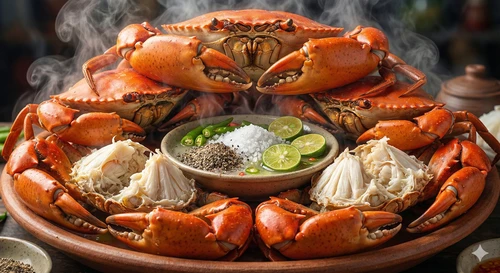
Is Mud Crab Keto-Friendly?
Zero carbs, high protein. The perfect diet food.
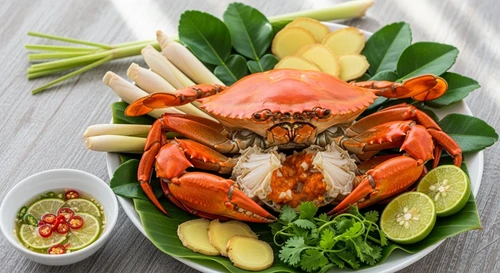
Low Sodium Options for Crab Lovers
How to cook crab without raising blood pressure.
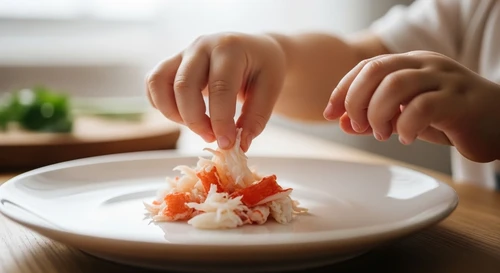
Feeding Kids: Is Crab Safe for Toddlers?
When to introduce seafood to your baby.
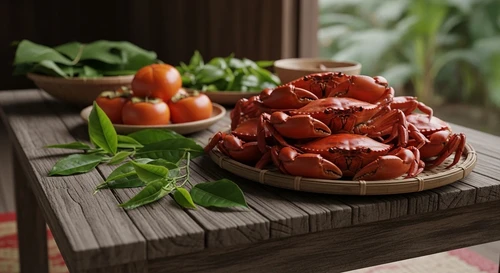
Is it Strictly Forbidden to Drink Green Tea or Eat Persimmons with Crabs?
Tannins in tea and persimmons combine with seafood proteins to form indigestible gastric stones, leading to severe stomach cramps.
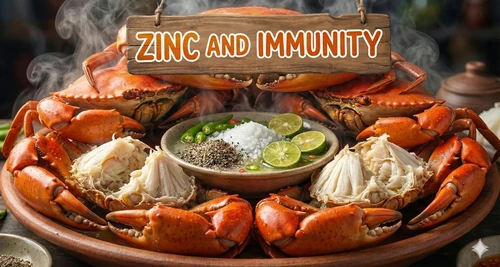
Zinc and Immunity: Crab's Secret Weapon
How eating crab boosts your immune system.
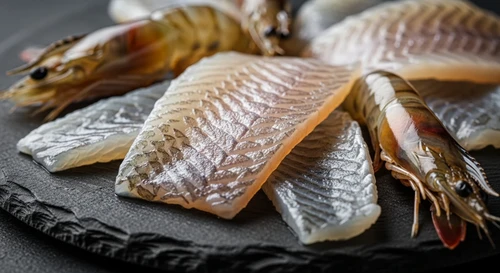
The Mucus Membrane on Fish Skin and Shrimp Shells: A Forgotten Natural Collagen Goldmine
Scientific discoveries regarding the collagen peptide structure in the epidermis of seafood, which is easily absorbed to plump up facial skin.