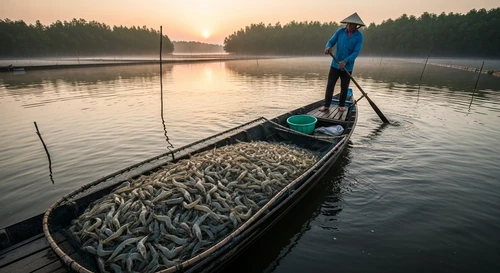
" It’s not just about food; it’s about a shifting tide, a dance of economics played out on the mudflats of the Mekong. The humble giant crab, a symbol of the delta's bounty, has become a global commodity. "
1 The Mekong's Crown Jewels: A Legend is Born
For generations, the labyrinthine waterways of the Mekong Delta have been a cradle of life. From the emerald rice paddies to the brackish mangrove forests, this fertile crescent in Southern Vietnam yields a bounty unlike any other. And among its most prized possessions are its mud crabs – particularly the giants. These aren't your average crustaceans. We're talking about specimens that tip the scales, with formidable claws and a dense, sweet meat that whispers of the sea and estuary. They are a symbol of the delta's rich biodiversity and the skilled, often arduous, livelihoods of the people who harvest them.
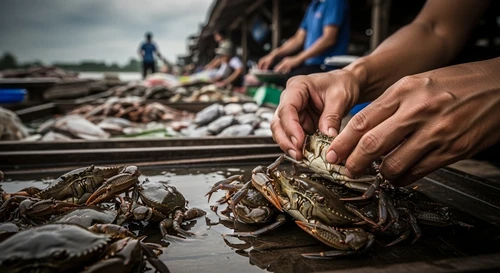
In regions like Ca Mau, known as Vietnam's southernmost province and a vast expanse of mangrove forests and coastal marshes, mud crabs are more than just food; they are a way of life. Fishermen navigate intricate canal systems, setting traps in the tidal flats, relying on their intimate knowledge of the environment to coax these elusive creatures from their hidden lairs. The "Y1" designation, often spoken in hushed tones among traders, refers to a specific grade of crab that is over 1 kilogram in weight, with Y typically signifying "Yumbo" or "Year 1" (though the latter is more folklore than fact, indicating a prime, mature crab). These are the behemoths, the stuff of culinary dreams.
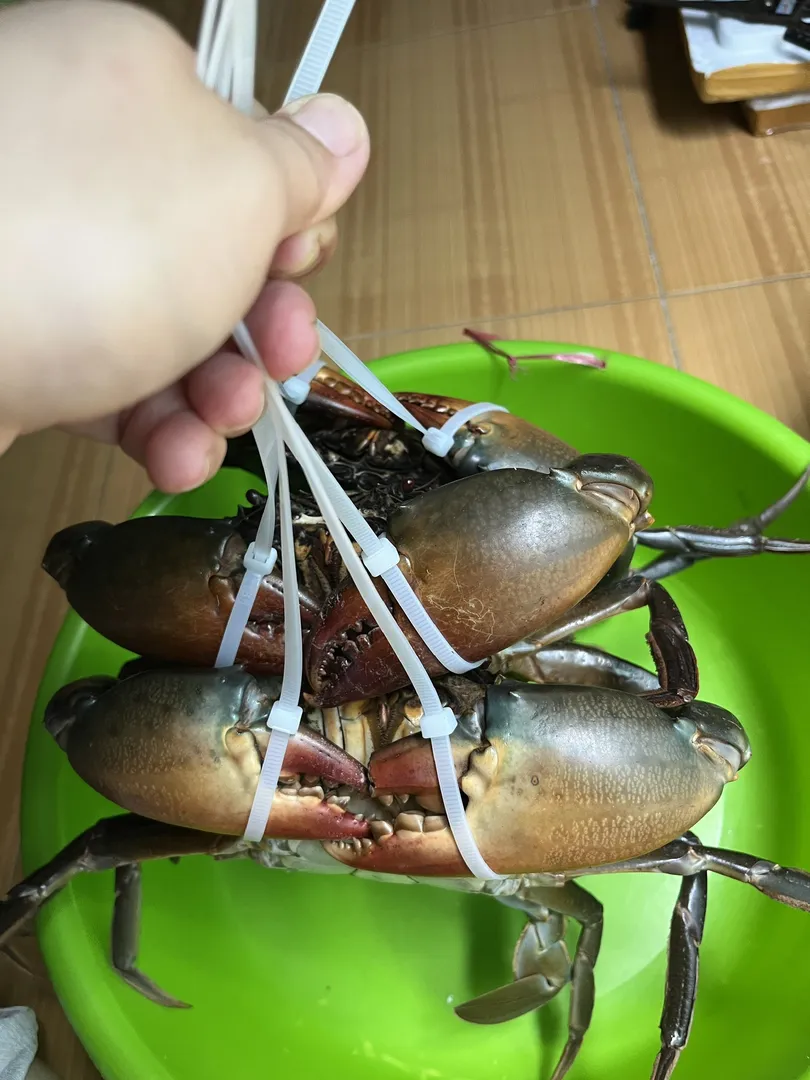
Heritage Ingredient
Giant Ca Mau Mud Crab
Giant Ca Mau Mud Crab
A larger export-grade mud crab with dramatic claws and thick meat, often used to illustrate oversized crab categories in Vietnamese seafood markets.
A titan of the ocean, offering colossal claws filled with muscular, succulent meat that elevates every feast into a royal experience.
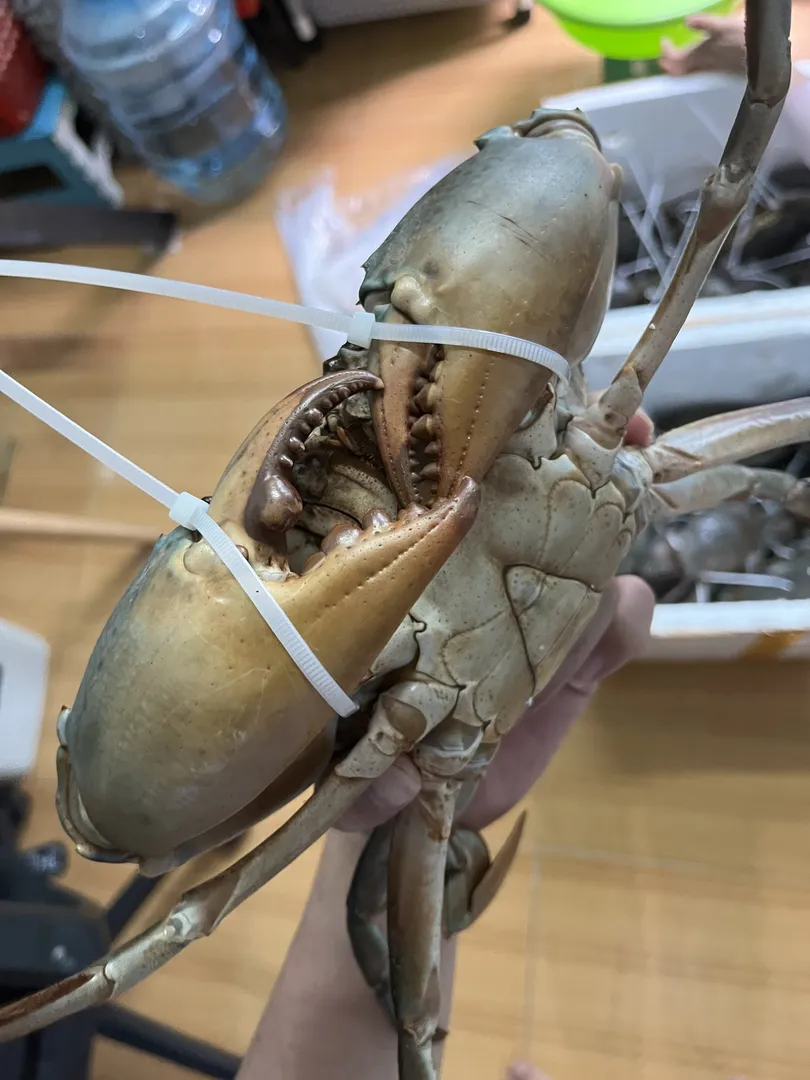
Heritage Ingredient
Ca Mau Jumbo Mud Crab
Ca Mau Jumbo Mud Crab
A large male mud crab prized for dense, sweet meat and thick claws, commonly used in steamed crab and grilled crab dishes across the Mekong Delta.
An icon of coastal culinary heritage, featuring firm, sweet meat that captures the raw power and freshness of Ca Mau's tides.
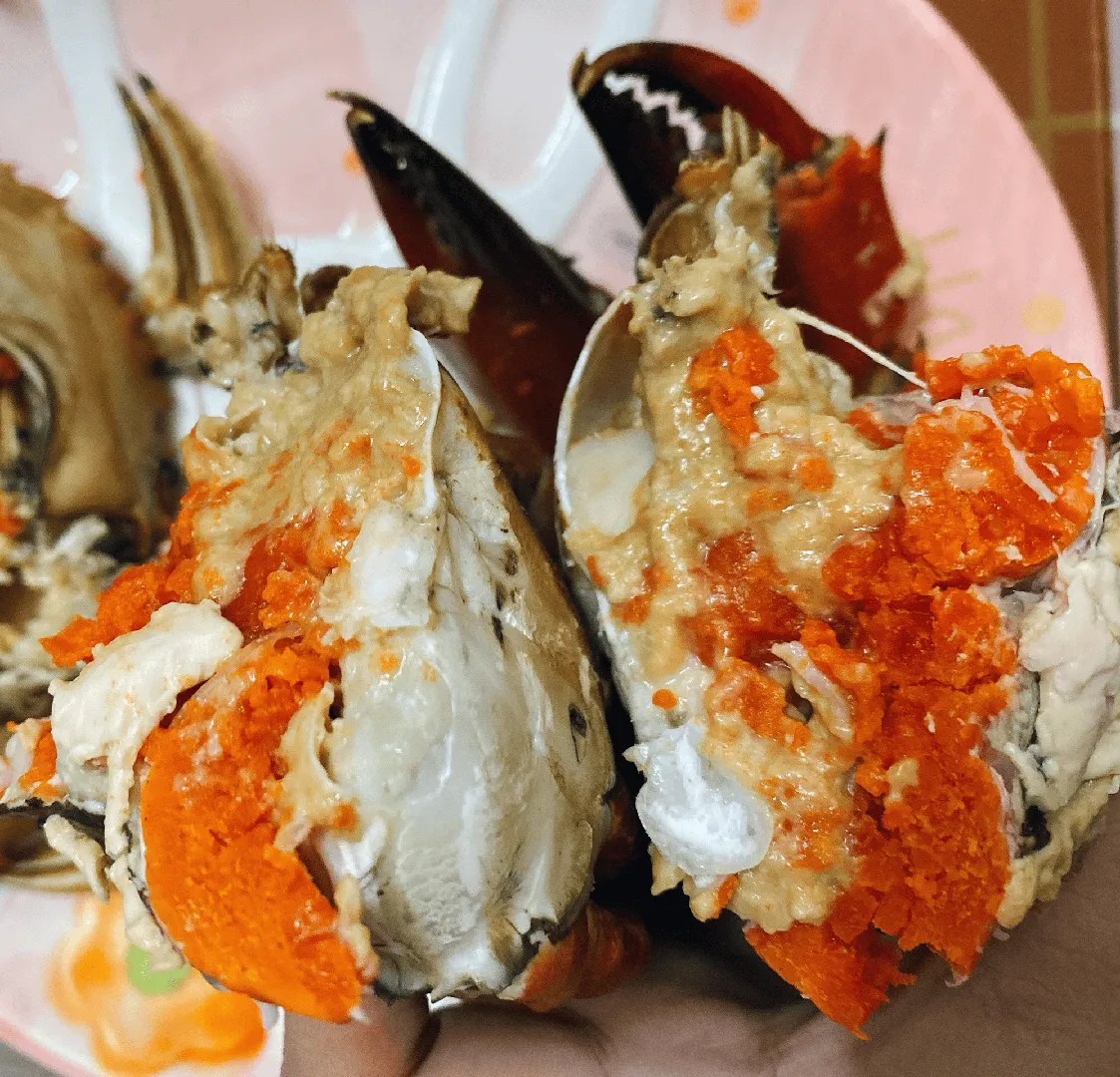
Heritage Ingredient
Ca Mau Roe Mud Crab
Ca Mau Roe Mud Crab
A female mud crab known for deep orange roe and a rich, creamy finish, often featured in celebratory Southern Vietnamese seafood meals.
A crimson treasure hidden within a shell, boasting rich, creamy roe that melts on your tongue like a golden sunset over the delta.
2 The Cross-Border Frenzy: A Taste for Giants
The global appetite for high-quality seafood is insatiable, and Chinese buyers have long been significant players in international markets. In recent years, there's been a marked surge in demand for these specific, larger-sized mud crabs from Vietnam's Mekong Delta. What was once a regional delicacy is now a commodity caught in the currents of international trade. This demand isn't just about preference; it's about status, luxury, and the ever-growing middle class in China seeking premium culinary experiences.
The competition at the border crossings, particularly between Vietnam and China, has become fierce. Smarter logistics, more organized export channels, and an unwavering demand mean that these crabs are moving across borders faster and at higher prices than ever before. This isn't a new phenomenon, but the scale and intensity have reached new heights, pushing prices to what locals describe as "record highs."
"We see them brought in, sorted by size and quality, and then within hours, they're gone. The trucks are waiting. It’s a different kind of market now."
- A local crab trader in Ca Mau
3 Ripple Effect: A Pinch on Local Plates
When the global market pays top dollar for the biggest, best crabs, the downstream effects are inevitable and palpable. For the local communities in the Mekong Delta, this surge in export demand has led to a peculiar paradox: scarcity. The crabs that once graced local family tables or were sold at modest prices in neighborhood markets are now a rare sight. What remains are often the smaller, less desirable specimens, or the price point becomes prohibitive for everyday consumption.
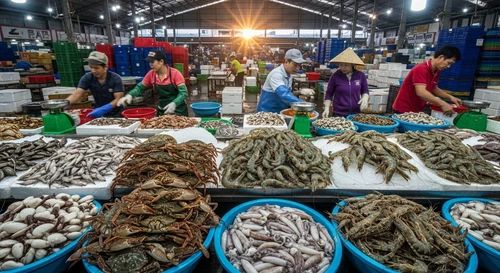
Imagine walking through a bustling wet market in Can Tho or Soc Trang, a place usually teeming with fresh seafood. You might notice the selection of mud crabs is smaller, or the prices for even medium-sized ones have climbed considerably. This shift is directly attributable to the allure of the export market. The supply chain is optimized for the highest bidder, leaving less for the traditional local consumer. It highlights a fundamental tension in resource management: balancing the economic benefits of export with the preservation of local access and culinary heritage.
4 Beyond the Claw: A Supply Chain Symphony
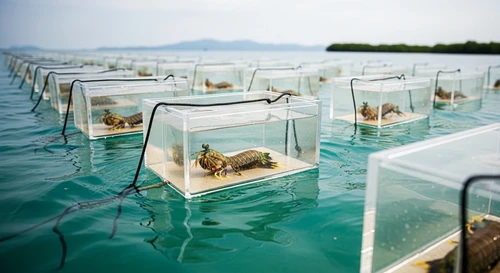
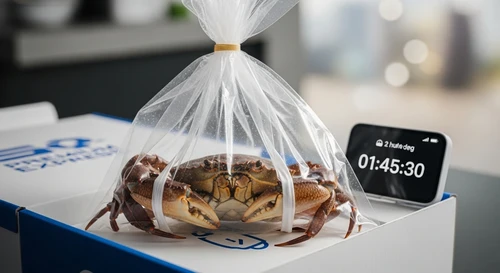
This isn't just about crabs; it’s a microcosm of global food supply chains. The journey from the murky waters of the Mekong to a Chinese banquet table involves a complex network of harvesters, local collectors, middlemen, exporters, logistics companies, and border agents. Each step adds value and demands efficiency. The "Y1" crabs, commanding premium prices, necessitate careful handling, specialized tanks for transport, and stringent quality control to ensure they arrive alive and in pristine condition.
The logistics of cross-border trade in live seafood are particularly challenging. Temperature control, oxygenation, and speed are paramount. Any delay can mean the difference between a valuable commodity and a significant loss. This pressure for speed and quality reinforces the focus on the highest-grade crabs, further intensifying the competition for those prime "Y1" specimens and inevitably squeezing out other market segments. It’s a delicate balancing act where economic drivers often dictate the flow of nature's bounty.
5 Defining "Giant": A Mekong Perspective
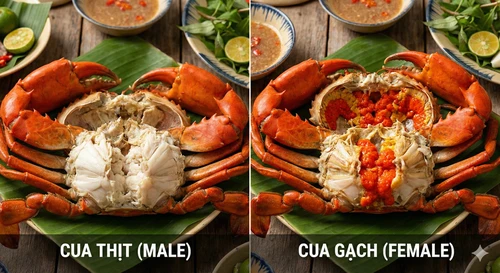
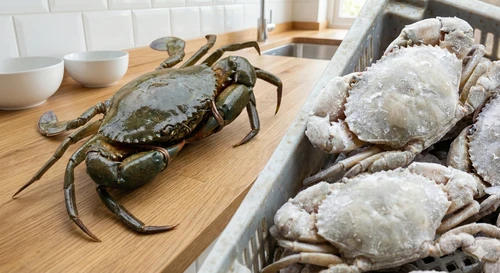
In the context of the Mekong Delta, "giant" is relative, but for mud crabs, exceeding 1 kilogram is truly substantial. These are not the delicate blue crabs you might find elsewhere; mud crabs (Scylla serrata) are robust, armored creatures with impressive, meaty claws. The meat is prized for its sweetness, firm texture, and high protein content. For male crabs (cua thịt), the focus is on the sheer volume of meat in the body and those formidable claws. For female crabs (cua gạch), the appeal lies in their rich, orange roe (if they carry it), offering a creamy, decadent flavor.
The export market specifically targets these larger sizes because they meet the expectations of consumers who associate "premium" with "large." A 1kg+ crab makes a statement on a dinner plate, often served whole, steamed, or grilled, becoming the centerpiece of a celebratory meal. The sheer size signifies abundance and quality, making them incredibly desirable for high-end restaurants and special occasions.
This preference for size is a key driver of the current market dynamics. While smaller crabs are also valuable and widely consumed locally, it's the "Y1" or export-grade giants that are commanding the extraordinary prices due to this specific demand.
6 Navigating the Tides: The Future of Mekong Crabs
The current surge in demand presents both opportunities and challenges for the Mekong Delta's crab fisheries. On one hand, it offers significant economic benefits to harvesters and traders, potentially improving livelihoods in a region that has historically faced economic constraints. On the other hand, there are concerns about sustainability. Is the current rate of harvesting of these large specimens sustainable in the long term?
Regulators and conservationists are increasingly looking at better management practices, including potential quotas, protected breeding areas, and ensuring that smaller crabs are allowed to mature and reproduce. There's a delicate balance to strike between meeting global market demand and safeguarding the ecosystem that sustains this vital resource. Sustainable aquaculture practices are also being explored as a way to supplement natural catches, ensuring a more stable and predictable supply. The future of the Mekong's giant crabs hinges on responsible stewardship.
7 The Taste of the Delta: Local Preparations
While the giants may be destined for export, the spirit of Mekong crab cuisine lives on. Even if you can't get a "Y1" crab for your dinner table at home, understanding how locals prepare them offers a delicious glimpse into the region's culinary soul.
- Cua Hấp Bia (Steamed Crab with Beer): A purist's dream. The beer steam gently infuses the crab with subtle malty notes while keeping the meat incredibly moist and tender. Served with a sharp lime-salt-pepper dip.
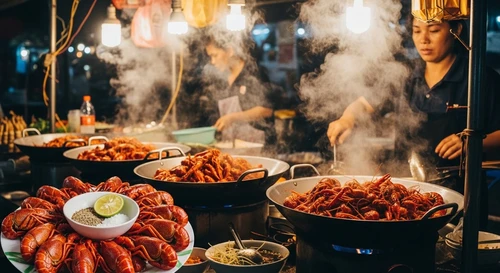
- Cua Rang Me (Tamarind Crab): A classic, sticky-sweet-and-sour delight. Crab is stir-fried in a rich tamarind sauce, often with garlic and chili, creating a flavor explosion that’s utterly addictive. This is a serious flavor bomb that requires extra napkins.
- Cua Luộc (Boiled Crab): Sometimes, simple is best. Boiled to perfection and served with a vibrant dipping sauce, allowing the crab's natural sweetness to shine.
The key is always freshness. Whether it's destined for a high-end restaurant in Shanghai or a family meal in Rach Gia, a living, breathing crab is the foundation of great flavor.
8 Decoding the Trade: Key Terms
Y1 Crab / 1kg+ Crab
Refers to mud crabs weighing over 1 kilogram, highly prized for their size and meat yield. The primary target of the current export demand.
Ca Mau Mud Crab
Crabs harvested from the Ca Mau province, renowned for their quality due to the extensive mangrove ecosystem, believed to impart a superior flavor.
Cross-Border Trade
Refers to the movement of goods, in this case, live seafood, across national borders, often involving complex logistics and tariffs.
Price Surge / Record Highs
Indicates a significant and rapid increase in the market price of a commodity, driven by supply and demand dynamics.
The tale of the Mekong's giant mud crabs is more than just a market report; it's a story of the delta's enduring connection to the sea, the power of global demand, and the delicate dance between tradition and commerce. As the tides shift, so too will the fate of these magnificent creatures, a constant reminder of the vibrant, interconnected world of food we inhabit.