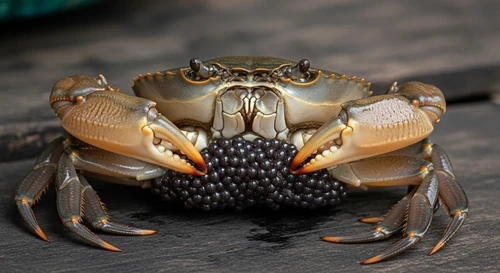
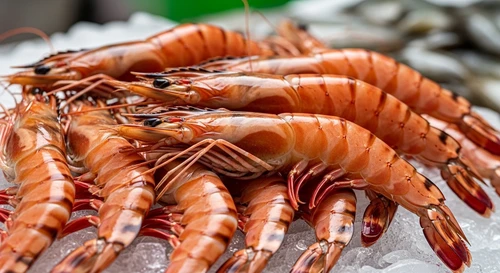
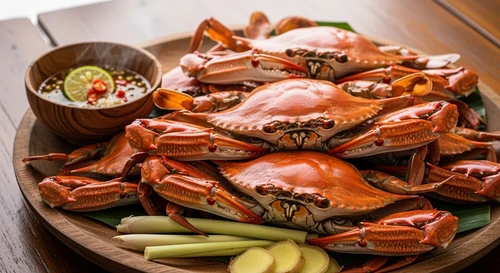
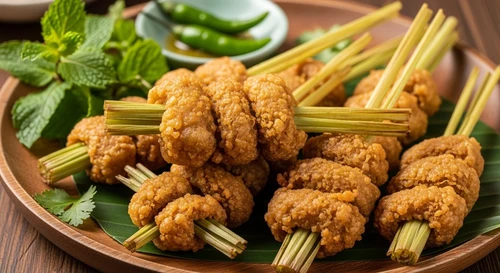
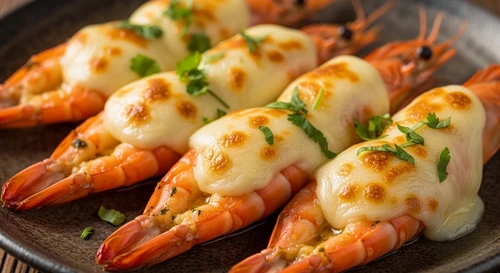
" The rhythm of the Mekong Delta is tied to its waters, teeming with life. Among its most prized inhabitants are the crabs, their claws like potent weapons and precious treasures. But sometimes, these treasures are shed before they even reach our kitchens. "
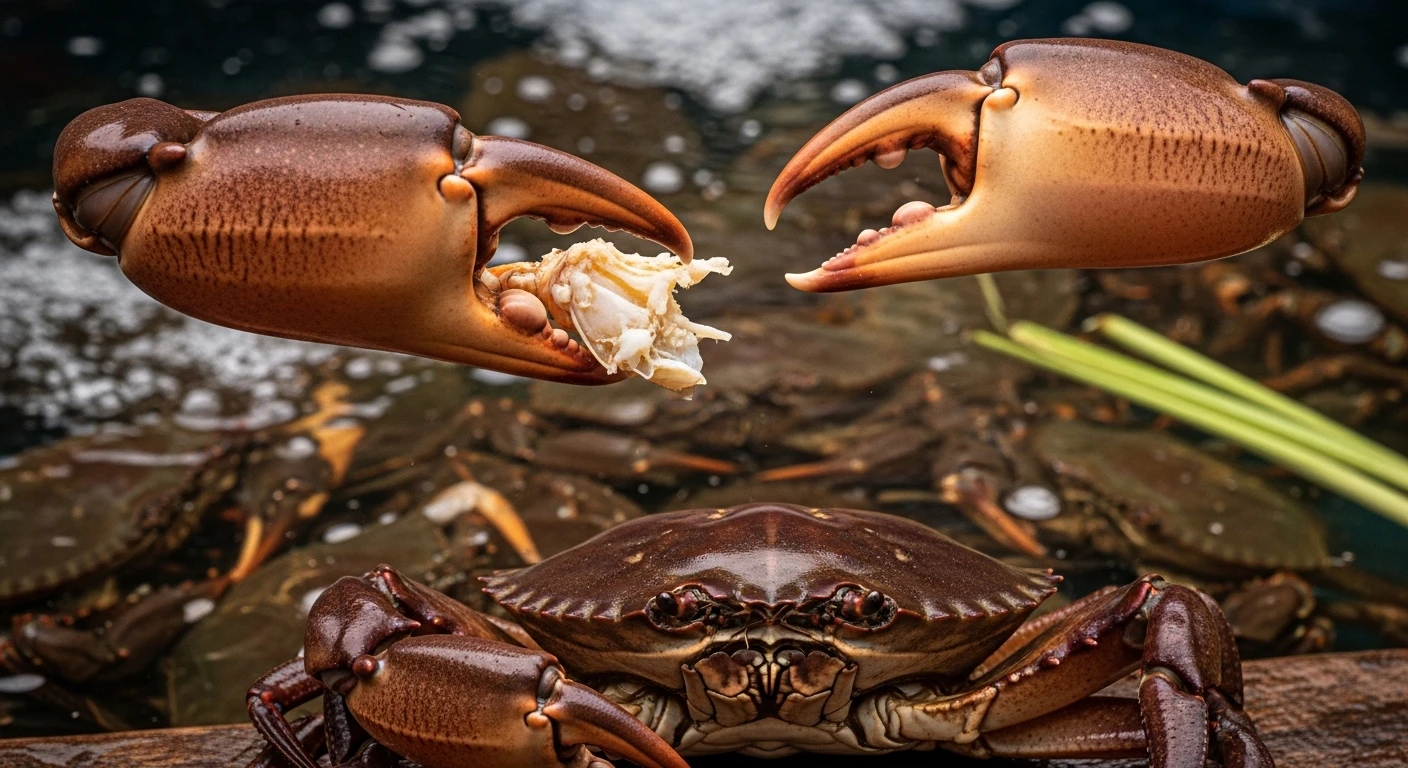
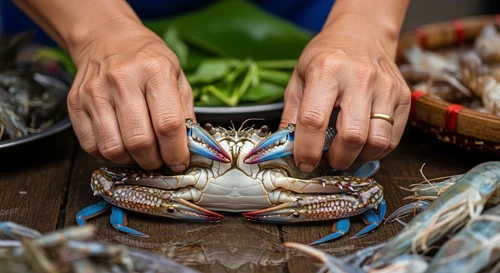
📸 The moment of truth: A crab naturally shedding its limb.
1 The Science Behind the Shed: Understanding Autotomy
In the wild, crabs face constant threats—predators, territorial disputes, or even environmental stressors. To survive, many species have evolved a remarkable ability known as autotomy: the voluntary shedding of a limb, or in this case, a claw.
A Matter of Survival
When a crab is grabbed by a predator (or a fisherman!), it can trigger a reflex to detach the limb at a specific fracture plane. This not only allows the crab to escape but also minimizes blood loss and pain thanks to a special sealing mechanism.
The Regeneration Factor
The amazing part? Crabs can regenerate lost limbs over time through successive molts. While it requires significant energy, it's a vital tool for long-term survival and regaining their full arsenal.
This involuntary, life-saving act is a testament to nature's ingenuity. However, for the seafood industry, it presents a challenge.
2 From Riverbed to Market Tray: The Stress of Transport
The journey from the intricate waterways of the Mekong Delta to a restaurant or market is often a stressful one for crabs. Crowded holding tanks, unfamiliar environments, and the handling process itself can trigger that autotomy reflex.

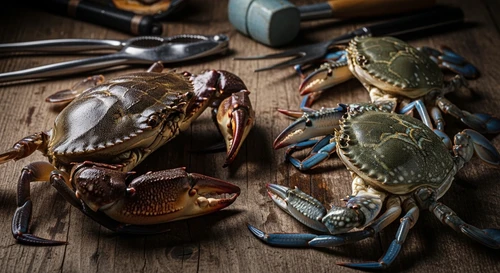
Crabs in a holding facility, awaiting transport.
Triggers to Watch For:
- Physical Handling: The sudden grab, the transfer between containers.
- Crowding: Limited space can lead to accidental bumping and perceived threats.
- Water Quality: Changes in temperature, salinity, or oxygen levels.
- Noise & Vibration: Boat engines, trucks, and general commotion.
It's a delicate balance. We need to transport these creatures efficiently to market, but minimizing their stress is paramount for both their welfare and the quality of the meat.
3 Market Value and Consumer Perception
For many consumers, the impressive claws are a significant part of the crab's appeal. A crab with two full, substantial claws is often perceived as healthier, more valuable, and simply more satisfying.
The "Two-Claw" Premium
In many markets, especially for prized species like mud crabs from the Ca Mau region, crabs sold with both intact claws fetch a significantly higher price. Sellers often go to great lengths to preserve them.
The "One-Claw" Discount
A crab missing a claw, or with a noticeably small regenerated one, will be priced lower. This loss in market value is a direct consequence of the stress the animal experienced.
This economic reality incentivizes better handling and transport practices. While autotomy is natural, minimizing its occurrence during the commercial process directly impacts the livelihood of fishermen and the price for consumers.
4 Preserving the Prize: Handling from Ca Mau to Your Table
Responsible sourcing is key to enjoying the finest seafood from Vietnam's abundant waters. Here’s how the industry strives to minimize claw loss:
Gentle Capture & Sorting
Fishermen in the Mekong Delta often use traditional methods that minimize harm. Sorting crabs by size and species upon catch helps manage them more effectively.
Optimized Holding & Transport
Using aerated tanks, maintaining cool temperatures, and minimizing the time between catch and final destination are crucial. Some exporters use damp cloths or specific packing methods to reduce movement and stress.
Specialty Packaging
For premium crabs, like the Jumbo Meat Crab from Ca Mau, exporters might use specialized crates that allow breathing while limiting movement, sometimes even securing claws to prevent damage, though never tightly enough to cause harm.
A Buyer's Guide: What to Look For
When selecting your crab, whether for a family feast or a special gift, understanding these points helps ensure you get the best value and quality.
Claw Intactness
Always check for two full claws. A slight size difference is normal, but one significantly smaller or missing indicates stress during transit or handling.
Live & Active
The crab should be alive, moving its legs and antennae. Avoid any sluggish or unresponsive specimens. This is paramount for freshness.
Shell Condition
A clean, hard shell is desirable. For meat crabs, avoid those with soft shells (unless it's a specific moulted variety). Check for barnacles, which indicate a longer time in the wild.
Vendors often tie the claws to prevent escape and injury, but they should never be so tightly bound that they cause damage or impede breathing.
6 A Culinary Treasure: Savoring the Best of the Delta
The crabs from Vietnam's southern waters, particularly the Ca Mau province, are renowned globally for their exceptional quality. Whether it's the lean, sweet meat of a male mud crab or the rich, creamy roe of a female, these crustaceans are a testament to the pristine coastal ecosystems and the expertise of local fishermen.
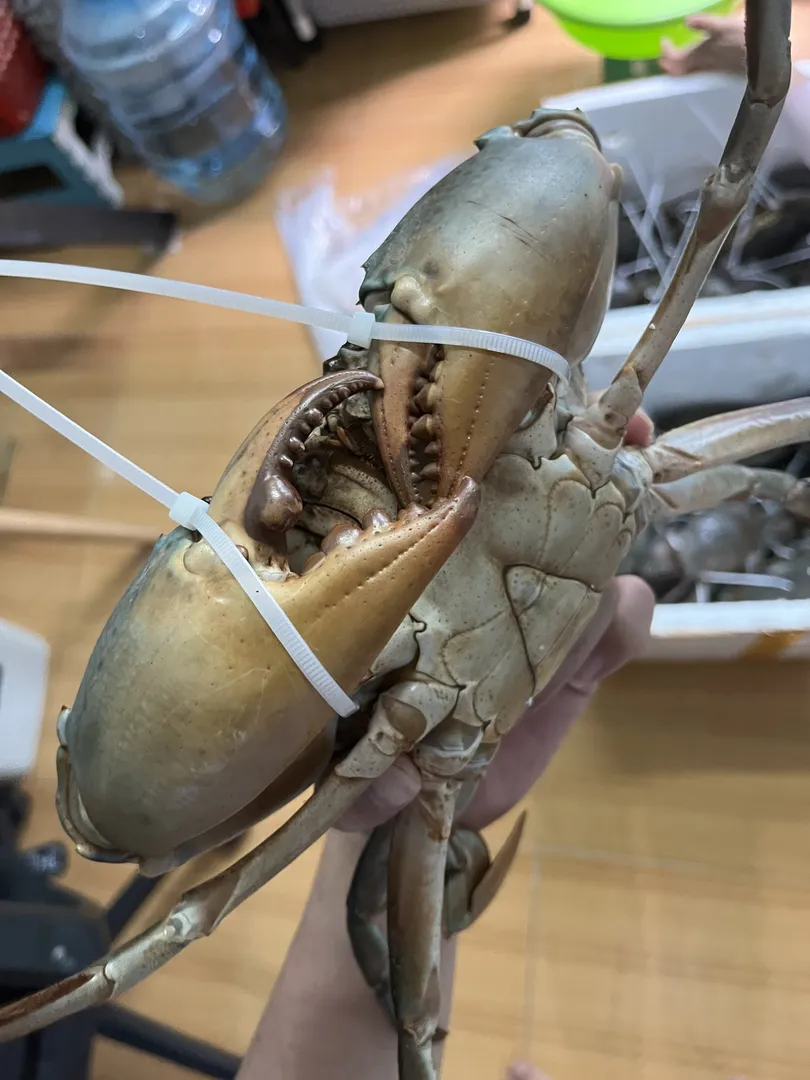
Spotlight on Ca Mau Crabs:
Known for their firm texture and naturally sweet flavor, these crabs benefit from mangrove-rich waters. The commitment to quality, even down to preserving their claws, ensures that when you purchase a crab from this region, you're getting a piece of the Mekong's finest.
Brands dedicated to exporting premium seafood understand the value of both the crab's meat and its presentation.
Heritage Ingredient
Ca Mau Jumbo Mud Crab
Ca Mau Jumbo Mud Crab
A large male mud crab prized for dense, sweet meat and thick claws, commonly used in steamed crab and grilled crab dishes across the Mekong Delta.
An icon of coastal culinary heritage, featuring firm, sweet meat that captures the raw power and freshness of Ca Mau's tides.
7 Beyond the Claw: Exploring Other Mekong Delicacies
While claw-dropping is a phenomenon most discussed with large mud crabs, the Mekong Delta offers a diverse range of aquatic treasures, each with its own unique appeal. Understanding the source and handling of all seafood is crucial.
Heritage Ingredient
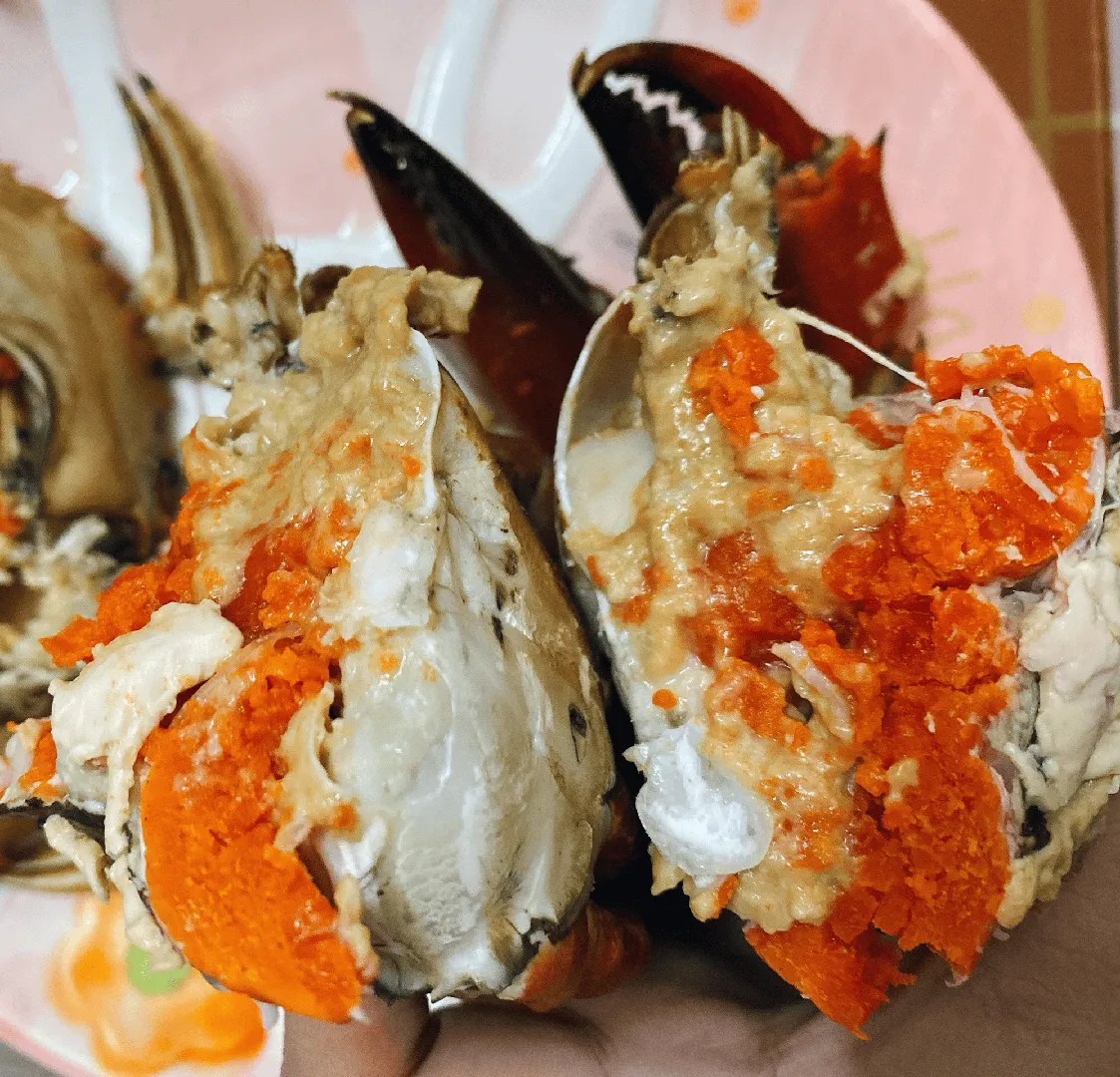
Ca Mau Roe Mud Crab
Ca Mau Roe Mud Crab
A female mud crab known for deep orange roe and a rich, creamy finish, often featured in celebratory Southern Vietnamese seafood meals.
A crimson treasure hidden within a shell, boasting rich, creamy roe that melts on your tongue like a golden sunset over the delta.
Heritage Ingredient
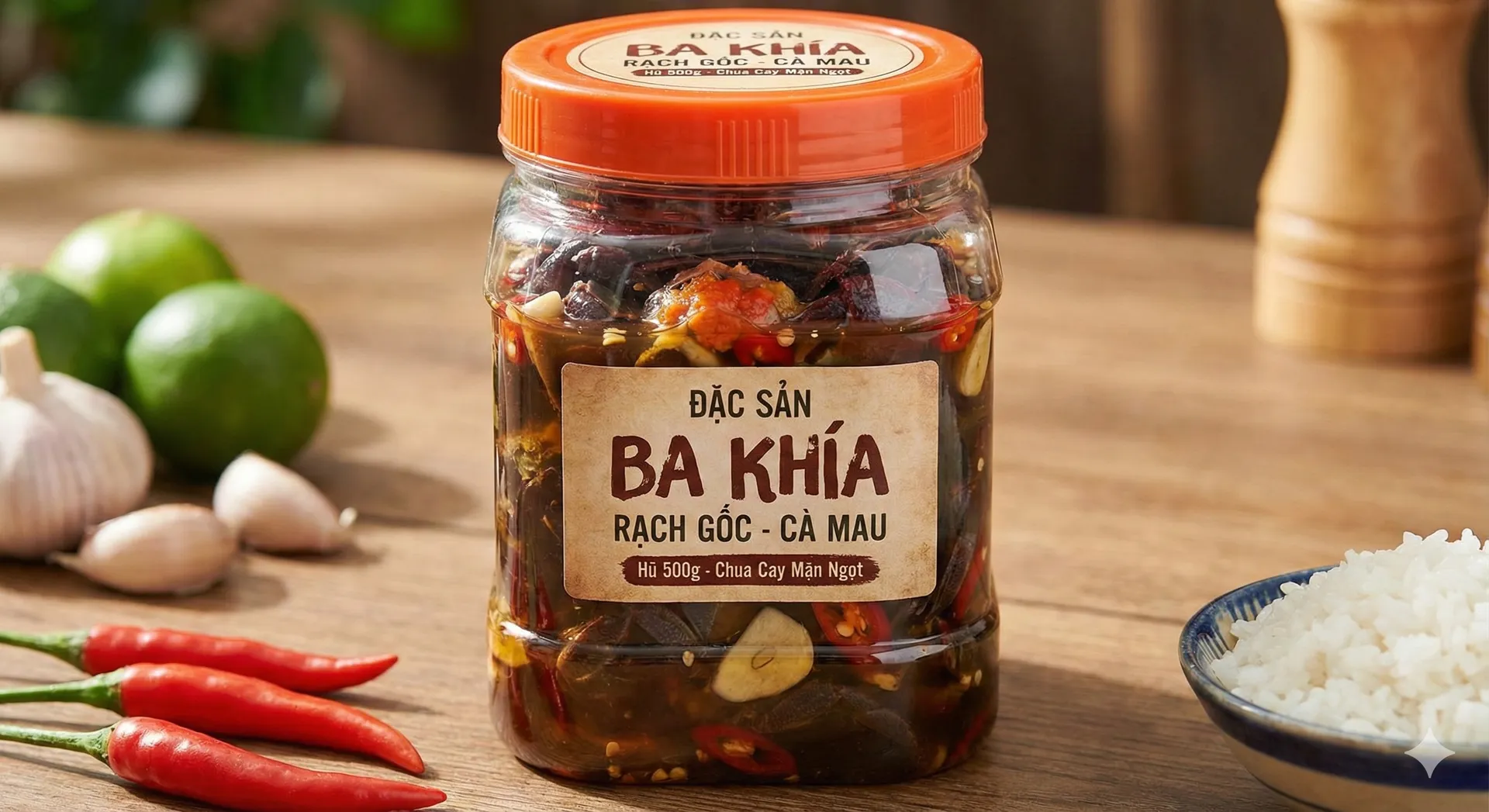
Fermented Mangrove Crab (Ba Khia)
Fermented Mangrove Crab (Ba Khia)
A traditional fermented crab specialty from the mangrove region of Rach Goc, often cited in articles about rustic Mekong Delta flavors and preserved seafood culture.
The salty-sour heartbeat of the wild south, where traditional fermentation turns forest crabs into a nostalgic explosion of rustic Mekong soul.
Heritage Ingredient
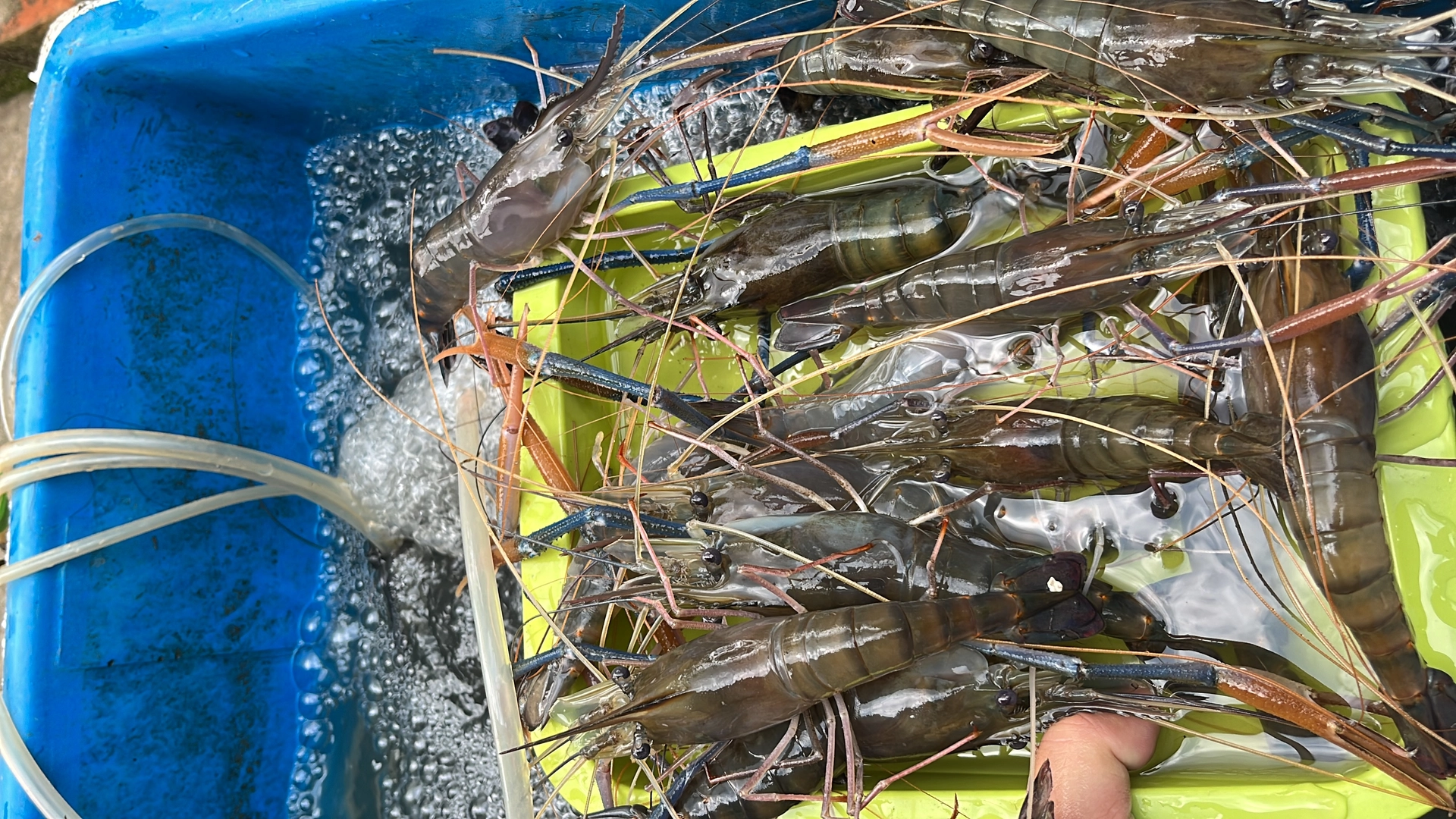
Mekong Giant Freshwater Prawn
Mekong Giant Freshwater Prawn
A river prawn with long blue claws and rich head fat, common in grilled prawn dishes and hotpot traditions across the Mekong basin.
Majestic blue-clawed warriors of the Mekong, famous for their rich, fatty heads and a savory depth that captures the essence of the delta's rivers.
The Bigger Picture
The question "Why do crabs drop their claws?" leads us down a fascinating path. It's a reminder of the wild nature of these creatures and the delicate balance involved in bringing their delicious bounty from the Mekong's embrace to our tables. By understanding autotomy, we gain a deeper appreciation for the efforts made by fishermen and exporters to ensure quality and minimize stress, ultimately enriching our dining experience.