" The Mekong Delta’s lifeblood flows through its waterways, nurturing creatures of immense culinary value. But today, the river's bounty faces a new, frosty competitor from across the globe. "
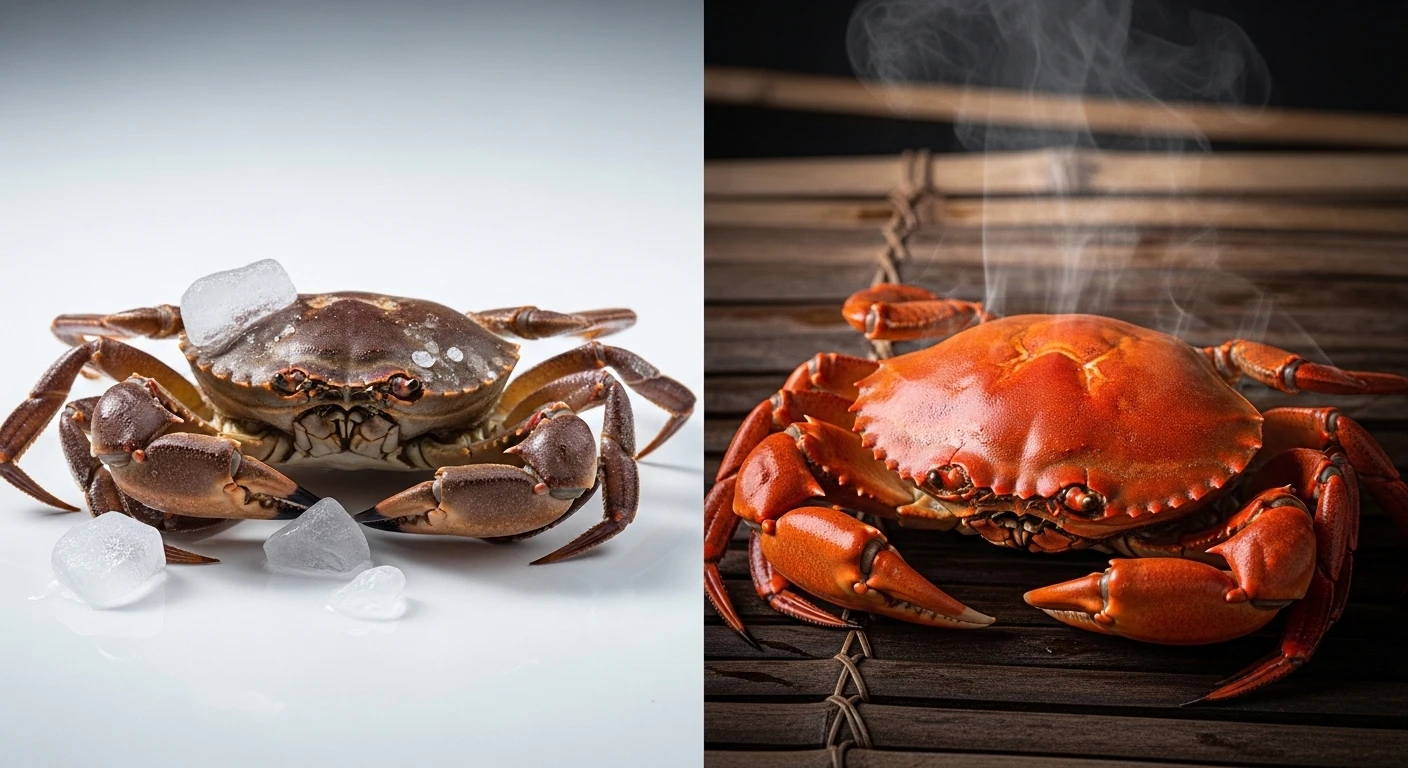
📸 A stark visual contrast: The humble, frozen import versus the vibrant, fresh delta native.
1 The Arrival of the Brown Crab
Walk into any major supermarket in Vietnam’s burgeoning cities today, and you’re likely to find a familiar, yet out-of-place, sight: frozen brown crabs, often bearing labels that trace their origins back to the chilly waters of Ireland or other European coasts. These are typically Cancer pagurus, commonly known as the edible brown crab or Norwegian lobster. While not inherently bad seafood, their presence on Vietnamese shelves tells a story of globalized trade, shifting consumer habits, and intense market pressures.
The economics are simple, and frankly, brutal for local producers. These imported crabs, often caught in vast quantities and processed for freezing, can be landed at Vietnamese ports at a significantly lower cost than fresh, locally sourced crabs. Factors include economies of scale in fishing fleets, established cold-chain logistics in Europe, and potentially, government subsidies. For retailers, especially those targeting a middle-class consumer base increasingly exposed to international food trends, these frozen imports offer a predictable, lower-cost inventory item.
However, for anyone who has savored the true taste of the Mekong Delta, this influx raises immediate questions about quality, authenticity, and the impact on the very communities that have sustained Vietnam's renowned seafood heritage for generations. The delicate sweetness, the distinct texture, the sheer vibrance of a freshly caught Ca Mau crab is a world away from a product that has endured the deep freeze.
2 Ca Mau Crab: A Legacy of the Mangroves
Contrast this with the crabs from the Mekong Delta, particularly from the Ca Mau province, Vietnam's southernmost tip. This region, a complex tapestry of brackish waters, tidal rivers, and dense mangrove forests, is the natural habitat for some of the most prized mud crabs (Scylla serrata) in the world.
The life cycle of the Ca Mau crab is intimately tied to this unique ecosystem. They are often raised in extensive ponds beneath the mangrove canopy, a sustainable aquaculture method that imparts a distinct, slightly briny, clean flavor to the crab meat. Unlike mass-farmed shrimp or industrial aquaculture, this method respects the delicate balance of the mangrove environment, which also acts as a natural filter and nursery ground for other marine life.
There are several types of Ca Mau crabs, each with its own appeal:
Heritage Ingredient
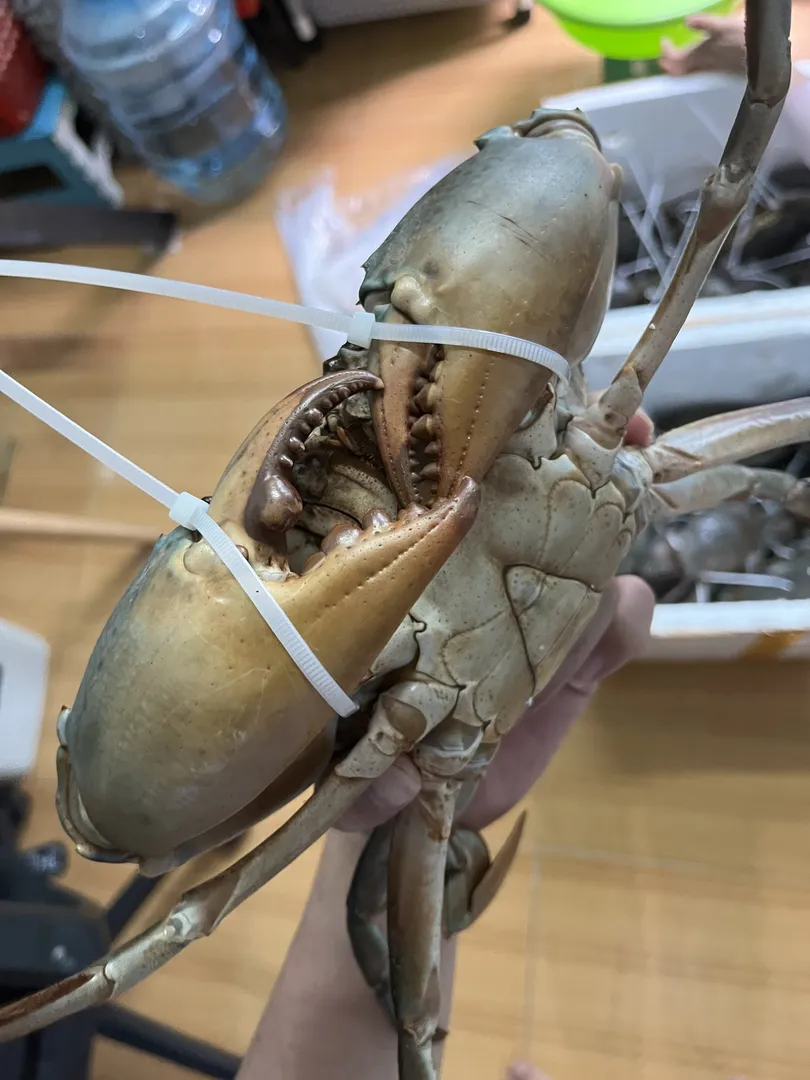
Ca Mau Jumbo Mud Crab
Ca Mau Jumbo Mud Crab
A large male mud crab prized for dense, sweet meat and thick claws, commonly used in steamed crab and grilled crab dishes across the Mekong Delta.
An icon of coastal culinary heritage, featuring firm, sweet meat that captures the raw power and freshness of Ca Mau's tides.
Heritage Ingredient
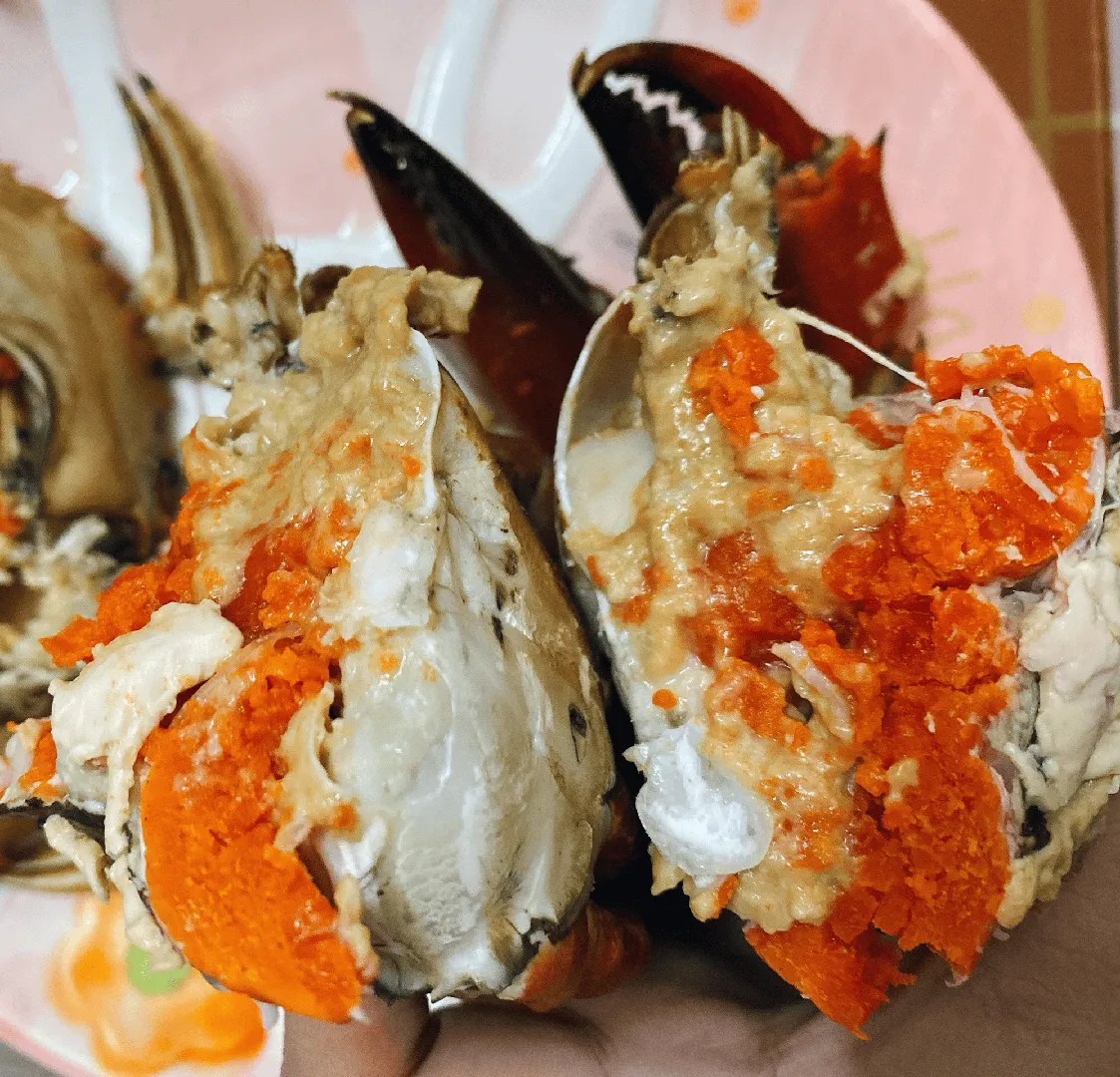
Ca Mau Roe Mud Crab
Ca Mau Roe Mud Crab
A female mud crab known for deep orange roe and a rich, creamy finish, often featured in celebratory Southern Vietnamese seafood meals.
A crimson treasure hidden within a shell, boasting rich, creamy roe that melts on your tongue like a golden sunset over the delta.
The "cua thịt" (meat crab), typically a male, is known for its substantial claws and dense, sweet flesh. The "cua gạch" (roe crab), a female, is cherished for its rich, buttery roe that turns a deep orange hue when cooked. The roe is considered a delicacy, often enjoyed on its own or incorporated into celebratory dishes. The sheer freshness, the inherent sweetness, and the satisfying density of meat are hallmarks of a crab that has lived its life in the nutrient-rich waters of the delta.
The Frozen Factor: A Trade-Off
Freezing seafood is a time-honored preservation technique, but not all frozen products are created equal, especially when compared to their live counterparts.
Texture Compromise
The ice crystals formed during freezing damage the cell walls of the crab meat. This results in a mushier, less firm texture upon thawing compared to fresh crab.
Flavor Dilution
While good flash-freezing minimizes this, some flavor loss is inevitable. The subtle sweetness and oceanic notes can become muted or altered after the freezing and thawing process.
Nutrient Retention
Nutrients are generally well-retained in frozen seafood, but some water-soluble vitamins may be lost during thawing if the juices are discarded.
The convenience and lower price point of imported frozen brown crab make it an attractive option for mass-market consumption, even if it means sacrificing the peak sensory experience only fresh, local seafood can provide.
3 The Economic Undercurrents
The financial pressure on local Mekong Delta crab farmers is palpable. While the exact profit margins for imported brown crab are opaque, the general trend is clear: a lower purchase price for the consumer means a squeeze on the producer. Many small-scale crab farmers in the delta operate on thin margins, investing heavily in maintaining their ponds and the mangrove ecosystem.
When cheaper, albeit inferior, alternatives flood the market, local producers face a difficult choice: lower their prices to compete (often unsustainably) or risk losing market share altogether. This competition can disincentivize traditional, sustainable farming practices, pushing towards more intensive, potentially less eco-friendly methods if survival is on the line.
The narrative of imported versus local is a familiar one in many agricultural and fishing sectors worldwide. It pits the efficiency and scale of international trade against the unique quality, cultural heritage, and environmental stewardship of regional producers. In Vietnam, this story is unfolding in the brackish waters of Ca Mau, where a beloved crustacean is at the center of a global economic tug-of-war.
4 Beyond the Price Tag: What's Truly Lost?
The 'value' of food is rarely just about the price per kilogram. When we opt for imported, frozen brown crab over fresh Ca Mau crab, we're not just making a transactional decision; we're implicitly making a cultural and environmental one.
Supporting Local Livelihoods
Choosing Ca Mau crab directly supports the thousands of families who depend on sustainable aquaculture and fishing in the Mekong Delta. These are livelihoods deeply intertwined with the health of the delta's unique mangrove ecosystem.
Preserving Culinary Heritage
The distinct flavor profile of Ca Mau crab is a cornerstone of Southern Vietnamese cuisine. Relying on imported substitutes risks diluting this unique gastronomic identity.
The sensory experience of fresh, live crab—the snap of the claw, the yielding flesh, the rich roe—is an irreplaceable delight. It’s a connection to the place, the people, and the natural environment from which it came. This is an intangible value that the frozen import, however cheap, simply cannot replicate.
Heritage Ingredient
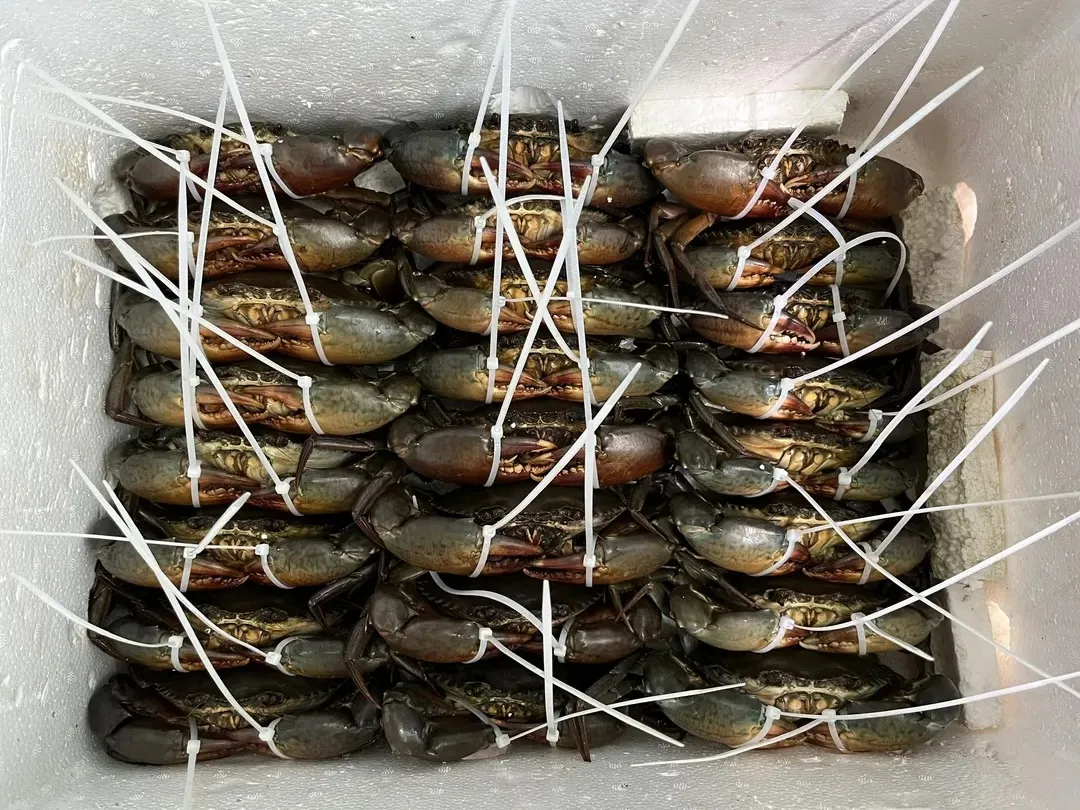
Export-Grade Ca Mau Roe Crab
Export-Grade Ca Mau Roe Crab
A carefully sorted roe crab selected for size, shell quality, and roe consistency, suitable for explaining premium grading in Vietnamese crab culture.
The pinnacle of perfection—pristine shells and bursting roe, meticulously selected to conquer the hearts of global gourmets.
5 Adapting and Advocating
Faced with the dual challenges of imported competition and climate change (which impacts salinity and mangrove health), Ca Mau crab farmers are not standing still. Efforts are underway to:
- Enhance Quality Control: Implementing stricter grading and sorting to ensure only the best quality crabs reach the market, highlighting their superior attributes.
- Seek Premium Markets: Focusing on restaurants and consumers willing to pay for guaranteed freshness, sustainability, and premium taste, both domestically and for export.
- Promote Sustainable Practices: Emphasizing the eco-friendly mangrove aquaculture methods that contribute to biodiversity and carbon sequestration, adding an ethical dimension to their product.
- Brand Building: Strengthening the "Ca Mau Crab" brand identity to differentiate it clearly from generic, imported alternatives.
There’s a growing awareness that the unique selling proposition of Ca Mau crab lies not just in its taste, but in its story – a story of a pristine environment, traditional livelihoods, and generations of expertise. Educating consumers about this narrative is key to preserving its place on Vietnamese tables.
6 Making an Informed Decision
As consumers, we hold the power to shape these market dynamics. When faced with the choice between imported frozen brown crab and local Ca Mau crab, consider these points:
Freshness First
For the best culinary experience, always opt for live, fresh crab when available. The taste and texture are incomparable.
Know Your Origin
Ask questions! Understand where your seafood comes from. Supporting local producers has ripple effects far beyond your dinner plate.
The debate isn't about banning imports entirely – global trade has its place. It’s about ensuring that the unique treasures of regions like the Mekong Delta are not undervalued or pushed out by the relentless pursuit of the cheapest option. It’s about appreciating the true cost, and the true value, of what we eat.
7 Navigating the Tides Ahead
The competition from imported brown crabs is a stark reminder of the challenges facing Vietnam's vital seafood industry. The resilience and adaptability of Ca Mau crab farmers will be tested, but their deep connection to the land and their commitment to quality offer a strong foundation.
As Vietnamese consumers become more discerning, educated about sustainability, and proud of their regional culinary identity, the demand for authentic, high-quality Ca Mau crab is likely to persist and even grow. The key will be in effective branding, robust quality assurance, and a continued commitment to the sustainable practices that make these crabs so special.
The waters of the Mekong Delta continue to teem with life, but their future, and the future of their most prized inhabitants, depends on a delicate balance—a balance between tradition and modernity, local heritage and global markets, and of course, the enduring, unparalleled flavor of truly fresh crab.
Market & Trade Insights
View More Buyer's Guide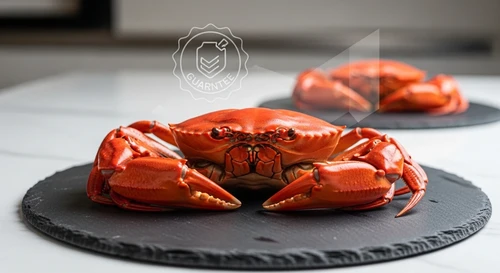
Navigating the '1-for-1 Warranty' Promise in Seafood Retail
Is it a marketing gimmick or genuine customer service? Analyzing the Customer Lifetime Value strategy of modern seafood chains.
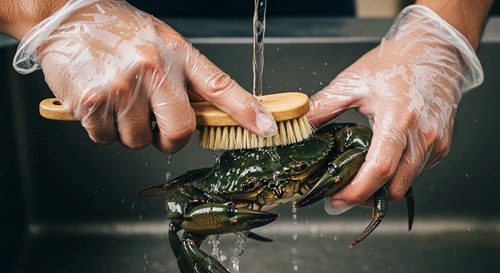
Cleaning Mud Crabs: Step by Step
Removing the mud and dirt from the shell.
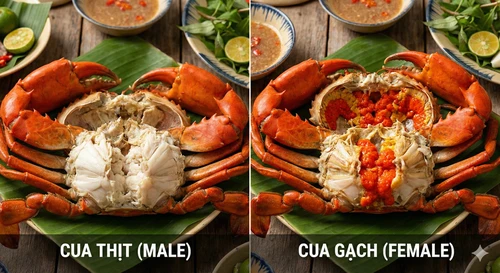
Male vs. Female Crabs: Which is Better?
Understanding the 'Y-shape' and 'Round-shape' aprons.
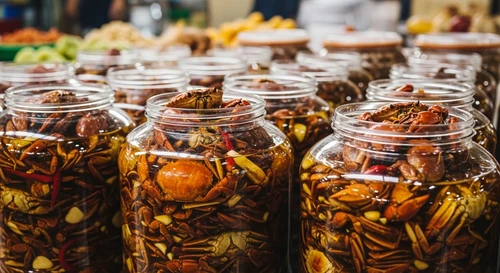
Current Wholesale Prices of Fermented Ba Khia in Western Markets
A pricing guide for tourists and bulk buyers looking to purchase authentic jars of salted crab directly from the source.
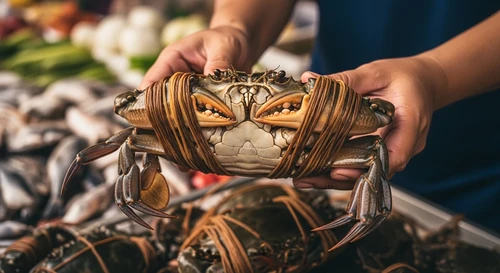
The Rubber Band Scam: Buying 1kg of Crab and Getting 400g of Meat
Vendors in tourist spots are using massive, thick rubber bands to weigh down small crabs. How to spot and avoid this blatant rip-off.
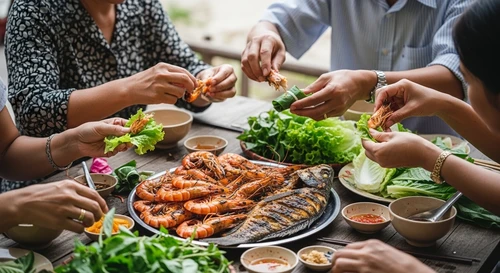
Dining Etiquette: Is it Okay to Use Hands?
Cultural norms when eating seafood in Vietnam.
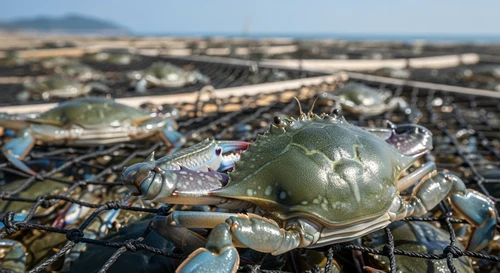
Black Spot Disease Devastates Blue Crab Farms in South Central Vietnam
A bacterial outbreak causing shell lesions and mass mortality in open-ocean crab cages is threatening local livelihoods.

Ca Mau Mangrove Ecological Tiger Prawns Sell Out After Earning International Certification
Without industrial feed, prawns forage naturally under the mangroves, creating a firm, flavorful meat highly sought after by the ultra-rich.
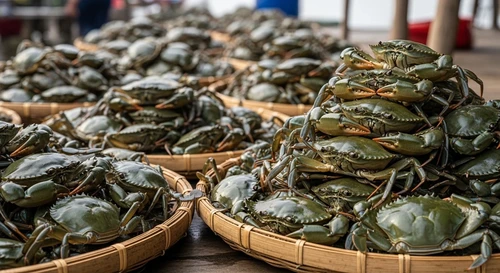
Heavy Rains in Ca Mau Trigger Massive Crab Harvests
Lowered salinity levels from early monsoons encourage crab foraging and molting, resulting in a sudden spike in market supply.