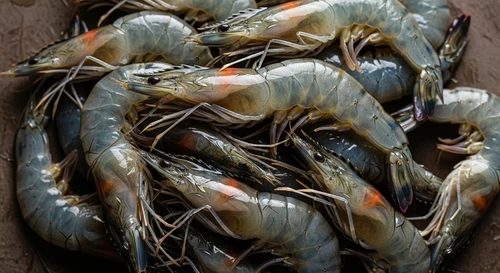
" The supermarket freezer aisle is a land of paradoxes. We crave convenience, but often at a hidden cost. Especially when it comes to seafood, that seemingly innocent bag of peeled, deveined shrimp might be more processed than you think. "
1 A Tale of Two Shrimps: Delta Purity vs. Processing Plant
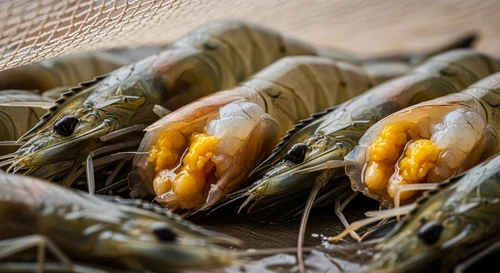
Picture this: the labyrinthine waterways of the Mekong Delta, a cradle of biodiversity. Here, shrimp aren't just a commodity; they're a way of life, a testament to generations of knowledge passed down from the shimmering coastlines of Ca Mau to the freshwater arteries snaking inland. Fisherfolk head out before dawn in their longtail boats, pulling in nets brimming with plump, wild-caught tiger prawns and freshwater giants, their shells still glistening, their aroma pure and oceanic.
In the delta, the journey from water to plate is often swift and simple. A quick rinse, a flash of the wok with garlic and chili, or perhaps grilled over charcoal, letting the natural sweetness and briny essence shine. This is the seafood we dream of—unadulterated, vibrant, tasting of the very water it came from.
Heritage Ingredient
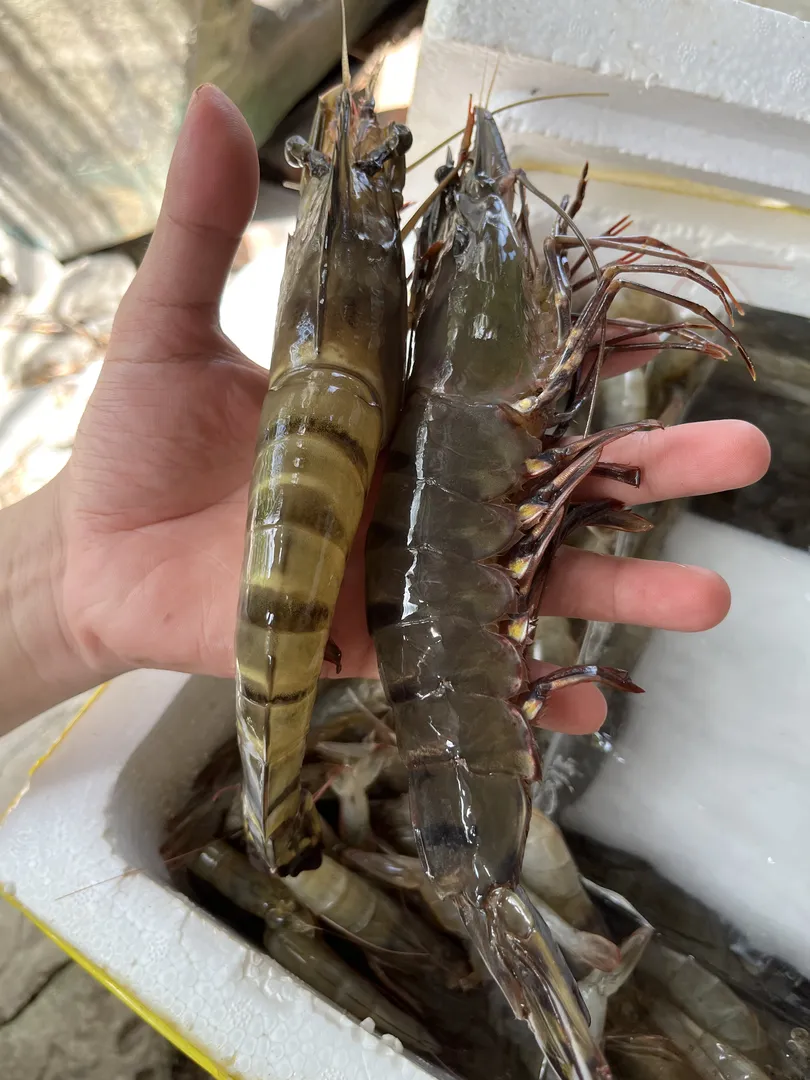
Ca Mau Black Tiger Shrimp
Ca Mau Black Tiger Shrimp
Large black tiger shrimp associated with mangrove aquaculture in Ca Mau, known for firm flesh and a cleaner, sweeter finish than intensively farmed shrimp.
Wild spirits of the mangroves, these black-banded gems deliver a firm, snappy texture and a sweetness that echoes the forest's vibrant life.
Heritage Ingredient
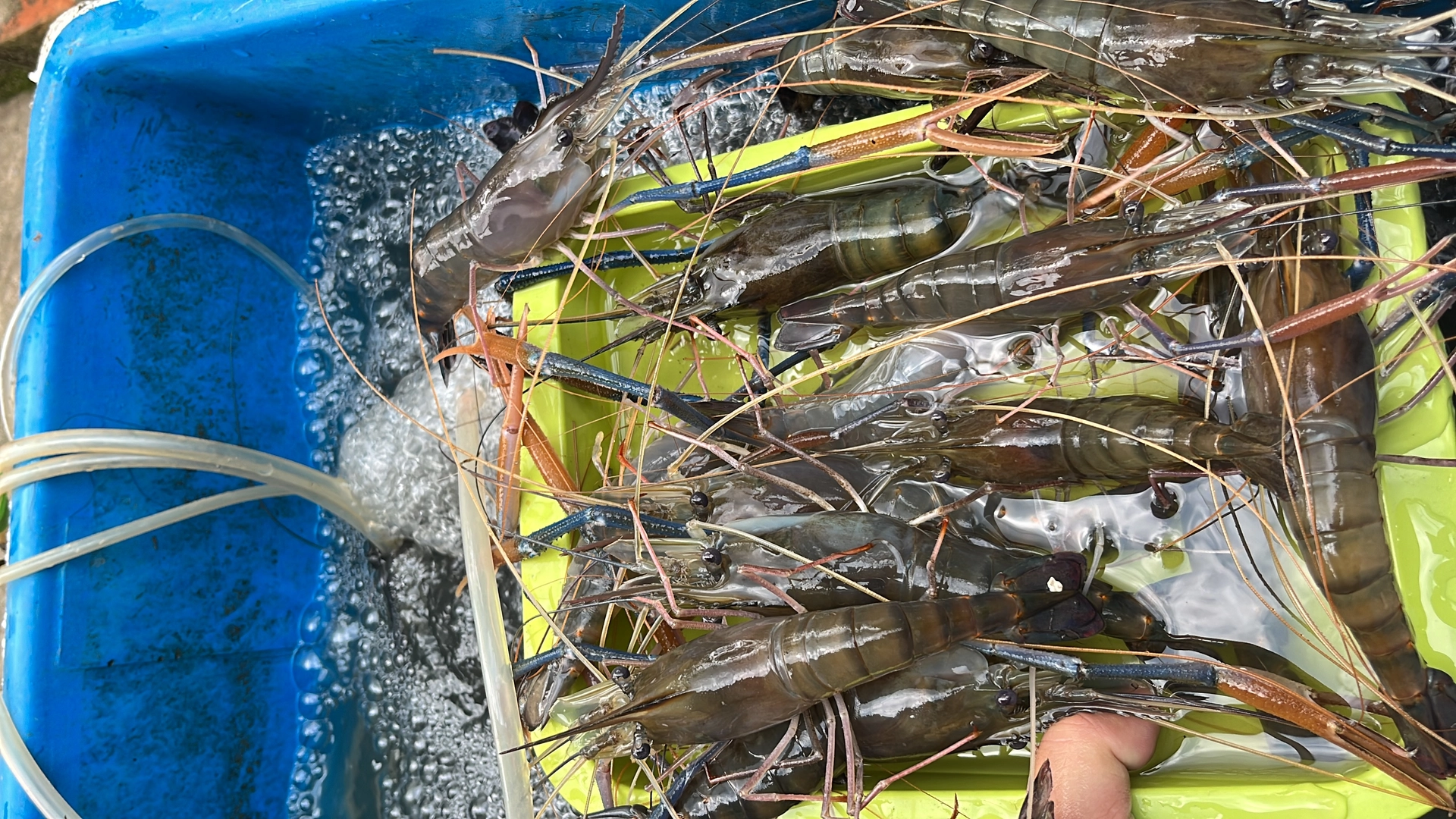
Mekong Giant Freshwater Prawn
Mekong Giant Freshwater Prawn
A river prawn with long blue claws and rich head fat, common in grilled prawn dishes and hotpot traditions across the Mekong basin.
Majestic blue-clawed warriors of the Mekong, famous for their rich, fatty heads and a savory depth that captures the essence of the delta's rivers.
Heritage Ingredient
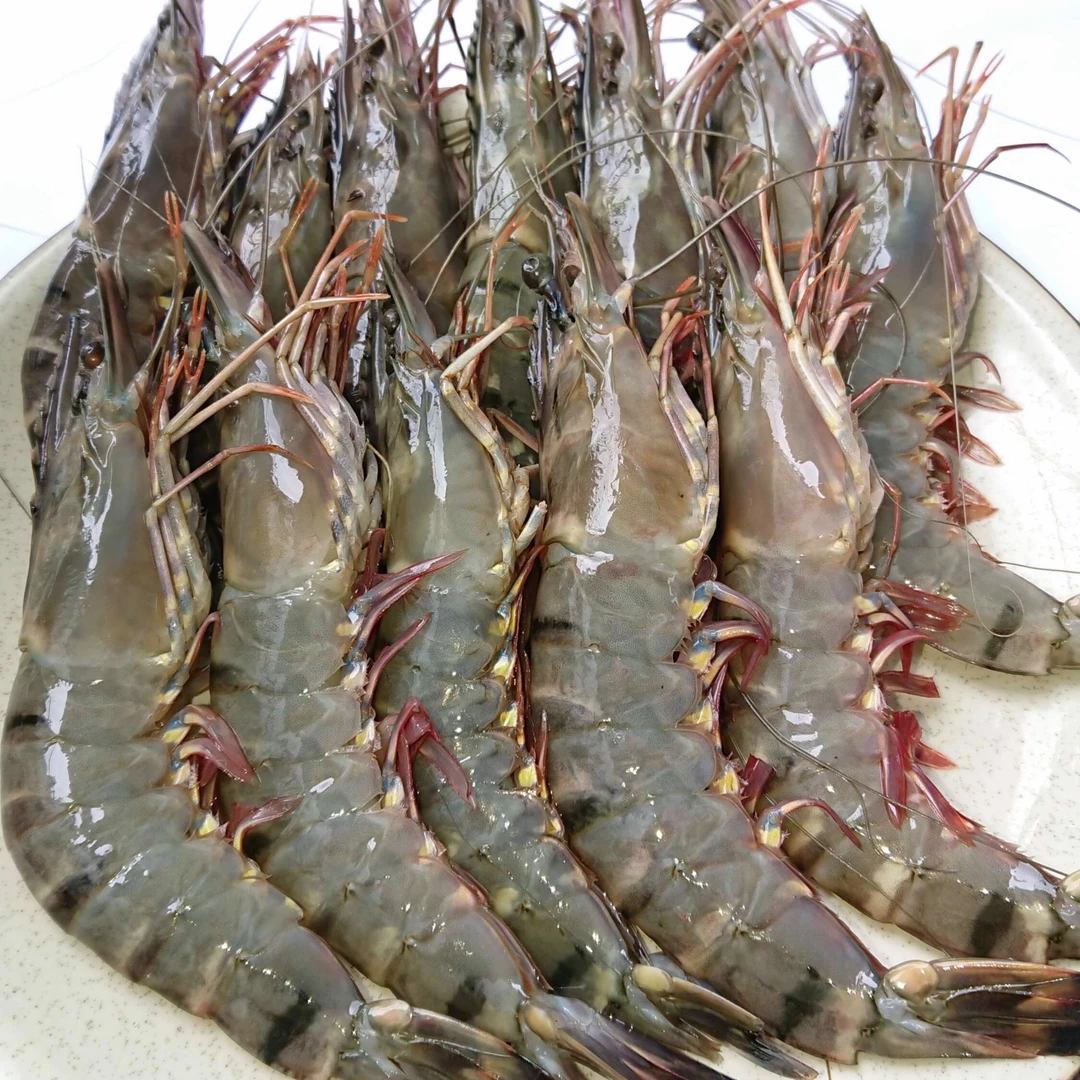
Whiteleg Shrimp
Whiteleg Shrimp
A widely used shrimp in Vietnamese home kitchens, suitable for stir-fries, soups, steamed dishes, and practical cooking articles that need a familiar shrimp reference.
Translucent jewels of the coast, thin-shelled and remarkably sweet, making every simple home meal feel like a seaside celebration.
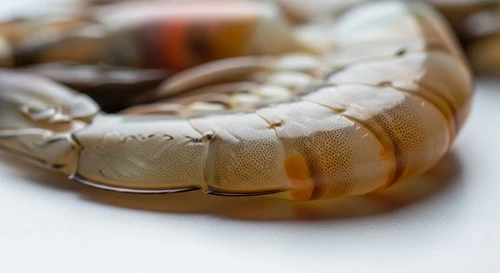
Now, contrast that with the sanitized reality of a supermarket freezer. That bag of pre-peeled, perfectly white, uniformly sized shrimp? Behind that convenience, there's often a chemical intervention. The pristine white isn't always natural; it's frequently the result of processing agents designed to preserve appearance and extend shelf life.
2 The Ghost in the Bag: Sodium Metabisulfite
The primary culprit we often find is Sodium Metabisulfite (Na₂S₂O₅). It's a chemical compound that falls under the umbrella of sulfites, widely used as a preservative and bleaching agent in the food industry. When it comes to shrimp, its applications are threefold:
Appearance Preservation
Shrimp, especially after being peeled and frozen, can develop a dark, melanotic spot on their heads and shells, known as "black spot." This is a natural enzymatic reaction. Sodium metabisulfite inhibits this enzyme, keeping the shrimp looking bright white and visually appealing for longer.
Antioxidant Properties
It acts as an antioxidant, preventing the shrimp from oxidizing and degrading, which helps maintain texture and a "fresher" look, even after processing.
Preservative
It also has antimicrobial properties, helping to extend the shelf life of the shrimp by slowing down the growth of spoilage bacteria.
While sodium metabisulfite is generally recognized as safe (GRAS) by regulatory bodies like the FDA when used within specific limits, its presence warrants attention, especially for those with sensitivities.
3 Who's At Risk? Understanding Sulfite Sensitivity
For the vast majority of people, the trace amounts of sulfites used in shrimp processing pose no health risk. However, a subset of the population is sensitive to sulfites. This sensitivity is most common in individuals with:
- Asthma: Sulfites can trigger asthma attacks in some asthmatics, leading to symptoms like wheezing, chest tightness, and difficulty breathing.
- Allergies: While not a true allergic reaction, sulfite sensitivity can manifest with allergy-like symptoms.
Symptoms of sulfite sensitivity can range from mild (hives, itching, digestive upset) to severe (anaphylaxis, breathing difficulties). If you've experienced adverse reactions after consuming processed foods containing sulfites, it's wise to be vigilant. The packaging should, by law, list sulfites if they are present above a certain threshold, but the "whiteness" of processed shrimp is a common tell-tale sign that they've likely been treated.
Your Kitchen's First Line of Defense 🛡️
The good news is, you can significantly mitigate the impact of these preservatives with a simple, yet crucial, step before you even start cooking.
The Thorough Rinse
When you take your frozen peeled shrimp out of the bag, **DO NOT** just toss them into the pan or pot. Place them in a colander and rinse them thoroughly under cold running water for at least 30-60 seconds. Move them around with your hands to ensure water reaches every surface.
Why It Works
This simple act washes away a significant portion of the surface-level sulfites and any residual processing chemicals. It's a small effort for a much cleaner ingredient, bringing you closer to the pure taste of shrimp.
For an extra measure, you can even soak the rinsed shrimp in fresh water for 5-10 minutes, then drain again. This is particularly useful if you are highly sensitive.
5 Beyond the Bag: Seeking Purity
If you’re aiming for the most natural shrimp possible, here are a few strategies:
🍤 Opt for "Head-On" or "Shell-On" Shrimp
📍 Seek Out Wild-Caught or Sustainably Farmed
🛒 Read Labels Diligently
6 Unlocking the Natural Sweetness
When you take the time to rinse, or better yet, opt for unprocessed shrimp, you unlock a different level of flavor. The subtle sweetness of shrimp from the Mekong's brackish waters, the delicate texture of a freshwater prawn – these are qualities that processed shrimp often lose.
Imagine a perfectly executed Salt and Pepper Shrimp, where the natural brine of the seafood is the star, amplified by the simple heat of the wok and aromatics. Or a vibrant Vietnamese Seafood Noodle Soup (Bun Thai Lan), where the shrimp lend their essence to the broth. These dishes thrive on the inherent quality of the ingredient.
The journey of shrimp from the vibrant, living ecosystems of Southeast Asia to our plates is a long one, and much can happen along the way. By understanding what's happening in that frozen bag, we empower ourselves to make choices that honor the ingredient and our own well-being. So next time you reach for those convenient peeled shrimp, remember the power of a good rinse – it’s a small ritual that brings you closer to the true, unadulterated taste of the sea.
A Note from the Delta
"In my village, near the coast of Ca Mau, we rarely see shrimp like this in the supermarket. Our shrimp are fresh from the aquaculture ponds or the wild catch. When we process them for sale, we focus on freezing them quickly with minimal additives to keep their natural sweetness. The chemicals you find in many imported products, while for preservation, they mask the true flavor. It's like painting over a masterpiece. We learn from our elders to respect the ingredient. A quick blanch, a splash of lime, and you taste the sea. That's the delta way."
- A local shrimp farmer in Nam Can District, Ca Mau
Key Takeaways
Identify
Look for "bright white" peeled shrimp; it's a sign of potential sulfite treatment.
Rinse!
Always rinse frozen peeled shrimp under cold water before cooking to remove surface chemicals.
Choose Wisely
Opt for shell-on, head-on, or wild-caught varieties when possible for more natural options.