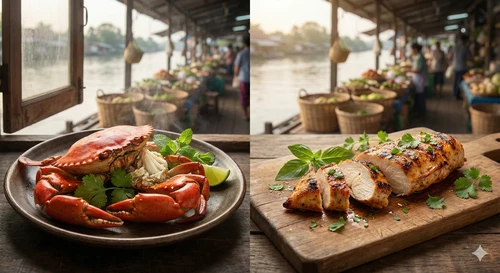
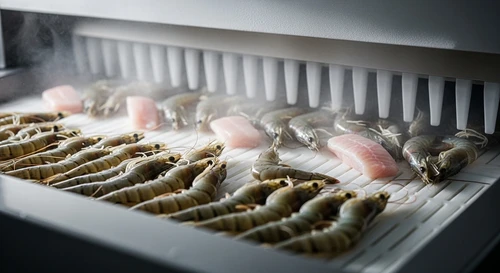
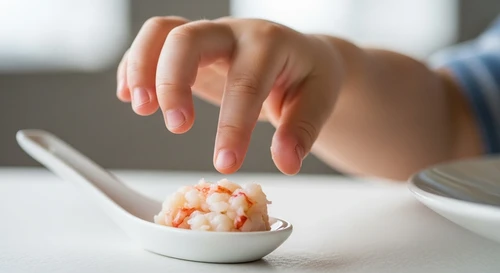
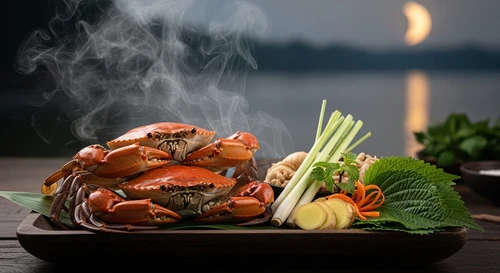
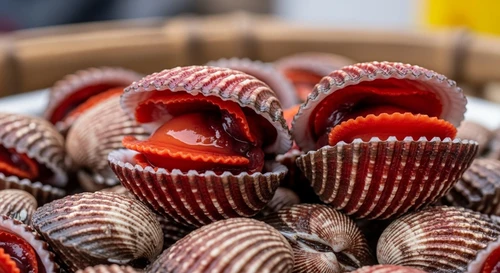
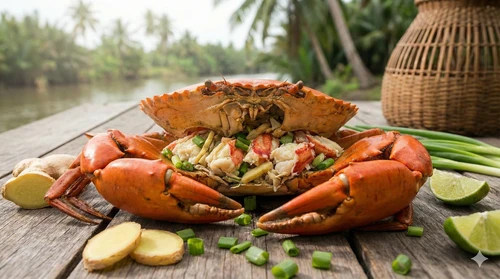
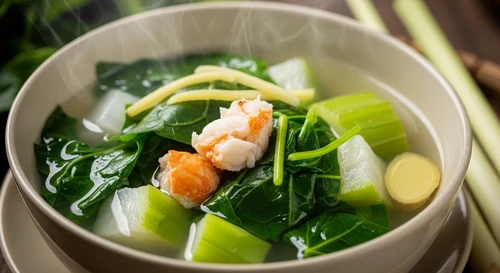
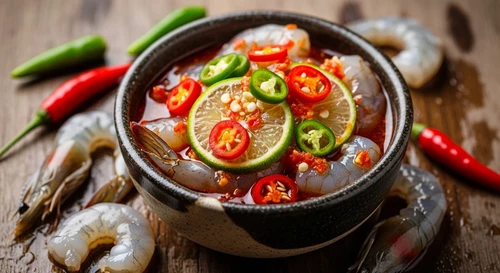
" The scent of the sea is intoxicating. It whispers of ancient tides, of life teeming beneath the surface. Here in the Mekong Delta, it's a livelihood, a feast, a way of life. But this very abundance carries a hidden danger for some: the seafood allergy. "
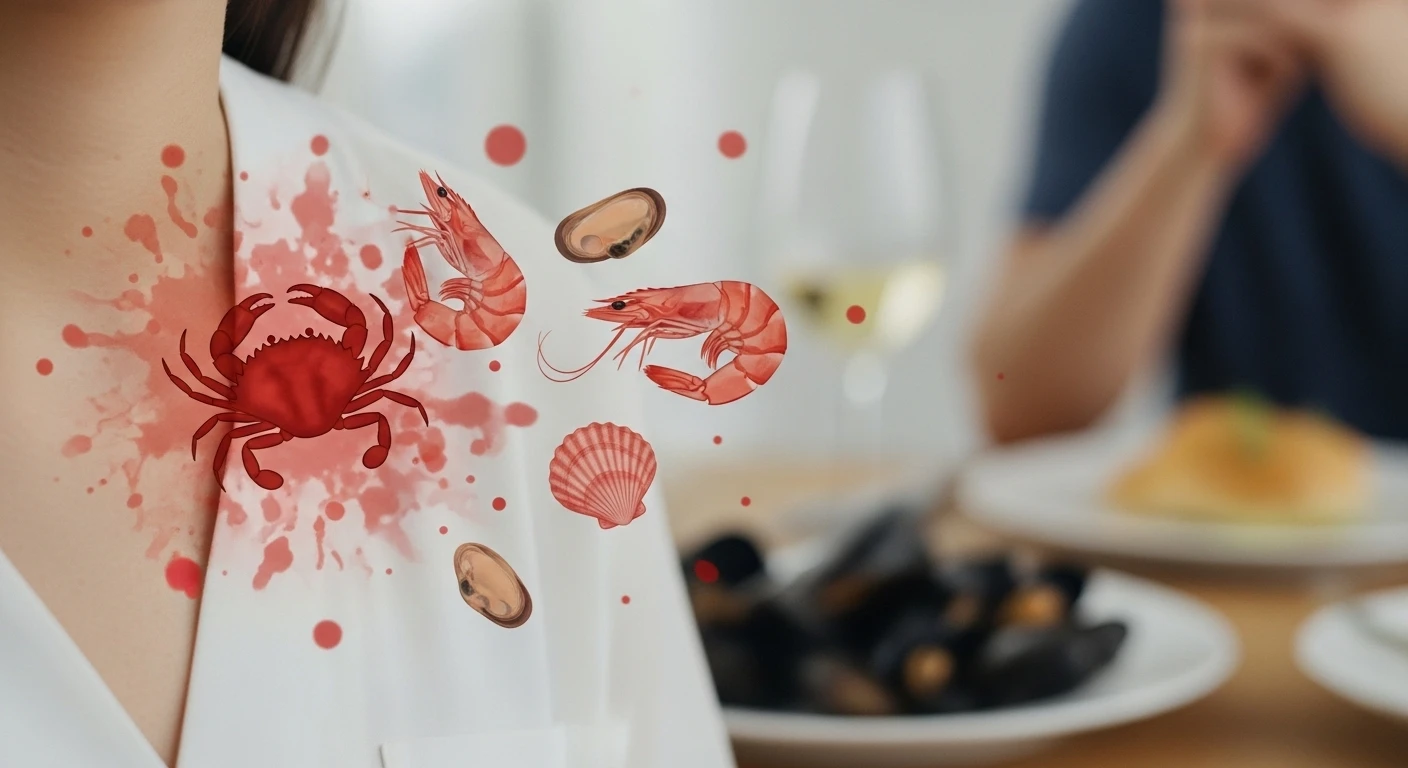
📸 Understanding the visual language of an allergic reaction.
1 The Taste of the Tides
For centuries, the intricate network of rivers, canals, and coastal waters of the Mekong Delta has been the lifeblood of its communities. From the pungent aroma of fermented shrimp paste to the delicate sweetness of fresh river prawns and the rich, oceanic brine of mud crabs, seafood is not just food; it's heritage.
Imagine the bustling floating markets of Can Tho, piled high with glistening catches, or the tranquil mangrove forests of Ca Mau, home to an incredible array of shellfish and crustaceans. This abundance is celebrated in every aspect of Southern Vietnamese cuisine.
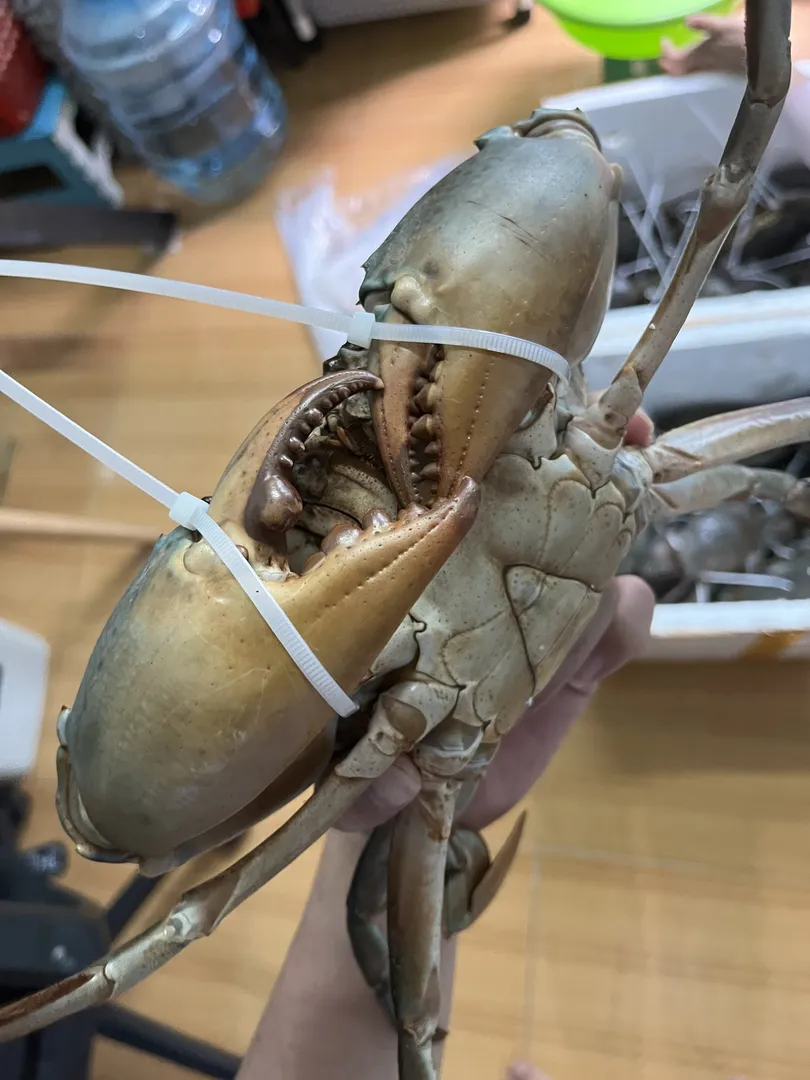
Heritage Ingredient
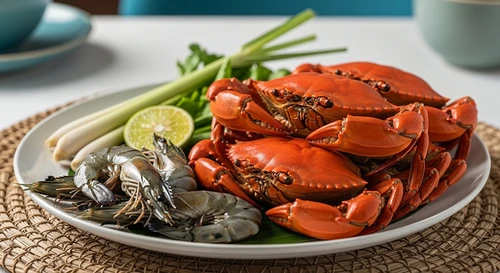
Ca Mau Jumbo Mud Crab
Ca Mau Jumbo Mud Crab
A large male mud crab prized for dense, sweet meat and thick claws, commonly used in steamed crab and grilled crab dishes across the Mekong Delta.
An icon of coastal culinary heritage, featuring firm, sweet meat that captures the raw power and freshness of Ca Mau's tides.
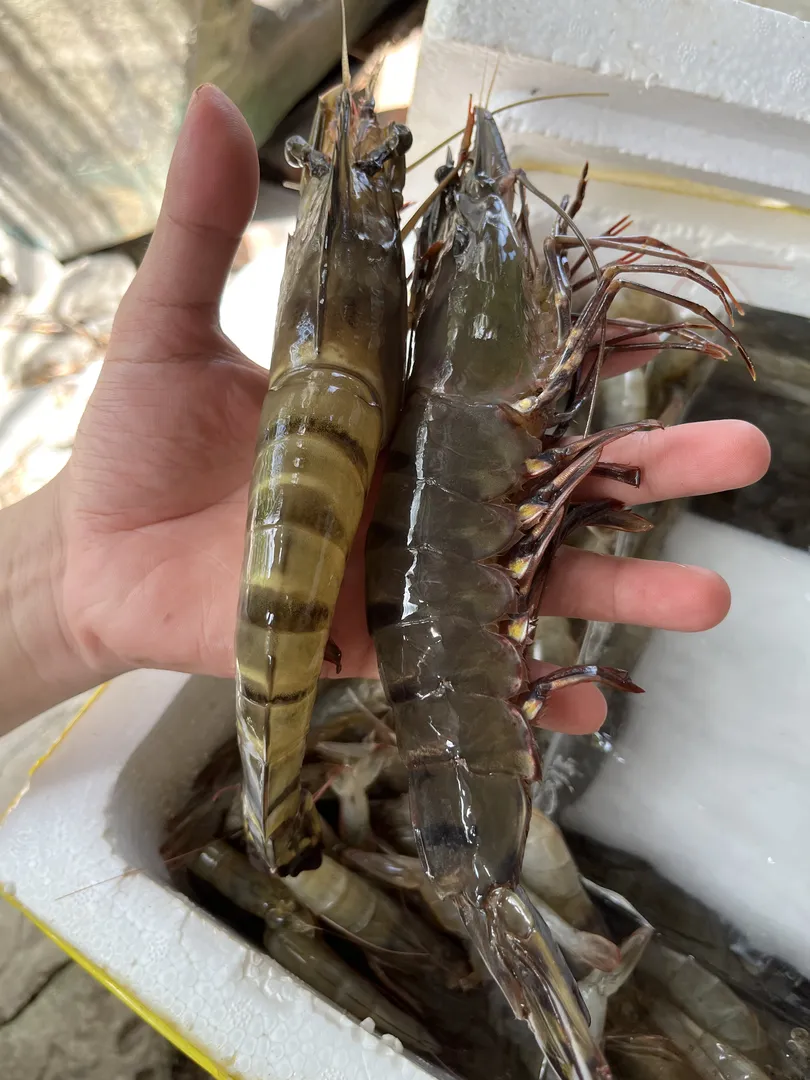
Heritage Ingredient
Ca Mau Black Tiger Shrimp
Ca Mau Black Tiger Shrimp
Large black tiger shrimp associated with mangrove aquaculture in Ca Mau, known for firm flesh and a cleaner, sweeter finish than intensively farmed shrimp.
Wild spirits of the mangroves, these black-banded gems deliver a firm, snappy texture and a sweetness that echoes the forest's vibrant life.
However, this incredible biodiversity also means a higher potential for encountering allergens. Shellfish, particularly crustaceans like shrimp, crab, and lobster, are among the most common food allergens worldwide. These allergies are often lifelong, and can manifest with varying severity. Understanding the subtle (and not-so-subtle) signs is crucial, especially when enjoying dishes prepared with the freshest catches from the delta's waters.
2 The Immune System's Overreaction
A seafood allergy is an immune system response. When someone with a seafood allergy consumes shellfish or finned fish (though shellfish allergies are far more common and severe), their body mistakenly identifies certain proteins in the seafood as harmful invaders.
The immune system then releases chemicals, such as histamine, to fight off these perceived threats. This cascade of chemical reactions is what causes the symptoms of an allergic reaction. Unlike a food intolerance, which affects the digestive system, an allergy involves the entire immune system and can be life-threatening.
The most common triggers within shellfish are tropomyosin, a protein found in the muscle tissue of these creatures. This is why someone allergic to shrimp might also react to crab or lobster.
3 The Spectrum of Symptoms
Allergic reactions can vary greatly from person to person and even from one reaction to another in the same individual. It's crucial to understand the range of symptoms, from mild discomfort to a critical emergency known as anaphylaxis.
Mild Symptoms
- Hives (Urticaria): Red, itchy, raised welts on the skin. Often the first sign.
- Itching and Tingling: Particularly around the mouth and throat.
- Mild Rash: Localized redness or eczema-like patches.
- Nausea or Stomach Discomfort: Mild stomach cramps or a feeling of unease.
Severe Symptoms (Anaphylaxis)
- Difficulty Breathing: Wheezing, shortness of breath, chest tightness, or coughing fits.
- Swelling: Swelling of the lips, tongue, throat, or face that can block airways.
- Dizziness or Fainting: A sudden drop in blood pressure, feeling lightheaded or losing consciousness.
- Vomiting or Diarrhea: Severe gastrointestinal distress.
- Rapid Heartbeat.
- Sense of impending doom.
Anaphylaxis is a medical emergency. Symptoms can develop within minutes of exposure and can rapidly become life-threatening. Prompt recognition and immediate action are critical.
4 Icons of the Delta's Waters
The Mekong Delta is renowned for its exceptional crustaceans. While delicious, these can also be potent allergens for susceptible individuals.
Heritage Ingredient
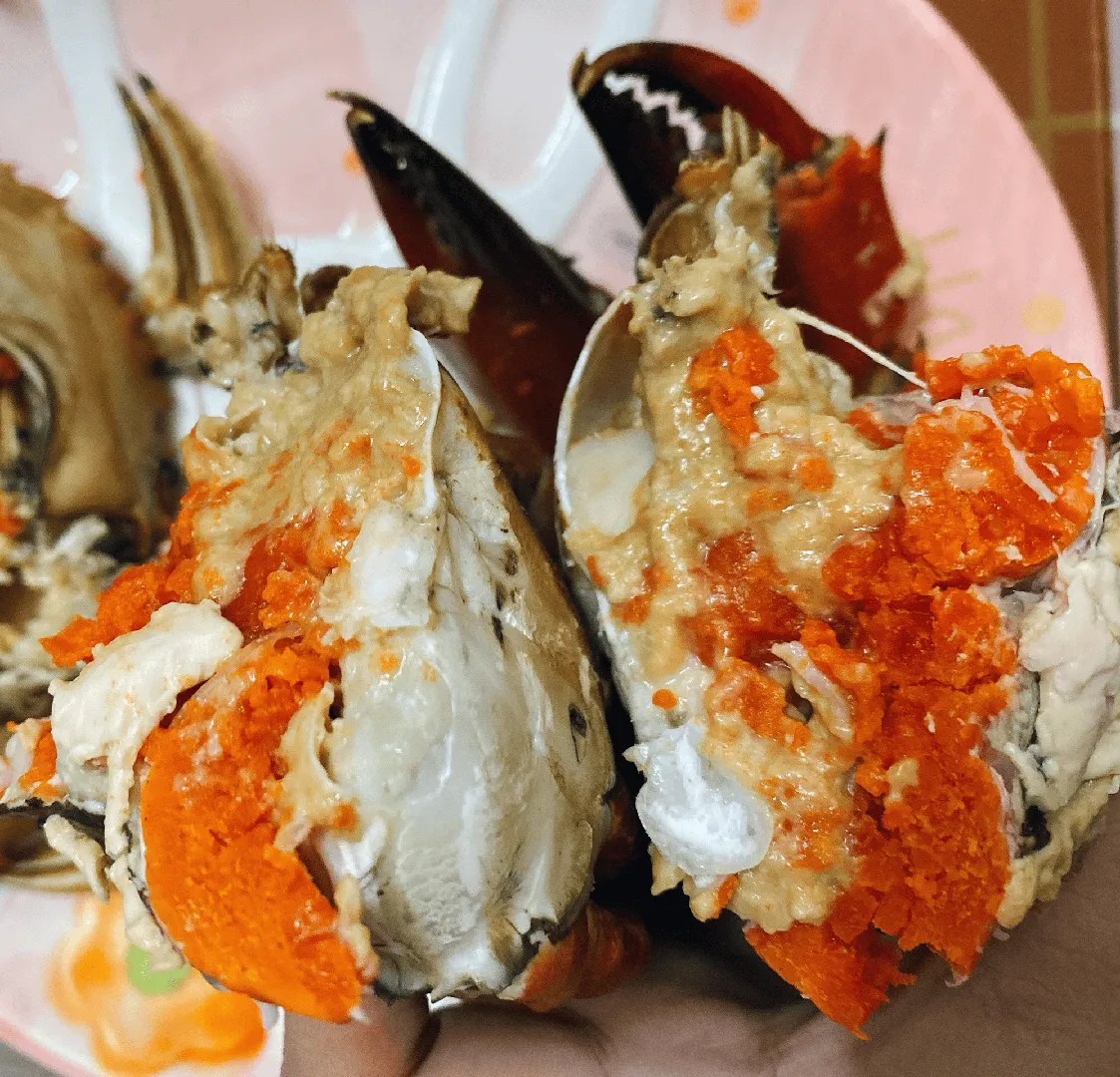
Ca Mau Roe Mud Crab
Ca Mau Roe Mud Crab
A female mud crab known for deep orange roe and a rich, creamy finish, often featured in celebratory Southern Vietnamese seafood meals.
A crimson treasure hidden within a shell, boasting rich, creamy roe that melts on your tongue like a golden sunset over the delta.
Heritage Ingredient
Ca Mau Jumbo Mud Crab
Ca Mau Jumbo Mud Crab
A large male mud crab prized for dense, sweet meat and thick claws, commonly used in steamed crab and grilled crab dishes across the Mekong Delta.
An icon of coastal culinary heritage, featuring firm, sweet meat that captures the raw power and freshness of Ca Mau's tides.
Allergies to these regional favorites can be severe. It underscores the importance of understanding ingredients and potential cross-contamination when dining, especially in places that celebrate these very seafood specialties.
5 The Golden Minutes
If you or someone you are with experiences symptoms of a severe allergic reaction (anaphylaxis) after eating seafood, act immediately. Do not wait to see if symptoms improve.
1. Administer Epinephrine (If Available)
- If the person has a known severe allergy and carries an epinephrine auto-injector (like an EpiPen), use it immediately.
- Follow the instructions on the auto-injector. Administer it into the outer thigh.
- Do NOT inject into a vein, buttocks, fingers, or toes.
- Call emergency services immediately after administering epinephrine.
2. Call Emergency Services
- Dial your local emergency number (e.g., 911 in the US, 112 in Europe, 115 in Vietnam).
- Clearly state that someone is having a severe allergic reaction to seafood and may have received epinephrine.
- Provide your location and describe the symptoms.
- Stay on the line and follow the dispatcher's instructions.
3. Position the Person
- If they are having trouble breathing, help them sit up.
- If they feel faint or dizzy, have them lie down with their legs elevated.
- Do NOT let them stand or walk if they feel faint, as this can lead to a dangerous drop in blood pressure.
4. Monitor Closely
- Keep the person as calm as possible.
- Watch for any changes in their condition until emergency services arrive.
6 When It's Not Anaphylaxis
If symptoms are mild, such as localized hives or mild itching around the mouth, it's still important to seek medical advice.
- Contact a Doctor or Go to Urgent Care: Do not ignore mild symptoms. They could be the beginning of a more severe reaction or indicate a developing allergy.
- Avoid Further Exposure: Do not eat any more seafood and inform your dining companions about the reaction.
- Consider Allergy Testing: A doctor can perform tests to confirm the allergy and advise on management.
Even mild reactions can be distressing and are a clear signal that the body cannot tolerate the offending seafood.
7 Navigating the Culinary Landscape
For those with diagnosed seafood allergies, careful planning and vigilance are essential:
- Read Labels Carefully: Be aware of hidden seafood ingredients in sauces, broths, and processed foods.
- Communicate Clearly When Dining Out: Inform restaurant staff about your allergy. Be specific about what you are allergic to (e.g., "shellfish," "shrimp," "crab").
- Be Wary of Cross-Contamination: This is a major concern, especially in kitchens that handle a lot of seafood. Ask about separate preparation areas or utensils.
- Carry an Epinephrine Auto-Injector: If prescribed, always have it with you and ensure it is not expired.
- Educate Friends and Family: Make sure those close to you know about your allergy and what to do in an emergency.
8 Respecting the Ocean's Gifts
The Mekong Delta's culinary traditions are rich with seafood, a testament to the region's fertile waters. While these flavors are a source of immense joy and cultural pride, it's vital to approach them with awareness. For those who must navigate allergies, understanding the risks and knowing how to respond can mean the difference between a delightful meal and a dangerous situation. Respecting the ocean's gifts means understanding all aspects of them, including the potential for them to harm.
This information is for general knowledge and informational purposes only, and does not constitute medical advice. It is essential to consult with a qualified healthcare professional for any health concerns or before making any decisions related to your health or treatment.