" The Mekong Delta is a restless heart, a constant pulse of tides and human endeavor. Boats ply the muddy arteries, markets buzz with life, and beneath it all, an ecosystem thrives with fierce, unseen purpose. But even in this relentless dance of survival, does nature pause for a deep breath, a moment of repose? "
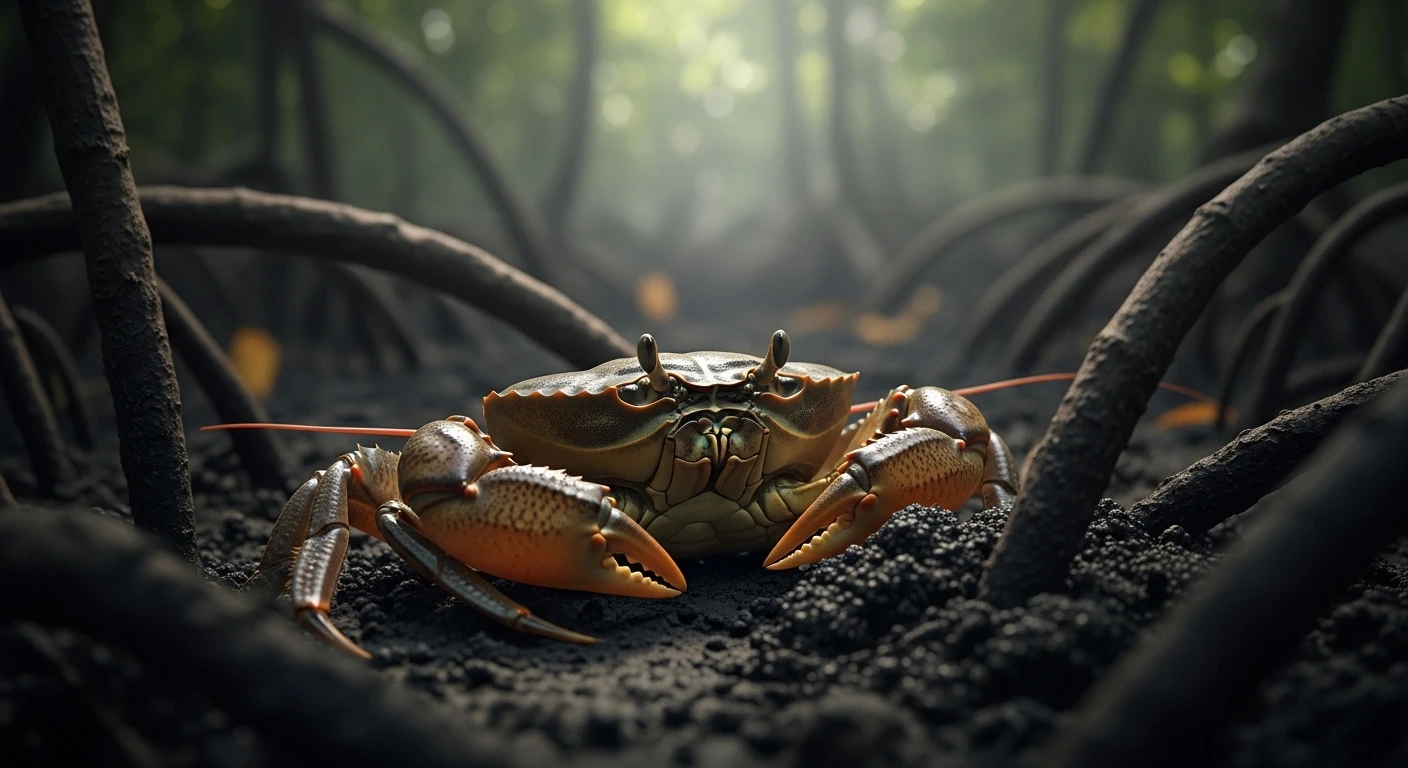
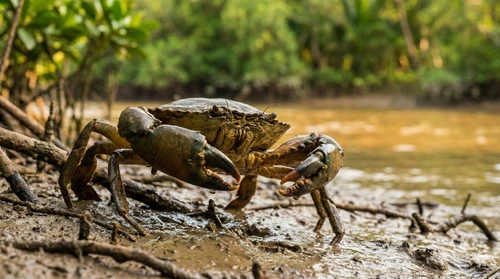
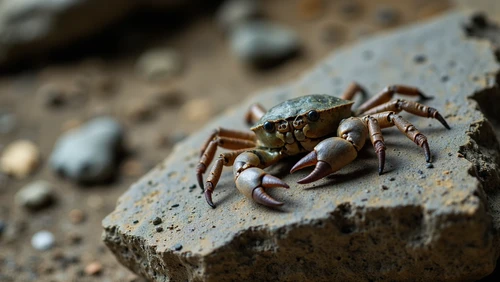
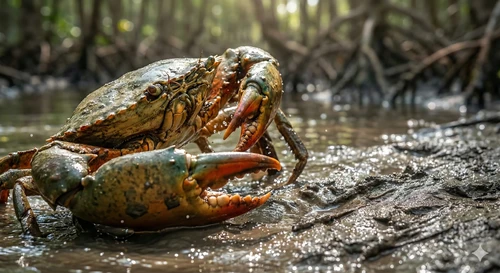
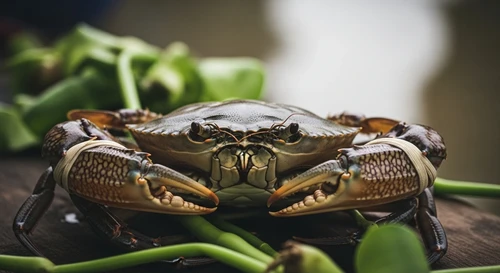
📸 A mud crab, an iconic resident of the Mekong's intricate waterways, perhaps in a moment of quiet repose.
1 The Delta's Unseen Rhythms: Life Below the Surface
The Mekong Delta, a vast network of rivers and canals, is a place where life unfolds with raw energy. From the fishermen casting their nets to the farmers tending rice paddies, every living thing seems to be in perpetual motion. But what of the creatures that inhabit its murky depths and mangrove roots, the silent, scuttling armies that fuel its ecosystem and its kitchens? Specifically, the crabs. These armored denizens are everywhere, from the smallest fiddlers waving their solitary claws to the formidable mud crabs sought after for their sweet, succulent meat.
For us, sleep is a fundamental human need, a surrender to unconsciousness. But for a creature whose survival depends on constant vigilance against predators and the ebb and flow of tides, the concept of "sleep" might be radically different. This isn't just a biological query; it’s a peek into the very soul of the Delta’s wild heart, a question that connects us to the primal pulse of this incredible region.
2 What Even Is Sleep for a Crustacean?
Before we can ask if crabs sleep, we must first define "sleep" itself. For humans and many mammals, sleep is characterized by a unique brainwave activity, reduced responsiveness to external stimuli, and a distinct posture. But crabs, with their simpler nervous systems and exoskeletons, don't exactly tuck themselves into bed. Their "sleep" is far more rudimentary, a behavioral and physiological state that scientists refer to as a "rest cycle" or "quiescence."
This isn't just chilling out; it's a period vital for energy conservation, tissue repair, and the processing of information gathered during active periods. While they don't experience REM sleep or vivid dreams, their bodies still perform essential maintenance during these quieter phases. It’s a necessary pause in the relentless cycle of foraging and avoiding becoming someone else’s meal.
3 The Circadian Symphony: Crabs and the Clock of Nature
Like almost all living organisms, crabs possess internal biological clocks known as circadian rhythms. These rhythms regulate various physiological processes over roughly a 24-hour cycle, influenced by external cues like light and dark, and for marine creatures, the tides. In the Mekong Delta, where life is intricately tied to the rise and fall of water, these rhythms are particularly pronounced.
Many crab species are nocturnal, meaning they are most active under the cover of darkness, foraging for food and seeking mates. During the day, they retreat into burrows or hide amongst the mangrove roots, entering a state of reduced activity. Others might be crepuscular, active during twilight hours, or even diurnal, but all exhibit predictable patterns of activity and rest. This cyclical behavior is their version of a schedule, dictated by the grand clock of the natural world.
4 Observing the Pause: What Does Crab "Rest" Look Like?
You won't find a crab snoring contentedly on a tiny pillow. Their rest periods are characterized by a noticeable decrease in movement and responsiveness. Here are some tell-tale signs:
- Reduced Activity: The most obvious sign is a significant reduction in locomotion and foraging behavior. They simply stop scuttling.
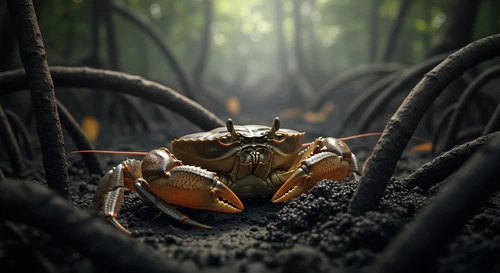
- Burrowing or Hiding: Many crabs, especially mud crabs and fiddler crabs, dig burrows or find sheltered spots under rocks, logs, or dense vegetation to hide from predators and avoid the harsh sun during their inactive phases.
- Stillness: They may remain motionless for extended periods, sometimes for several hours.
- Antennae Retraction: Their antennae, crucial for sensing their environment, might be retracted or held still, indicating a lower state of awareness.
- Diminished Responsiveness: While not completely unconscious, a resting crab will be slower to react to external stimuli compared to an active one. A gentle prod might elicit a delayed or minimal response.
These behaviors collectively constitute their version of "sleep"—a necessary withdrawal from the demands of their environment.
The Biological Imperative: Why Crabs Need Their Downtime ⏳
Even in the relentless struggle for survival, nature demands a pause. For crabs, this rest serves several critical biological functions.
1. Energy Conservation
Foraging, escaping predators, and maintaining bodily functions consume vast amounts of energy. Rest allows crabs to lower their metabolic rate and conserve precious resources.
2. Physiological Recovery
Just like us, crabs need time for their bodies to repair tissues, replenish neurotransmitters, and recover from physical exertion. It’s their form of cellular maintenance.
3. Sensory Processing
Even simple nervous systems need downtime to process the information gathered during active periods, consolidate memories (basic ones, of course), and prepare for future activity.
Without these periods of rest, a crab's ability to forage, evade threats, and reproduce would be severely compromised.
6 The Mekong's Crabs: A Tidal Life of Hidden Depths
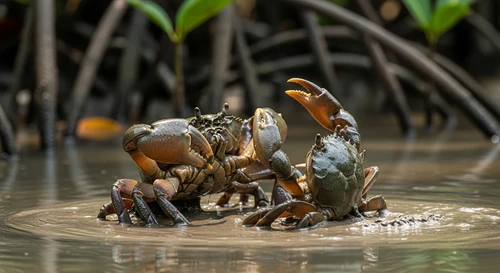
The Mekong Delta provides a perfect microcosm for studying these rest cycles. Its intricate network of brackish water, mudflats, and dense mangrove forests creates unique habitats for countless crab species. The fiddler crabs, for example, are a common sight, their males brandishing oversized claws in elaborate courtship displays. They are masters of the tidal flats, emerging at low tide to feed and retreating into their burrows as the water rises, a predictable daily rhythm of activity and rest.
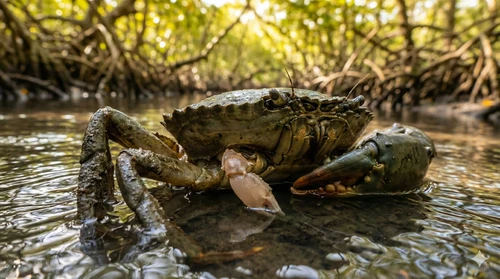
Mud crabs, a culinary treasure, also exhibit these patterns. Often found deeper within the muddy banks, they emerge to forage for smaller invertebrates or detritus, especially at night. Their burrows are not just homes but safe havens for their periods of quiescence, offering protection from predatory birds, fish, and, of course, the keen eyes of local fishermen.
7 Beyond Sleep: Other Fascinating Crab Behaviors
While their rest cycles are intriguing, crabs exhibit a host of other complex behaviors that underscore their remarkable adaptability:
- Molting: Crabs grow by shedding their hard outer shell, a vulnerable process during which they hide and conserve energy until their new shell hardens. This period is a form of forced, deep rest.
- Mating Rituals: Some species engage in elaborate courtship dances, signaling with their claws or constructing intricate burrows to attract mates.
- Migration: Certain crab species undertake incredible migrations, traveling vast distances to breed, a testament to their navigational instincts.
- Tool Use (Limited): Some land crabs have been observed using pebbles to plug their burrows, a rudimentary form of tool use for protection.
These behaviors, all interwoven with their daily and seasonal rhythms, paint a picture of creatures far more complex than their often-unassuming appearance suggests.
8 From the Muddy Banks to Your Plate: A Deeper Appreciation
As a food journalist, my mind naturally drifts to the culinary delights these crabs eventually become. From a steaming plate of "cua hấp bia" (steamed crab with beer) to a rich, aromatic curry, crabs are a cornerstone of Mekong Delta cuisine. But understanding their life cycle, their daily rhythms of activity and rest, adds an entirely new layer of appreciation to the meal.
Knowing that the crab on your plate lived a life dictated by tides and moonlight, that it too sought moments of stillness and recovery, connects you more intimately to the source of your food. It’s a reminder that every ingredient has a story, a journey from the wild to the wok. The subtle sweetness of its meat now carries the echoes of the Delta's circadian symphony.
The Mekong's Enduring Mystery
" So, do crabs sleep? Perhaps not in the way we understand it, with dreams and deep slumber. But they certainly rest, retreating into their own quiet worlds, recharging for another day in the relentless, beautiful tapestry of the Mekong Delta. And in that, there’s a profound lesson about life's universal need for pause, a silent testament to the wisdom of nature. "