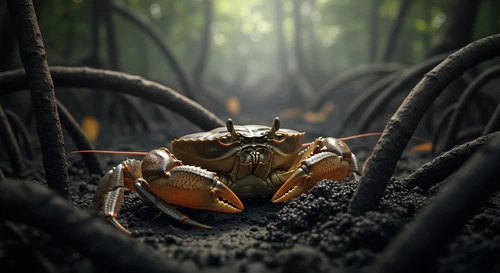
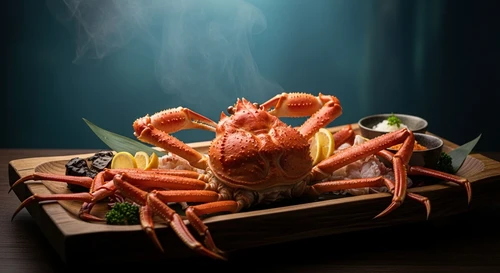
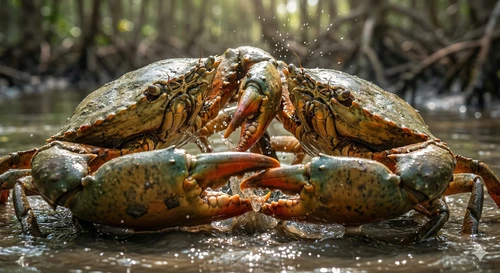
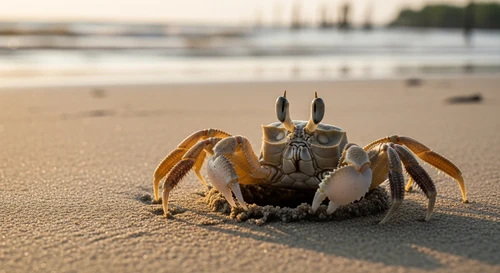
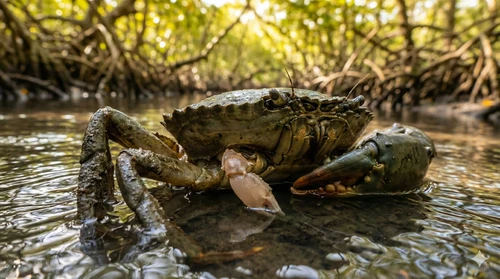
" There are places on this planet where the line between myth and dinner blurs. Ca Mau, the Mekong Delta's southernmost tip, is one such place. Here, they don't just talk about big crabs; they fish for legends, for creatures that seem to have swum out of a fever dream and onto your plate. "
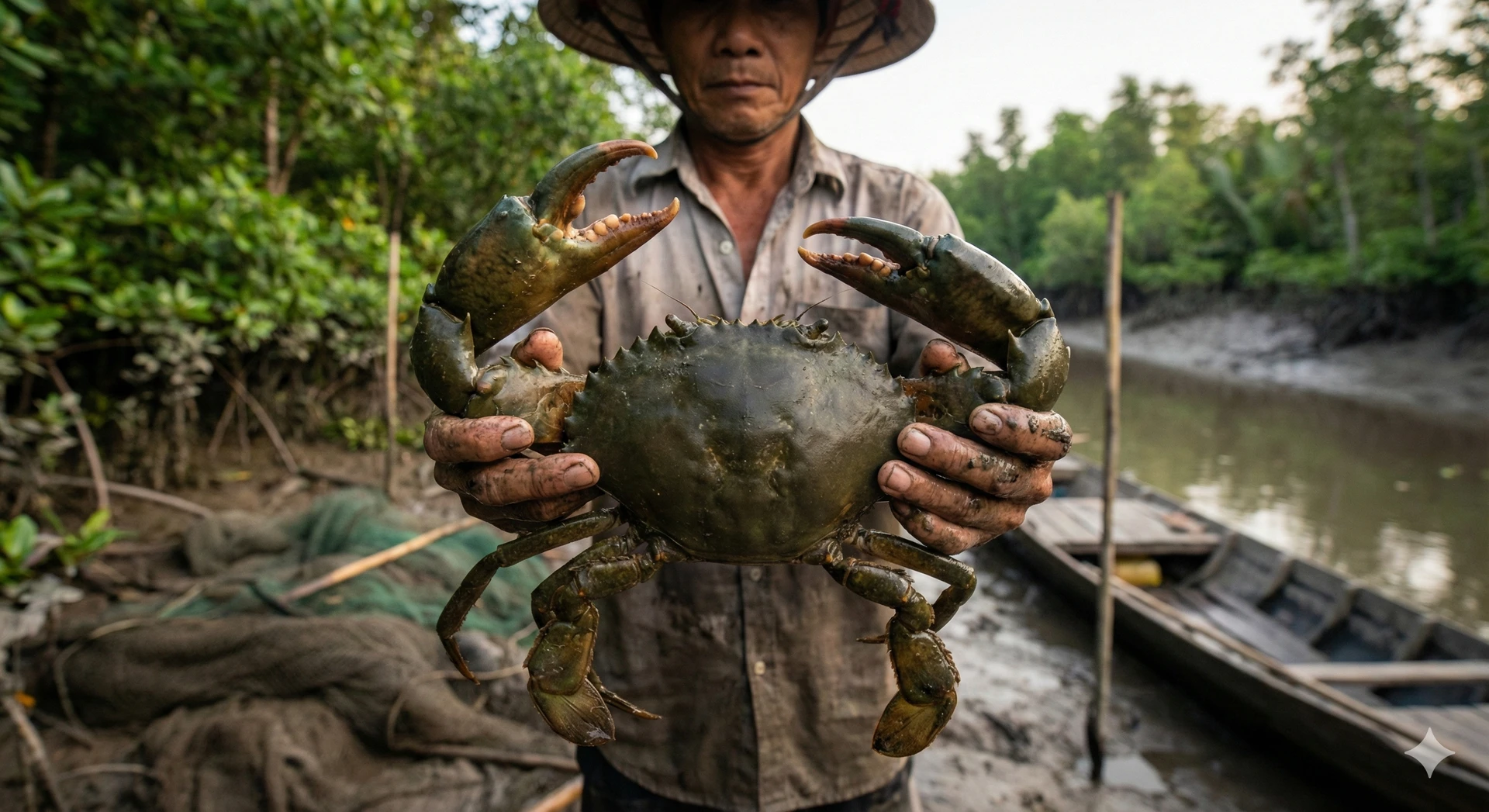
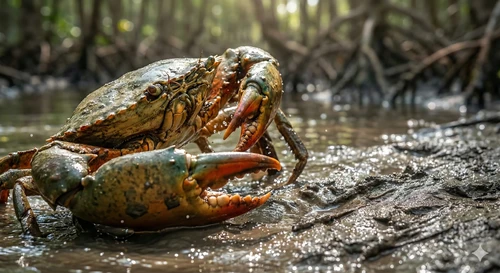
📸 The stuff of legend: A true Ca Mau monster, ready for its close-up.
1 Ca Mau: Where the Earth Ends and the Crabs Begin
Imagine a place where land surrenders to water, where meandering rivers snake through emerald mangroves, eventually dissolving into the vast embrace of the East Sea and the Gulf of Thailand. This is Ca Mau, the last frontier of Vietnam’s Mekong Delta. It is a wild, untamed landscape, a symphony of mud, water, and resilient life. And within this primal ecosystem, something truly magnificent thrives: the mud crab.
Ca Mau’s unique geography—a labyrinth of brackish waterways, nutrient-rich silt, and warm tropical climate—creates the perfect nursery for aquatic life. The water is a generous mother, and her children here grow big, really big. It’s not just a fishing ground; it’s a living laboratory for oversized crustaceans.
2 Behemoths of the Brackish Water: The Anatomy of a Legend
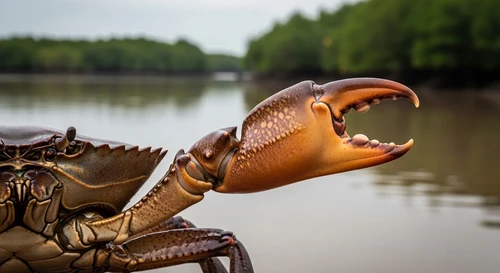
When we talk about "the biggest crab ever caught," we're not talking about dainty little blue crabs you might find in a seafood boil up north. We're talking about the formidable mud crab, or cua biển as it's known locally. These are armored tanks with claws that could snap a small tree branch. Their shells are typically a dark, mottled green or brown, blending perfectly with the murky bottom. But it’s their weight that turns heads.
A crab weighing over 2 kilograms (roughly 4.4 pounds) is not just a crab; it’s an event. It's the kind of catch that stops conversations at the market, earns bragging rights for a lifetime, and demands respect in the kitchen. For perspective, a typical "large" crab for consumption might be 500-800 grams. To double, or even triple that, means you’re looking at a true alpha predator of the mudflats, a creature that has survived countless tides and evaded countless traps to reach such colossal proportions.
The sheer scale of these crabs impacts everything: the thickness of their shell, the immense power in their pincers, and most importantly, the incredible volume of sweet, dense meat packed within. This isn't just a meal; it's a conquest.
3 The Great Crab Hunt: A Fisherman's Obsession
Catching one of these monster crabs is not for the faint of heart. It requires a lifetime of local knowledge, keen observation, and no small amount of courage. Ca Mau's crab fishermen are true masters of their domain, navigating shallow channels and dense mangroves with an almost instinctual understanding of the tides and currents.
Traditional methods often involve setting intricate traps, crafted from wood or bamboo, baited with fresh fish. But the real thrill, the true test of a fisherman’s mettle, comes when spotting a giant burrow entrance. Some brave souls, with mud-stained hands and eyes sharper than any predator, will delve into the muddy banks, reaching deep into the crab's lair. It’s a dangerous dance, balancing the risk of a crushing claw with the immense reward of a prize catch. The struggle is real, the adrenaline rush palpable, and the triumph, when a gargantuan crab is finally hauled from the mud, is a sight to behold.
For the communities of Ca Mau, these catches are more than just income; they are celebrations. They are proof of the Delta's bounty, and a testament to the symbiotic relationship between man and nature in this wild corner of the world.
4 Beyond Size: The Flavor of a Champion
While the size of Ca Mau’s monster crabs is certainly captivating, it's their flavor that truly solidifies their legendary status. This isn't merely a curiosity; it's a culinary revelation.
The Sweetness of the Deep
These crabs spend their lives feasting on the rich, organic matter and smaller marine life abundant in the Delta's brackish waters. This diet translates directly into incredibly sweet, succulent flesh. It's a natural sweetness, subtly briny, with a depth of flavor that is rarely found in smaller specimens.
The white claw meat is firm, flaky, and delicate, while the body meat, often tinged with the rich, creamy roe (if you’re lucky enough to get a female), is intensely flavorful and decadent. Every bite is an explosion of pure, unadulterated crab essence.
Texture That Thrills
Due to their size and robust nature, the meat of these colossal crabs has a texture that is both tender and wonderfully meaty. It's not stringy or mushy; it pulls away in satisfying, substantial strands, offering a textural experience as rewarding as the flavor itself. The large claws, in particular, hold dense, fibrous muscles that provide a truly substantial bite.
When cooked just right, the meat retains its moisture, glistening invitingly. This is the kind of seafood that makes you want to get your hands dirty, to crack and pick until every last morsel is savored.
5 From Mud to Masterpiece: Honoring the King of Crustaceans
With a creature this magnificent, the culinary philosophy is simple: do as little as possible. The goal is to highlight, not mask, the crab's inherent grandeur. In Ca Mau, chefs and home cooks alike understand that a giant crab is a statement piece, and its preparation should reflect that reverence.
The most common, and arguably the best, ways to enjoy these colossal crabs are often the simplest:
- Steamed with Lemongrass and Beer: A classic. The steam gently cooks the meat, while the beer and lemongrass infuse it with a subtle aroma, purifying and enhancing its natural sweetness.
- Grilled over Charcoal: For a smoky, caramelized exterior and a juicy interior. The shell chars, infusing the meat with an irresistible primal flavor.
- Stir-fried with Tamarind: For those who crave a bolder profile, the tangy, sweet-sour tamarind sauce beautifully complements the rich crab meat. This is for when you want a flavour bomb.
No matter the method, the accompanying sauces are key. A simple blend of salt, pepper, and fresh lime juice (muối tiêu chanh) is often preferred, allowing the crab to remain the star. Sometimes, a fiery green chili sauce (muối ớt xanh) might make an appearance, offering a delightful counterpoint to the crab’s sweetness.
6 The Price of Greatness: A Culinary Pilgrimage
Such rare and magnificent creatures do not come cheap. A crab weighing over 2 kilograms is a premium product, a luxury item that commands a significant price. It’s not an everyday meal; it’s an indulgence, a culinary event that many save up for or embark on a specific journey to experience.
Think of it less as buying seafood and more as acquiring a trophy. The cost reflects not only the crab's size and exceptional quality but also the arduous journey of the fishermen who brought it from the wild depths of the Delta to your table. For many, eating such a crab in Ca Mau is a pilgrimage, a necessary stop on any serious food lover's itinerary through Vietnam. It’s an investment in an unforgettable taste experience, a story to tell, and a moment to savor.
7 Spotting Your Own Monster: Tips for the Discerning Traveler
Planning a trip to Ca Mau in search of your own legendary crab? Here’s how to maximize your chances and ensure you get the best experience:
Where to Hunt (and Eat)
- Nam Can Town: Often considered the crab capital of Ca Mau, this riverside town is a bustling hub for seafood. Visit the local market in the early morning to see the freshest catches.
- Ca Mau City Restaurants: Many reputable seafood restaurants in Ca Mau City specialize in local crabs. Ask for the largest available, often proudly displayed in tanks.
- Homestays & Eco-tourism: Some local eco-tourism sites offer crab-catching experiences, giving you a hands-on understanding of the process, though catching a 2kg+ crab is rare for tourists!
How to Choose Your Champion
- Live & Lively: The crab MUST be alive and active. Its legs should be moving, and it should react when touched.
- Heavy for its Size: A good crab feels heavier than it looks. This indicates it’s full of meat, not just shell.
- Hard Shell: A firm, hard shell means the crab has recently molted and is fully "filled out" with meat. Soft shells mean it's recently molted and might be watery.
- Gender Matters (Sometimes): Female crabs often have rich, orange roe, highly prized for its flavor. Male crabs tend to have larger claws.
Pro Tip: Don't be shy to ask the vendor or restaurant staff to show you the crab before it's cooked. Look for the largest, liveliest specimen you can find!
8 A Delta Dream: The Enduring Allure of Ca Mau's Giants
The story of Ca Mau’s monster crabs is more than just a tale of oversized seafood. It's a narrative woven into the very fabric of the Mekong Delta—a testament to its wild beauty, its abundant resources, and the resilience of its people. These crabs are living legends, emblems of a unique ecosystem that continues to surprise and delight.
To witness one of these giants, to hold its immense weight in your hands, and eventually, to savor its unparalleled flavor, is to connect with something deeply authentic, something truly wild and wonderful. It's an experience that transcends a mere meal, becoming a profound memory of a place where nature still reigns supreme, and culinary dreams grow as big as the crabs themselves.
So, pack your bags, prepare your palate, and journey to Ca Mau. The legends are waiting, and they taste incredible.