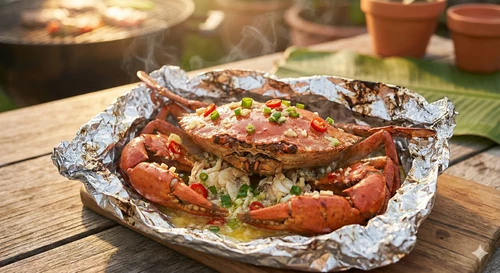
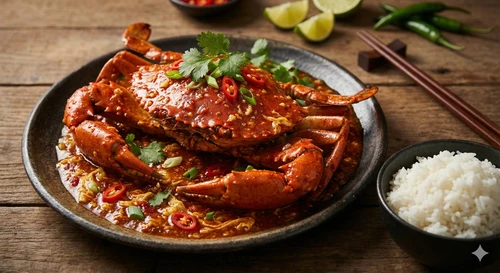
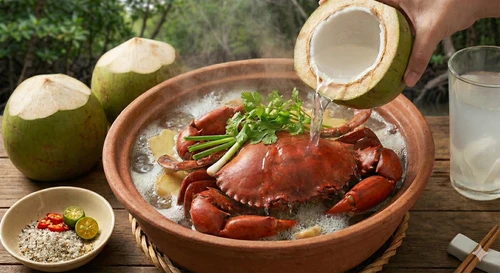
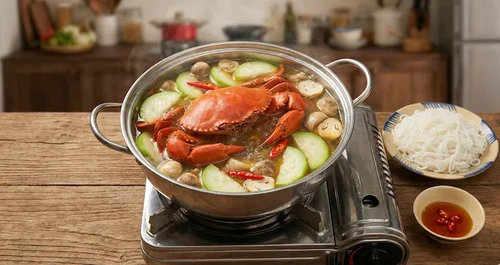
" Imagine the soul-warming embrace of a rich seafood bisque, but with the delightful chewiness of thick, slippery noodles. That's Bánh Canh Cua – Vietnam's answer to ultimate comfort food. "
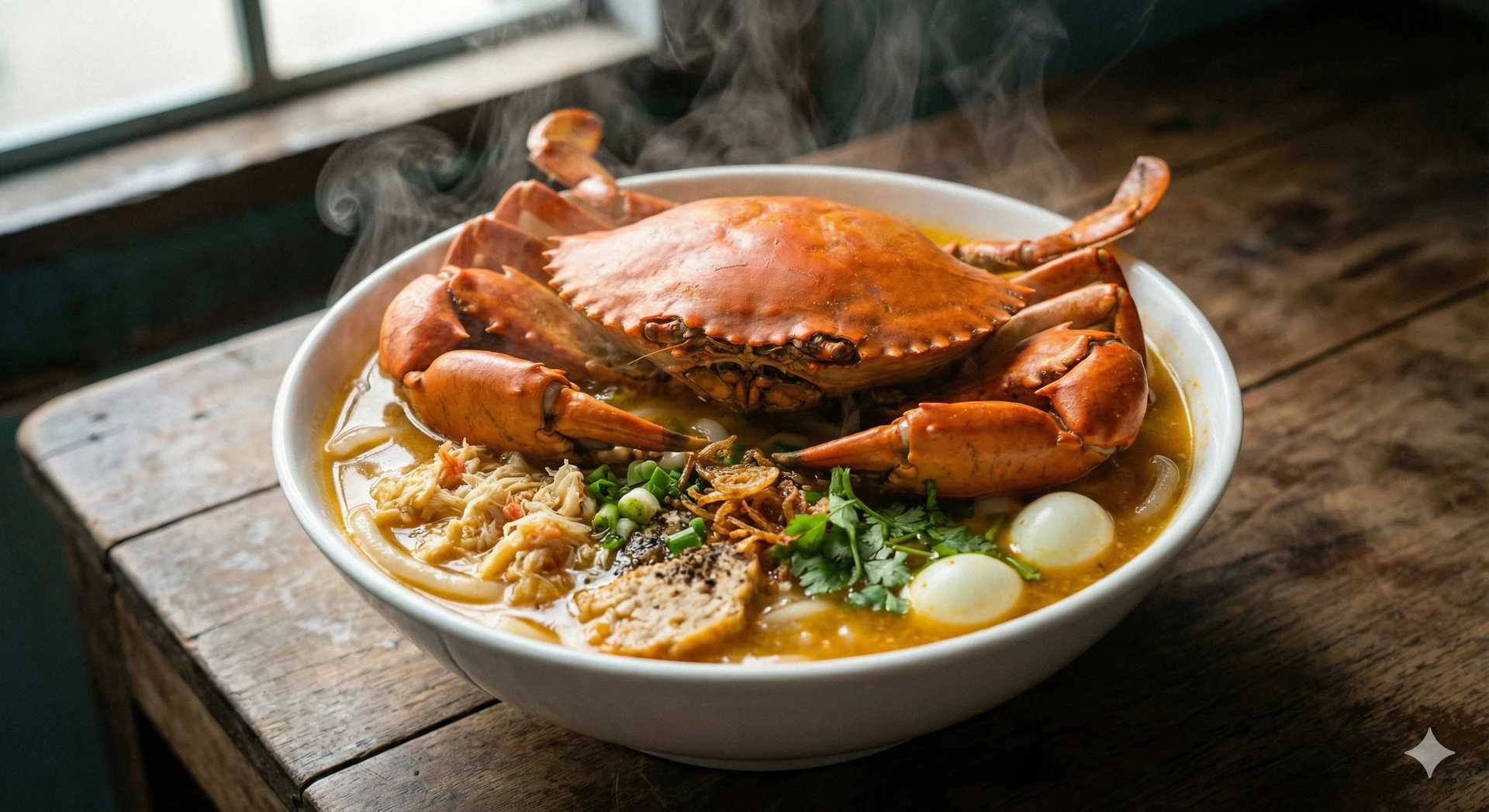
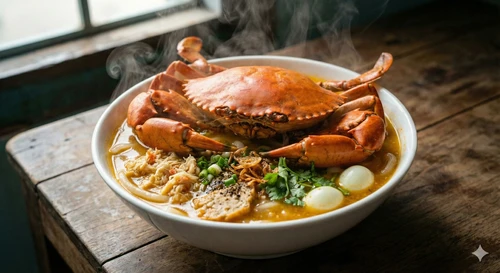
📸 The unmistakable orange hue of Bánh Canh Cua broth – a promise of rich flavor.
1 A Bowl of Saigon's Soul
Bánh Canh Cua is a beloved staple in Vietnamese cuisine, particularly popular in the bustling streets of Southern Vietnam, especially Saigon. Unlike the lighter, clearer broths of Phở or Bún Riêu, Bánh Canh Cua stands out with its signature thick, almost gravy-like consistency and a vibrant, reddish-orange hue derived from annatto seeds and crab roe.
It's a noodle soup that truly celebrates the ocean's bounty, combining the delicate sweetness of crab with the hearty depth of pork bones, all brought together by the unique texture of Bánh Canh noodles. These thick, round tapioca noodles are what give the dish its satisfying chew and help create that desirable viscous broth.
Did you know?
The word "Bánh Canh" refers to the specific type of thick noodle, usually made from tapioca flour, rice flour, or a mix of both. "Cua" simply means crab. So, literally, "Crab Noodle Soup."
2 Unlocking the Umami
For the Broth & Toppings
- Crab: 1-2 lbs (live blue crabs or snow crab legs work well).
- Pork Bones: 1 lb (pork hock or neck bones for rich stock).
- Shrimp: 0.5 lb (for extra sweetness, optional).
- Pork Hocks/Trotters: 0.5 lb (optional, for extra richness and gelatin).
- Shrimp & Pork Paste (Chả Giò Sống): For meatballs.
- Quail Eggs: Boiled (optional, common topping).
Aromatics & Seasoning
- Bánh Canh Noodles: 1 lb (fresh tapioca noodles are best).
- Annatto Seeds (Hạt Điều Màu): For color and subtle flavor.
- Shallots & Garlic: Minced.
- Fish Sauce (Nước Mắm): Essential seasoning.
- Sugar, Salt, Black Pepper: To taste.
- Garnishes: Green onions, cilantro, fried shallots, lime wedges, chili.
3 The Bánh Canh Cua Journey
Prepare the Stock
Blanch pork bones, then simmer with 3-4 liters of water for 1-2 hours for a rich broth. Skim impurities. Season lightly with salt and sugar.
Cook the Crab & Shrimp
Boil crabs until cooked (about 10-15 mins). Remove meat and save shells/carcasses. Boil shrimp until pink, peel, and reserve. Add crab shells back to the stock for more flavor.
Create the Crab Fat & Color
Sauté minced shallots in oil. Add annatto seeds to infuse color, then remove seeds. Stir in crab roe (if available) and some flaked crab meat. Set aside.
Thicken the Broth
Strain the pork and crab stock. Bring to a boil. Slowly whisk in a tapioca starch slurry (tapioca flour mixed with a little cold water) until the broth reaches a desired viscous consistency. Add the crab fat mixture.
Assemble & Serve
Cook bánh canh noodles according to package directions. In serving bowls, place noodles, top with crab meat, shrimp, pork slices (if using), quail eggs, and pork/shrimp paste meatballs. Ladle over the hot, thick broth. Garnish generously with chopped green onions, cilantro, fried shallots, lime wedges, and fresh chili.
Chef's Notes & Variations 👨🍳
Elevate your Bánh Canh Cua with these expert tips and regional twists.
Freshness is Key
Always use the freshest crab possible. The quality of your crab directly impacts the depth of flavor in your broth. Don't skimp!
Homemade Noodles
While store-bought are convenient, making your own Bánh Canh noodles (from tapioca flour) offers superior chewiness and freshness. It's a labor of love!
The Power of Pork Paste
Good quality shrimp and pork paste (chả giò sống) makes excellent meatballs that absorb the broth's flavor beautifully. Don't skip it if you can find it.
Regional Differences
Some versions of Bánh Canh Cua might include blood pudding (huyết) or fried fish cakes (chả cá) for added texture and flavor. Feel free to experiment!
Serve immediately with a side of fish sauce mixed with chili for dipping the crab meat, and plenty of fresh herbs.
Common Questions
🤔 Can I use frozen crab meat?
🍲 How do I achieve the perfect broth consistency?
🌶️ What's the best way to serve Bánh Canh Cua?
Craving Something Different?
If you love Vietnamese noodles, perhaps explore another iconic dish with fresh seafood and a lighter broth?
🍜 Discover Bún Mắm