1 The Mekong Delta: A Prawn Paradise
" Waterways are the lifeblood of the Mekong Delta, shaping its culture, its economy, and its incredible biodiversity. For generations, its fertile lands and intricate river systems have been a rich source of food, and in recent decades, a global powerhouse for aquaculture. "
Stretching across southern Vietnam, the Mekong Delta is a labyrinth of rivers, canals, and coastal areas that provides the perfect environment for cultivating high-value seafood. While rice paddies dominate much of the landscape, the brackish waters and coastal zones are prime real estate for shrimp and prawn farming, contributing significantly to Vietnam's status as a top global seafood exporter. Here, innovation isn't just encouraged; it's essential for survival and prosperity.
2 The Prawn's Greatest Enemy: Itself
For farmers, the relentless challenge with prawns, particularly species like the Giant Freshwater Prawn (Macrobrachium rosenbergii), has always been their aggressive nature. Especially as they grow larger, prawns become territorial and prone to fighting. The most formidable weapons? Their claws.
A common sight in traditional farming ponds is the evidence of these skirmishes: broken claws, injured limbs, and even the gruesome reality of cannibalism. When one prawn loses a claw, it becomes vulnerable. Other, more dominant prawns will often attack and consume the weakened individual, leading to significant losses in biomass and potential yield. This not only reduces the overall harvest but also increases the farmer's operational costs as they attempt to mitigate these losses.
Imagine a pond full of potential, constantly being whittled down by internal conflict. It’s a race against nature, where the strong prey on the weak, and the farmer bears the brunt of the lost investment.
Heritage Ingredient
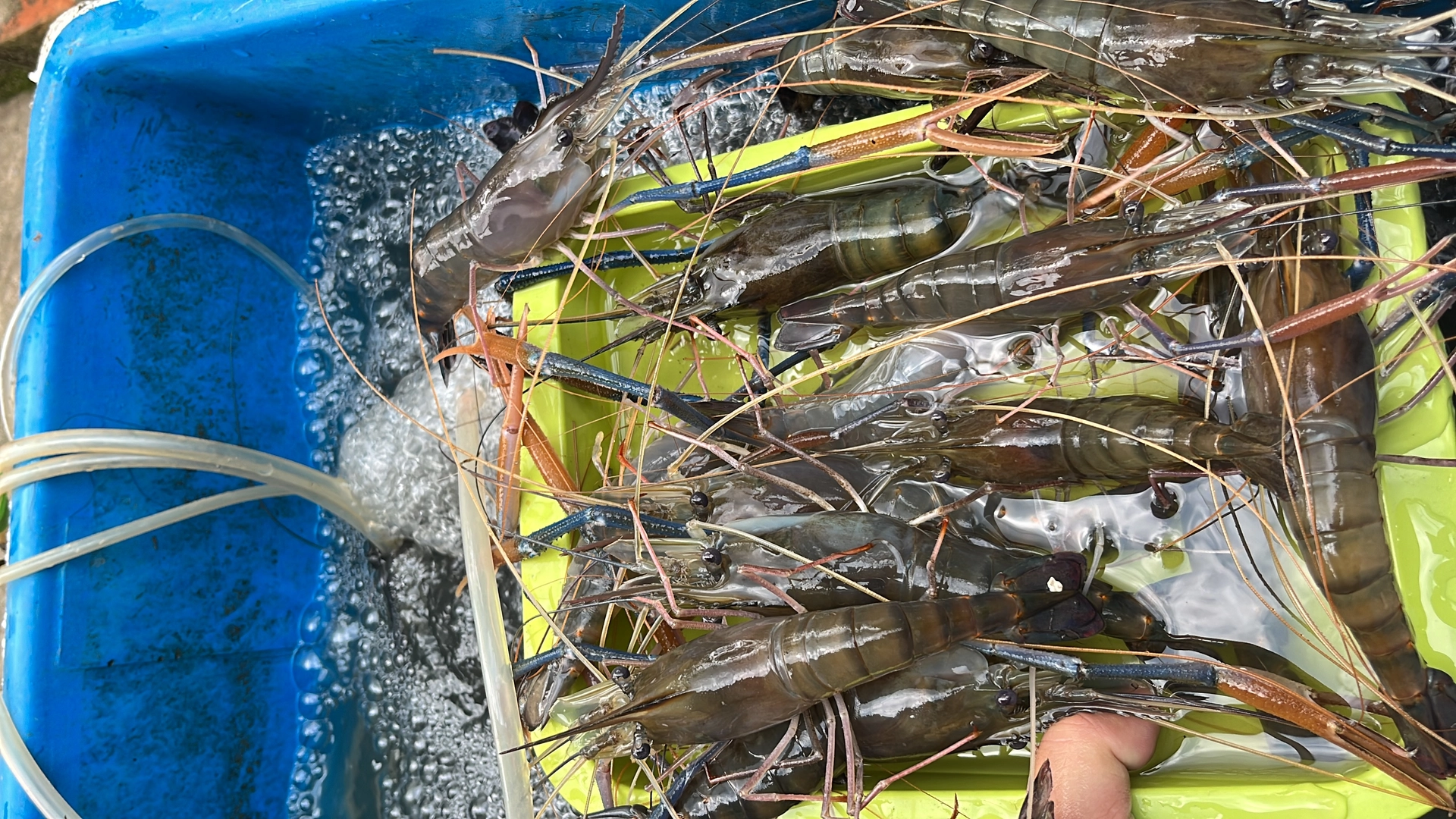
Mekong Giant Freshwater Prawn
Mekong Giant Freshwater Prawn
A river prawn with long blue claws and rich head fat, common in grilled prawn dishes and hotpot traditions across the Mekong basin.
Majestic blue-clawed warriors of the Mekong, famous for their rich, fatty heads and a savory depth that captures the essence of the delta's rivers.
📸 The iconic Giant Freshwater Prawn, known for its impressive blue claws—a formidable weapon.
3 The Breakthrough: All-Male Ponds
The solution, born from years of research and observation by dedicated aquaculture scientists and farmers in regions like Dong Thap province, is elegantly simple yet profoundly effective: focus solely on male prawns. Why males? Because male prawns, especially in species like the Giant Freshwater Prawn, tend to grow larger and faster than females, and crucially, they possess more pronounced claws.
By implementing selective breeding and advanced sex-reversal techniques early in the prawn's life cycle, farmers can create populations composed almost entirely of males. This shifts the pond dynamics dramatically. Without the same level of competition for mates and the distinct growth patterns of females, the male prawns can dedicate their energy almost exclusively to growth.
Faster Growth
Males reach market size quicker.
Larger Size
Achieve higher biomass per pond.
Reduced Cannibalism
Fewer fights, less predation.
4 The "Claw-Breaking" Secret
While creating all-male ponds significantly reduces aggression, the remaining claws still pose a problem. This is where the truly ingenious part of the technique comes in: carefully breaking the claws of juvenile prawns. This isn't about harming the animal; it's a surgical procedure designed to optimize growth and survival.
At a specific early stage of development, when the prawns are still relatively small and manageable, skilled technicians or farmers will manually remove or break the crushing claw. This is typically done with specialized tools or even a precise snip. The prawn will then naturally regenerate its claw as it molts. However, during the period without its primary weapon, its ability to inflict damage on tank mates is drastically reduced. This allows the prawn to focus its metabolic energy on muscle and shell growth rather than on maintaining and using its aggressive weaponry.
The result? Prawns that grow faster, larger, and with significantly less waste due to injury or predation. This single intervention transforms a pond from a battlefield into a productive farm.
Economic Windfall
This combination of all-male populations and claw-breaking has led to dramatic improvements in yield and profitability for farmers in the Mekong Delta. Ponds that once yielded a certain tonnage can now produce substantially more, often with fewer losses.
Increased Yield per Hectare
Studies and farmer reports show yield increases of 20-40% or more in all-male ponds compared to mixed-sex populations.
Reduced Input Costs
Fewer prawns lost to fighting means less feed wastage and lower mortality rates.
The success of this method has solidified Vietnam's position in the global prawn market, making prawns from the Mekong Delta a highly sought-after commodity for consumers worldwide who value quality and sustainable aquaculture practices.
6 Navigating the Future
While the all-male, claw-breaking technique is a triumph, the aquaculture industry in the Mekong Delta continually faces new challenges. Climate change, the need for disease management, and evolving market demands require ongoing innovation.
Researchers are exploring even more precise methods of sex determination and investigating the long-term effects of such intensive farming practices. The goal remains to produce high-quality prawns sustainably, ensuring the economic well-being of farming communities while safeguarding the delicate ecosystem of the Mekong Delta.
The story of all-male prawn farming is a testament to the ingenuity of Vietnamese farmers and scientists, transforming a challenging natural behavior into a pathway for unprecedented economic success. It's a compelling example of how understanding the biology of an organism can lead to breakthroughs that benefit both producers and consumers.
Heritage Ingredient
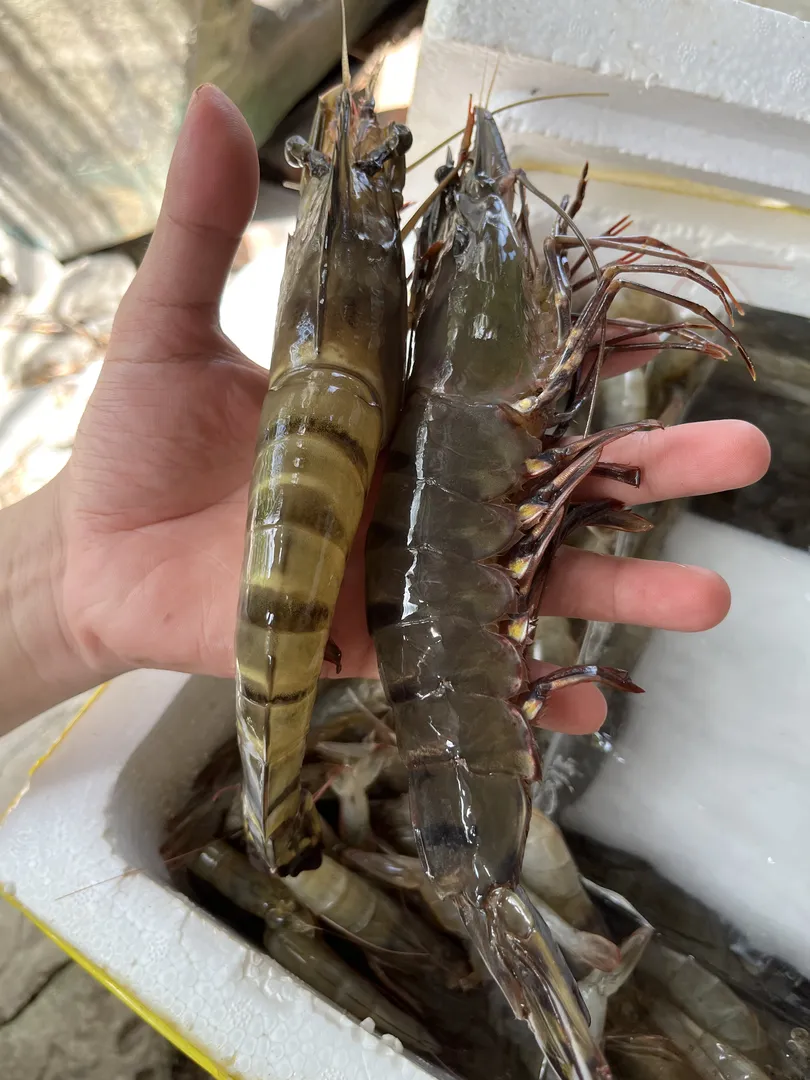
Ca Mau Black Tiger Shrimp
Ca Mau Black Tiger Shrimp
Large black tiger shrimp associated with mangrove aquaculture in Ca Mau, known for firm flesh and a cleaner, sweeter finish than intensively farmed shrimp.
Wild spirits of the mangroves, these black-banded gems deliver a firm, snappy texture and a sweetness that echoes the forest's vibrant life.
📸 While this article focuses on Giant Freshwater Prawns, the Mekong Delta is diverse, also producing prized species like Black Tiger Shrimp.
7 Insights from the Delta
🔬 What is sex reversal in prawns?
⚖️ How is claw-breaking done precisely?
🌱 Are there ethical concerns with this method?
More on Aquaculture & Mekong Flavors
View More Buyer's Guide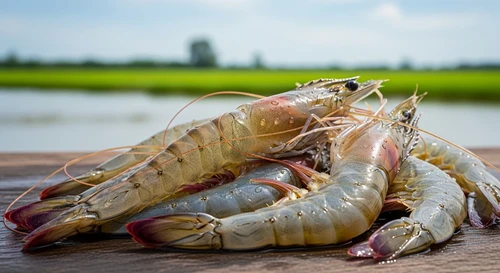
VietGAP Certified Whiteleg Shrimp Farming Model Earns Tens of Billions
Mekong Delta farmers transform by applying microbiological technology and water recirculation to help shrimp survive and yield high production.
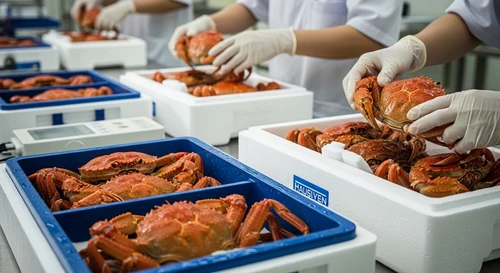
Live Ca Mau Crabs Flown First Class to Tokyo Restaurants
The incredible logistics of transporting live, premium roe crabs via air freight to supply high-end Japanese sushi bars.
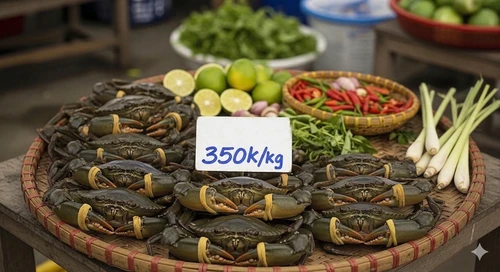
Price Guide: How Much Should You Pay?
Average prices for different types of Ca Mau crabs.
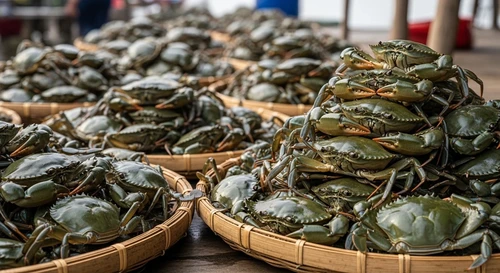
Heavy Rains in Ca Mau Trigger Massive Crab Harvests
Lowered salinity levels from early monsoons encourage crab foraging and molting, resulting in a sudden spike in market supply.
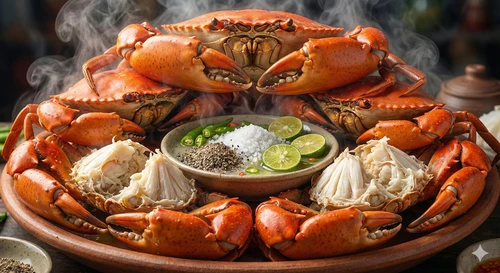
Safe Eating: Avoiding Food Poisoning
What not to eat with crab (Persimmons, Tea?).
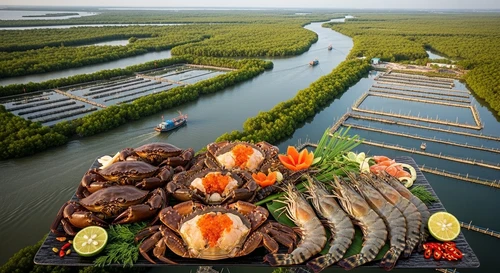
Vietnam's Seafood Export Goals for 2026: A $10 Billion Vision
Economic insights into how premium products like mud crabs and tiger shrimp are driving Vietnam's agricultural economy.
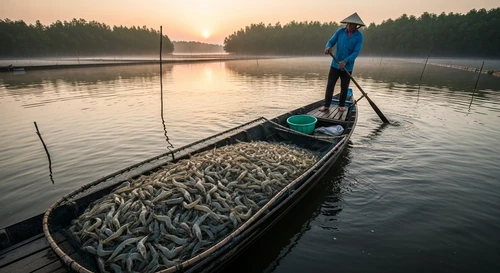
Vietnamese Shrimp Exports to the US Face Anti-Dumping Tariffs
An update on international trade policies and how local whiteleg shrimp farmers are adapting to new tax regulations.
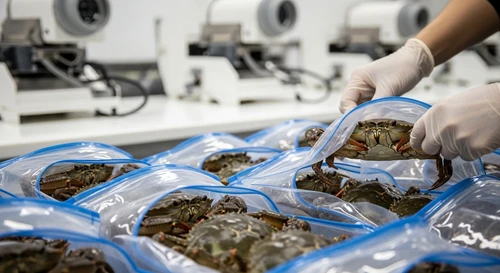
Exploring the Packaging Line for Live Crabs Injected with Ozone Directly for Overseas Shipment
Packaging technology using medical oxygen and ozone sterilization helps live crab shipments survive 100% during a 24-hour long flight.
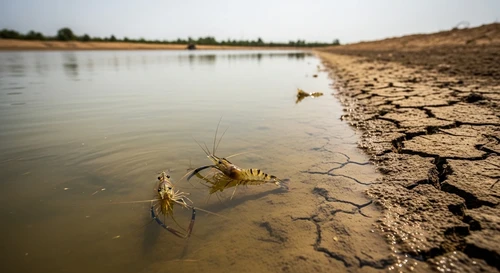
Risk of Complete Crop Failure for Semi-Intensive Tiger Prawn Farming Due to El Niño Salinity Intrusion
Climate change causes saltwater to intrude deep into the inland Mekong Delta, causing thermal shock and mass die-offs of prawns in ponds.