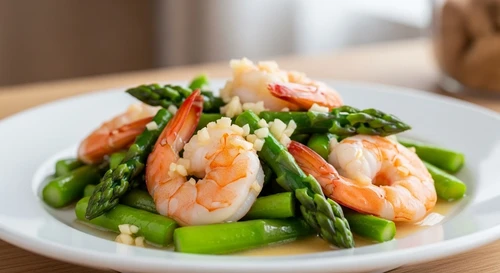
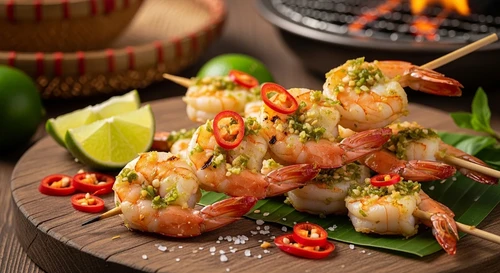
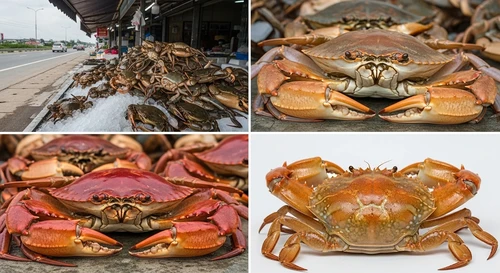
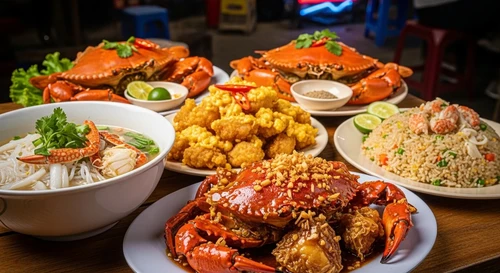
" In the salty embrace of the Mekong Delta, life revolves around the ebb and flow of the tides. The waters here, rich with the lifeblood of this immense river system, yield some of the most exquisite seafood on earth. While Korea has its legendary Ganjang Gejang – raw crab marinated in soy sauce – imagine what happens when that soulful Korean technique meets the vibrant, briny blues of Vietnamese Blue Swimmer Crabs, fresh from the coastal farms and estuaries of places like Ca Mau. It's a collision of culinary worlds, a dance of brine and umami that, frankly, will ruin you for plain rice forever. "
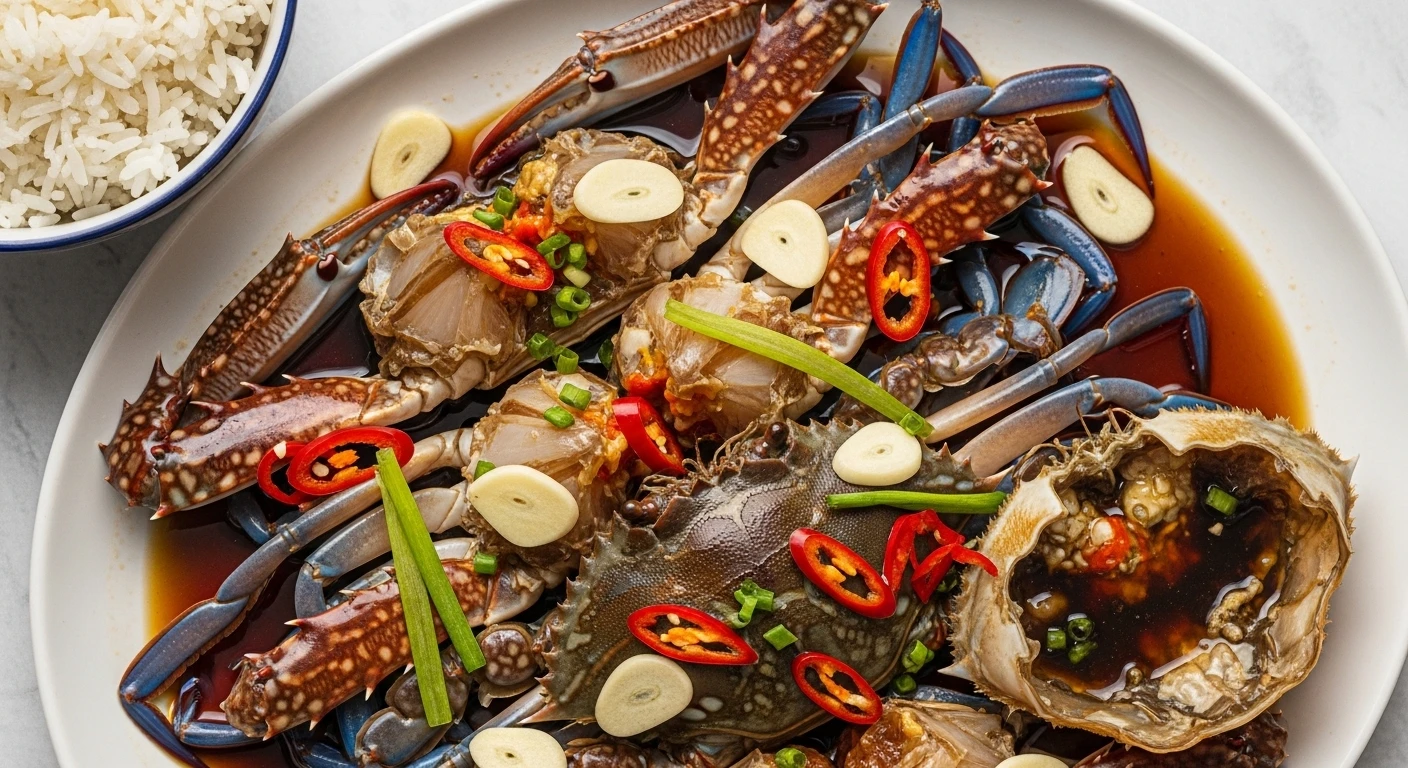
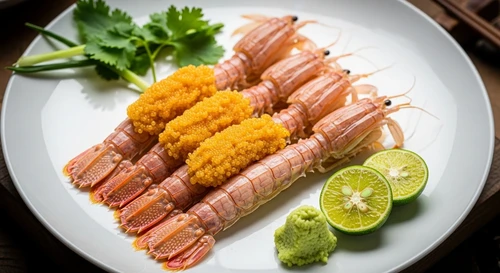
📸 The "Rice Thief" is ready: A beautiful rendition of Ganjang Gejang using local crabs.
1 The Alchemy of Soy and Sea
Ganjang Gejang, often dubbed the "rice thief" in Korea, is a dish that commands respect. The magic lies in its simplicity: fresh, raw crabs "cooked" (or more accurately, cured) in a rich, savory soy sauce marinade. The texture transforms into something sublime – jelly-like, yielding, with a concentrated burst of oceanic sweetness amplified by the salty, umami-laden marinade.
This is where the Mekong Delta truly shines. Its sprawling network of rivers, canals, and coastal waters is an unparalleled source of world-class crustaceans. While mud crabs (the ubiquitous cua) are king for steaming and grilling, the cleaner, more delicate flavors of Blue Swimmer Crabs, often caught in brackish estuaries, are perfect for raw preparations. They possess a sweetness and a tender, almost buttery texture that sings when bathed in a properly balanced soy marinade.
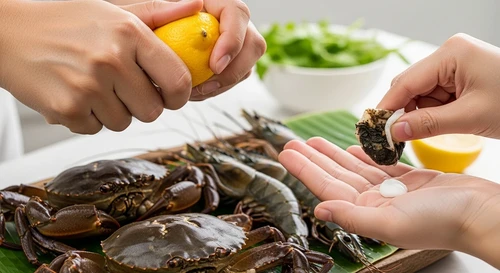
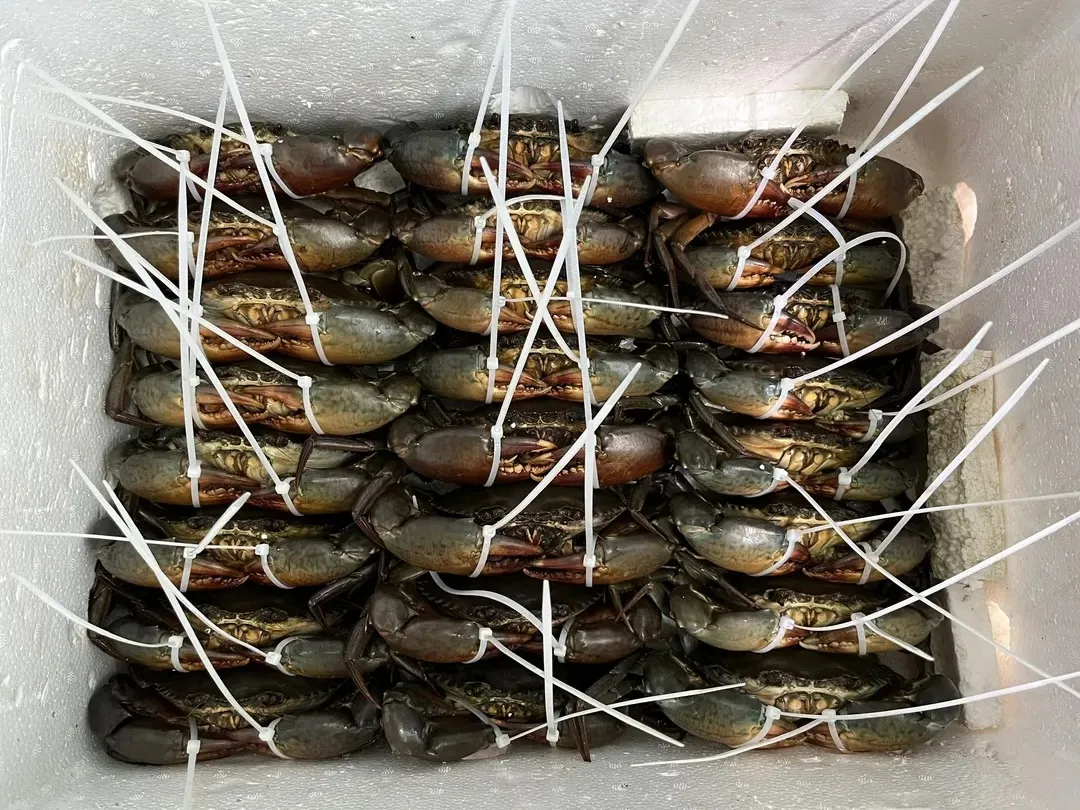
The key is freshness. For Ganjang Gejang, the crab must be alive and kicking, straight from the water, no more than a few hours old. In the Mekong, local fishermen and aquaculture farmers understand this intimately. They know the prime spots, the right tides, and the quickest routes to market.
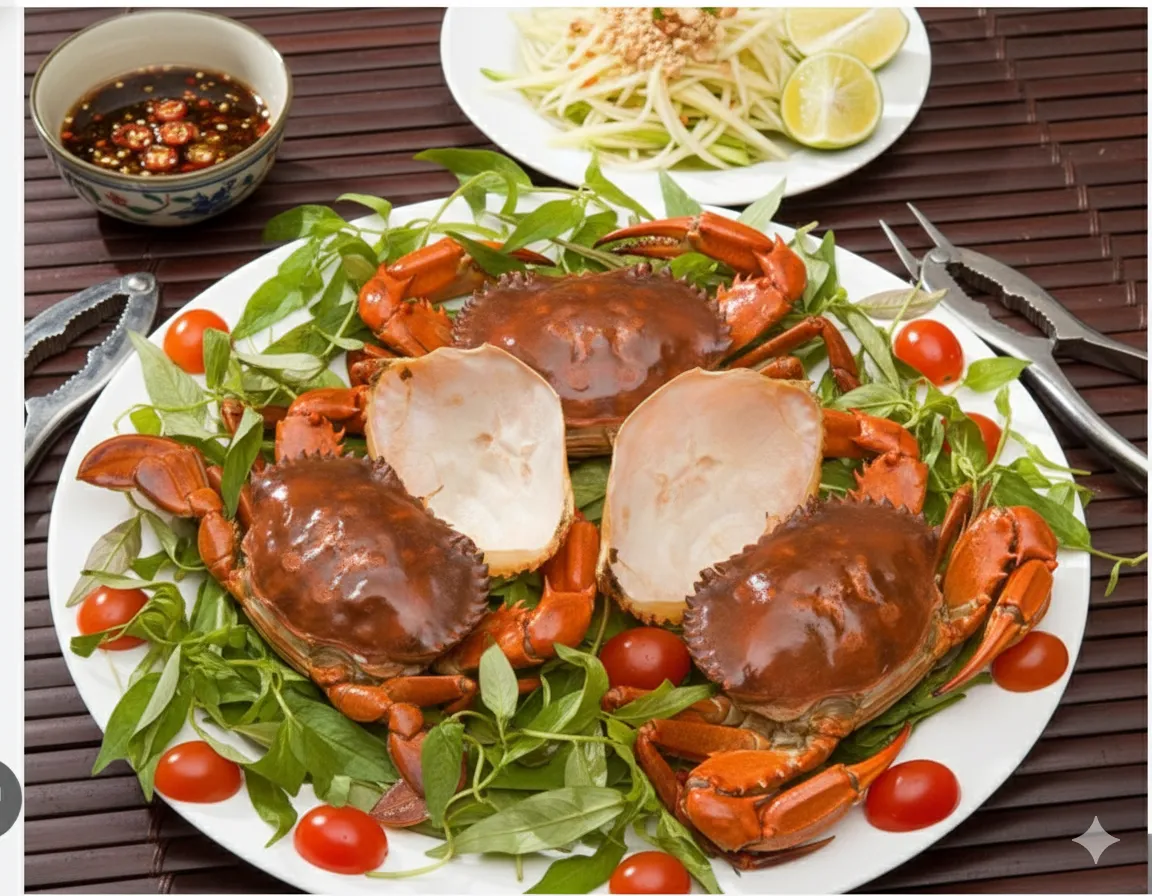
When selecting crabs for this dish, look for lively specimens. In Korea, specific types of blue crabs are preferred. Here, the 'Blue Swimmer' variety, known for its vibrant shell color and sweet meat, is ideal. Some might even opt for the molting crabs (Cua Com), which offer a softer shell and a unique, almost custard-like interior, providing an even more luxurious texture when marinated.
2 The Symphony of Soy, Sweetness, and Spice
The Ganjang (soy sauce) marinade is where the soul of this dish truly resides. It’s not just about saltiness; it’s a careful orchestration of flavors.
The Base
A blend of high-quality soy sauce (Korean soup soy sauce, Guk-ganjang, is traditional for its cleaner, less sweet profile, but good quality Vietnamese soy sauce works too). Some recipes use a mix of soy sauce and fish sauce, which is a delightful Mekong twist, adding a layer of fermented depth.
The Sweetness
A touch of sweetness is crucial to balance the salt. This can come from rice wine, honey, or a mild sweetener like agave or even a spoonful of Vietnamese palm sugar (đường thốt nốt).
The Aromatics
Garlic is non-negotiable – thinly sliced. Ginger adds a subtle warmth. Green onions or chives lend a fresh bite. Some add a hint of chili for a gentle kick.
The "Cooking" Agent
Rice wine (soju or a good quality rice wine) or mirin is often added. It helps tenderize the crab and adds another layer of flavor.
The process of marinating is as important as the ingredients. The crab is typically cleaned, segments are trimmed, and then it is submerged in the marinade for several hours, or even overnight, in the refrigerator. The key is to let the flavors penetrate without "cooking" the crab too much, preserving that coveted jelly-like texture.
3 From Estuary to Elegance
Here's how you can bring this fusion of Korean technique and Mekong ingredients to your own kitchen. Remember, the goal is to highlight the crab's natural sweetness, enhanced by the marinade.
The Stars of the Show
- 2-3 Live Blue Swimmer Crabs (approx. 250-300g each): Ensure they are very fresh. If you can get Cua Com (molting crab), even better for that melt-in-your-mouth texture.
- Freshwater Crab: If Blue Swimmer crabs are unavailable, a very fresh freshwater crab from the Mekong can work, but the flavor profile will be different – often less briny.
The Marinade Magic
- Soy Sauce: 1 cup (use a good quality, ideally Korean soup soy sauce or a light Vietnamese soy sauce).
- Fish Sauce: 1/4 cup (optional, for added Mekong depth).
- Rice Wine/Soju/Mirin: 1/2 cup.
- Water: 1/2 cup.
- Sugar: 2-3 tbsp (adjust to taste; Vietnamese palm sugar is a great choice).
- Garlic: 6-8 cloves, thinly sliced.
- Ginger: 1-inch piece, thinly sliced.
- Green Onion: 2-3 stalks, white and green parts, sliced.
- Fresh Chili: 1-2, sliced (optional).
Step-by-Step to Umami Bliss:
Prepare the Crabs
Carefully clean the crabs. Remove the apron (underside flap), lift the shell, and discard the gills and spongy "lungs". Rinse thoroughly under cold running water. Trim any sharp bits from the shell and legs. Some prefer to cut the crabs in half lengthwise if they are large, exposing the interior more to the marinade. If using Cua Com, handle gently to preserve the soft shell.
Mix the Marinade
In a bowl, combine soy sauce, fish sauce (if using), rice wine, water, sugar, sliced garlic, ginger, green onion, and chili. Stir well until the sugar dissolves.
Marinate the Crabs
Place the prepared crabs snugly in a clean glass or ceramic container. Pour the marinade over them, ensuring they are fully submerged. Cover tightly with plastic wrap or a lid.
Chill and Cure
Refrigerate for at least 8 hours, or preferably 12-24 hours. The longer it marinates, the more intense the flavor and the softer the crab texture will become. Turn the crabs occasionally to ensure even marination.
4 The Verdict: A Spoonful of Heaven
Serving Ganjang Gejang is an experience. It's not meant to be a sprawling feast, but rather an intensely satisfying accompaniment to plain, steamed white rice.
Carefully remove the crabs from the marinade. Discard the solid aromatics. You can serve them whole or cut in half. Serve with bowls of steaming hot rice. The magic happens when you squeeze the crab's meat and roe (if present) directly onto the rice, mixing it with a bit of the potent marinade. The sticky rice absorbs the rich, salty, slightly sweet, and oceanic flavors, making it utterly irresistible. You'll find yourself going back for more rice, again and again – hence, the "rice thief."
The marinade itself is liquid gold. Don't discard it! It can be repurposed to add incredible depth to other dishes – stir-fried vegetables, braised tofu, or even as a base for a flavorful soup.
For those in the Mekong Delta, this dish is a testament to the region's incredible natural larder and its people's ability to adapt and honor global culinary traditions with local flair. It’s a taste of the sea, elevated by a masterful hand.
Heritage Ingredient
Soft-Shell Butter Crab (Molting Crab)
Soft-Shell Butter Crab (Molting Crab)
A rare molting mud crab from Ca Mau, valued for its edible soft inner shell and exceptionally creamy roe, making it the closest local equivalent to soft-shell crab concepts familiar abroad.
Nature's rare masterpiece—a delicate transition where a soft inner layer protects golden, custard-like roe in a fleeting moment of flavor.
Heritage Ingredient
Export-Grade Ca Mau Roe Crab
Export-Grade Ca Mau Roe Crab
A carefully sorted roe crab selected for size, shell quality, and roe consistency, suitable for explaining premium grading in Vietnamese crab culture.
The pinnacle of perfection—pristine shells and bursting roe, meticulously selected to conquer the hearts of global gourmets.
5 Beyond the Brine: Exploring Mekong Flavors
The Mekong Delta is a cornucopia of culinary experiences. While Ganjang Gejang is a nod to Korean tradition, the region boasts its own unique seafood preparations that deserve exploration. From the complex fermented flavors of Ba Khia (fermented mangrove crab) to the sweet, concentrated taste of sun-dried shrimp (Tom Kho) used in vibrant salads, the Delta's food culture is as rich and diverse as its waterways.
Consider the Mekong Giant Freshwater Prawn (Tom Cang), with its impressive claws and rich head fat, often grilled to smoky perfection. Or the myriad of freshwater fish, like the elusive Mudskipper (Ca Thoi Loi), a delicacy in coastal areas, often simply grilled with chili salt. These ingredients, fresh from the rich, alluvial soil and brackish waters, form the backbone of daily life and celebratory meals.
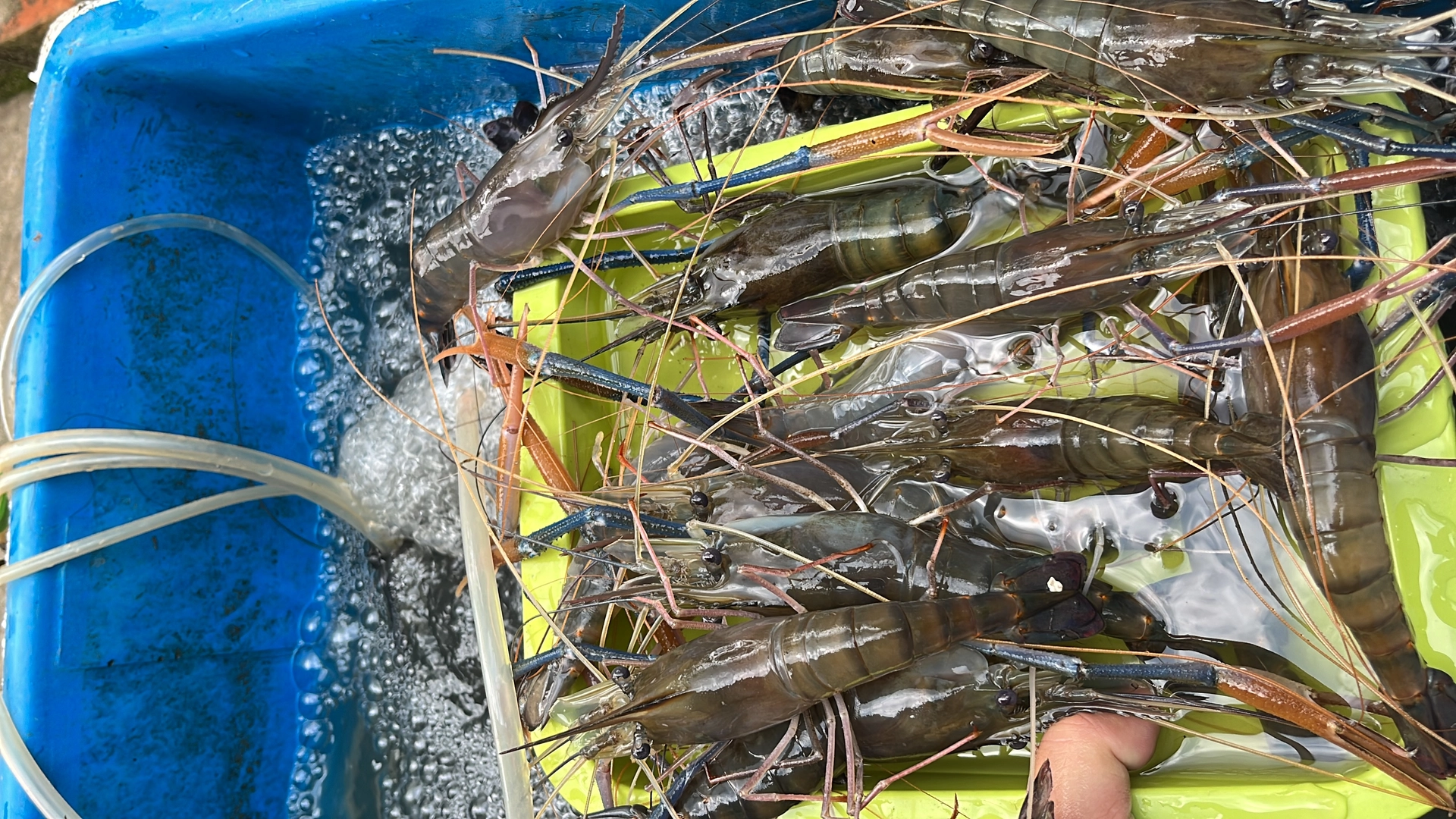
Heritage Ingredient
Mekong Giant Freshwater Prawn
Mekong Giant Freshwater Prawn
A river prawn with long blue claws and rich head fat, common in grilled prawn dishes and hotpot traditions across the Mekong basin.
Majestic blue-clawed warriors of the Mekong, famous for their rich, fatty heads and a savory depth that captures the essence of the delta's rivers.
6 Insider Secrets for Perfect Gejang
- Freshness is Paramount: I cannot stress this enough. The crab must be alive. If you have any doubt about freshness, do not use it for raw preparations.
- The Right Soy Sauce Matters: For authentic Ganjang Gejang, Korean soup soy sauce (Guk-ganjang) is key. It’s saltier and less sweet than regular soy sauce. If using Vietnamese soy sauce, opt for a lighter variety and adjust sweetness accordingly.
- Don't Over-Marinate: While longer marination means more flavor, overdoing it can turn the crab mushy. Taste your marinade after 8 hours and adjust.
- Consider the Crab Type: Blue Swimmer crabs offer a cleaner, brinier flavor and a tender texture. Molting crabs (Cua Com) provide an exceptional, almost creamy interior.
- Safety First: Since this is a raw dish, meticulous hygiene is crucial. Ensure all tools and containers are clean, and the crabs are impeccably fresh.