1 The Mekong Delta's Shrimp Heartland
" Forget abstract trade figures for a moment. Picture this: vast mangrove forests fringing the coast, the air thick with salt and the promise of the sea. This is where the story of Vietnamese shrimp truly begins, far from the sterile shipping containers and bureaucratic spreadsheets. "
The Mekong Delta, Vietnam's "rice bowl," is also its undisputed aquatic larder. For generations, coastal communities here have lived in symbiosis with the sea and its brackish waterways. It is this deep-rooted connection, coupled with modern aquaculture practices, that has allowed Vietnam to become a global powerhouse in shrimp production, particularly for the discerning European market. The focus isn't just on volume; it's on quality, sustainability, and a unique terroir that defines Vietnamese shrimp.
Heritage Ingredient
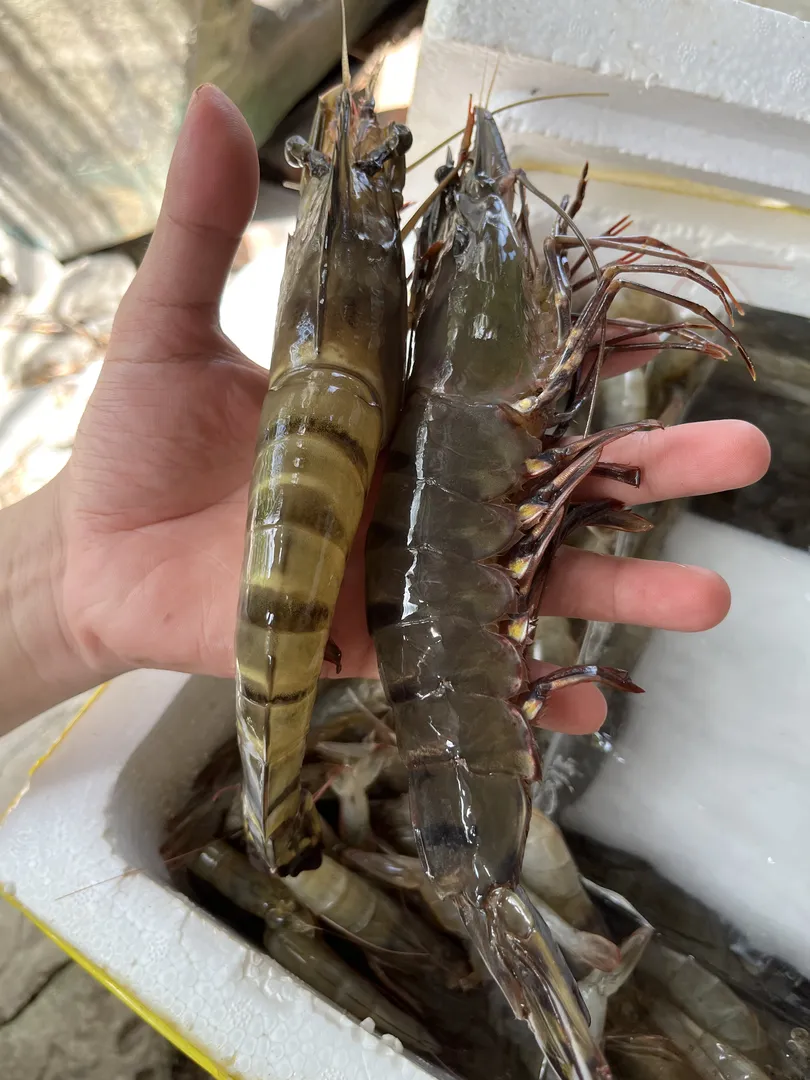
Ca Mau Black Tiger Shrimp
Ca Mau Black Tiger Shrimp
Large black tiger shrimp associated with mangrove aquaculture in Ca Mau, known for firm flesh and a cleaner, sweeter finish than intensively farmed shrimp.
Wild spirits of the mangroves, these black-banded gems deliver a firm, snappy texture and a sweetness that echoes the forest's vibrant life.
2 EVFTA: The Gateway to Europe
The European Union is one of the largest seafood markets in the world, characterized by high consumer standards and a strong demand for premium products. For Vietnamese shrimp exporters, the European Union–Vietnam Free Trade Agreement (EVFTA), which came into effect in August 2020, has been a game-changer. This landmark trade deal significantly reduces tariffs and streamlines customs procedures, making Vietnamese shrimp more competitive than ever before.
Tariff Reductions
Under the EVFTA, tariffs on many Vietnamese shrimp products entering the EU have been eliminated or drastically reduced, giving Vietnamese exporters a significant price advantage over competitors from countries without similar trade agreements.
Quality & Standards
The EVFTA also emphasizes adherence to high standards for food safety, environmental protection, and labor rights. This aligns perfectly with the Vietnamese government's commitment to sustainable aquaculture and has helped build consumer trust in the EU.
This strategic trade partnership has not only boosted export volumes but has also pushed Vietnamese producers to further enhance their quality control and traceability, ensuring that the shrimp reaching European dinner tables are not only delicious but also safe and responsibly sourced.
3 The Rise of Vietnamese Tiger Shrimp
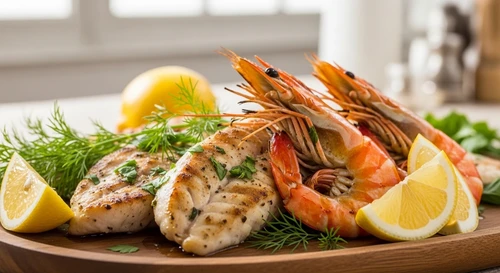
Among the various shrimp species exported from Vietnam, the Black Tiger Prawn (Penaeus monodon) has emerged as a star performer in the EU market. Known for its distinctive dark stripes, firm texture, and sweet, clean flavor, this species is particularly favored by European chefs and consumers seeking a premium seafood experience.
Superior Taste and Texture
Their firm flesh holds up well to various cooking methods, and the natural sweetness is a hallmark of quality.
Sustainable Farming Practices
Many Vietnamese Black Tiger Shrimp are farmed in integrated mangrove systems, promoting biodiversity and natural filtration, which appeals to the environmentally conscious EU consumer.
The dominance of Vietnamese Black Tiger Shrimp in the Q1 2026 market is a testament to years of investment in sustainable aquaculture, stringent quality control, and the strategic advantage provided by the EVFTA. Vietnamese exporters have successfully positioned their shrimp not just as a commodity, but as a premium product with a story of origin and responsibility.
Heritage Ingredient
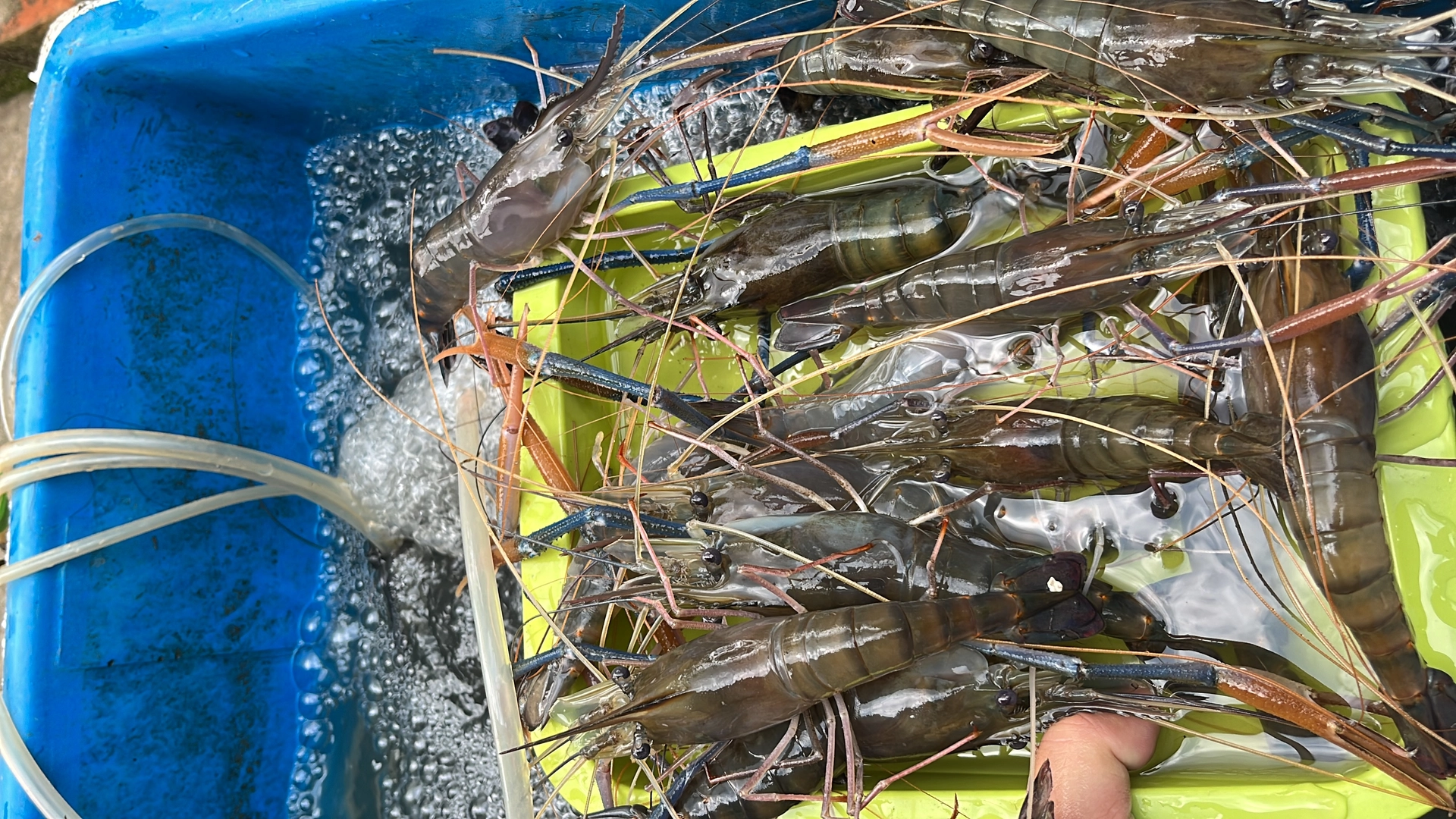
Mekong Giant Freshwater Prawn
Mekong Giant Freshwater Prawn
A river prawn with long blue claws and rich head fat, common in grilled prawn dishes and hotpot traditions across the Mekong basin.
Majestic blue-clawed warriors of the Mekong, famous for their rich, fatty heads and a savory depth that captures the essence of the delta's rivers.
4 Navigating the Waves: Challenges and Opportunities
While the picture for Q1 2026 is overwhelmingly positive, the path to market leadership is never without its challenges. The global seafood industry is dynamic, subject to fluctuating environmental conditions, evolving consumer preferences, and intense international competition.
Environmental Pressures
Climate change, disease outbreaks, and the need for continuous adaptation in aquaculture require constant vigilance and investment in resilient farming techniques.
Growing Demand for Sustainable Seafood
The EU market's increasing focus on sustainability presents a significant opportunity for Vietnamese producers who can clearly demonstrate their eco-friendly practices, such as mangrove-integrated farming.
Logistical Complexities
Maintaining the cold chain from farm to fork across vast distances requires sophisticated logistics and strict adherence to international shipping regulations.
Traceability and Certifications
Consumers are increasingly demanding transparency. Vietnamese producers who invest in robust traceability systems and obtain international certifications (like ASC or BAP) will further solidify their market position.
More Than Just Shrimp: A Culinary Connection
The dominance of Vietnamese shrimp in the EU market isn't just an economic story; it's a narrative about taste, quality, and the increasing global appreciation for the distinct flavors of the Mekong Delta. Consumers are getting access to shrimp that not only meets their expectations for size and appearance but also offers a superior, cleaner taste derived from thoughtful cultivation.
Premium Quality
Consistently high standards ensure a premium product for cooking and dining.
Sustainable Choice
Many Vietnamese shrimp farms contribute to mangrove conservation and biodiversity.
As trade ties strengthen and sustainability becomes paramount, expect Vietnamese shrimp to continue its ascent, bringing the authentic taste of the Mekong Delta to plates across Europe.
6 Beyond Tiger Shrimp: A Taste of the Delta
While the Black Tiger Prawn shines on the international stage, the Mekong Delta's aquatic bounty is far richer. This region is a treasure trove of unique seafood and culinary traditions that deserve wider recognition.
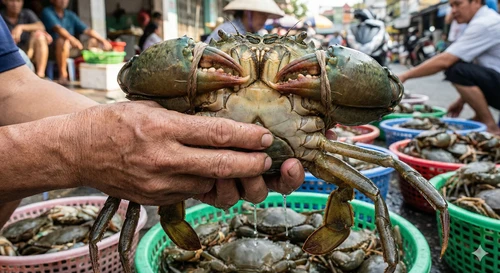
Mangrove Crabs
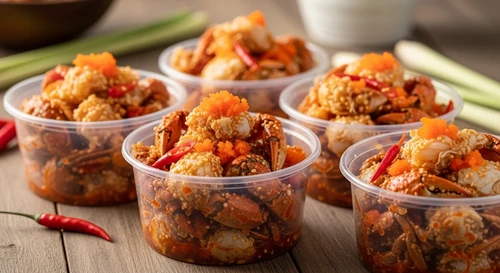
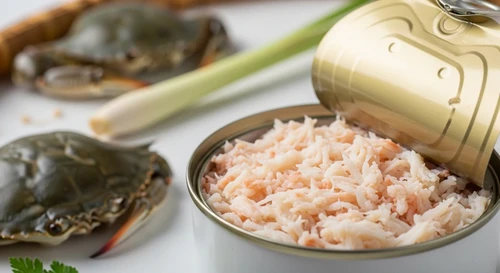
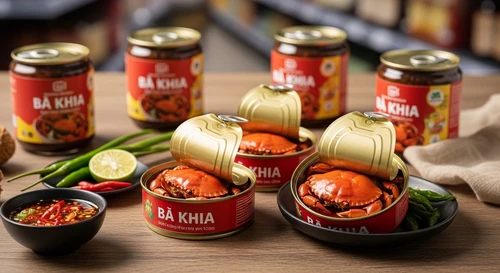
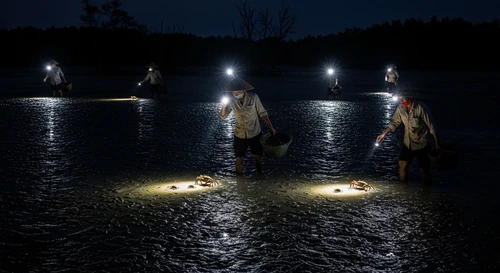
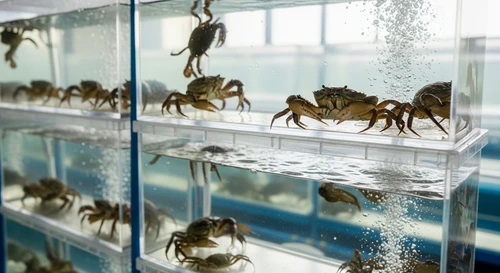
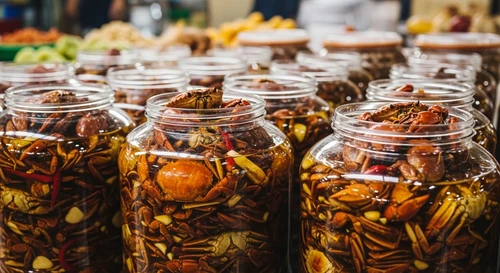
The coastal areas, particularly Ca Mau, are renowned for their mud crabs, prized for their dense, sweet meat and rich roe. These are often prepared simply, steamed or grilled, to let their natural flavors sing.
Heritage Ingredient
Ca Mau Black Tiger Shrimp
Ca Mau Black Tiger Shrimp
Large black tiger shrimp associated with mangrove aquaculture in Ca Mau, known for firm flesh and a cleaner, sweeter finish than intensively farmed shrimp.
Wild spirits of the mangroves, these black-banded gems deliver a firm, snappy texture and a sweetness that echoes the forest's vibrant life.
River Prawns & Fish
Inland waterways teem with freshwater prawns known for their distinct blue claws and rich head fat, and a variety of fish like the Featherback, a staple for savory fish cakes.
Heritage Ingredient
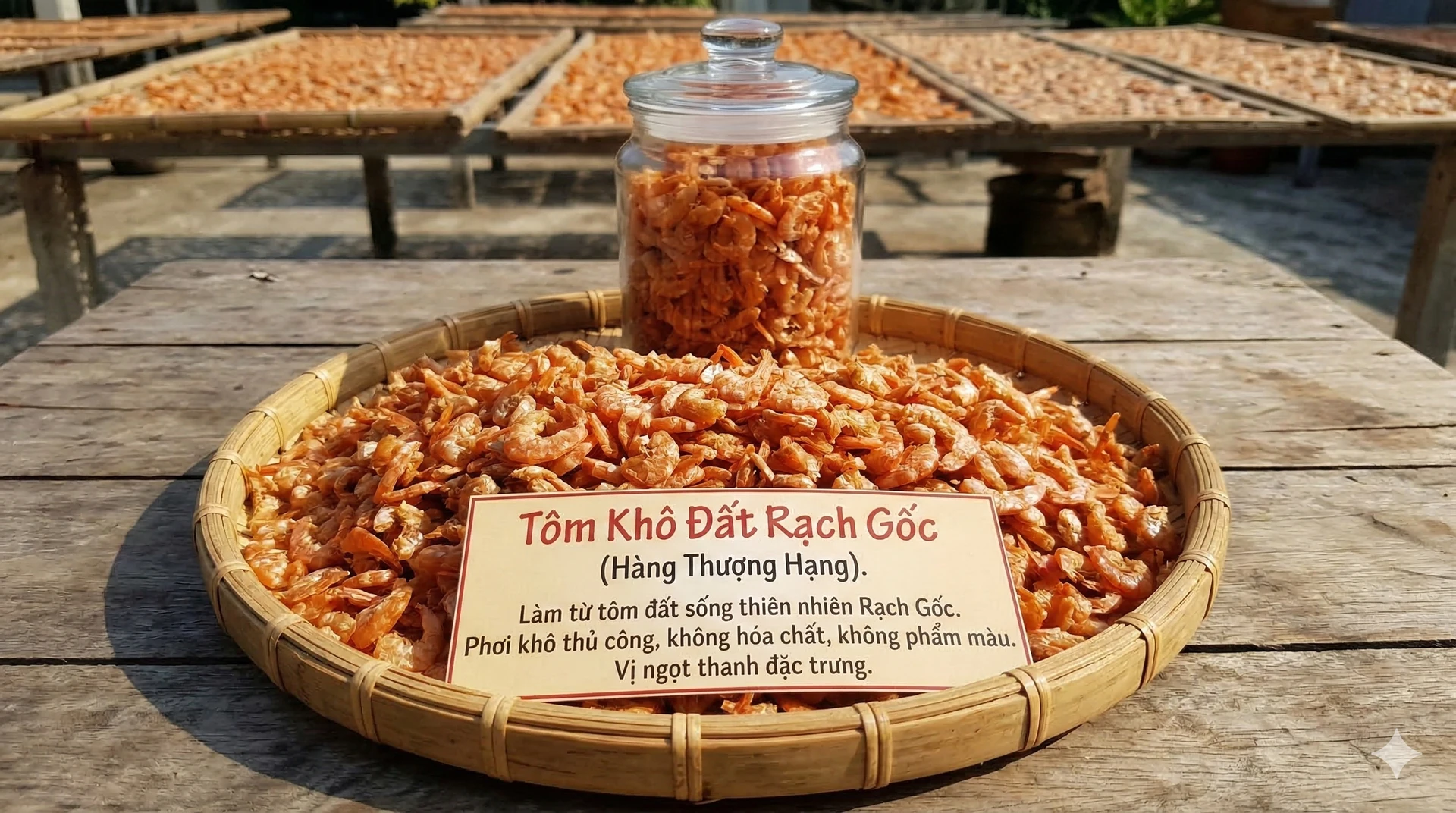
Sun-Dried Wild Shrimp from Rach Goc
Sun-Dried Wild Shrimp from Rach Goc
Traditional dried shrimp made from small wild shrimp, valued for natural sweetness and commonly used in Vietnamese salads, soups, and festive dishes.
Concentrated sunlight and sea salt in every bite, these crimson gems offer a deep, umami sweetness that whispers tales of Rach Goc's golden shores.
Exploring these diverse offerings reveals the true depth of the Mekong Delta's culinary heritage, a heritage that is increasingly finding its way onto global menus through export channels.
7 Looking Ahead: Sustaining Dominance
The Q1 2026 market performance is a strong indicator, but sustaining this leadership requires a forward-thinking approach. Vietnam's strategy appears to be focused on value addition, advanced farming technologies, and deeper integration into global supply chains.
Continued investment in research and development for disease resistance, feed efficiency, and environmental sustainability will be crucial. Furthermore, tapping into niche markets within the EU that demand specific product attributes, such as organic or wild-caught alternatives, could open new avenues for growth.
The EVFTA provides the framework, but it is the dedication to quality, sustainability, and the unique flavors of the Mekong Delta that will ensure Vietnam remains a dominant force in the European shrimp market for years to come.
The Final Catch
The Q1 2026 dominance of Vietnamese tiger shrimp in the EU market is more than just an economic triumph; it's a celebration of the Mekong Delta's rich seafood heritage, enhanced by strategic trade agreements and a commitment to quality. As consumers increasingly seek ethically sourced, high-quality seafood, Vietnam is perfectly positioned to meet this demand, offering a true taste of its vibrant waters.