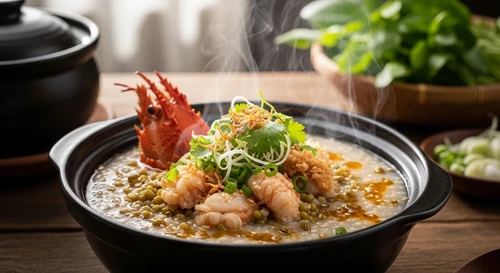
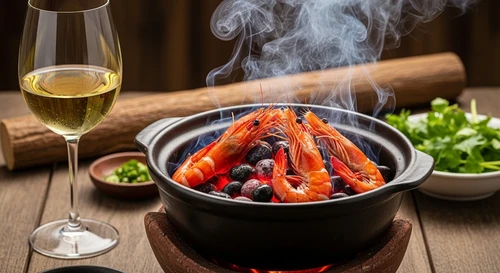
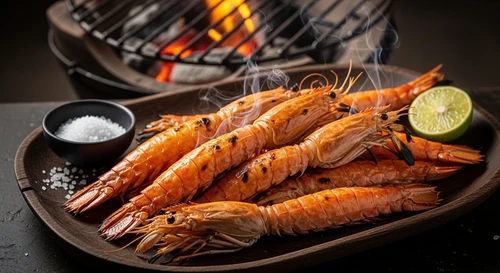
" Forget delicate steaming. Forget subtle whispers of flavor. Typhoon Shelter Crab is a culinary declaration. It’s a glorious, unashamed assault on the senses, where garlic reigns supreme and the crab, once the star, becomes a vessel for something even more magnificent. "
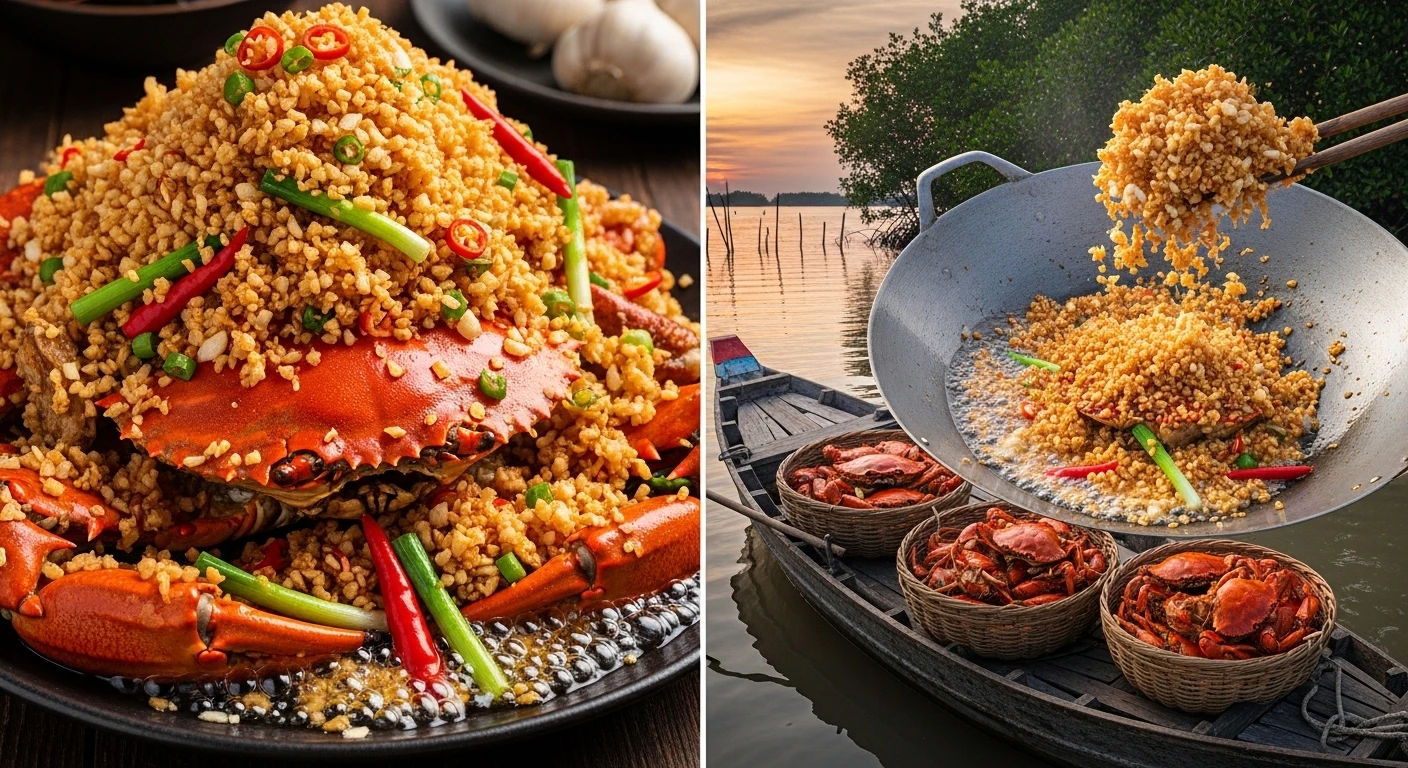
📸 The legend: A treasure trove of crispy garlic atop succulent crab.
From Delta Waters to Cantonese Kitchens
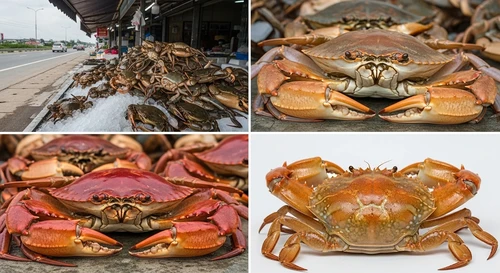
While Typhoon Shelter Crab is an icon of Hong Kong, its soul often finds its genesis in the rich, brackish waters of places like the Mekong Delta in Vietnam. Here, in the vast mangrove forests and intricate river systems of provinces like Ca Mau, some of the world's most prized mud crabs are harvested. These aren't just any crabs; they are the lifeblood of coastal communities, pulled from the fertile mud with generations of expertise.
The journey from a Ca Mau fisherman's net to a Cantonese wok is a testament to global culinary exchange. These crabs, renowned for their dense, sweet meat, and for roe-rich females that are a delicacy in their own right, are transported across borders. In Hong Kong, they are transformed. They meet an overwhelming, yet harmonious, embrace of aromatics, particularly garlic, chili, and fermented black beans, in a cooking style born from necessity and ingenuity within the historical typhoon shelters.
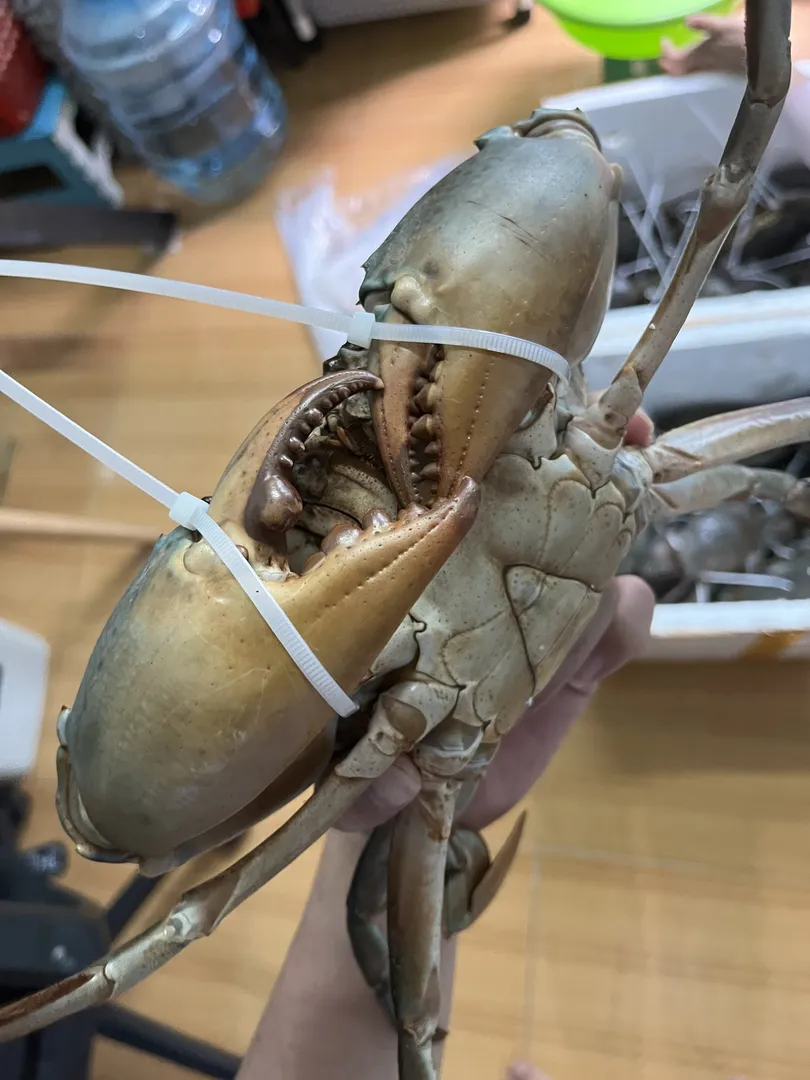
Heritage Ingredient
Ca Mau Jumbo Mud Crab
Ca Mau Jumbo Mud Crab
A large male mud crab prized for dense, sweet meat and thick claws, commonly used in steamed crab and grilled crab dishes across the Mekong Delta.
An icon of coastal culinary heritage, featuring firm, sweet meat that captures the raw power and freshness of Ca Mau's tides.
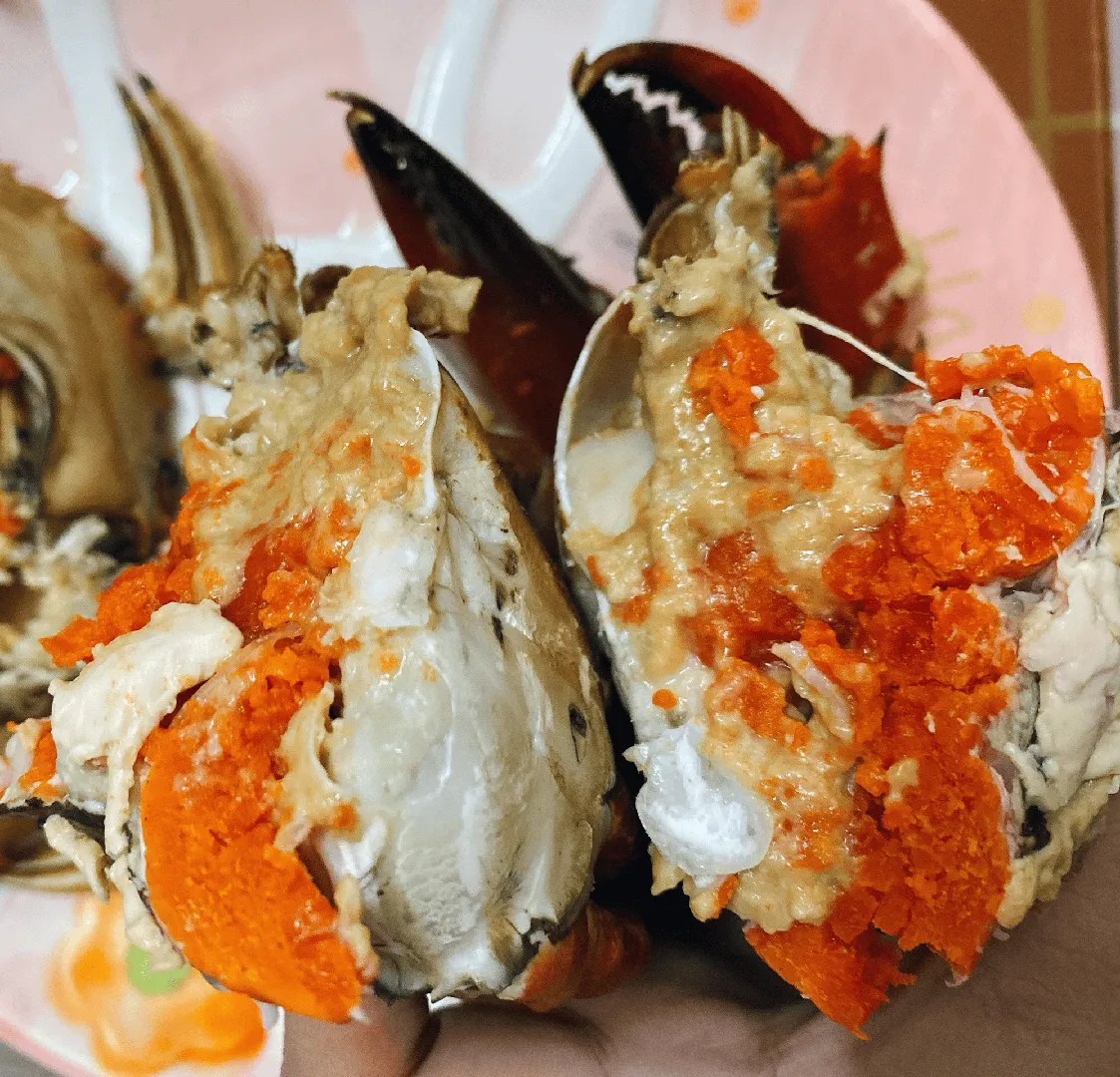
Heritage Ingredient
Ca Mau Roe Mud Crab
Ca Mau Roe Mud Crab
A female mud crab known for deep orange roe and a rich, creamy finish, often featured in celebratory Southern Vietnamese seafood meals.
A crimson treasure hidden within a shell, boasting rich, creamy roe that melts on your tongue like a golden sunset over the delta.
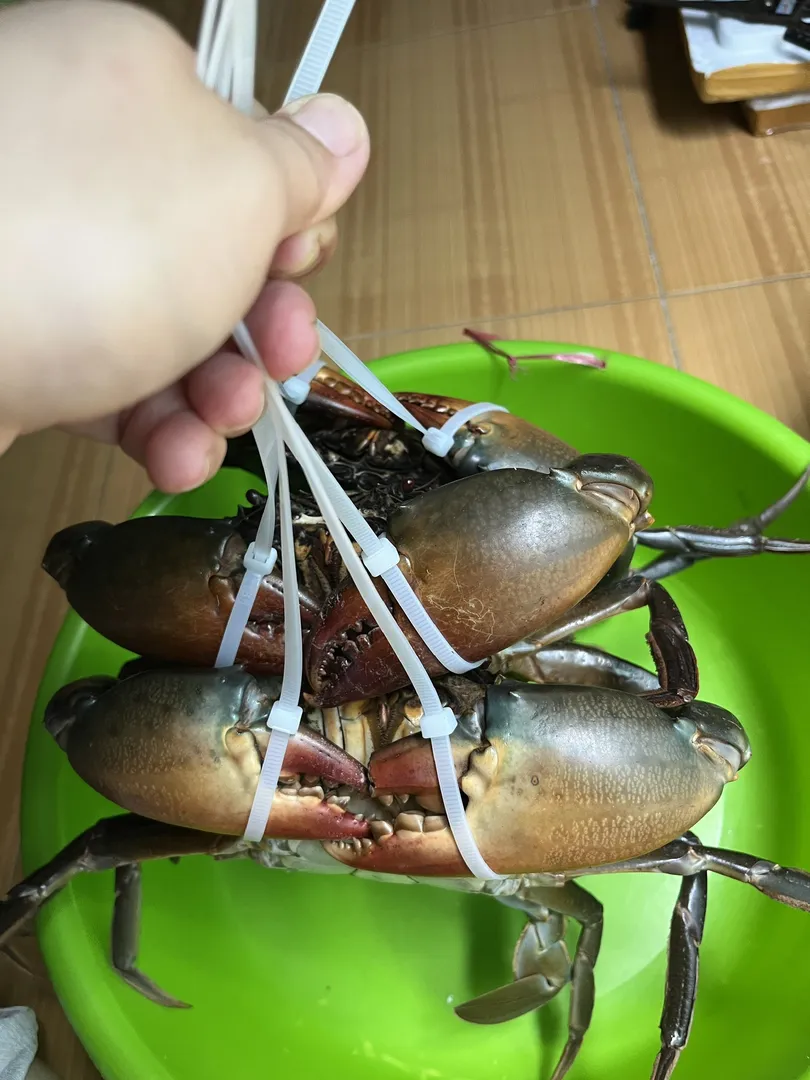
Heritage Ingredient
Giant Ca Mau Mud Crab
Giant Ca Mau Mud Crab
A larger export-grade mud crab with dramatic claws and thick meat, often used to illustrate oversized crab categories in Vietnamese seafood markets.
A titan of the ocean, offering colossal claws filled with muscular, succulent meat that elevates every feast into a royal experience.
Garlic, Garlic, and More Garlic
The Allium Avalanche
Let's be clear: this dish is an ode to garlic. Not just a few cloves, but an entire head, sometimes two, finely minced and then deep-fried until shatteringly crisp. This isn't the pungent, raw bite of garlic; it's transformed. It becomes nutty, sweet, and incredibly fragrant, acting as a crunchy blanket that infuses every morsel of crab.
The Supporting Cast
Alongside the garlic, you'll find finely chopped chili for a spicy kick and often scallions for freshness and color. Fermented black beans (douchi) can add a layer of salty, umami depth. Some recipes include breadcrumbs or glutinous rice flour, fried with the garlic, to create an even more satisfying crunch and absorb the precious oils.
The Roaring Wok
Crab Prep & First Fry
Clean and cut the crab into manageable pieces. Often, the crab is briefly fried in hot oil until the shell turns a vibrant red and slightly crispy. This helps render some fat and sets the stage for the next layer of flavor.
The Garlic Infusion
In a wok with plenty of hot oil, fry the minced garlic until it's golden brown and fragrant. This takes time and patience – you don't want burnt garlic, but you want it deeply golden and crisp. Remove most of the garlic, leaving some oil in the wok.
Bringing It All Together
Add the fried crab back to the wok with the remaining oil. Toss in your chili, scallions, and any other aromatics. Stir-fry briefly, then add the reserved crispy garlic (and any breadcrumbs/flour mix if used). Toss vigorously until the crab is coated in a glorious, aromatic, crunchy mantle.
A Dish Born of Storms
The name "Typhoon Shelter Crab" (避風塘炒蟹) tells a story. Historically, these dishes were prepared and served from boats moored in Hong Kong's typhoon shelters during storms. This offered a refuge for fishermen and a unique culinary experience. The bold, pungent flavors were designed to cut through the salt spray and sea air, and the cooking methods were adapted for efficiency and flavor impact in a challenging environment.
The intensity of the garlic, chili, and the cooking technique itself became a signature. What was once a dish of necessity for a specific community has evolved into a globally recognized Cantonese masterpiece, celebrated in restaurants worldwide for its audacious flavor profile and satisfying texture. It’s a dish that bridges the humble origins of seafaring life with the sophisticated palate of modern gourmands.
The Echoes of the Delta
While the Typhoon Shelter Crab is distinctly Cantonese in its preparation, the soul of the crab itself often whispers of its Delta origins. The plump, sweet meat, the richness of the roe (if using a female crab), these are qualities nurtured by the unique estuarine environment of the Mekong. Chefs who source their crabs from regions like Ca Mau are tapping into an ingredient that already possesses inherent, natural sweetness and quality.
This connection highlights the beauty of global cuisine: ingredients travel, techniques evolve, and dishes become stories of exchange. The robust, almost aggressive flavors of Typhoon Shelter Crab serve to enhance, rather than mask, the inherent quality of a superior crab. It’s a culinary dialogue between the waters of the Mekong and the woks of Hong Kong.
The Sensory Explosion
Eating Typhoon Shelter Crab is an interactive, joyous affair. Your fingers will get messy. You will be picking through the crispy garlic and chili, searching for every last morsel of crab meat. The dominant notes are:
- Pungent & Savory: The overwhelming, addictive flavor of crispy fried garlic and chili.
- Sweet: The natural sweetness of the high-quality crab meat, enhanced by the cooking process.
- Spicy: A pleasant heat from the chilies that complements the richness.
- Umami: Deep, satisfying savory notes, especially if fermented black beans are used.
- Textural Contrast: The delightful crunch of the crispy garlic against the tender, succulent crab meat.
What to Pair with Such Boldness
This is not a dish for shy accompaniments. Its bold flavors demand similarly robust partners:
- Plain Rice: Steamed white rice is essential for sopping up all that flavorful garlic oil.
- Simple Greens: Stir-fried or blanched leafy greens (like Gai Lan or Bok Choy) offer a clean, slightly bitter counterpoint.
- Beer/Tea: A cold lager or a potent Chinese tea (like Pu-erh) are classic pairings that can cut through the richness.
- Cool Beverages: For those who find the chili intense, a refreshing sugarcane juice or iced lemon tea can provide relief.
The Takeaway: Beyond the Spice
Typhoon Shelter Crab is more than just a dish; it’s a testament to culinary innovation, the power of humble ingredients, and the global journey of food. It’s a reminder that sometimes, the most profound flavors come from a generous, uninhibited approach to cooking. From the tranquil waters of the Mekong Delta to the bustling harbor kitchens of Hong Kong, this dish is a vibrant, unforgettable experience.