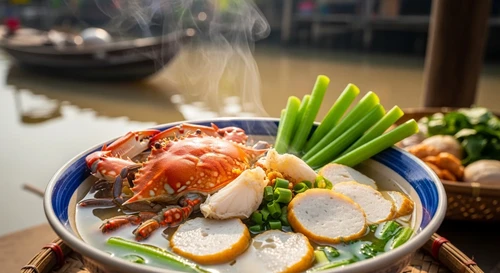
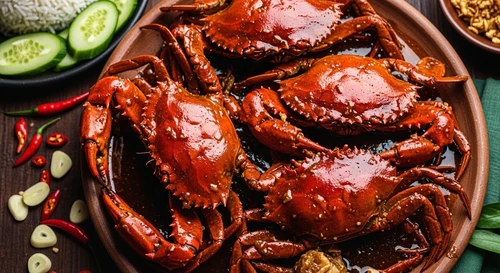
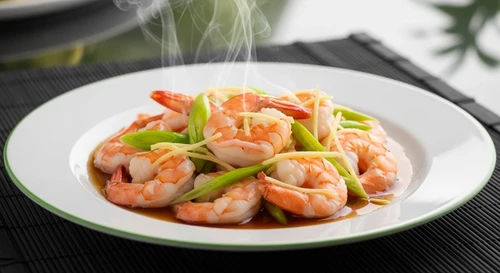
" The Mekong Delta. A place where the bounty of the sea isn't just sustenance, it's a way of life. And nowhere is that more apparent than with its crabs. Forget brute force; true appreciation lies in careful extraction. "
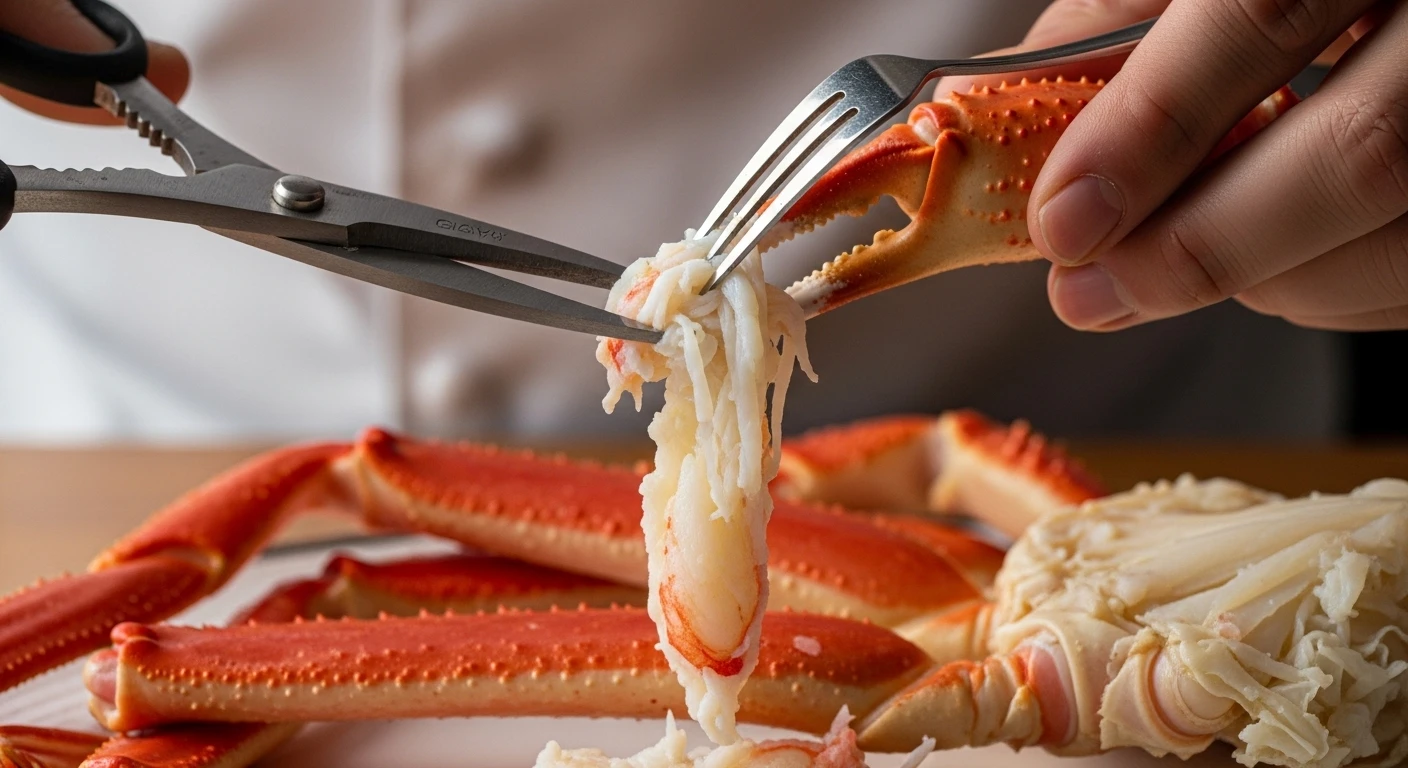
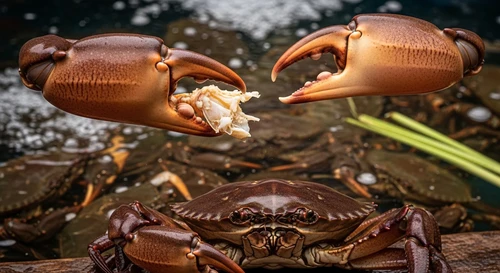
📸 Precision pays off: Perfectly extracted crab meat is a culinary triumph.
1 The Soul of the Delta: Crab in Ca Mau
Travel to the southern tip of Vietnam, to the vast mangrove forests and intricate waterways of Ca Mau, and you'll find crabs are more than just food – they are woven into the fabric of life. The mud crabs here, particularly the prized Ca Mau Jumbo Mud Crab, are legendary for their dense, sweet flesh and impressive claws. It's a creature that demands respect, and that respect begins with how we treat it at the table and in the kitchen.
Coastal Livelihoods
From the smallholder farmers tending to mangrove aquaculture to the bustling seafood markets, crab harvesting is a cornerstone of the regional economy and diet.
Regional Delicacies
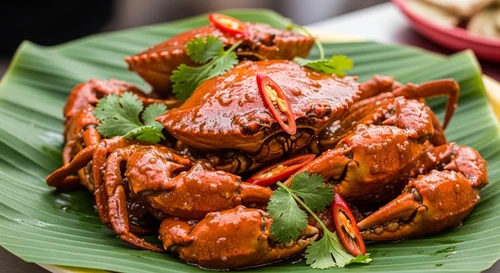
Whether it's the rich roe of a female crab used in celebratory feasts, or the meaty claws of a male crab destined for simple, perfect grilling, Ca Mau crab is king.
2 The Art of Extraction
So, you've cooked a magnificent crab. Now what? The instinctive reaction for many is to grab a mallet, or worse, just smash the whole thing. This is where you lose the magic. The goal isn't to pulverize; it's to *liberate*. Whole, unbroken lumps of sweet crab meat are the prize. This method requires a little patience, the right tools, and a touch of finesse – the kind you'd expect from a seasoned chef at a riverside eatery in Can Tho.
The "Smash and Grab" Fallacy:
- Crushed Meat: You end up with tiny, shattered pieces mixed with shell fragments.
- Wasted Effort: More time spent picking out shell than enjoying meat.
- Lost Texture: The beautiful, fibrous texture of crab meat is destroyed.
The Chef's Approach:
- Whole Lumps: Plump, unbroken strands of meat are the reward.
- Elegant Presentation: Perfect for salads, delicate appetizers, or simply enjoying its pure form.
- Maximized Flavor & Texture: Preserves the natural integrity of the crab meat.
3 Your Crab Toolkit
You don't need a workshop, just a few key items to elevate your crab game. Think of these as your precision instruments, much like those used by fishermen mending nets along the Mekong's banks, but for culinary purposes.
The Blades
- Kitchen Shears: Heavy-duty, sharp shears are your primary weapon. They should feel robust.
- Paring Knife: For making initial cuts and prying.
The Precision Tools
- Crab/Lobster Crackers: While not for smashing, the pointed tips are useful for creating purchase.
- Cocktail Fork or Small Prying Tool: Essential for gently coaxing meat out.
- Tweezers (optional but recommended): For those very fine, delicate strands.
The Foundation
- Cutting Board: A stable surface is crucial.
- Bowl for Meat: To collect your precious bounty.
4 Mastering the Scissor Method
Disarticulate the Legs and Claws
Gently twist or cut where the legs and claws meet the body. If you're working with a whole crab, this is your first clean break. Save the body for other uses if desired, but focus on the appendages.
Leg Segmentation
Each leg is made of segments. Use your kitchen shears to cut *between* the segments. You're aiming to open the shell lengthwise, creating a channel for extraction.
The Gentle Pry
Insert the tip of your paring knife or a cocktail fork into the cut. Gently pry the shell apart. Work slowly, following the natural lines of the meat. The goal is to lift the meat away from the shell in one piece.
Tackling the Claws
For larger claws, you may need to use your shears to cut through the thicker parts of the shell. Again, aim to create an opening that allows you to slide the meat out cleanly. For the very tip, sometimes a careful tap with the cracker is all you need to loosen, then pry.
5 Faces of Ca Mau Crab
The Mekong Delta is home to several types of crabs, each with its own unique character and culinary application. Understanding these varieties can deepen your appreciation for the region's seafood heritage.
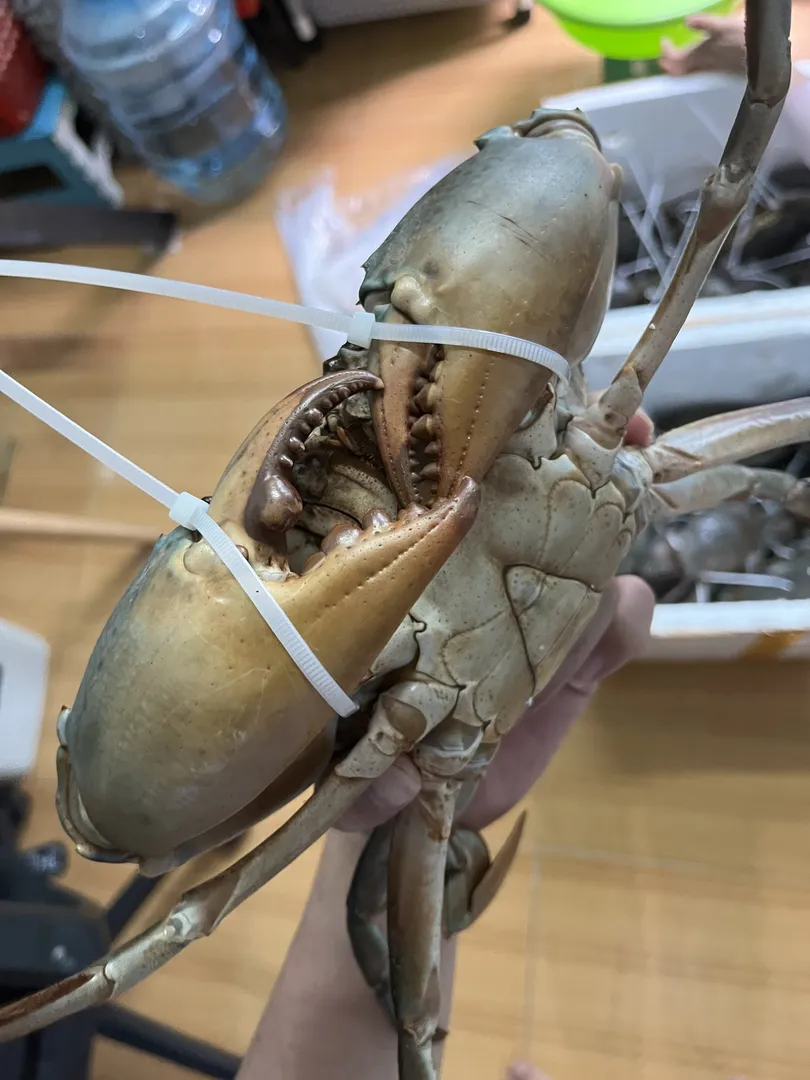
Heritage Ingredient
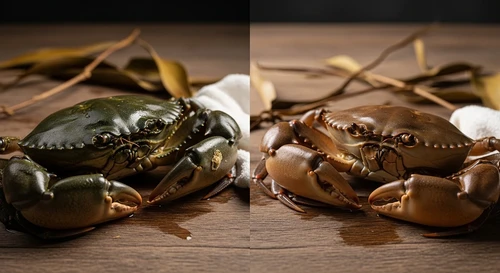
Ca Mau Jumbo Mud Crab
Ca Mau Jumbo Mud Crab
A large male mud crab prized for dense, sweet meat and thick claws, commonly used in steamed crab and grilled crab dishes across the Mekong Delta.
An icon of coastal culinary heritage, featuring firm, sweet meat that captures the raw power and freshness of Ca Mau's tides.
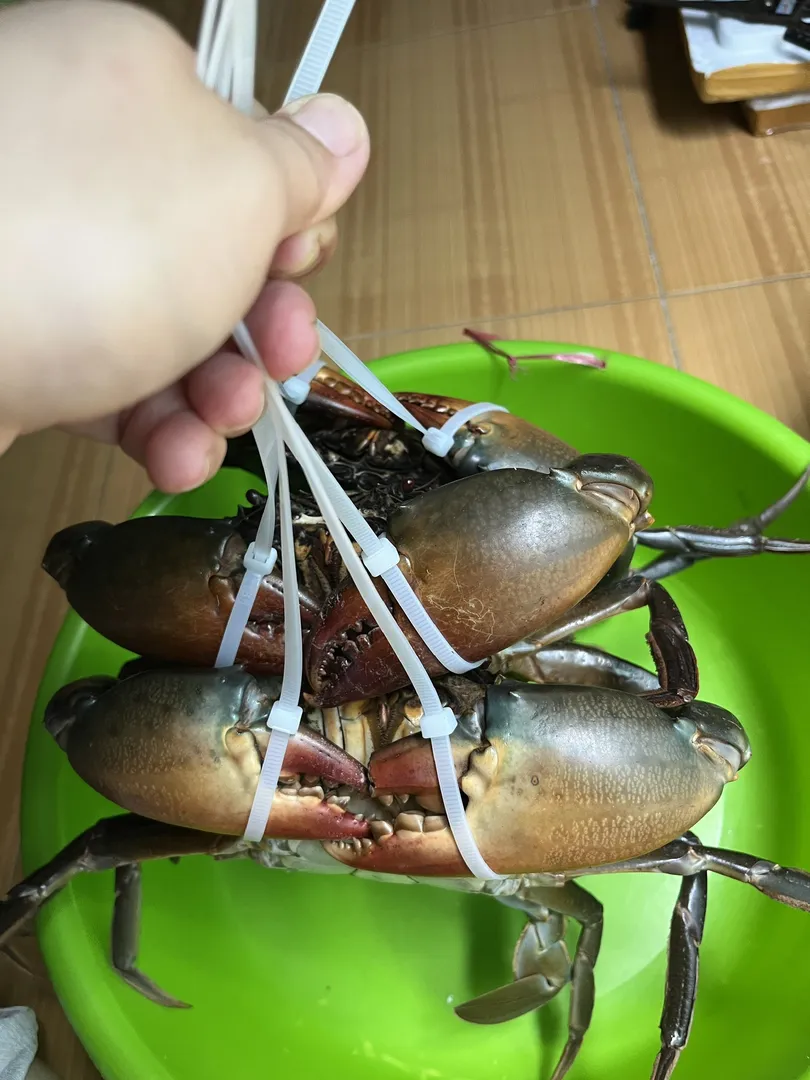
Heritage Ingredient
Giant Ca Mau Mud Crab
Giant Ca Mau Mud Crab
A larger export-grade mud crab with dramatic claws and thick meat, often used to illustrate oversized crab categories in Vietnamese seafood markets.
A titan of the ocean, offering colossal claws filled with muscular, succulent meat that elevates every feast into a royal experience.
Beyond the Basic Extract 🧑🍳
A few expert insights to ensure your crab meat is always top-tier.
Chill Factor
After cooking, let the crab cool slightly, but don't let it get completely cold. Slightly warm meat is often more yielding and easier to extract whole.
Shell Integrity
When cutting or prying, always try to work *with* the shell's natural breaks. Forcing it will only lead to fragmentation.
Rinse and Repeat
After extracting the main pieces, run your tools along the inside of the shell. You'll often find smaller, but equally sweet, morsels.
7 Elevating Your Dishes
Once you've mastered the extraction, the possibilities are endless. Here’s how chefs in the Mekong Delta and beyond showcase this precious ingredient:
- Crab Salad with Mango & Herbs: The sweet meat tossed with tart green mango, fragrant basil, mint, and a lime dressing. A light, refreshing taste of the tropics.
- Crispy Crab Cakes: Delicate crab meat bound with minimal filler, pan-fried to a golden crisp. Perfect with a dollop of spicy dipping sauce.
- Stuffed Crab Shells: The extracted meat mixed with aromatics and breadcrumbs, then baked back into cleaned crab shells for a stunning appetizer.
- Simple Perfection: Served with a classic Vietnamese dipping sauce (nuoc cham) or, as is popular in some coastal areas, a simple salt-lime-pepper mix.
8 The Taste of True Crab
"There’s a certain quiet satisfaction in cracking open a well-cooked crab, not with violence, but with intention. It's a dialogue with the ingredients. When you pull out a perfect, unbroken piece of leg meat, glistening and sweet, you taste not just the crab, but the rivers, the mangroves, the sun, and the skill of generations. That’s the true prize."
— A Mekong Chef