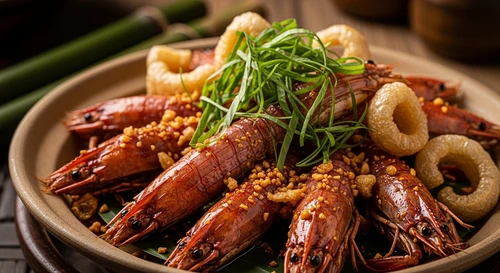
" The Mekong Delta is a land of a thousand flavors, a symphony of sweet, sour, salty, and spicy. But sometimes, the most profound culinary revelations hide in the simplest of pairings. Forget the tired squeeze of lime. Let's talk about what truly makes the region sing: the magic of fermented crab. "
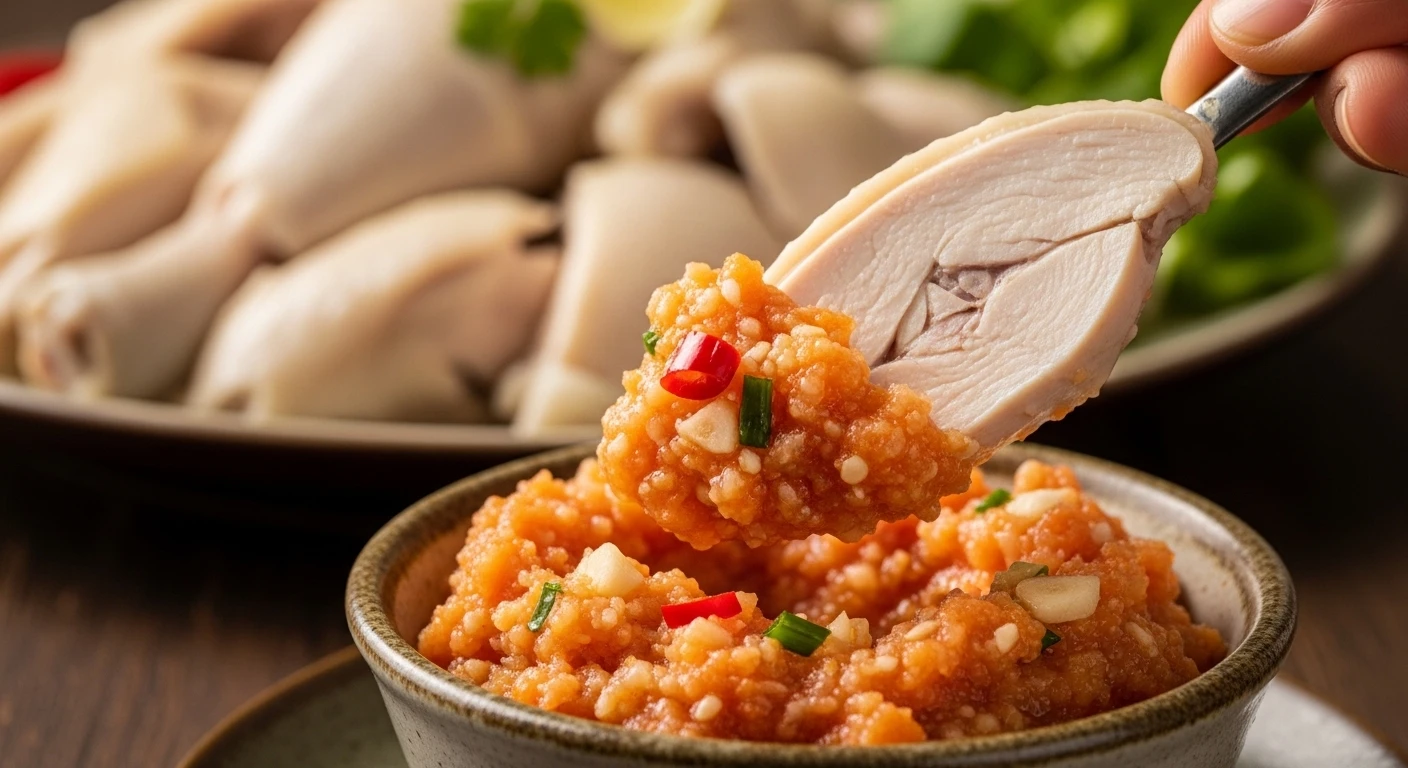
📸 The Perfect Bite: Tender chicken meets the pungent, spicy embrace of Ba Khia dip.
1 The Soul of the Delta: Unlocking the Magic of Ba Khia
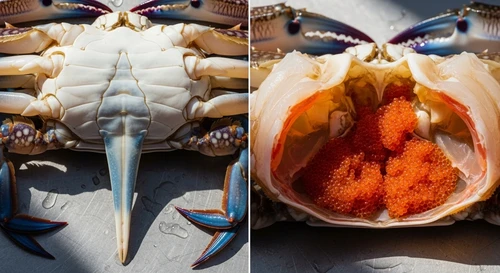
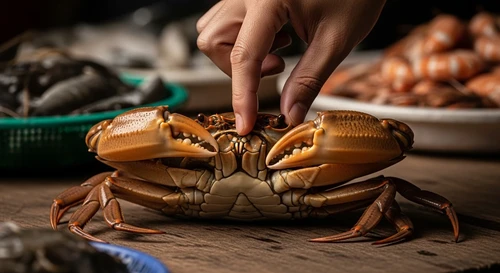
Before we dive into the dipping sauce, we need to understand its heart: Ba Khia. These are small, mangrove-dwelling crabs, often found scurrying along the muddy banks of the Mekong's intricate waterways. They aren't your dinner-plate-sized mud crabs, though those have their own glory. Ba Khia are the unsung heroes of Vietnamese preserved seafood, a true taste of the rustic, wilder side of Southern Vietnam.
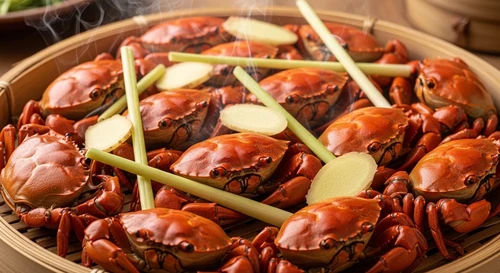
Traditionally, Ba Khia are preserved through fermentation, a process that transforms their briny essence into something complex and deeply savory. The result is a salty, slightly sour, and intensely umami-rich paste that forms the foundation of our dip. It’s a flavor that’s both challenging and utterly captivating – a gateway to the true palate of the Mekong.
What are Ba Khia?
Small, mangrove-dwelling crabs native to coastal and estuarine regions of Southern Vietnam. They are often preserved through salting and fermentation.
The Flavor Profile
Intensely salty, savory (umami), with a distinct funk and a hint of sourness from fermentation. It's a acquired taste, but an unforgettable one.
If you're looking for authentic ingredients to recreate this flavor, look for traditional preserves like these:
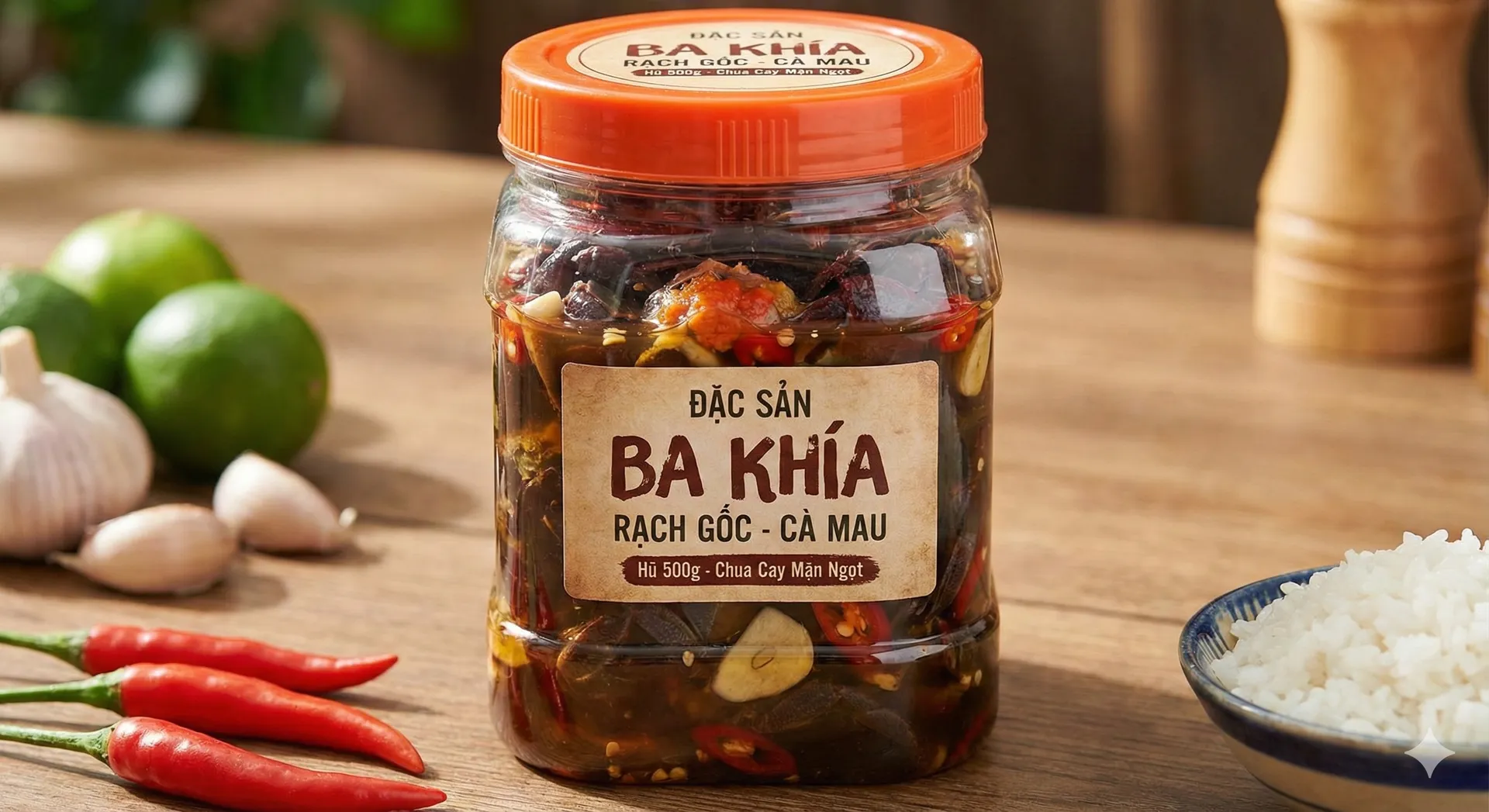
Heritage Ingredient
Fermented Mangrove Crab (Ba Khia)
Fermented Mangrove Crab (Ba Khia)
A traditional fermented crab specialty from the mangrove region of Rach Goc, often cited in articles about rustic Mekong Delta flavors and preserved seafood culture.
The salty-sour heartbeat of the wild south, where traditional fermentation turns forest crabs into a nostalgic explosion of rustic Mekong soul.
2 Beyond the Lime: Crafting the Unforgettable Dip
This isn't just a sauce; it's an experience. It’s the kind of condiment that makes you pause, reconsider everything you thought you knew about dipping, and then demand more. The key is the balance – harnessing the raw power of the fermented crab without letting it overwhelm.
The Star
- Fermented Ba Khia: The core ingredient. Ensure it's good quality, with a pungent aroma. Some varieties are pre-mashed, others you might need to process yourself.
- Fresh Red Chilies: A generous amount. Bird's eye chilies are ideal for that sharp, immediate heat.
The Supporting Cast
- Garlic: Finely minced. Adds depth and a touch of sweetness.
- Sugar: Just a pinch. Crucial for balancing the saltiness and heat, and tempering the pungency of the crab.
- Lime Juice (Optional but Recommended): A small squeeze to brighten the flavors if needed, but don't let it dominate the crab.
3 The Humble Companion: Perfectly Boiled Chicken
Why chicken? Because its mild, tender flesh is the perfect canvas for the bold flavors of the crab dip. It's a classic pairing that speaks volumes about the Vietnamese culinary philosophy: let the star ingredient shine, but give it a worthy supporting cast.
The chicken should be simply boiled, preserving its natural juices and yielding a tender, slightly sweet meat. The trick is not to overcook it.
- Use a whole chicken or thighs/drumsticks: For maximum flavor and moisture.
- Poach gently: In water or light chicken broth infused with ginger, scallion whites, and a pinch of salt.
- Cook until just done: About 20-30 minutes for a whole chicken, depending on size. The juices should run clear.
- Rest and Slice: Let it cool slightly before slicing into bite-sized pieces.
The "Why"
The mildness of the chicken allows the complex, salty-sour, and spicy notes of the Ba Khia dip to truly dominate, creating a harmonious, if intense, flavor profile.
4 The Mekong Connection: More Than Just a Dip
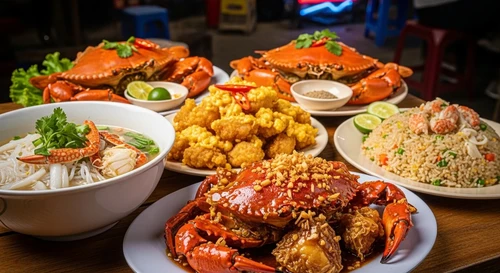
This dish is deeply rooted in the culinary landscape of the Mekong Delta, particularly the coastal regions where Ba Khia are abundant. It speaks to the resourcefulness and ingenuity of the people living off the land and water. Meals here are often about shared plates and communal eating, where bold flavors are celebrated and embraced.
Think of the floating markets, the endless network of rivers and canals, the daily rhythm of life dictated by the tides. The flavors of Ba Khia – salty, pungent, a little wild – mirror this environment. It’s a taste that connects you directly to the marshlands, the mangrove forests, and the resilient spirit of Southern Vietnam. It’s a reminder that some of the world’s most exciting flavors come from ingredients that are often overlooked.
The Mekong is rich with seafood. While Ba Khia are unique, other preserved seafoods also tell regional stories:

Heritage Ingredient
Fermented Sour Shrimp (Mekong Style)
Fermented Sour Shrimp (Mekong Style)
A Southern Vietnamese fermented shrimp preserve made with garlic, chili, and shredded green papaya, often served with boiled pork, rice paper, or plain rice.
A vibrant dance of flavors—sour, spicy, and sweet—where tender shrimp and crunchy papaya create a masterpiece of Southern preserved heritage.
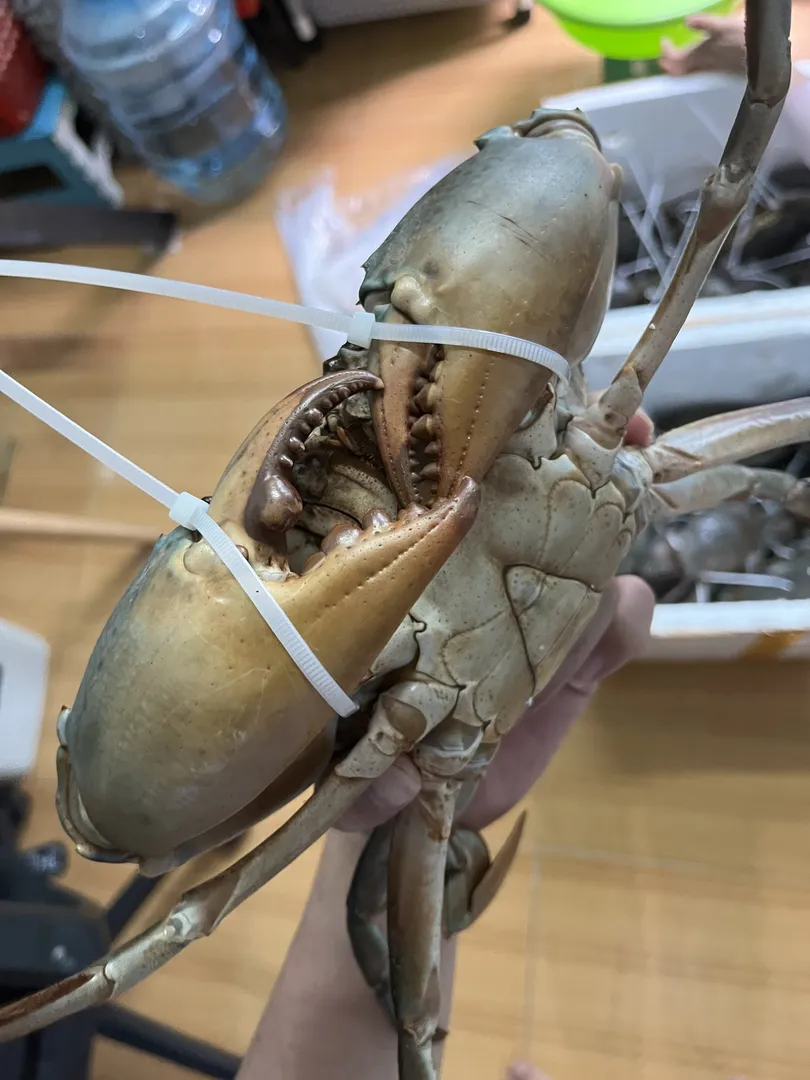
Heritage Ingredient
Ca Mau Jumbo Mud Crab
Ca Mau Jumbo Mud Crab
A large male mud crab prized for dense, sweet meat and thick claws, commonly used in steamed crab and grilled crab dishes across the Mekong Delta.
An icon of coastal culinary heritage, featuring firm, sweet meat that captures the raw power and freshness of Ca Mau's tides.
5 Assembly and Serving: The Ritual
This is not a dish that requires complex plating. It’s about the direct, unadulterated pleasure of flavor. The beauty is in its simplicity and the intense sensory experience it offers.
Prepare the Dip
In a small bowl, combine the fermented Ba Khia paste, finely minced garlic, chopped fresh chilies, and a pinch of sugar. If using, add a tiny splash of lime juice. Mash everything together with a fork or the back of a spoon until well combined. Taste and adjust seasoning – it should be intensely savory, spicy, and slightly sweet. The consistency should be like a thick paste.
Arrange the Chicken
Arrange the sliced, perfectly boiled chicken on a serving platter. Keep it simple; the focus is on the dish's flavor, not its presentation.
Serve with the Dip
Place the small bowl of Ba Khia dip prominently alongside the chicken. Diners then take a piece of chicken and dip it generously into the pungent, spicy sauce. It's an interactive and deeply satisfying way to eat.
6 Expert Tips for the Perfect Bite
- Quality of Ba Khia is paramount: If you can't find good Ba Khia, the dip will fall flat. Seek out specialty Asian markets or Vietnamese grocers who understand these regional ingredients.
- Don't be afraid of the pungency: The initial smell can be intense, but the flavor transformation is incredible. Trust the process.
- Balance is key: Taste your dip as you make it. If it’s too salty, add a tiny bit more sugar or lime. If it’s not spicy enough, add more chili.
- Serving Temperature: Both the chicken and the dip are best served at room temperature, allowing the flavors to be most vibrant.
- Pairing: This dish is fantastic with plain steamed rice or a simple Vietnamese herb salad to cut through the richness.
7 A Taste of True Vietnam
This dish, boiled chicken with salted crab dip, is more than just a meal; it's an invitation. An invitation to explore the complex, layered, and often surprising flavors of Southern Vietnam. It’s a testament to the region’s ability to turn humble ingredients into culinary masterpieces.
So next time you’re craving something bold, something authentic, something that whispers tales of mangrove-lined rivers and bustling delta markets, give this a try. It might just become your new favorite secret weapon.