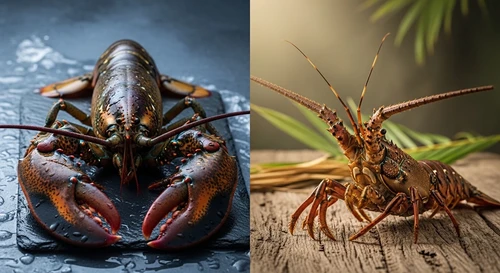
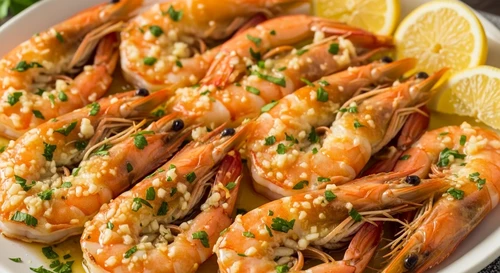
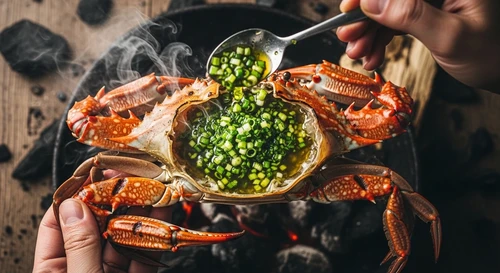
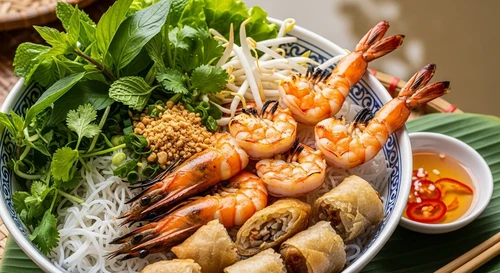
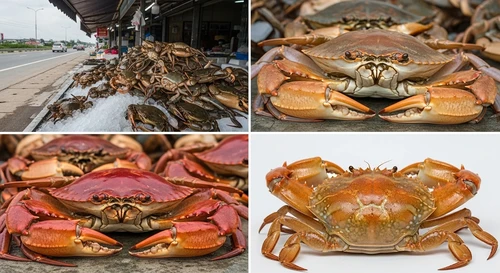
" The Mekong Delta thrives on resourcefulness. Nothing goes to waste. The fisherman who tosses his shrimp heads? He's missing out on the soul of the sea. "
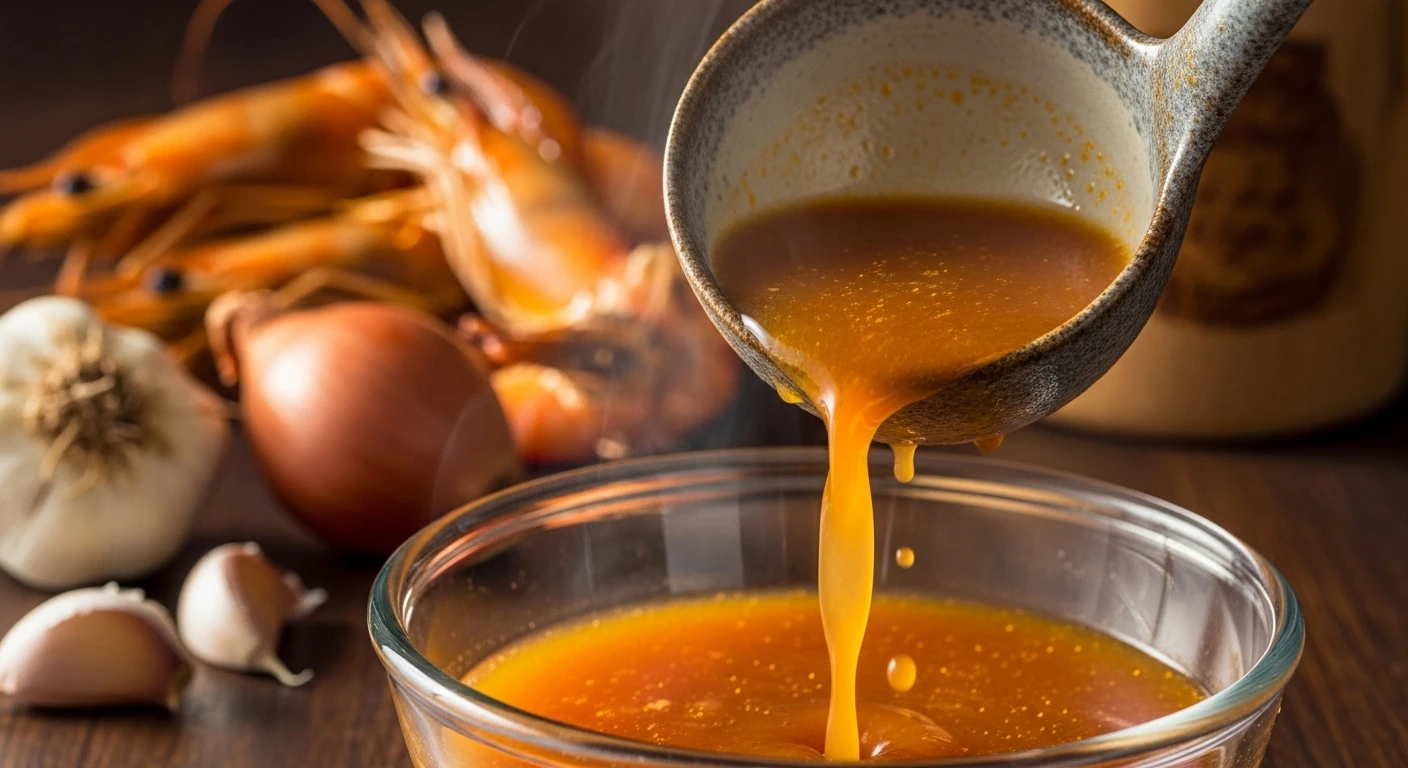
📸 Liquid sunshine: The vibrant color of pure umami.
1 From Hull to Heaven: Mekong Ingenuity
Step off a boat in Ca Mau, or anywhere along the serpentine waterways of the Mekong Delta, and you'll witness a culinary philosophy that prizes every morsel. For generations, resources have been as precious as the rich silt that defines this land. This isn't just about thrift; it's about respect. Respect for the catch, respect for the land, respect for the tradition.
Shrimp, particularly the plump, flavorful varieties found in the coastal aquaculture and wild fisheries of provinces like Ca Mau, are a cornerstone of the Delta's diet and economy. While the sweet meat is the star, the heads and shells? They hold an ocean of flavor, a concentrated essence that forms the backbone of countless stews, soups, and seafood dishes.
We're talking about the kind of shrimp that thrive in brackish waters, their shells tinged with the minerals of the mangrove forests. These aren't factory-farmed minnows; these are specimens with character.
The Catch
The most vibrant stocks come from fresh, high-quality shrimp. In the Delta, this often means
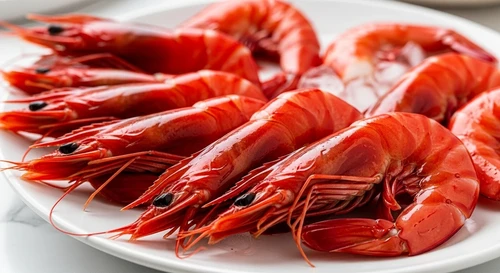
Heritage Ingredient Ca Mau Black Tiger Shrimp Large black tiger shrimp associated with mangrove aquaculture in Ca Mau, known for firm flesh and a cleaner, sweeter finish than intensively farmed shrimp. Wild spirits of the mangroves, these black-banded gems deliver a firm, snappy texture and a sweetness that echoes the forest's vibrant life. Heritage Ingredient Mekong Giant Freshwater Prawn A river prawn with long blue claws and rich head fat, common in grilled prawn dishes and hotpot traditions across the Mekong basin. Majestic blue-clawed warriors of the Mekong, famous for their rich, fatty heads and a savory depth that captures the essence of the delta's rivers. Heritage Ingredient Whiteleg Shrimp A widely used shrimp in Vietnamese home kitchens, suitable for stir-fries, soups, steamed dishes, and practical cooking articles that need a familiar shrimp reference. Translucent jewels of the coast, thin-shelled and remarkably sweet, making every simple home meal feel like a seaside celebration.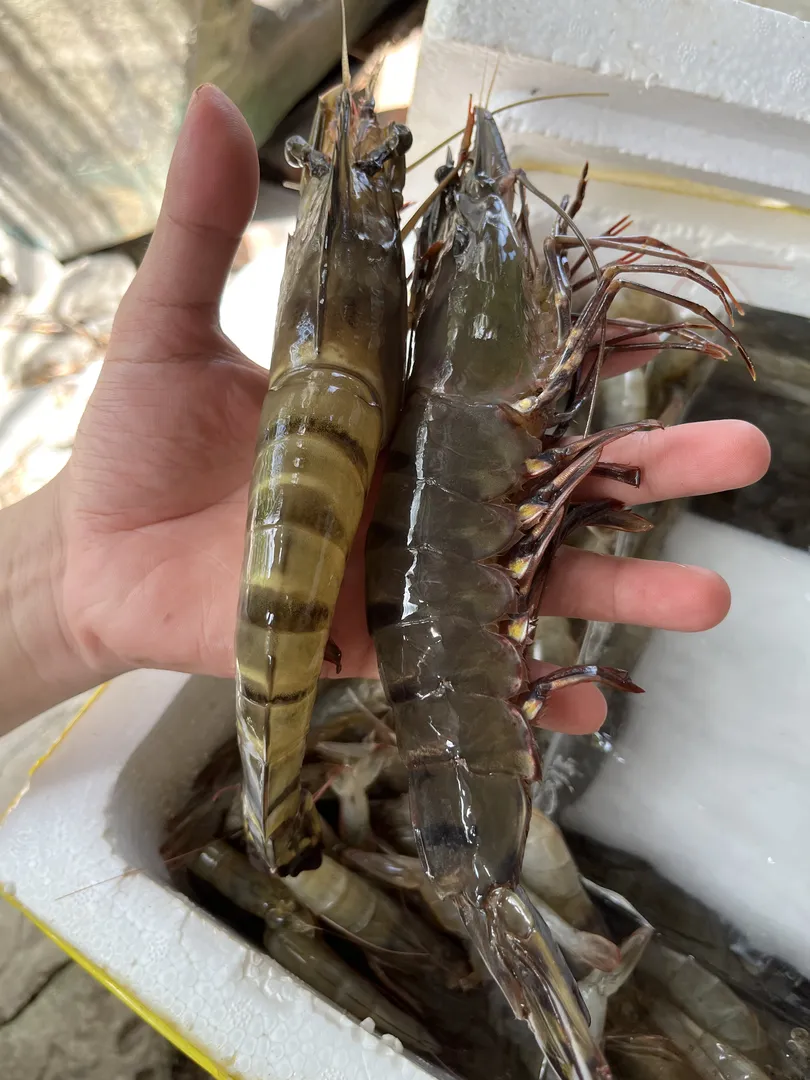
Ca Mau Black Tiger Shrimp
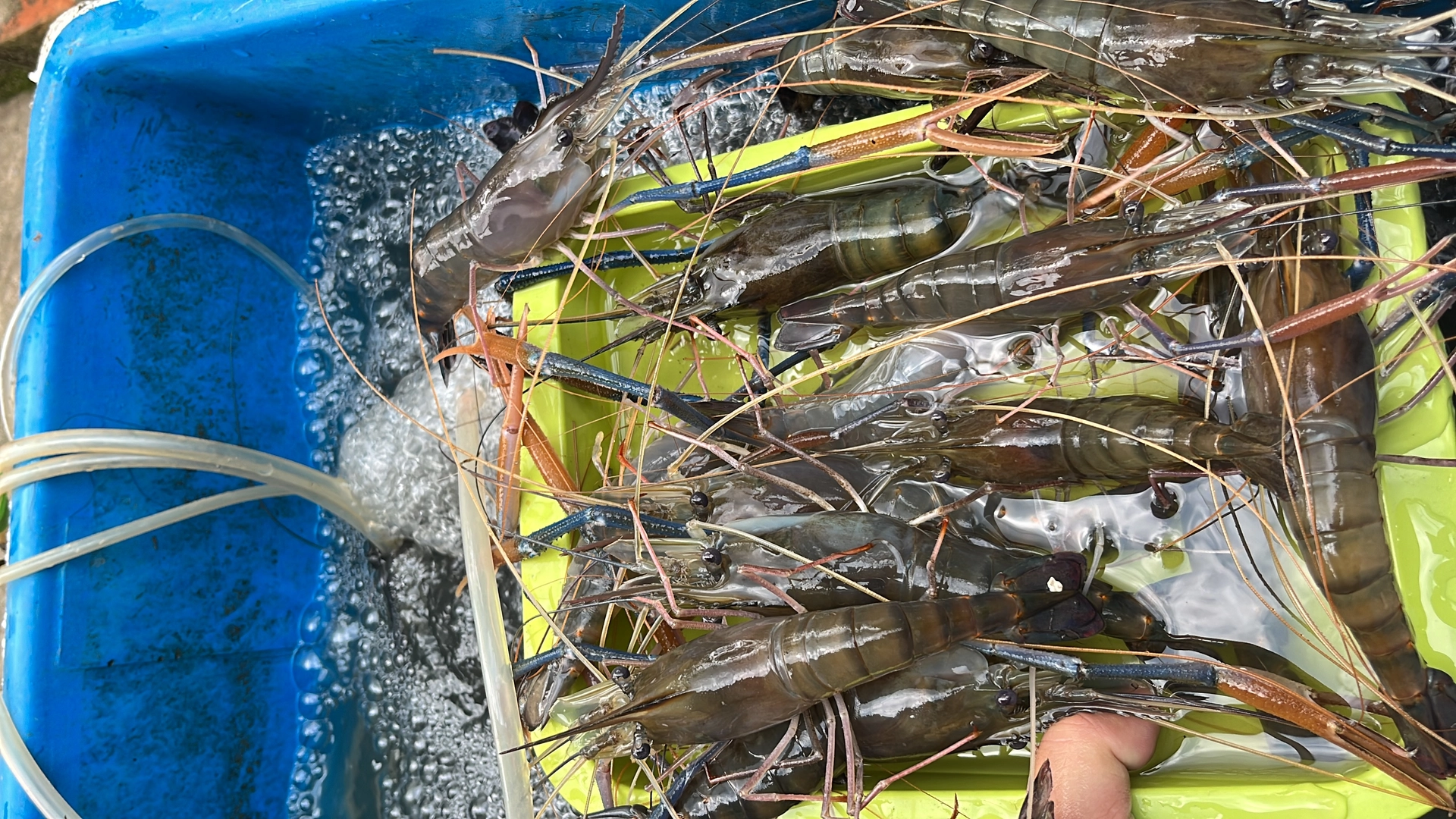
Mekong Giant Freshwater Prawn
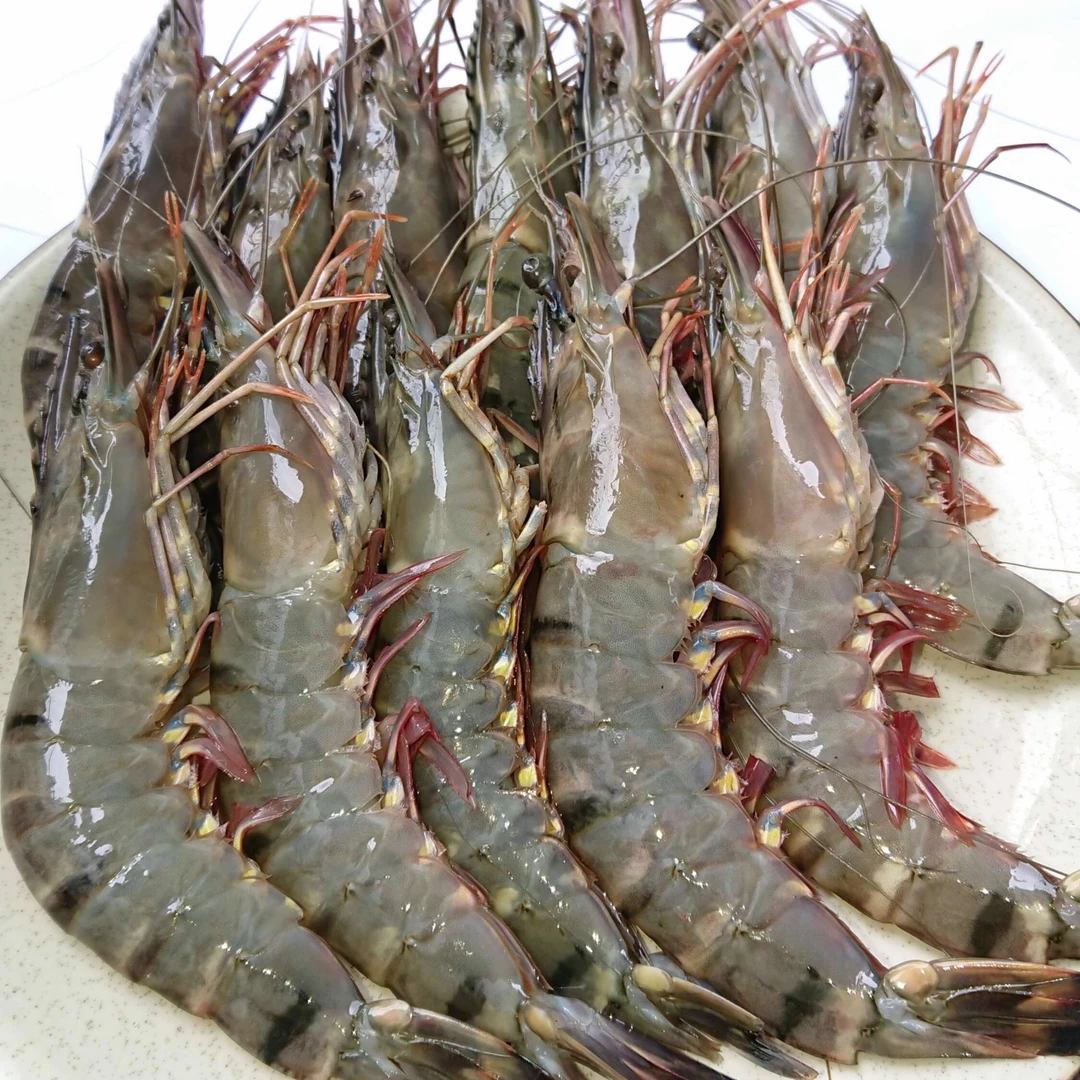
Whiteleg Shrimp
The Essence
Shrimp heads are packed with fat-soluble flavor compounds, proteins, and that inimitable iodine-rich essence of the sea. Roasting them concentrates this flavor before simmering extracts it.
2 Culinary Alchemy: From Scraps to Gold
We're not just boiling here. We're *roasting*. This is the critical first step that transforms humble shrimp heads and shells from something potentially muddy into a foundation of deep, roasted umami. Think of it like toasting spices before making curry – it awakens the dormant flavors.
The slight charring from the roast adds a complexity that simple boiling can't achieve. It's this layered approach, this understanding of heat and transformation, that separates good cooking from truly memorable cooking, especially in a region where ingredients are revered.
For Roasting
- Shrimp Heads & Shells: Thoroughly washed. If you've peeled large shrimp, keep every bit.
- Aromatics: Shallots (or onion), garlic cloves. Halved or roughly chopped.
- Fat: A tablespoon of neutral oil or shrimp fat if you have it.
- Seasoning: A pinch of salt and black pepper.
For Simmering
- Roasted Shrimp Scraps
- Water: Enough to generously cover the scraps.
- Optional Flavor Boosters: A bay leaf, a sprig of thyme, a splash of white wine, or even a small piece of dried kombu for extra depth.
3 The Oven's Embrace
Preheat & Prep
Preheat your oven to 200°C (400°F). Ensure your shrimp heads and shells are clean and patted dry. Toss them with the roughly chopped shallots, garlic, a tablespoon of oil, salt, and pepper on a baking sheet.
Roast 'Em
Spread the mixture in a single layer. Roast for 15-20 minutes, stirring halfway through, until the shells are red, slightly crispy, and deeply fragrant. The aromatics should be softened and lightly caramelized.
Deglaze (Optional but Recommended)
Once roasted, carefully transfer the solids to a sturdy pot. If you have any pan drippings with good color, add them too. You can add a splash of water or white wine to the baking sheet and scrape up any fond before adding it to the pot.
4 Extracting the Essence
This is where the magic happens. The roasted scraps, now fragrant and eager to give up their secrets, meet water. The key here is patience. A low, gentle simmer is what slowly coaxes out all the umami, color, and aroma without boiling it into a murky mess.
In the Mekong Delta, this might be done in a well-worn clay pot over a slow charcoal fire. At home, a heavy-bottomed saucepan on the stovetop will suffice. Aim for a minimum of 45 minutes, but an hour or even longer will yield a richer, more profound stock.
The Simmering Ritual
The Ratio
Start with enough water to cover the solids by about 1-2 inches. You want a concentrated flavor, not a watery soup.
The Heat
Bring to a boil, then immediately reduce heat to the lowest simmer. Tiny bubbles should just break the surface. Skim off any impurities that rise.
The Time
45-90 minutes. The longer it simmers, the deeper the flavor and the richer the color.
Strain the liquid through a fine-mesh sieve, pressing down gently on the solids to extract maximum liquid. Discard the solids. Taste and adjust seasoning if needed, though it should be beautifully seasoned from the shrimp itself.
5 The Building Block of Greatness
This isn't just a stock; it's concentrated joy. It's the secret weapon that elevates everyday dishes into something extraordinary. Its vibrant orange hue and profound umami make it a chef's best friend, whether in a bustling Mekong market kitchen or a home pantry anywhere in the world.
Imagine this:
- A base for Bun Rieu Cua (Crab Noodle Soup), lending that authentic seafood depth.
- The foundation for a rich Seafood Pho or Hu Tieu.
- A braising liquid for fish or squid, infusing them with the sea's sweetness.
- Thickened slightly to create a sauce for pan-seared scallops or fish.
- The liquid component in a creamy seafood risotto or paella.
- Simply reduced and served as an intense broth on its own, perhaps with a single herb leaf.
6 Portions of Perfection
The beauty of this stock is its versatility and its shelf-life. Once strained and cooled, it can be stored in the refrigerator for up to 3 days, but its true potential is unlocked when frozen.
The most practical way to store it is in ice cube trays. Once frozen solid, transfer the cubes to a heavy-duty freezer bag or airtight container. This gives you perfectly portioned flavor bombs ready to deploy whenever a recipe calls for it. A few cubes are all it takes to transform a weeknight meal.

Frozen in time: Your future culinary shortcut.
7 The Insider's Edge
🦐 Use ALL the shrimp:
🧅 Don't skip the aromatics:
⚖️ Seasoning is key:
🌟 For extra richness:
8 A Taste of Home
Making this stock is more than just a cooking technique; it's a connection. It's a direct link to the resourcefulness, the flavors, and the spirit of the Mekong Delta. The next time you enjoy a plate of succulent shrimp, don't let those heads and shells go to waste. Roast them, simmer them, and unlock a universe of flavor that will redefine your understanding of seafood stock. It's culinary gold, plain and simple.