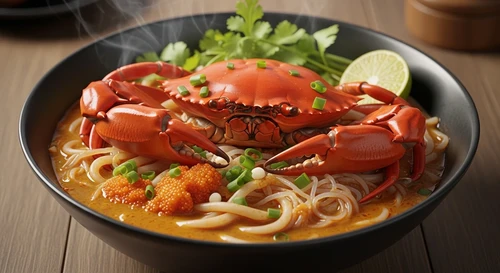
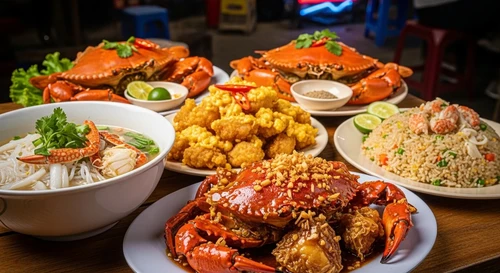
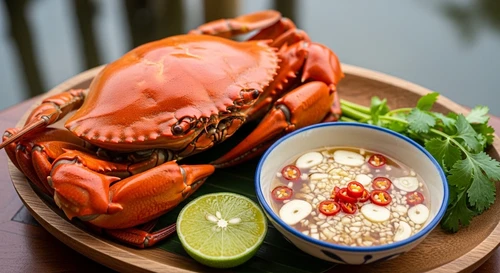
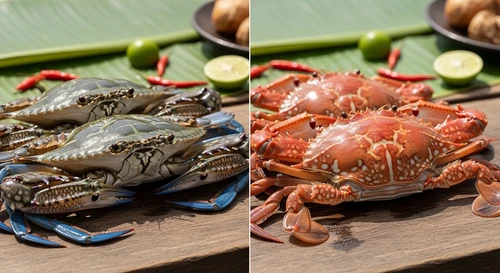
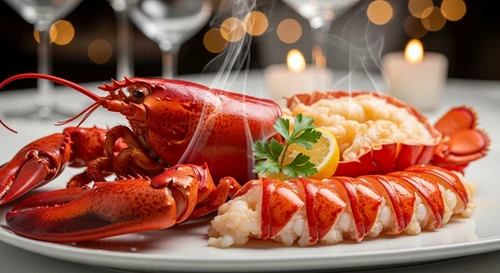
" In the labyrinthine waterways of the Mekong Delta, where the rhythm of life is dictated by the tides and the bounty of the rivers, the soft shell crab is a fleeting delicacy. It's a brief window of edible perfection, a creature shedding its armor for a moment of vulnerability and deliciousness. "
1 The Delta's Gift: Understanding Soft Shell Crab
The Mekong Delta, a sprawling tapestry of rivers, canals, and rice paddies, is a treasure trove of seafood. Among its most prized, albeit seasonal, inhabitants is the mud crab, particularly those caught during their molting phase. This is when they shed their hard exoskeleton to grow larger. For a short period, their new shell is still soft and entirely edible.
This 'cua lột' (literally "molted crab") is a delicacy prized for its tender, succulent meat and the unique texture of its consumable shell. It's a testament to the region's rich biodiversity and the culinary ingenuity of its people. While often prepared in rich, saucy dishes, its true potential is arguably unlocked when treated with a light, crispy touch, transforming it into a tempura delight.

📸 A typical sight in the brackish waters of Ca Mau.
The challenge with soft shell crab, especially for home cooks outside of Vietnam, is sourcing them fresh and, crucially, frying them without them turning into greasy sponges. The secret lies in the preparation and the batter.
2 The Quest for Crunch: Tempura Fundamentals
True tempura is an art form, a delicate dance between ingredient and heat that results in an ethereal crispness. The Japanese have perfected it, but the principles can be applied anywhere. It’s not just about deep-frying; it’s about achieving a light, airy batter that clings without absorbing excess oil.
The key players in a great tempura batter are:
- Ice-Cold Liquids: Water, sometimes sparkling water or even a splash of sake, is kept frigid. This prevents gluten development in the flour, ensuring a tender crust.
- Low-Gluten Flour: Cake flour or a mix of all-purpose and cornstarch is preferred.
- Minimal Mixing: Overworking the batter creates gluten, leading to a tough, greasy coating. Lumps are your friend!
- Hot Oil: The oil temperature must be precise (around 170-180°C or 340-350°F) and consistent.
For soft shell crab, we adapt these principles to create a coating that is both delicate enough to complement the crab's sweetness and robust enough to stand up to the frying process.
3 Crabs from Ca Mau: A Culinary Anchor
When discussing Vietnamese seafood, the province of Ca Mau, the southernmost tip of Vietnam, is an indispensable name. It's a land built on water, renowned for its premium mud crabs. The crabs from this region, thanks to the unique brackish waters and mangrove ecosystems, are often lauded for their firm texture and naturally sweet, rich meat.
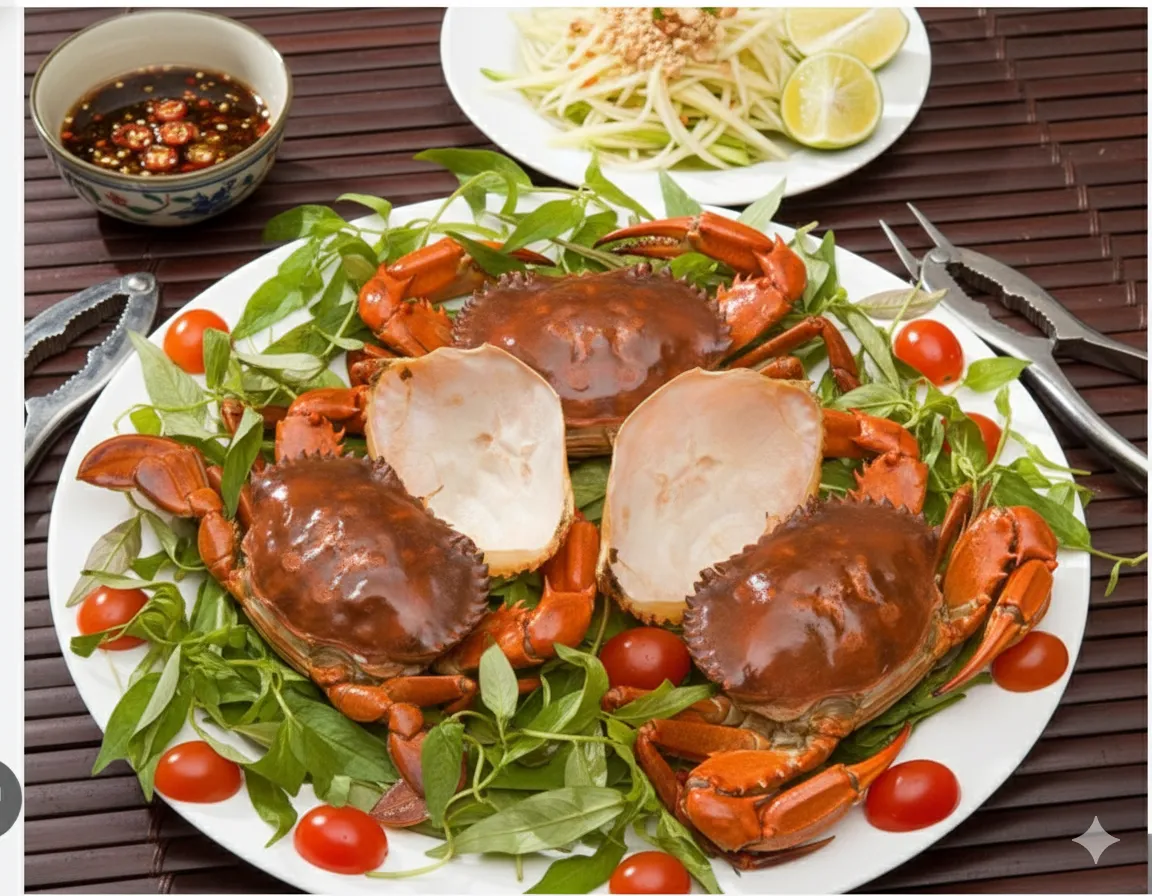
Heritage Ingredient
Soft-Shell Butter Crab (Molting Crab)
Soft-Shell Butter Crab (Molting Crab)
A rare molting mud crab from Ca Mau, valued for its edible soft inner shell and exceptionally creamy roe, making it the closest local equivalent to soft-shell crab concepts familiar abroad.
Nature's rare masterpiece—a delicate transition where a soft inner layer protects golden, custard-like roe in a fleeting moment of flavor.
The 'Cua Lột' Ideal
For soft shell crab tempura, you want crabs that have recently molted. The shell should be pliable but not flabby. The meat should still be plump and sweet. If you're lucky enough to source them from Ca Mau, you're already ahead of the game.
While the dataset includes specific crab types, the concept of sourcing fresh, recently molted crabs from quality regions like Ca Mau is paramount for this dish.
4 The Tempura Batter: Vietnamese Twist
While adhering to tempura principles, a slight Vietnamese touch can elevate this dish. We're aiming for that signature crunch without the heavy, greasy feel.
Ingredients for Batter (for approx. 6-8 crabs)
Dry Ingredients
1 cup All-Purpose Flour (or 3/4 cup AP + 1/4 cup Cornstarch for extra crispness)
Wet Ingredients
1 cup Ice-Cold Water (sparkling water is even better for lightness!)
Optional: 1 tbsp Rice Wine or Sake (for added crispness and subtle flavor)
5 Preparation is Key: From Crab to Crispy
This is where the magic (and the aversion to greasiness) happens. Proper prep ensures the batter adheres and fries beautifully.
Clean & Dry
Gently rinse the crabs. Pat them THOROUGHLY dry with paper towels. Any moisture will cause the oil to splatter and prevent the batter from clinging.
Trim the Edges
Trim off the sharp points of the legs and any sharp edges of the carapace. Some chefs also remove the gills and mouthparts, though leaving them is fine if cleaned well. If the crab is particularly large, you can cut it in half.
Light Flour Dusting
Lightly dredge the dried crabs in a bit of plain flour. This acts as a 'glue' for the tempura batter, helping it adhere better.
6 The Frying Technique: Achieving Perfect Crispness
This is where the heat meets the batter and creates that irresistible crunch. Don't overcrowd the pot – it lowers the oil temperature and leads to soggy results.
Frying Instructions
Oil Prep
Heat a generous amount of neutral oil (like vegetable, canola, or rice bran oil) in a deep pot or wok to 170-180°C (340-350°F). Use a thermometer if possible.
Batter & Fry
Prepare the batter just before frying: whisk the dry ingredients, then add the ice-cold water/sparkling water. Mix *just* until combined – lumps are fine! Dip each floured crab into the batter, letting excess drip off, and carefully place into the hot oil. Fry in batches for 2-4 minutes, or until golden brown and crispy.
7 The Perfect Dip: A Symphony of Flavors
Crispy tempura demands a complementary dipping sauce. In Vietnam, a classic `nuoc cham` forms the backbone, but for tempura, we lean towards a simpler, yet impactful, pairing.
Classic Dipping Sauce
Lime & Salt
Fresh lime juice mixed with sea salt.
Pepper
Freshly ground black pepper. White pepper is also traditional.
Optional Chili
Finely chopped fresh red chili for a kick.
The acidity cuts through the richness, the salt enhances the crab's sweetness, and the pepper adds a subtle warmth.
8 Mekong's Legacy: Beyond the Plate
The simple act of enjoying soft shell crab tempura is a connection to a vibrant ecosystem and a proud culinary heritage. The Mekong Delta's waters are not just a source of food, but the lifeblood of communities. Sustainable practices in fishing and aquaculture are crucial to ensuring these delicacies remain for generations to come.
From the floating markets where vendors hawk their fresh catch, to the family kitchens where recipes are passed down, seafood in the Mekong Delta is woven into the fabric of daily life. Soft shell crab, in its tempura guise, is a modern celebration of this ancient connection – a crispy, delightful bridge between tradition and contemporary taste.

📸 Life on the water: The heart of Mekong commerce and cuisine.
Craving More Flavor?
If you love seafood with a bit more punch, explore the zesty, garlicky delights of Vietnamese stir-fried dishes.
🥢 Discover Garlic Butter Shrimp