" While Alaska may be the origin of this majestic crustacean, the spirit of meticulous preparation, the appreciation for pristine ingredients, and the art of subtle flavor enhancement are threads woven deeply into the culinary soul of the Mekong Delta. Here, life moves at the pace of the river, demanding a certain respect for the bounty it provides. "
1 The Art of the Steamer
When celebrating an anniversary, the goal is to create an experience – one that is both sophisticated and deeply satisfying. This isn't about overpowering the lobster with heavy sauces or overwhelming spices. It’s about coaxing out its inherent sweetness, its delicate brininess, and its luxurious texture.
Steaming is the purest form of cooking seafood. It preserves the natural moisture and subtle flavors. But why white wine? It’s a deliberate choice to elevate the experience beyond plain water. The wine acts as a delicate flavor carrier, infusing the lobster with aromatic notes without leaving a cloying taste. It’s a gentle perfume that enhances, rather than masks.
Flavor Infusion
A dry white wine, like Sauvignon Blanc or Pinot Grigio, introduces subtle fruity or mineral notes that complement the oceanic sweetness of the lobster. The alcohol evaporates, leaving behind its aromatic essence.
Brininess Control
The wine's acidity helps to balance and gently neutralize any lingering, overly aggressive brininess that can sometimes overwhelm a delicate lobster. It creates a cleaner, more refined palate experience.
Think of it as giving your lobster a fine spa treatment before its grand reveal.
2 Handling the King
Working with a live lobster requires a touch of respect and precision. It’s part of the ritual, the dedication to a perfect meal. The Mekong’s bounty, from its giant mud crabs to its prized black tiger shrimp, teaches us this reverence for fresh, live ingredients.
Sourcing the Best
- Live is Key: For this method, a lively, fresh lobster is paramount.
- Size Matters: Aim for a 1.5 to 2-pound lobster for optimal texture and flavor.
Preparation Steps
- Chill Out: Place the live lobster in the freezer for 15-20 minutes. This renders it docile and easier to handle. Alternatively, an ice bath works too.
- The Quick End: The most humane method is a swift, decisive cut from behind the eyes down the midline of the head with a heavy chef's knife. This severs the main nerve.
- Clean Up: Rinse the lobster under cold water, removing any debris. If desired, you can split it lengthwise (tail and body), or keep it whole for a dramatic presentation. For steaming, keeping it whole or in large sections is best.
3 Echoes of the Delta
In the Mekong Delta, seafood is life. From the sprawling mangrove forests of Ca Mau to the bustling floating markets of Can Tho, the region understands the profound difference that pristine ingredients make. While lobster might not be native to these specific waters, the philosophy of respecting the ingredient is universal.
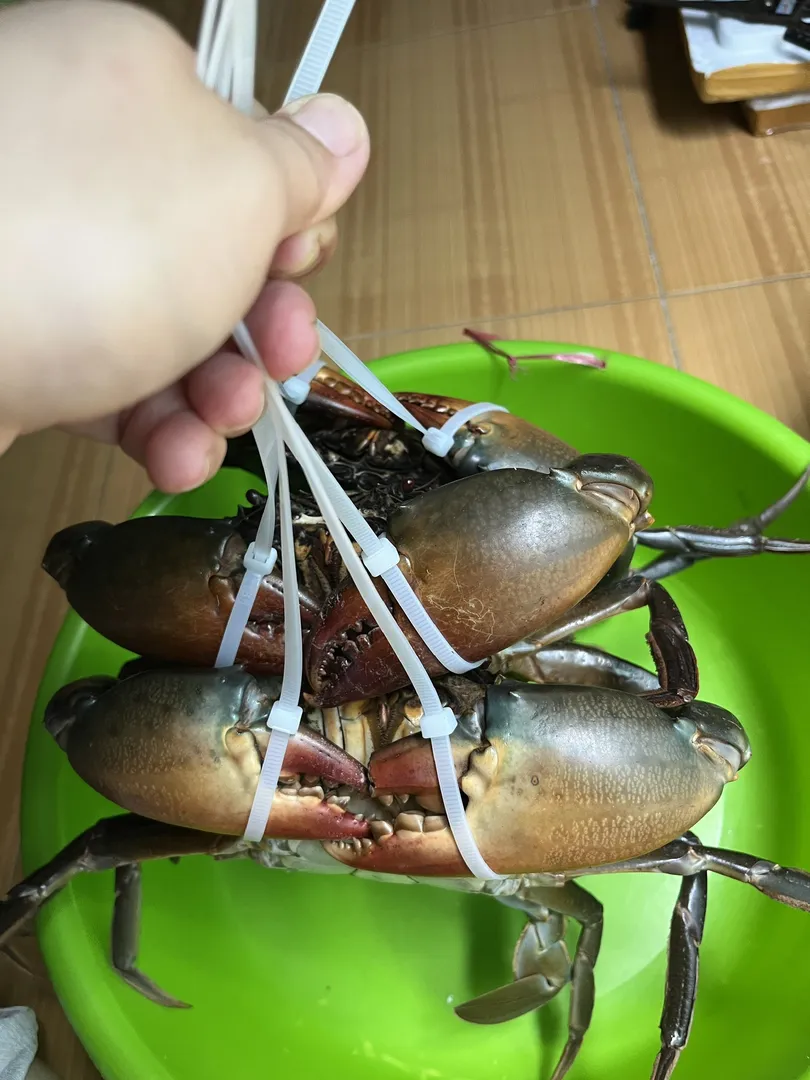
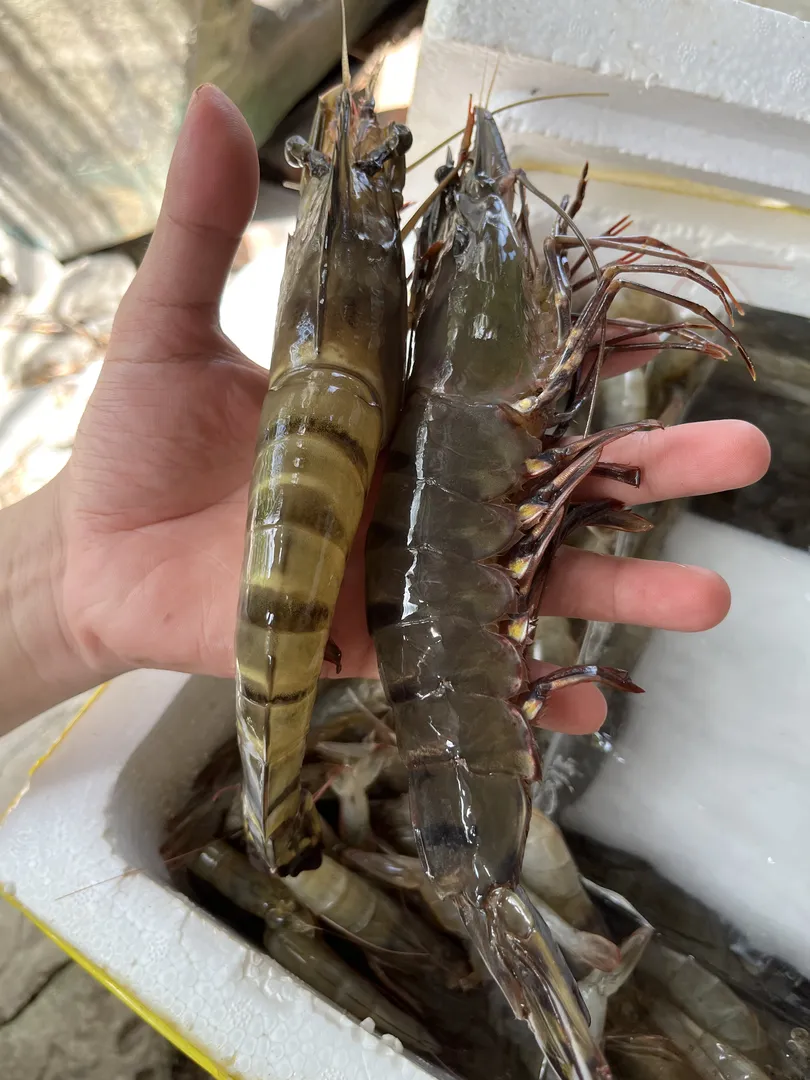
Consider the Ca Mau mud crab. Prized for its dense, sweet meat, it's often steamed with a few aromatics – perhaps lemongrass and a hint of chili – allowing its natural flavor to dominate. Or the delicate sweetness of Ca Mau black tiger shrimp, whose flavor is best appreciated with minimal fuss.
Heritage Ingredient
Giant Ca Mau Mud Crab
Giant Ca Mau Mud Crab
A larger export-grade mud crab with dramatic claws and thick meat, often used to illustrate oversized crab categories in Vietnamese seafood markets.
A titan of the ocean, offering colossal claws filled with muscular, succulent meat that elevates every feast into a royal experience.
Heritage Ingredient
Ca Mau Black Tiger Shrimp
Ca Mau Black Tiger Shrimp
Large black tiger shrimp associated with mangrove aquaculture in Ca Mau, known for firm flesh and a cleaner, sweeter finish than intensively farmed shrimp.
Wild spirits of the mangroves, these black-banded gems deliver a firm, snappy texture and a sweetness that echoes the forest's vibrant life.
Heritage Ingredient
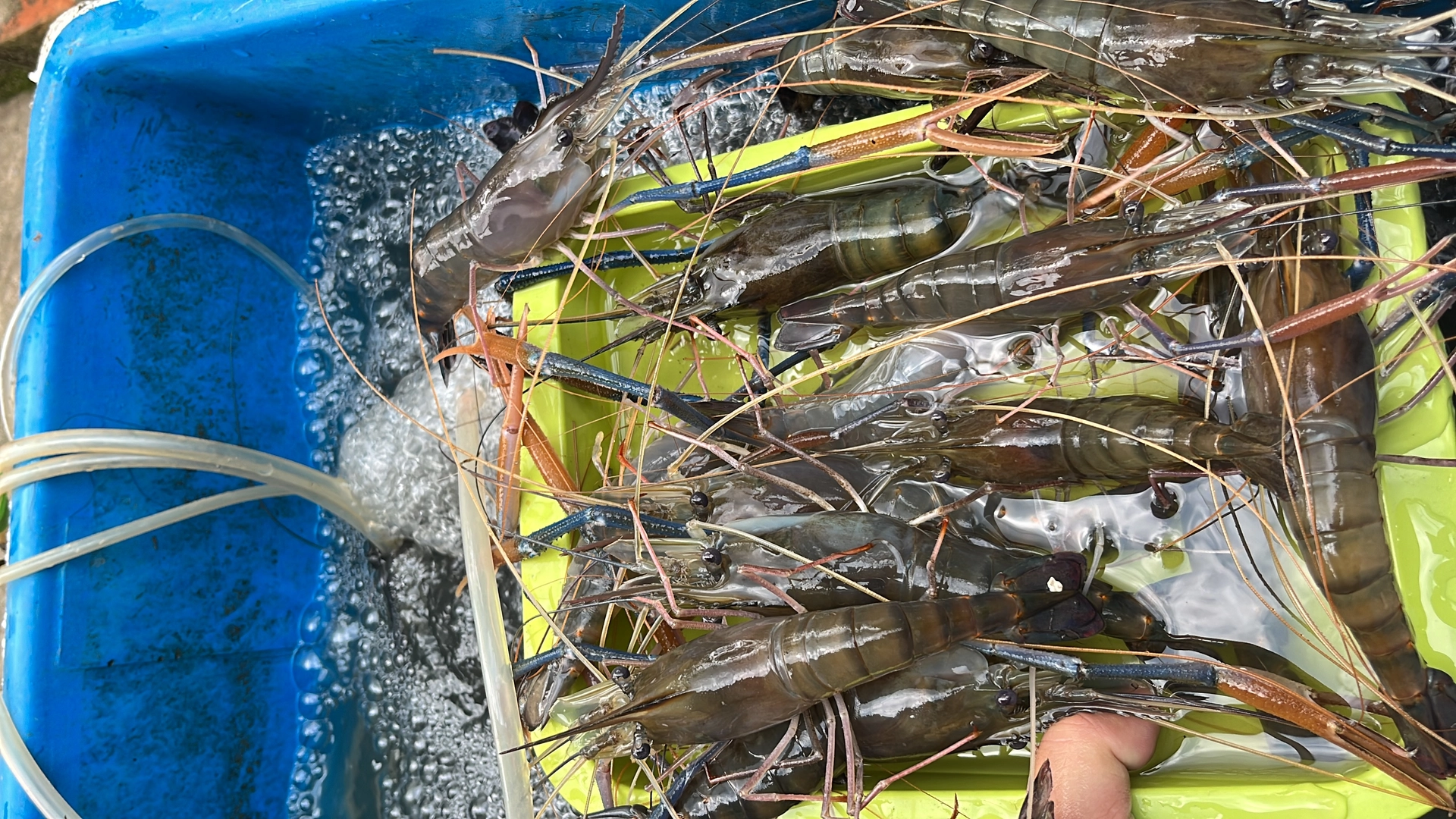
Mekong Giant Freshwater Prawn
Mekong Giant Freshwater Prawn
A river prawn with long blue claws and rich head fat, common in grilled prawn dishes and hotpot traditions across the Mekong basin.
Majestic blue-clawed warriors of the Mekong, famous for their rich, fatty heads and a savory depth that captures the essence of the delta's rivers.
This dedication to purity in preparation mirrors what we aim for with our lobster. It’s about letting the ocean’s gift shine through, enhanced by subtle culinary artistry.
4 The Culinary Alchemy
Set the Stage
In a large pot or Dutch oven, pour in about 2 cups of your chosen dry white wine. Add aromatics like a few sprigs of fresh thyme, a bay leaf, and perhaps a few lemon slices. Bring the wine to a simmer over medium heat.
The Steam Bath
Place the prepared lobster (whole or in large sections) onto a steamer rack positioned above the simmering wine. Ensure the lobster doesn't touch the liquid.
The Gentle Cook
Cover the pot tightly. Steam for approximately 10-15 minutes per pound, or until the shell turns bright red and the meat is opaque. For a 1.5-pound lobster, this is usually 15-20 minutes. Avoid overcooking, which can make the meat tough.
The Resting Period
Once cooked, immediately remove the lobster from the steamer. Let it rest for 5-10 minutes. This allows the juices to redistribute, ensuring tender, succulent meat.
Refined Accents
This dish calls for accompaniments that enhance, not compete. Think simplicity and elegance.
Melted Butter
Simply melted, perhaps infused with a whisper of garlic or chives.
Lemon Wedges
A classic, providing a bright, zesty counterpoint.
Fresh Herbs
A delicate sprinkle of fresh parsley or dill.
For a touch of regional flair, consider a small bowl of Vietnamese dipping sauce (Nuoc Cham), but use it sparingly to appreciate the lobster's purity.
A Toast to Your Journey
This White Wine Steamed Lobster is more than just a meal; it's an event. It’s about slowing down, savoring the moment, and celebrating the journey you've shared. The refined flavors, the elegant presentation, and the shared experience create a memory that lasts long after the last bite.
Much like the enduring spirit of the Mekong, which continues to nourish and inspire despite its challenges, this dish represents resilience, beauty, and the profound sweetness found in life's finest moments. So, raise a glass of that complementary white wine, and let the romance unfold.