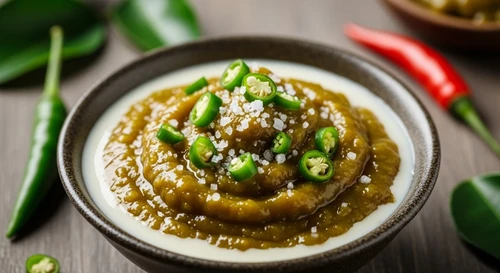
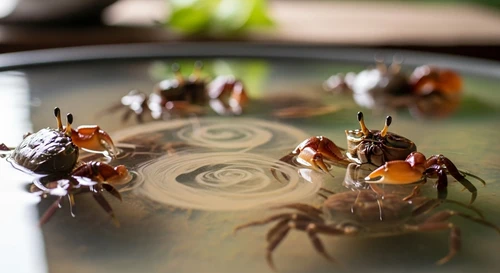
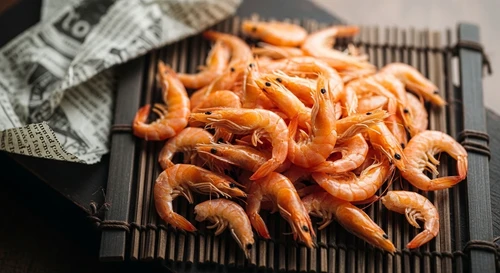
" Forget everything you thought you knew about bibimbap. This is where the salty air of the Mekong Delta kisses the spicy heart of Seoul. "
1 The Mekong Delta's Crown Jewel: Ca Mau Crab
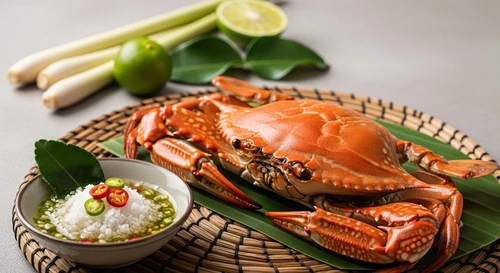
When you talk about premium seafood in Vietnam, one name echoes through the southern mangroves: Ca Mau crab. This isn't just any crab; it's a regional icon, prized for its dense, sweet flesh and rich flavor, a direct product of the unique brackish waters and mangrove ecosystems of the southernmost province.
The Meat Crab
We're talking about the male mud crab, thick-clawed and brimming with substantial, succulent meat. This is the stuff of legends, perfect for showcasing that pure, sweet crab essence.
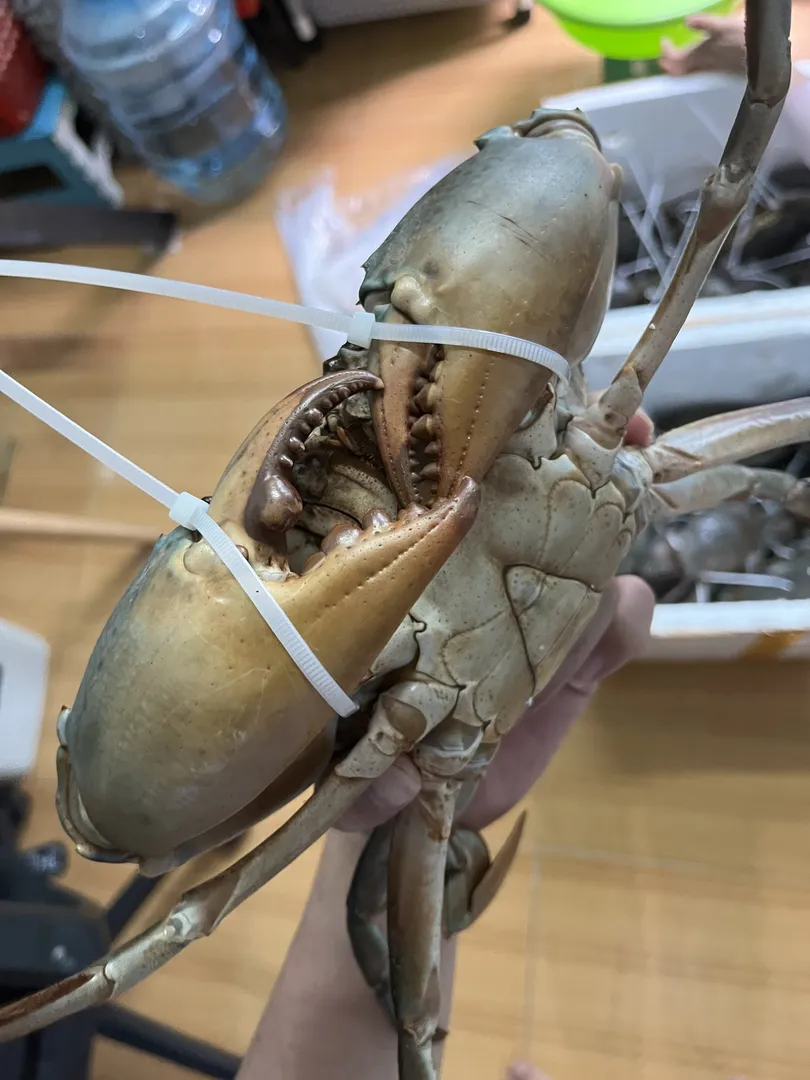
Heritage Ingredient
Ca Mau Jumbo Mud Crab
Ca Mau Jumbo Mud Crab
A large male mud crab prized for dense, sweet meat and thick claws, commonly used in steamed crab and grilled crab dishes across the Mekong Delta.
An icon of coastal culinary heritage, featuring firm, sweet meat that captures the raw power and freshness of Ca Mau's tides.
The Roe Crab
And then there's the female, bursting with vibrant orange roe. This adds a luxurious creaminess and depth, a more decadent experience that elevates any dish.
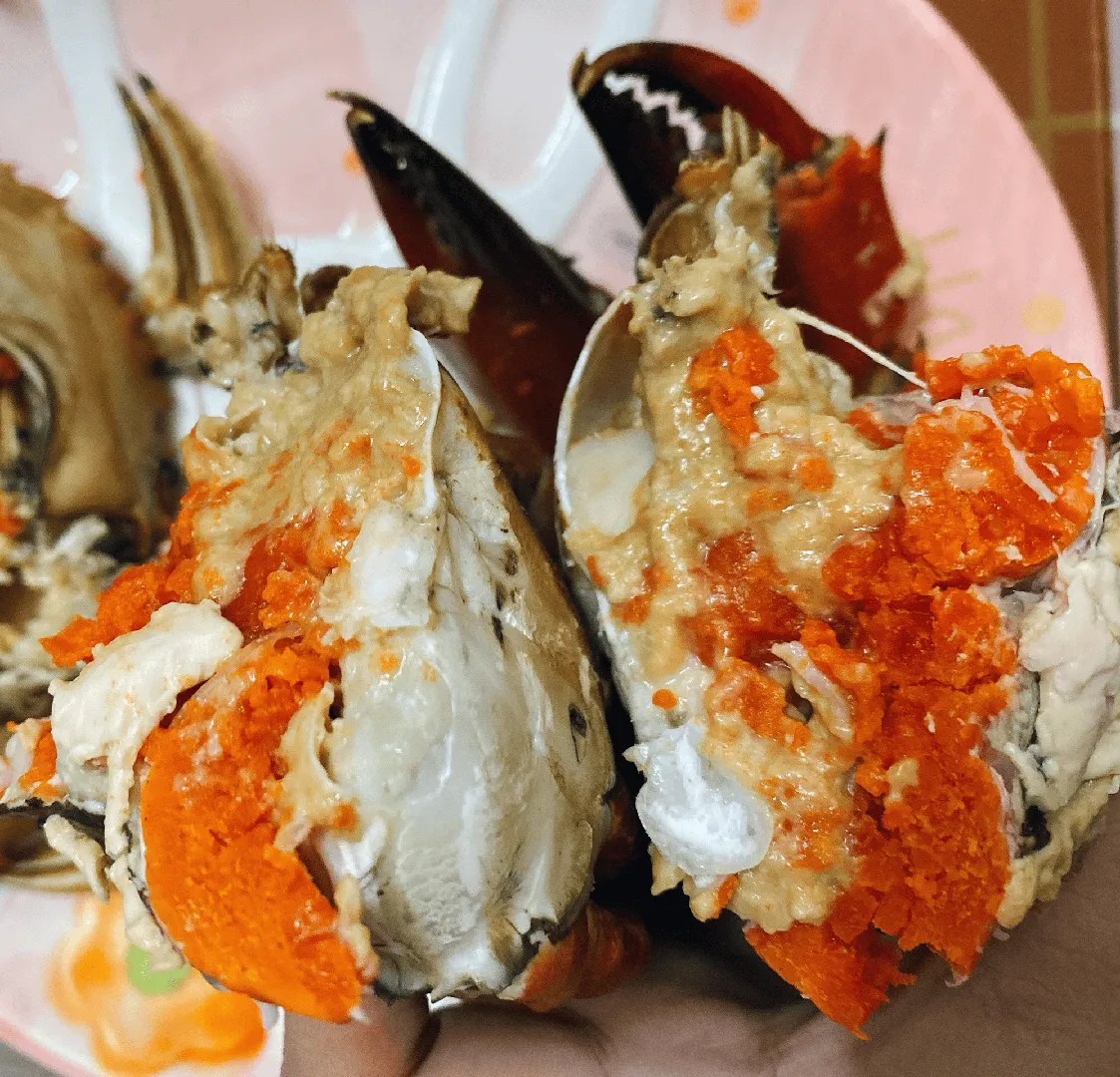
Heritage Ingredient
Ca Mau Roe Mud Crab
Ca Mau Roe Mud Crab
A female mud crab known for deep orange roe and a rich, creamy finish, often featured in celebratory Southern Vietnamese seafood meals.
A crimson treasure hidden within a shell, boasting rich, creamy roe that melts on your tongue like a golden sunset over the delta.
For this bibimbap, we're leaning towards the sweet, dense meat of the male crab, flaked and folded into the rice. It’s about quality, a testament to the pure flavors the Mekong Delta offers. Imagine this: that unmistakable, delicate sweetness, cooked to perfection, mingling with the savory, spicy complexities of Korean cuisine.
2 The Korean Heartbeat: Bibimbap & Gochujang
Bibimbap, literally "mixed rice," is a cornerstone of Korean comfort food. It’s a vibrant tapestry of textures and flavors, usually featuring rice, seasoned vegetables, gochujang (chili paste), soy sauce, a fried egg, and a protein. The magic lies in the mixing, creating a harmonious symphony with every spoonful.
Gochujang: The Soul
This fermented chili paste is the soul of the dish. Made from glutinous rice, chili powder, soybeans, and salt, it offers a complex balance of sweet, savory, and spicy notes. For our fusion, we'll amp it up, making it the perfect foil for the delicate crab.
Rice: The Foundation
Short-grain rice, slightly sticky, is ideal. It holds everything together and absorbs the flavors beautifully.
Vegetables: The Color & Crunch
Spinach, carrots, bean sprouts, zucchini – blanched or stir-fried, seasoned simply to maintain their individual character.
3 Crafting the Fusion: From Delta to Dynasty
This is where the magic happens. We’re not just throwing ingredients together; we’re orchestrating a culinary dialogue between two rich traditions.
The Anatomy of Your Bowl:
The Star: Ca Mau Crab Meat
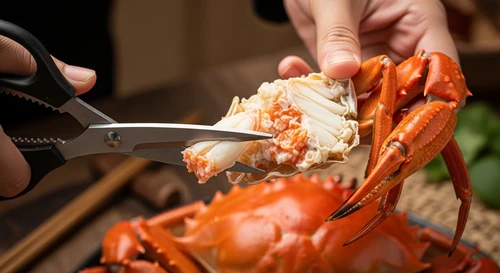
Gently steam or poach fresh Ca Mau crab meat. Flake it generously, ensuring you capture any stray sweet morsels. This is our premium topping.
The Gochujang Sauce:
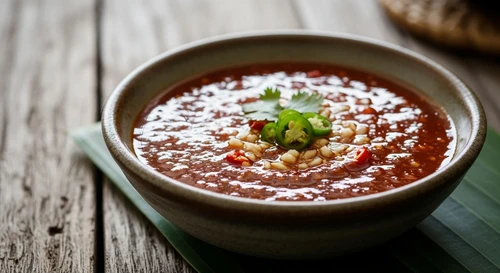
This is key. Mix gochujang with a touch of sesame oil, rice vinegar, a hint of honey or sugar, minced garlic, and perhaps a splash of water to reach your desired consistency. It needs to be bold, but not overpower the crab.
The Base: Steamed Rice
Warm, fluffy short-grain rice forms the foundation of the bowl.
The Supporting Cast: Veggies & Egg
Sautéed spinach, julienned carrots, blanched bean sprouts, perhaps some shiitake mushrooms. Top with a perfectly fried or poached egg – sunny-side up is classic, the runny yolk adding another layer of richness.
4 A Taste of the Mangroves: Sourcing the Best
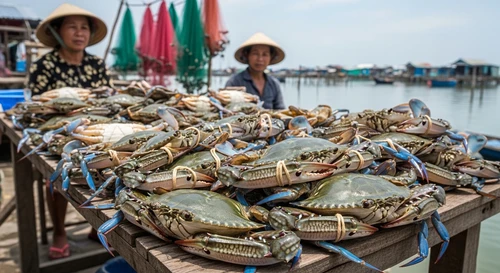
The spirit of this dish hinges on the quality of the crab. In the Mekong Delta, particularly in provinces like Ca Mau and Bac Lieu, crab is more than just food; it's a livelihood. Generations have honed the art of sustainable aquaculture in the intricate mangrove forests, leading to crabs that are both ethically raised and incredibly flavorful.

📸 Lifeblood of the Delta: Crab fishing boats navigating the intricate waterways.
Choosing the right crab – plump, lively, and from a reputable source – is paramount. The sweet, firm meat is a direct reflection of the clean, brackish waters and the natural diet provided by the mangrove ecosystem. It’s this connection to the land and water that makes Ca Mau crab so special. When you taste it, you’re tasting the very essence of the Mekong.
For those outside the Delta, seek out the freshest crab you can find. If you can get your hands on sustainably sourced mud crab, you’re already halfway there. The goal is to let that natural sweetness shine through, a perfect counterpoint to the bold Korean flavors.
5 The Grand Finale: Assembly & Enjoyment
This is where the artistry truly comes into play. Assemble your bowl like a work of edible art.
The Base Layer
Fill a large, shallow bowl with warm steamed rice. This is your canvas.
Arrange the Elements
Artfully arrange the prepared vegetables, the star crab meat, and the perfectly cooked egg on top of the rice. Think of color and texture contrast.
The Fiery Finish
Drizzle your potent gochujang sauce over everything. Don't be shy!
The Ritual of Mixing
This is crucial. Grab your spoon and mix everything vigorously. Break the egg yolk, combine the flavors, ensuring every grain of rice is coated in that glorious sauce and infused with the crab's sweetness.
6 Beyond Crab: Other Mekong Seafood Stars
While Ca Mau crab is the star here, the Mekong Delta teems with other incredible seafood. Imagine this bibimbap with plump, sweet shrimp, a testament to the region's aquaculture.
Ca Mau Black Tiger Shrimp
Known for their firm flesh and clean, sweet taste, these shrimp thrive in the mangrove-fed waters, making them a premium choice.
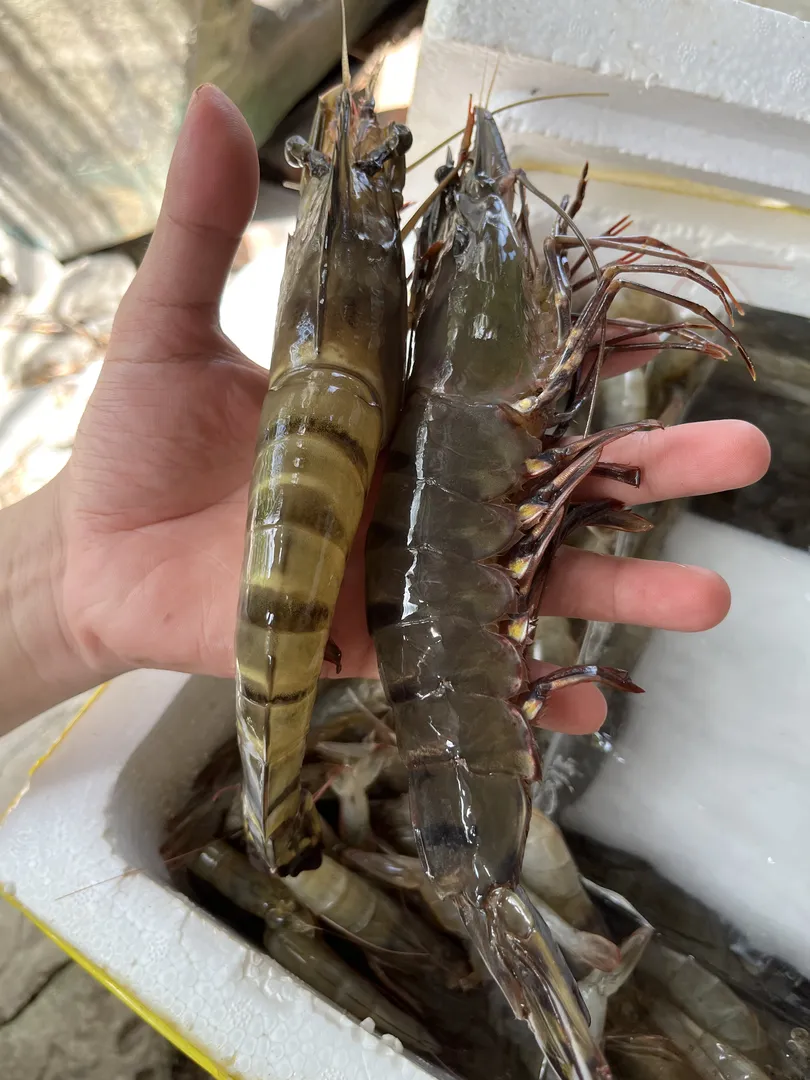
Heritage Ingredient
Ca Mau Black Tiger Shrimp
Ca Mau Black Tiger Shrimp
Large black tiger shrimp associated with mangrove aquaculture in Ca Mau, known for firm flesh and a cleaner, sweeter finish than intensively farmed shrimp.
Wild spirits of the mangroves, these black-banded gems deliver a firm, snappy texture and a sweetness that echoes the forest's vibrant life.
Mekong Giant Freshwater Prawn
These magnificent prawns, with their distinctive blue claws, offer a rich, buttery head fat and substantial meat. They'd bring a different, yet equally delicious, dimension to a fusion bowl.
The versatility of Mekong seafood is astounding. Each brings its unique character, proving that the Delta's bounty can inspire dishes far beyond its own shores.
7 A Healthy Indulgence
This Crab Bibimbap isn't just a flavor explosion; it's a surprisingly healthy meal. Lean crab protein, nutrient-rich vegetables, and whole grains from the rice make for a balanced diet. The gochujang, while spicy, is packed with antioxidants and offers digestive benefits. It’s a way to indulge without guilt, a testament to smart fusion cooking.
Don't skimp on the vegetables! The more colorful, the better – both for nutrients and visual appeal.
8 The Mekong Soul in Every Bite
This Crab Bibimbap is more than just a recipe; it’s a story. It’s about the delicate sweetness of Ca Mau crab, nurtured by the unique mangrove ecosystems of the Mekong Delta. It’s about the fiery, comforting embrace of Korean gochujang. It’s about bridging cultures, bringing the vibrant flavors of the Mekong to the heart of your kitchen, with a soulful nod to the streets of Seoul.
So, the next time you crave something exciting, something that whispers of distant shores and bold flavors, reach for the crab. Mix your rice, savor the sweetness, and taste the fusion. This is the Mekong Delta, served in a bowl.