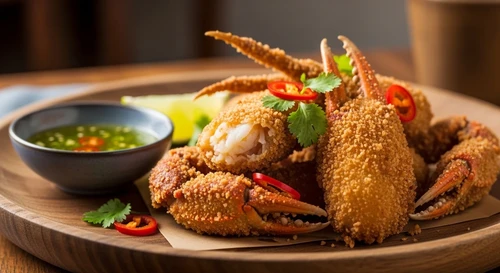
" In the grand tapestry of Southeast Asian cuisine, few threads are as vibrant and universally loved as crab. We're talking about the crustacean king, prepared in ways that make taste buds sing. Today, we pit two legends against each other: Singapore's fiery Chili Crab and Vietnam's tangy Tamarind Crab. "
1 The Soul of the South: Crab from Vietnamese Waters
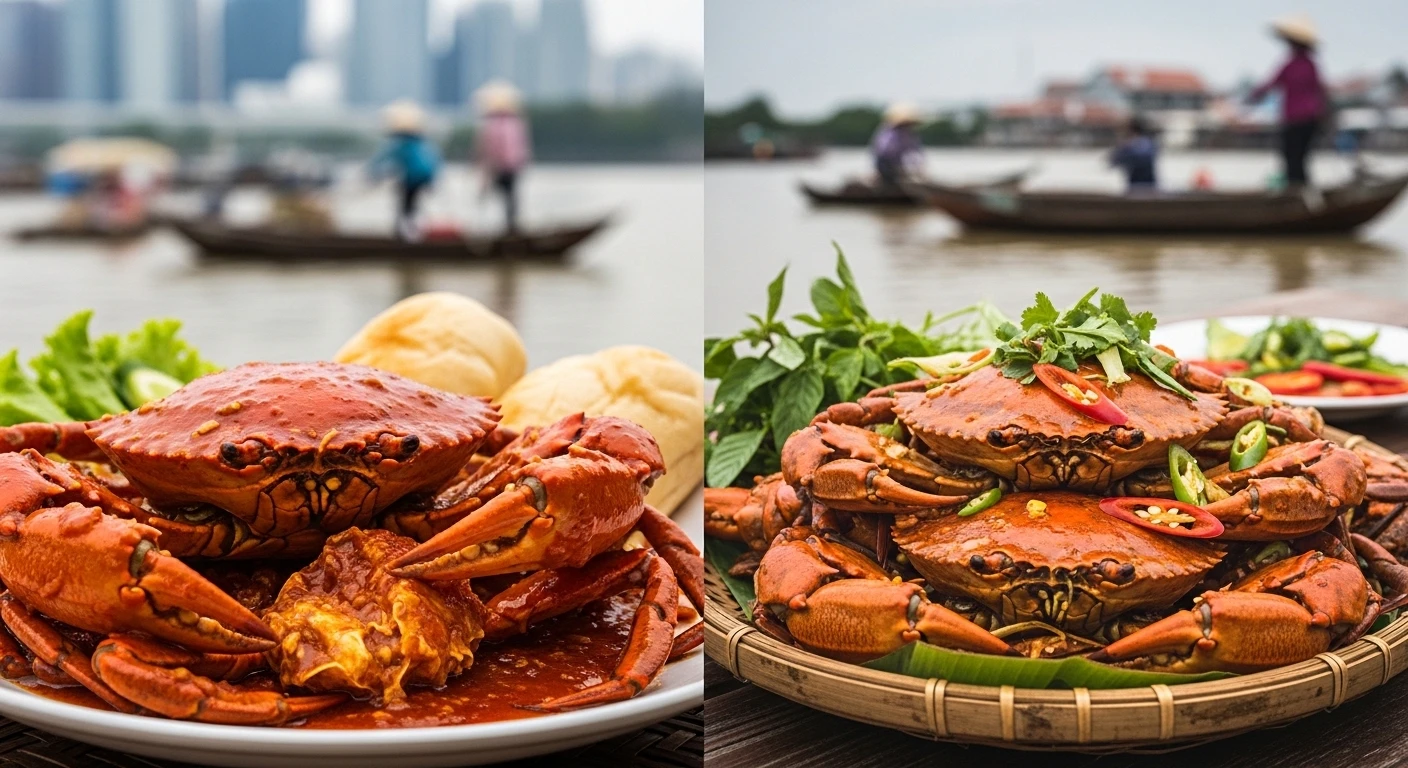
Before we even get to the sauces, let's talk about the star: the crab. When you think of Vietnam's culinary heart, you must envision the sprawling Mekong Delta. This is a realm of intricate waterways, fertile mudflats, and a coastline teeming with life. The crabs harvested here, particularly from provinces like Ca Mau, are legendary.
From the brackish mangroves of the south comes a treasure trove of crustaceans. These aren't just any crabs; they are a reflection of the region's rich biodiversity and the livelihood of its people.
The Ca Mau Difference
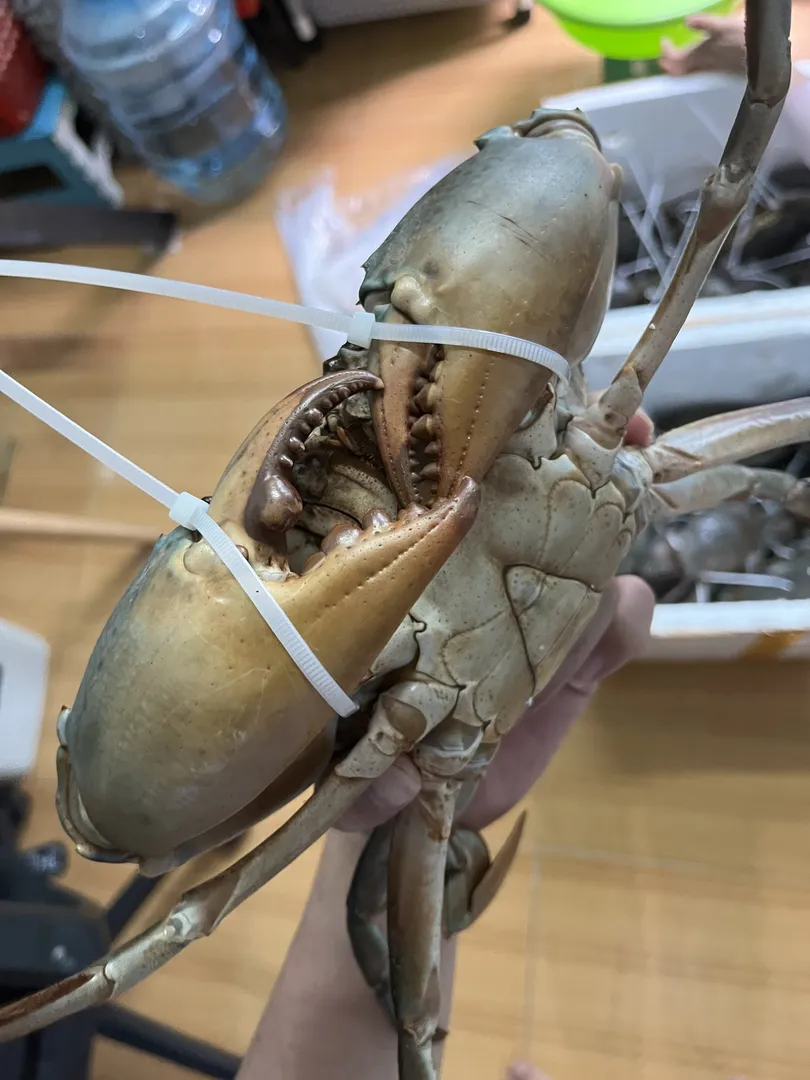
Ca Mau, the southernmost province of Vietnam, is synonymous with premium seafood. Its unique geography, where freshwater rivers meet saltwater seas, creates the perfect environment for mud crabs (Scylla serrata) to thrive. These crabs are known for their firm, sweet, succulent meat. The shells are thinner, making them a joy to crack open.
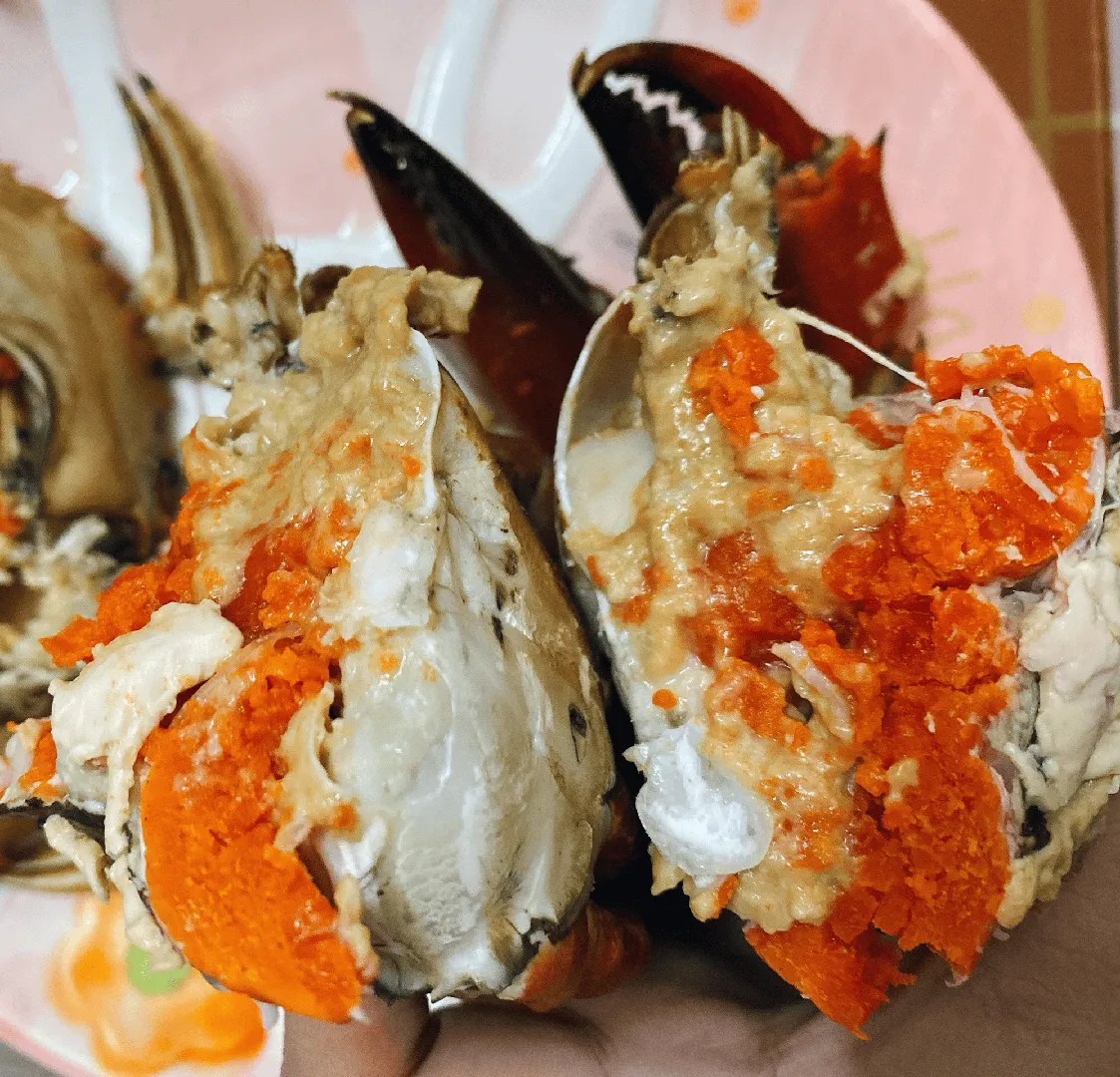
Jumbo Meat Crabs, like those from Ca Mau, offer a satisfying fullness. You'll often find variations: the male crabs with their meaty claws, and the female crabs, especially those that haven't spawned yet (identified by their square apron), which boast a delightful balance of sweet meat and a creamy, golden roe.
Heritage Ingredient
Ca Mau Jumbo Mud Crab
Ca Mau Jumbo Mud Crab
A large male mud crab prized for dense, sweet meat and thick claws, commonly used in steamed crab and grilled crab dishes across the Mekong Delta.
An icon of coastal culinary heritage, featuring firm, sweet meat that captures the raw power and freshness of Ca Mau's tides.
The way these crabs are treated in Vietnam is often about showcasing their inherent sweetness. Steaming, boiling, or a simple stir-fry with garlic and butter are common. But when it comes to a celebrated, complex dish, the Tamarind Crab emerges.
2 Singapore's Fiery Icon: Chili Crab
Across the South China Sea, in the bustling city-state of Singapore, lies another culinary legend: Chili Crab. This dish is more than just a meal; it's a cultural touchstone, a must-do for any visitor, and a source of national pride.
A Symphony of Spice and Sweetness
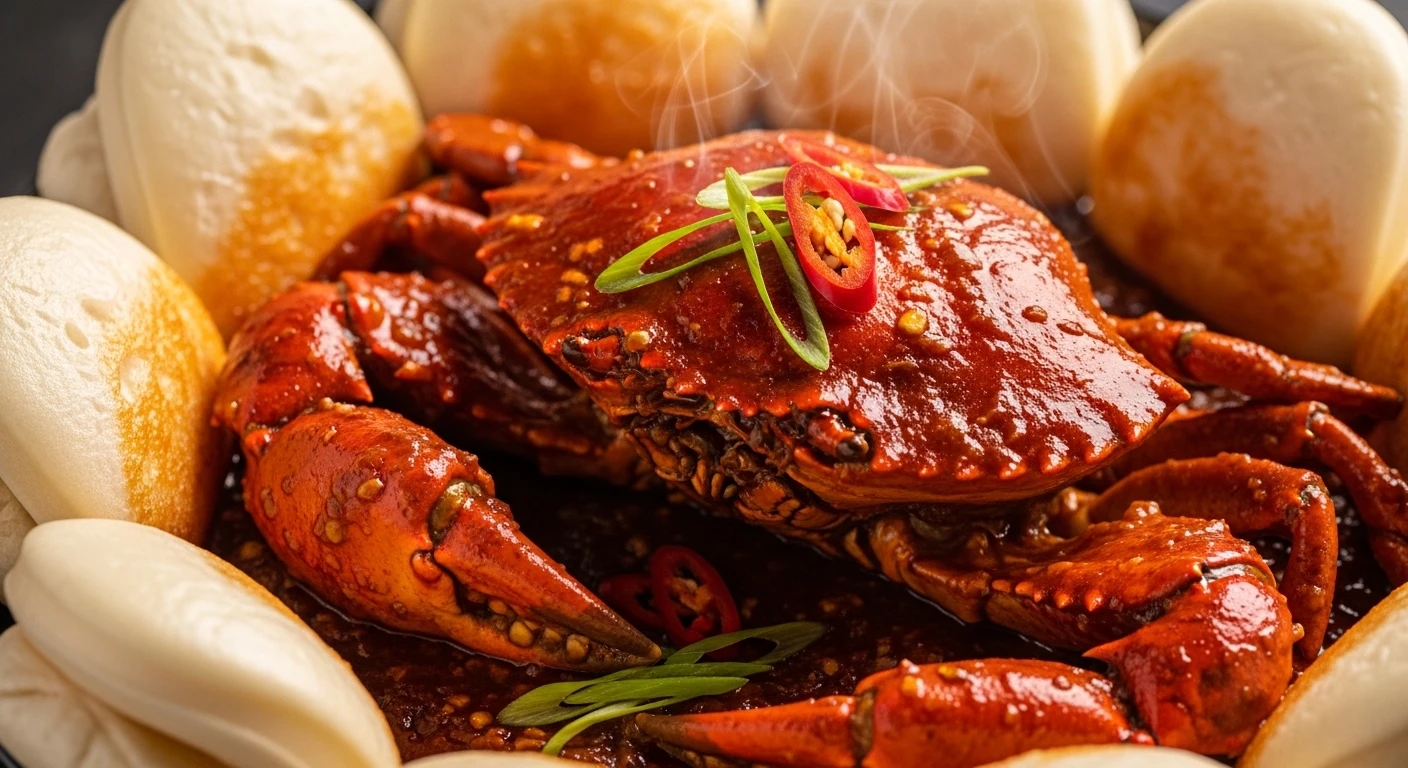
The hallmark of Singaporean Chili Crab is its robust, complex sauce. It's a vibrant concoction that hits all the right notes: sweet, savory, spicy, and tangy, all at once. The base is typically a tomato and chili paste, enriched with shrimp paste (belacan), garlic, ginger, and often a touch of sambal. The sauce is cooked to a rich, glossy consistency, clinging perfectly to the succulent crab meat.
The crab itself, often a mud crab, is usually stir-fried or steamed before being bathed in this glorious sauce. The magic happens when you tear into the shell, coaxing out the tender flesh that's been infused with the sauce's fiery embrace. It's messy, glorious, and utterly addictive. And don't forget the accompanying fried mantou buns – essential for sopping up every last drop of that legendary sauce.
While its origins are debated (some say it was invented by a resourceful housewife in the 1950s), its status as a Singaporean icon is undisputed. It’s a dish that demands your full attention, your willingness to get your hands dirty, and your desire for a truly explosive flavor experience.
3 The Showdown: Flavor Profiles
Here’s where the real debate begins. How do these two celebrated dishes stack up against each other in terms of taste, texture, and overall sensory experience?
Singapore Chili Crab
- Dominant Flavors: Spicy, sweet, savory, tangy. Intense chili kick balanced by tomato and a hint of umami from shrimp paste.
- Sauce Texture: Rich, thick, glossy, and often slightly gooey.
- Crab Preparation: Typically stir-fried or steamed, then coated heavily in sauce.
- Overall Experience: A full-throttle, in-your-face flavor explosion. Bold, unapologetic, and incredibly satisfying.
- Best Eaten With: Steamed rice, fried mantou buns for dipping.
Vietnamese Tamarind Crab
- Dominant Flavors: Tangy, sweet, slightly savory with subtle aromatics. The sourness of tamarind is the star, balanced by sugar and garlic.
- Sauce Texture: Lighter, often more liquid than chili crab, allowing the crab's natural sweetness to peek through.
- Crab Preparation: Usually stir-fried, allowing the crab to absorb the sauce without being completely drowned.
- Overall Experience: A bright, zesty, and refreshing flavor profile. It’s a delicate dance that highlights the sweetness of the crab.
- Best Eaten With: Steamed rice. Sometimes served with a side of fresh herbs.
The Verdict?
It's less about which is "better" and more about what mood you're in. Do you crave an intense, spicy fiesta? Or a bright, zesty delight?
4 The Crucial Ingredient: Why the Crab Itself is Key
While the sauces are undoubtedly the showstoppers, it's crucial to remember that neither chili crab nor tamarind crab can be truly great without a quality crab. The inherent sweetness and texture of the crab meat are the foundation upon which these iconic dishes are built.
Heritage Ingredient
Ca Mau Jumbo Mud Crab
Ca Mau Jumbo Mud Crab
A large male mud crab prized for dense, sweet meat and thick claws, commonly used in steamed crab and grilled crab dishes across the Mekong Delta.
An icon of coastal culinary heritage, featuring firm, sweet meat that captures the raw power and freshness of Ca Mau's tides.
Heritage Ingredient
Ca Mau Roe Mud Crab
Ca Mau Roe Mud Crab
A female mud crab known for deep orange roe and a rich, creamy finish, often featured in celebratory Southern Vietnamese seafood meals.
A crimson treasure hidden within a shell, boasting rich, creamy roe that melts on your tongue like a golden sunset over the delta.
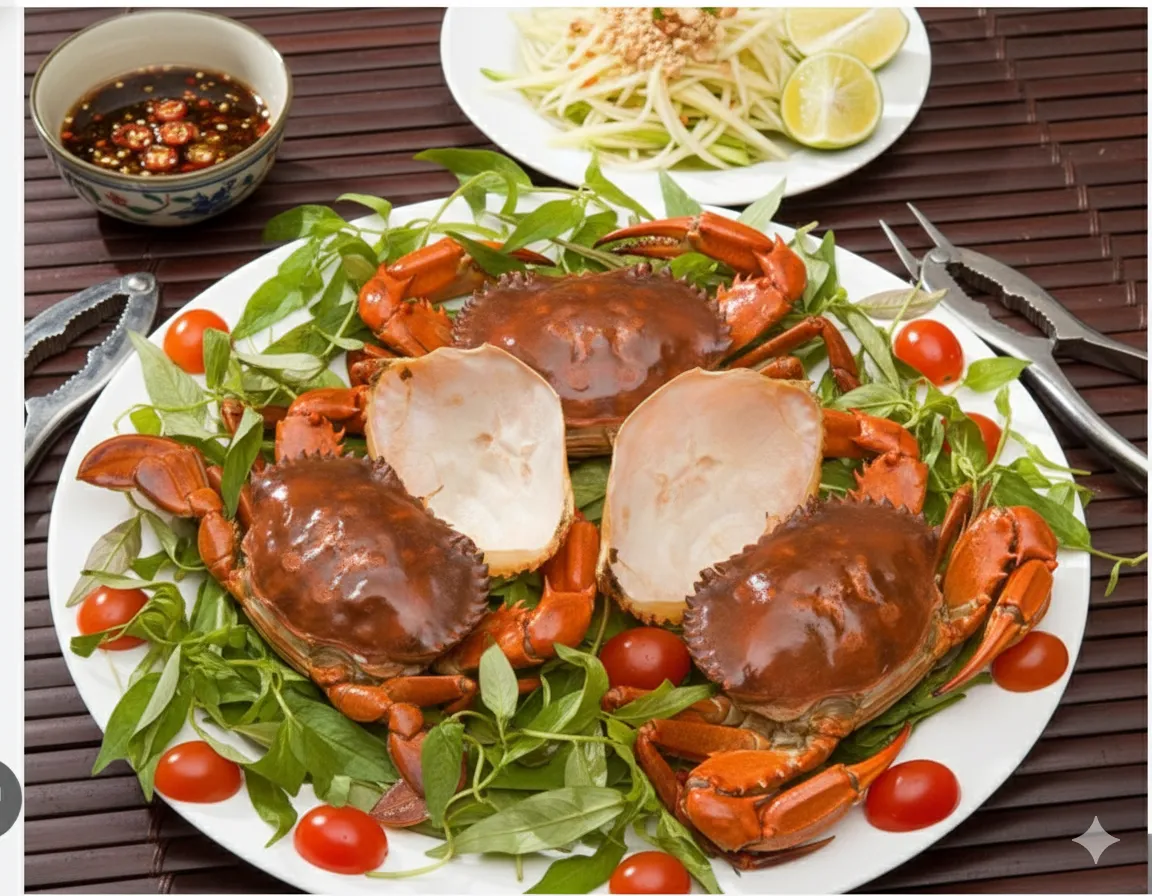
Heritage Ingredient
Soft-Shell Butter Crab (Molting Crab)
Soft-Shell Butter Crab (Molting Crab)
A rare molting mud crab from Ca Mau, valued for its edible soft inner shell and exceptionally creamy roe, making it the closest local equivalent to soft-shell crab concepts familiar abroad.
Nature's rare masterpiece—a delicate transition where a soft inner layer protects golden, custard-like roe in a fleeting moment of flavor.
Whether you're seeking the pure, sweet meat of a steamed mud crab from the Mekong, or a crab with rich, creamy roe, the quality is paramount. A lesser crab will be overwhelmed by the bold flavors of chili or tamarind. But a prime specimen? It sings. In Vietnam, the emphasis on the crab's natural quality is deeply ingrained in the culinary culture, especially in regions like Ca Mau where seafood is life.
5 Cultural Crossroads & Culinary Tourism
These dishes are more than just recipes; they are ambassadors of their respective cultures. Chili Crab is a Singaporean icon, a symbol of its vibrant hawker culture and its success in transforming humble ingredients into world-class cuisine. It's a dish that draws food lovers from every corner of the globe to its shores.
In Vietnam, while Tamarind Crab might not have the same singular global spotlight as its Singaporean counterpart, it represents the broader Vietnamese approach to seafood: fresh, flavorful, and often showcasing the bright, natural ingredients of the land and sea. Traveling through the Mekong Delta, you'll encounter variations of this dish, each echoing the unique taste of the local waters and the family recipes passed down through generations.
From the bustling food stalls of Singapore to the serene riverbanks of Can Tho, these crab dishes offer a delicious window into the heart of Southeast Asian gastronomy. They invite you to explore, to taste, and to understand the deep connection between people, place, and plate.
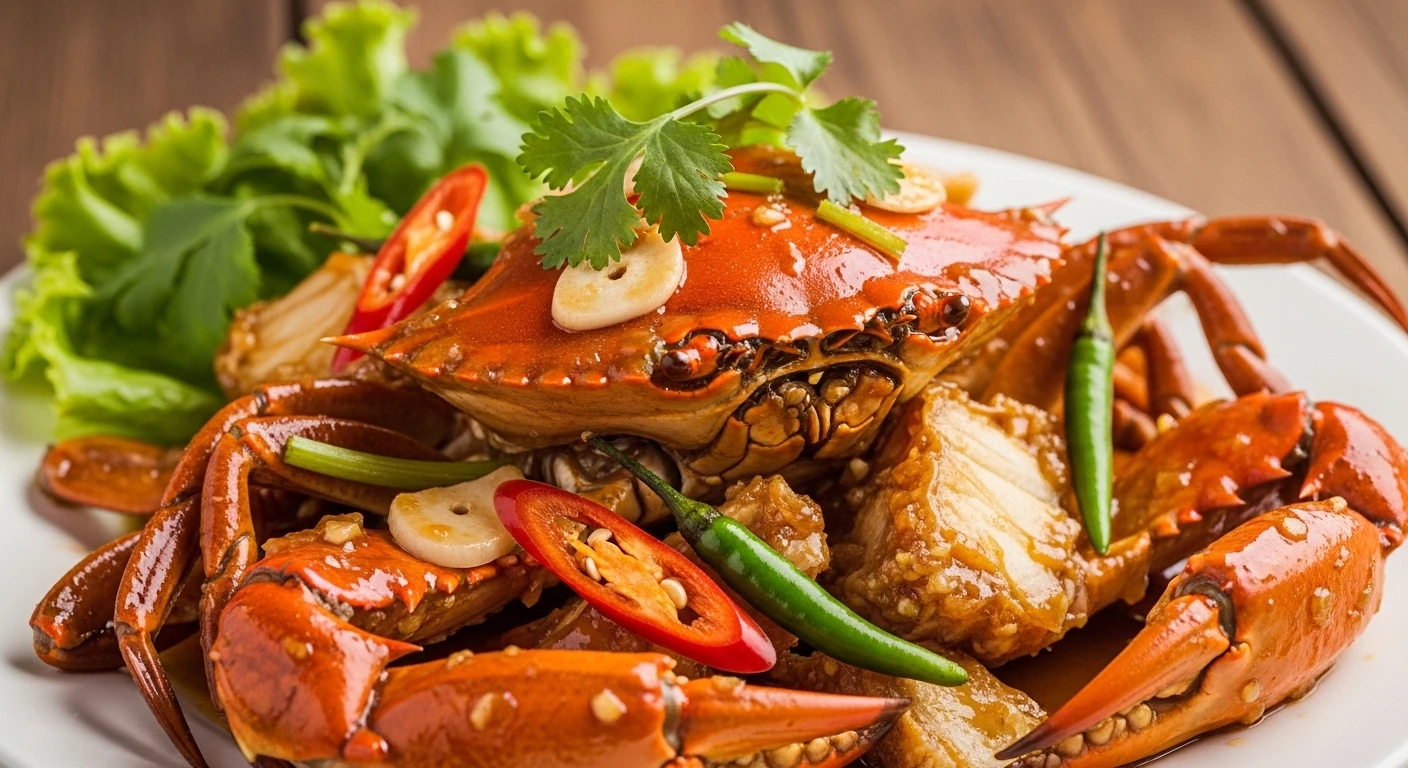
6 Your Kitchen, Your Showdown
So, which flavor profile should you aim for in your own kitchen? It truly depends on your palate's craving.
Craving Boldness? Go for Chili Crab.
If you love a dish that punches you in the face with flavor – spicy, sweet, and intensely savory – then the Singaporean Chili Crab is your champion. It's a dish that doesn't shy away from making a statement. Think of it as a rock concert for your taste buds: loud, energetic, and unforgettable.
Key elements to master: The balance of tomato paste, chili, and shrimp paste; achieving that glossy, sticky sauce; and ensuring the crab is cooked perfectly without becoming tough.
Seeking Brightness? Embrace Tamarind Crab.
If you prefer a cleaner, brighter, and more refreshing taste where the natural sweetness of the crab can shine through, the Vietnamese Tamarind Crab is your winner. The tang of tamarind cuts through richness beautifully, creating a lively and zesty experience. This is more like a sunny afternoon jazz brunch – sophisticated, balanced, and utterly delightful.
Key elements to master: Using good quality tamarind paste; achieving the right balance of sour and sweet; sautéing the crab quickly to keep it tender.
Ultimately, the best crab dish is the one that brings you the most joy. Why not try both and declare your own winner?
7 Expert Tips for Crab Perfection
🦀 Freshness is Non-Negotiable
🌶️ Sauce Balance is Key
💧 Don't Drown Your Crab
🍚 Rice and Buns are Essential Companions
8 The Lingering Taste of the Delta
As I’ve traveled through the labyrinthine waterways of the Mekong Delta, I’ve seen firsthand how deeply crab is woven into the fabric of daily life. From the local markets piled high with fresh catches to the family meals where a shared crab dish is a centerpiece, it’s a constant presence. The Tamarind Crab, with its bright, zesty character, feels like a direct translation of the region's vibrant spirit – fresh, lively, and full of natural goodness.
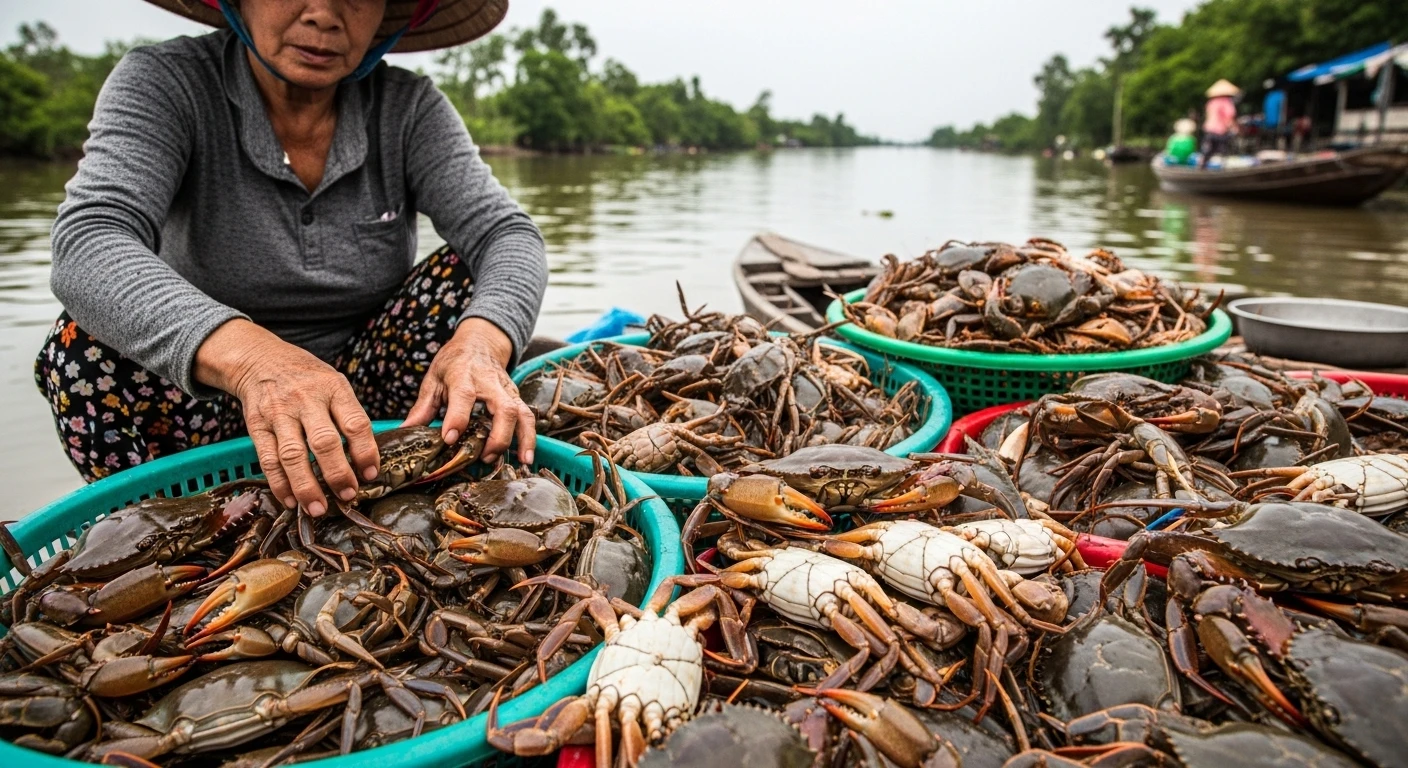
While Singapore's Chili Crab is a bold, international sensation, the Vietnamese Tamarind Crab holds a special place in my heart for its honesty and its deep connection to the land. It’s a dish that speaks of rivers, sunshine, and the simple pleasure of fresh ingredients treated with respect. So, whether you’re drawn to the fiery embrace of chili or the bright tang of tamarind, both these crab dishes offer an unforgettable journey for your palate.